
ULA Vulcan Rocket: Grounded and Struggling to Deliver for US Military
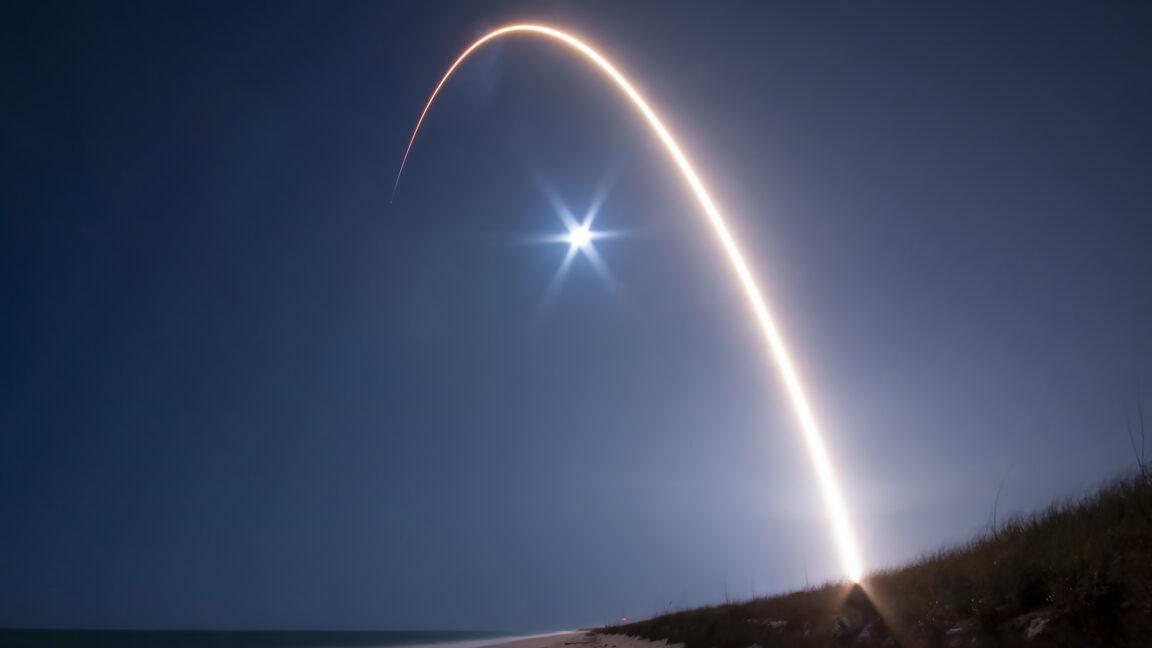
Verdict United Launch Alliance's (ULA) Vulcan rocket, once slated to be the cornerstone of the US military's access to space, is currently facing significant reliability challenges that have led to its grounding.
Verdict
United Launch Alliance's (ULA) Vulcan rocket, once slated to be the cornerstone of the US military's access to space, is currently facing significant reliability challenges that have led to its grounding. Recurring solid rocket booster anomalies have prompted the US Space Force to transfer critical GPS satellite launches to rival SpaceX, marking a concerning period for ULA. While ULA historically held a dominant position in national security launches, the Vulcan's current operational setbacks and lengthy investigation periods make it an unreliable choice for time-sensitive missions. SpaceX, with its proven Falcon 9 and Falcon Heavy vehicles, currently offers the responsiveness and reliability the military urgently needs.
A Promising Successor Plagued by Early Issues
ULA, a joint venture between Boeing and Lockheed Martin, has long been a primary provider of launch services for the US government. Its new heavy-lift Vulcan rocket was introduced to replace its aging Atlas V and Delta IV fleets, promising a next-generation capability. However, the Vulcan's path to full operational service has been far from smooth. After an initial debut delay from 2020 to early 2024, the rocket has experienced critical technical setbacks on its second and fourth flights, occurring in October 2024 and in recent months.
The core of the problem lies with the Vulcan's solid rocket boosters (SRBs). On both occasions, an anomaly involved the loss of a booster's exhaust nozzle shortly after liftoff. While the first incident was attributed to a manufacturing defect, the more recent failure appeared to be similar. Despite the rocket successfully completing its climb into orbit on both problematic flights, the recurrence of such a critical issue has rightly given US military officials pause. The ongoing investigation into the latest booster problem is expected to take "many months," and the Space Force has clearly stated it will not resume launching payloads on the Vulcan until the probe is complete and confidence is restored.
Impact on National Security Space Launch
For the US military, the reliability and timely delivery of satellites are paramount, especially for critical infrastructure like the GPS navigation network. The Pentagon maintains a strict policy of "assured access to space," designed to ensure that national security payloads can always reach orbit, even in the event of a launch failure or vehicle unavailability. ULA's current grounding directly undermines this policy.
In a span of just over a year, the US Space Force has been compelled to transfer four separate GPS Block III satellite launches from ULA to SpaceX. The latest example, the GPS III SV10 satellite, was initially part of a launch swap that saw other missions moved to ULA. However, due to the Vulcan's continued grounding, the SV10 mission has now been shifted back to a SpaceX Falcon 9 rocket, scheduled for late April. This repeated reliance on an alternative provider underscores ULA's inability to meet its contractual obligations and the urgent need for the Space Force to deploy these advanced GPS capabilities.
Each GPS III satellite weighs over four tons, and only a select few launchers are certified by the Space Force for such missions: SpaceX's Falcon 9 and Falcon Heavy, and ULA's Vulcan. With Vulcan out of commission for an extended period, the burden falls almost entirely on SpaceX to maintain critical access.
Comparative Analysis: ULA Vulcan vs. SpaceX Falcon 9/Heavy
The current situation starkly highlights the differences in operational readiness and flexibility between ULA and SpaceX, its primary competitor in the national security launch market.
| Feature | ULA Vulcan (Current Status) | SpaceX Falcon 9 / Heavy |
|---|---|---|
| Operational Status | Grounded due to recurring SRB anomalies | Fully operational, high flight cadence with reusable boosters |
| Reliability | Recent recurring SRB failures under investigation | Established track record of frequent, successful launches |
| Responsiveness | Unable to deliver quickly for critical missions | Can accommodate new missions on relatively short notice due to launch frequency |
| Contract Standing | Relegated to second position for military contracts (post-2025 awards) | Majority holder of military launch contracts (post-2025 awards) |
| Assured Access | Hindered by current issues and delays | Currently provides the most consistent path to assured access for critical payloads |
| Vehicle Availability | Limited, with Atlas V nearing retirement and Delta IV out of service | Extensive fleet, rapid refurbishment of reusable stages |
SpaceX's ability to fly several times a week with reusable boosters provides it with an inherent advantage in responsiveness. While ULA possesses an $8 billion backlog in military launch contracts, its inability to deliver on these missions due to technical issues effectively sidelines its significant investment and historical standing.
ULA's Fall from Grace and Future Outlook
ULA's current predicament represents a significant "fall from grace." For over a decade, it was the US military's sole launch provider, securing multibillion-dollar sole-source contracts. SpaceX entered this market only in 2018 after a lawsuit in 2014 challenged ULA's monopoly. The competitive landscape has since shifted dramatically. In 2020, ULA was awarded 60 percent of military missions, with SpaceX taking 40 percent. However, the most recent contract awards, covering launches through the end of the decade, saw SpaceX win the majority, ULA drop to second, and Blue Origin introduced as a third provider.
This trend, coupled with the Vulcan's ongoing reliability problems, paints a challenging picture for ULA. The retirement of the Delta IV rocket and the nearing retirement of the Atlas V mean that ULA's future military launch capabilities are heavily dependent on the Vulcan's rapid and successful return to full operational status. The company's credibility and its share of the critical national security launch market are undoubtedly at stake.
Pros and Cons
ULA Vulcan (Current State)
Pros:
- Historical Trust: ULA historically held the exclusive trust of the US military for national security launches.
- Recovery Capability: The Vulcan rocket demonstrated a capacity to complete its mission even after experiencing SRB anomalies on its past flights, suggesting some inherent system robustness.
Cons:
- Recurring Reliability Issues: Multiple solid rocket booster failures have led to grounding.
- Significant Delays: Vulcan's operational debut was delayed, and current investigations are causing further extensive delays.
- Inability to Deliver: Crucial military satellite launches are being transferred to competitors.
- Loss of Confidence & Market Share: The Space Force has shifted contracts and is openly seeking rapid alternatives.
- Aging Legacy Fleet: Reliance on Vulcan is high as Delta IV is out of service and Atlas V is nearing retirement.
Buying Recommendation
For the US military and other entities requiring high-assurance, timely access to space for critical payloads, ULA's Vulcan rocket, in its current grounded state, cannot be recommended as a reliable option. The ongoing investigation into recurring solid rocket booster anomalies, expected to last many months, means an uncertain timeline for its return to flight. Until ULA can conclusively resolve these technical issues, demonstrate sustained reliability, and prove its ability to deliver on schedule, SpaceX's Falcon 9 and Falcon Heavy rockets remain the demonstrably more viable and responsive alternatives for national security space launches.
FAQ
Q: Why is ULA struggling with its Vulcan rocket?
A: The Vulcan rocket has experienced recurring solid rocket booster anomalies on two of its four flights, prompting the Space Force to ground it until investigations are complete, which could take many months.
Q: How has this impacted the US military's space launches?
A: The US Space Force has had to transfer four critical GPS satellite launches, including the latest GPS III SV10, from ULA's Vulcan to SpaceX's Falcon 9 rocket to ensure timely delivery of these essential national security assets.
Q: What does this mean for "assured access to space"?
A: While the US military aims for "assured access to space" with multiple providers, ULA's current issues mean SpaceX is effectively the primary provider capable of delivering critical national security payloads with the necessary responsiveness and reliability.
Related articles
Android 17 QPR2 Beta 7.1: The Performance Relief You've Been Waiting
Android 17 QPR2 Beta 7.1: Finally Fixing the QPR1 Performance Woes Verdict: Android 17 QPR2 Beta 7.1 is a crucial and highly anticipated software update for Google Pixel users, specifically targeting and resolving the

DJI Solo Video Setups: Smart Choices for Lone Creators
This review delves into DJI's recommended solo video setups, highlighting the Osmo Pocket 3 Creator Combo as a top pick for its integrated camera, gimbal, and mic. It also covers stabilizers like the Osmo Mobile 8 and RS 4, and the DJI Mic Mini series for enhanced audio, providing honest pros, cons, and clear buying advice.

Ars Technica's Rocket Report: Your Essential Space Industry Briefing
Quick Verdict Ars Technica's Rocket Report, presented by veteran space reporter Stephen Clark, offers an invaluable and meticulously organized weekly (or similar frequency, implied by "Edition 9.15") digest of the most
Apple iPhone Duo: A Daring Debut with Notable Compromises
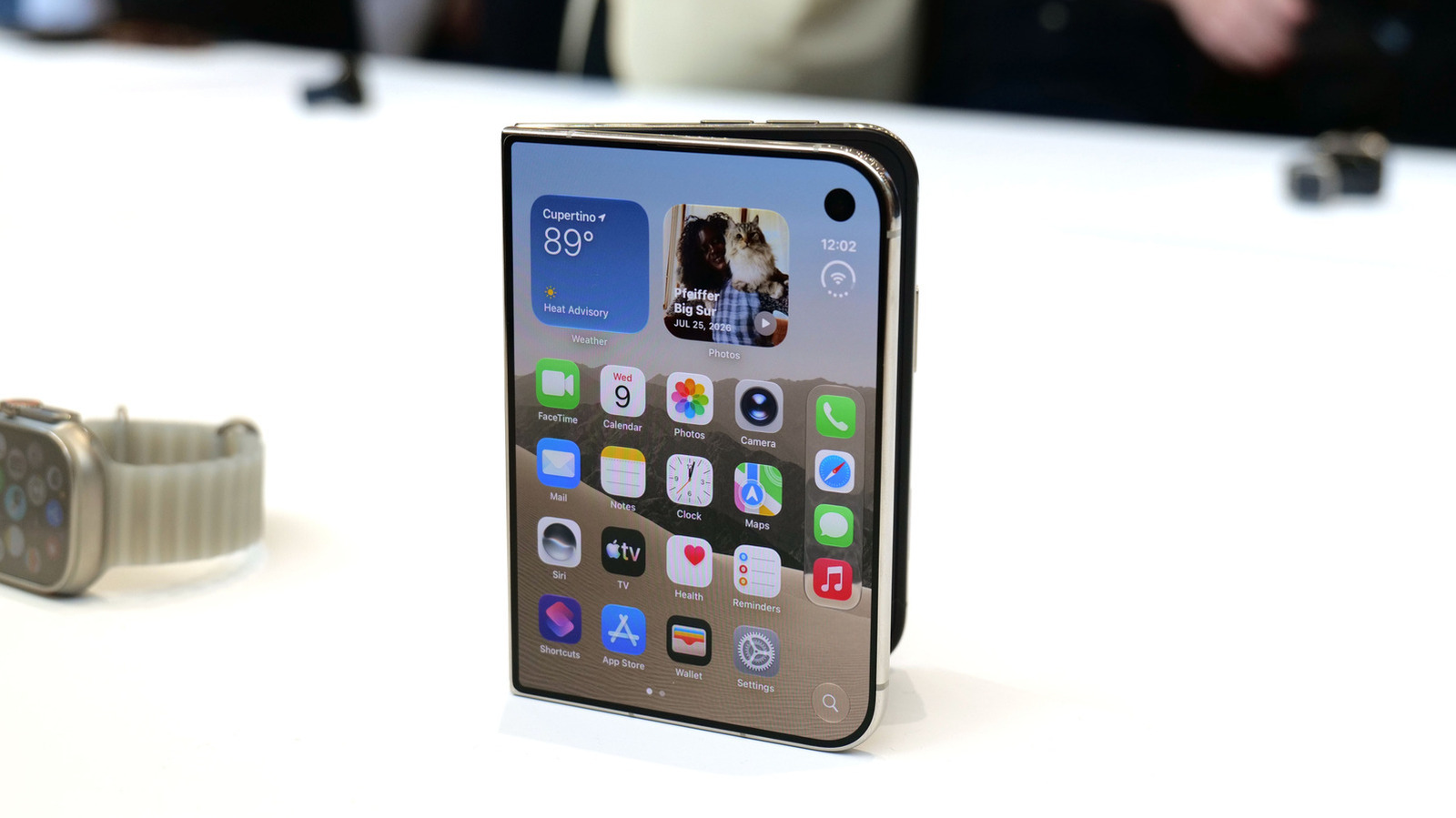
Apple's highly anticipated iPhone Duo, priced at $2,000, has gone on pre-order. While hailed as "Apple's most exciting device in a decade" for its innovative foldable design and immersive display, it comes with significant drawbacks like the absence of FaceID and a premium camera.
Amazon Prime Video Launches AI-Powered Prime 360 for NBA Coverage
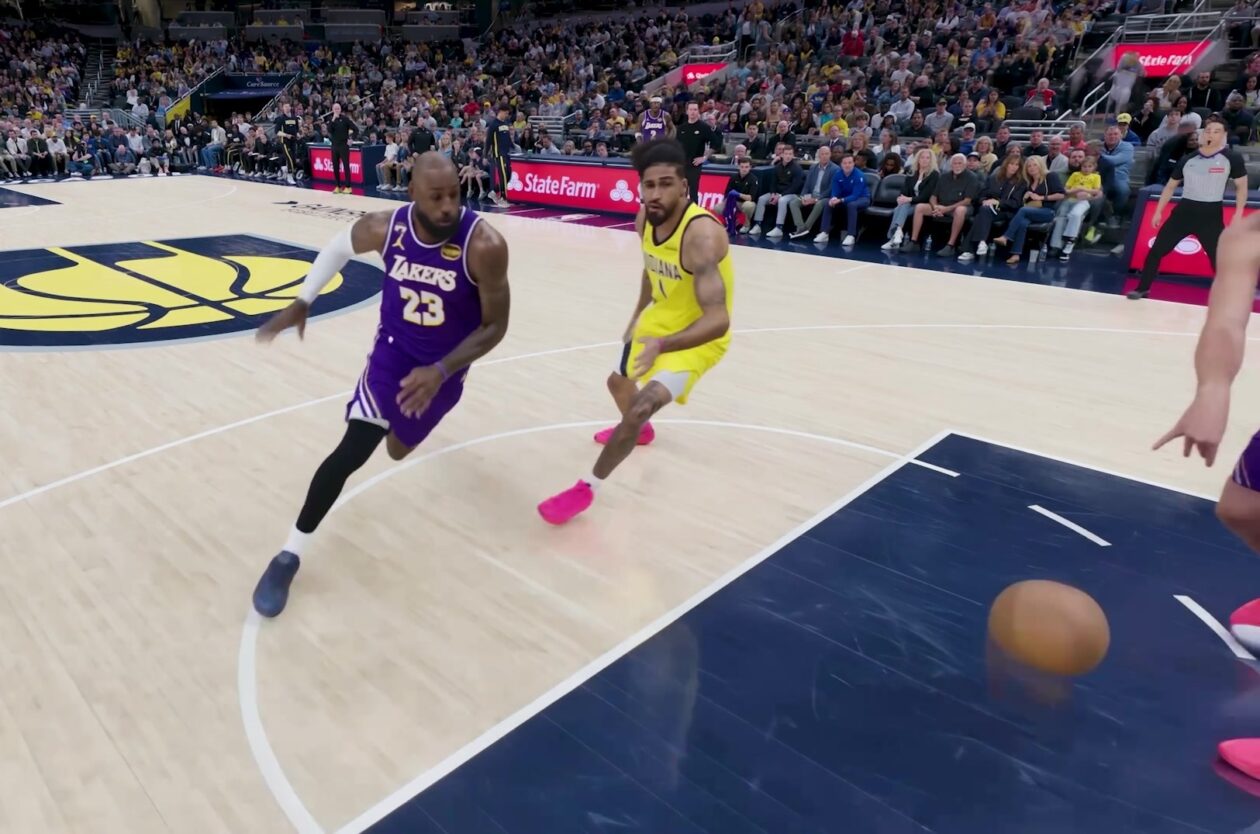
Amazon Prime Video is elevating its NBA coverage with the introduction of Prime 360, an AI-powered replay system offering immersive, 'fly through' views of the action. Kicking off its second season, Prime Video also adds Yahoo fantasy integration and gains exclusive Eastern Conference Finals rights, expanding its tech-driven sports broadcast. The new features aim to deliver a unique and interactive viewing experience for basketball fans.
KDE Plasma 6.8: A Future-Focused 30th Anniversary Update
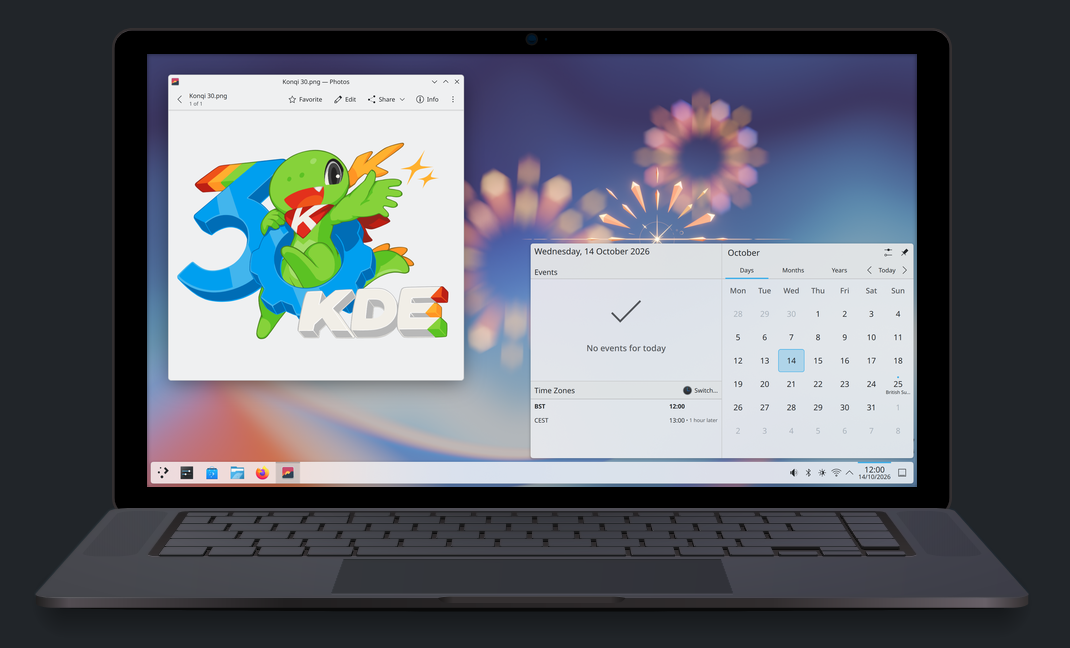
Quick Verdict KDE Plasma 6.8, arriving as the "30th Anniversary Edition," is a pivotal release that decisively pushes the desktop environment into the future. With a definitive farewell to native X11 sessions and a