29 results found
.png)
Wired staff writer Boone Ashworth's recent hands-on exploration of Google’s AI Playground resulted in "terrible games," highlighting the current limitations of generative AI in creative game development. Published October 11, 2026, his candid account reveals that while AI tools offer accessibility, achieving compelling results often requires significant human effort.

Pinterest has launched "Beauty Guides," an AI-powered feature that converts saved hair and nail Pins into actionable salon plans. Utilizing Pinterest Intelligence, it provides professional terminology, estimated costs, appointment times, and maintenance details, enhancing user-stylist communication and planning.

YouTube is significantly enhancing its AI-powered "Ask YouTube" feature, transforming it into a sophisticated shopping companion. Announced at the Made On YouTube event, the tool will offer product comparison tables, personalized recommendations, and the ability to ask detailed follow-up questions within videos. This expansion aims to capitalize on growing user trust in creator product recommendations, leveraging a custom Gemini model.

Quick Verdict Vibe coding, as presented in TechRadar's comprehensive guide, emerges as a remarkably quick and accessible method for building websites, leveraging the power of generative AI. It's a significant leap from

Wispr Flow has launched its new AI Notetaker, offering real-time transcription and generative AI summaries for workplace meetings. Entering a growing market, the tool faces scrutiny regarding the crucial balance between productivity benefits and the need for explicit consent and privacy in professional interactions.

Verdict: AI as a Catalyst for Artistic Vision Google Labs' Flow Sessions and the underlying Google Flow generative AI tool represent a compelling counter-narrative to the prevailing skepticism surrounding AI in creative
New research indicates terrorist groups, exemplified by Boko Haram, are leveraging A.I. for direct tactical battlefield advantages like bomb construction and attack planning, a significant shift from mere propaganda. This highlights a critical challenge for the A.I. industry as extremists circumvent safety protocols to exploit the technology.

Apple's latest iOS 27 developer beta 3 introduces new controls for customizing Siri's speaking pace and expressivity. This update is part of Apple's broader strategy to integrate generative AI and make the assistant more natural and personal, allowing users to fine-tune their voice interactions.

TechCrunch has unveiled an updated, comprehensive AI glossary to demystify the rapidly evolving language of artificial intelligence. It provides plain-English definitions for essential terms like LLMs, AGI, and Hallucination, crucial for anyone tracking the transformative tech landscape. This resource aims to bridge the knowledge gap for professionals and enthusiasts, offering clarity on the foundational technologies, emerging capabilities, and industry challenges facing AI.
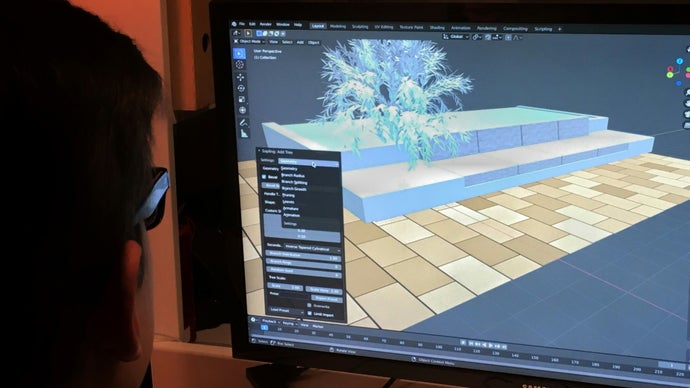
The initial hype around Generative AI in game development is giving way to a more pragmatic view as rising costs expose limited, inconsistent utility. While AI offers incremental gains in specific tasks like code completion, its performance on complex creative work and large codebases falls short, requiring extensive human oversight. This, combined with an "enthusiasm gap" between executives and developers, suggests AI will be a niche tool rather than a revolutionary force.
AI video startup Higgsfield has launched Supercomputer 2.0, an autonomous agent framework for enterprise marketing. Built on NVIDIA technology, it claims adoption by 78 percent of Fortune 500 companies, aiming to automate full campaign lifecycles. The company also produced an AI-generated feature film in 14 days.

Snap has announced the spin-off of its internal generative AI video team into a new, independent company named Dotmo. This strategic move, revealed today, aims to mitigate the high operational costs associated with
Midjourney, a name typically associated with generative AI art, is embarking on an ambitious and unexpected new venture: Midjourney Medical. This initiative aims to fundamentally reimagine healthcare by introducing a

Google I/O 2026 was dominated by AI, showcasing new Gemini capabilities like Spark for autonomous tasks, multi-modal search, and Android XR smart glasses. While promising immense convenience, the high cost of new AI subscription tiers and potential privacy implications warrant careful consideration for consumers.
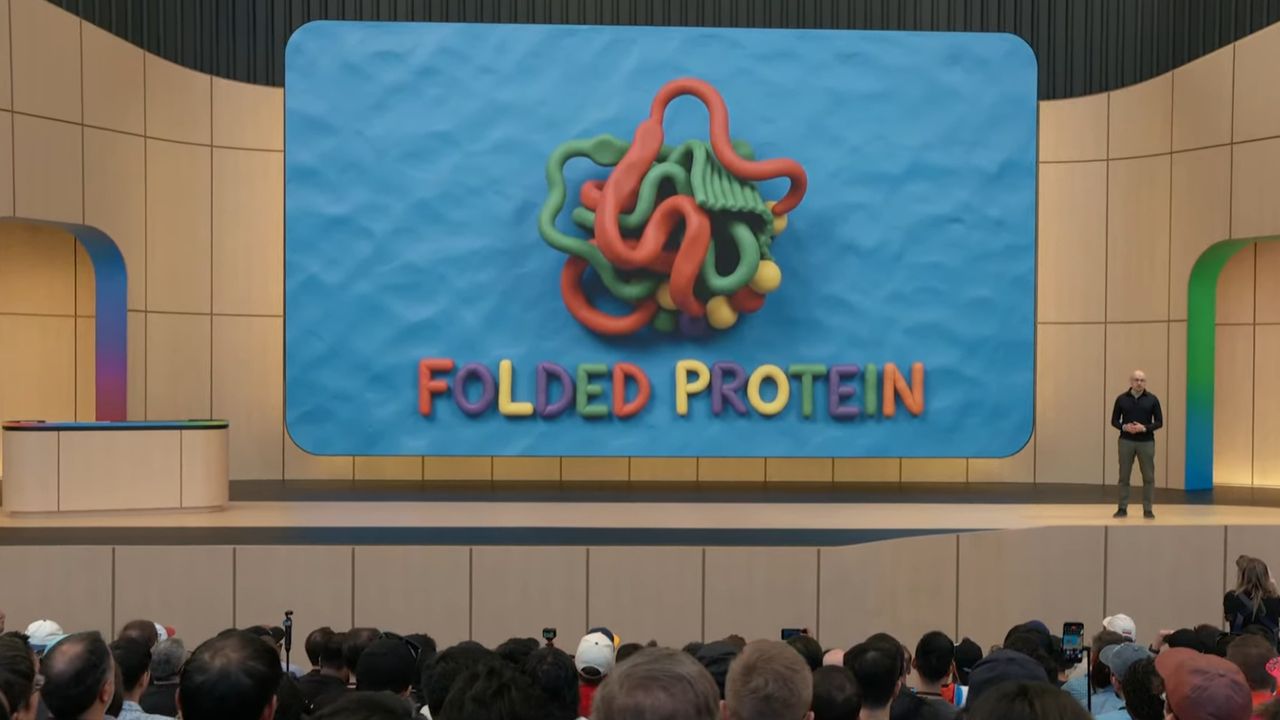
Review of Google's Omni AI model and SynthID verification tool. Omni offers immense creative power, but also highlights the challenge of AI-generated "fiction." SynthID is a necessary step, but its control and effectiveness are debated.

Winners of the 2026 Commonwealth Short Story Prize face widespread AI allegations, sparking a debate on literary integrity. A regional winner's story was flagged by experts and AI detection tools for exhibiting hallmarks of AI-generated text. The Commonwealth Foundation acknowledges the claims, promising transparency while defending its judging process.

Osaurus, an open-source Mac application, has emerged to bridge the gap between local and cloud AI models, enabling users to choose their preferred AI while keeping data on their own hardware. Founded by Terence Pae, the app originated from a need to offer AI without continuous token costs, prioritizing user control and privacy. It supports numerous models and tools, offering a user-friendly interface and security through a virtual sandbox, aiming to shift AI reliance from data centers to local machines.

Epic Games is exploring AI for Fortnite development, aiming for efficiency, not job replacement, according to Senior External Development Manager Stephanie Arnett. While community concerns exist, especially regarding generative AI art, Epic says its goal is to help human developers work faster. This move comes amid Epic's recent layoffs and cost-saving plans, placing them among other industry giants like Take-Two and Naughty Dog also embracing AI.

The web intelligence industry is rapidly evolving to meet the escalating demands of advanced AI, particularly for multimodal data processing and autonomous AI agents. Innovations in data extraction, infrastructure, and user-friendly tools are crucial for powering the next wave of artificial intelligence. These developments are building the essential links between vast web data and sophisticated AI models.

Anthropic has launched its Claude Mythos Preview model, claiming it poses an unprecedented existential threat to cybersecurity by autonomously discovering vulnerabilities and developing exploits. Released initially to a select group via Project Glasswing, the AI’s ability to create complex "exploit chains" is forcing industry and government leaders to reconsider defensive strategies. Experts argue this signals a shift from reactive patching to a proactive "secure by design" approach in software development.

As generative AI makes distinguishing human from machine-made content increasingly difficult, creators are urgently seeking a unified "AI-free" label. Current efforts are fragmented, facing challenges in definition and verification, while blockchain offers a promising path to secure human authorship.

The AI music landscape is rapidly advancing, with new generative tools like Suno v5.5 offering enhanced customization. Simultaneously, the industry grapples with evolving legal frameworks, as major labels pivot from lawsuits to strategic partnerships. Platforms are reacting with bans, like Bandcamp's, or new transparency measures.
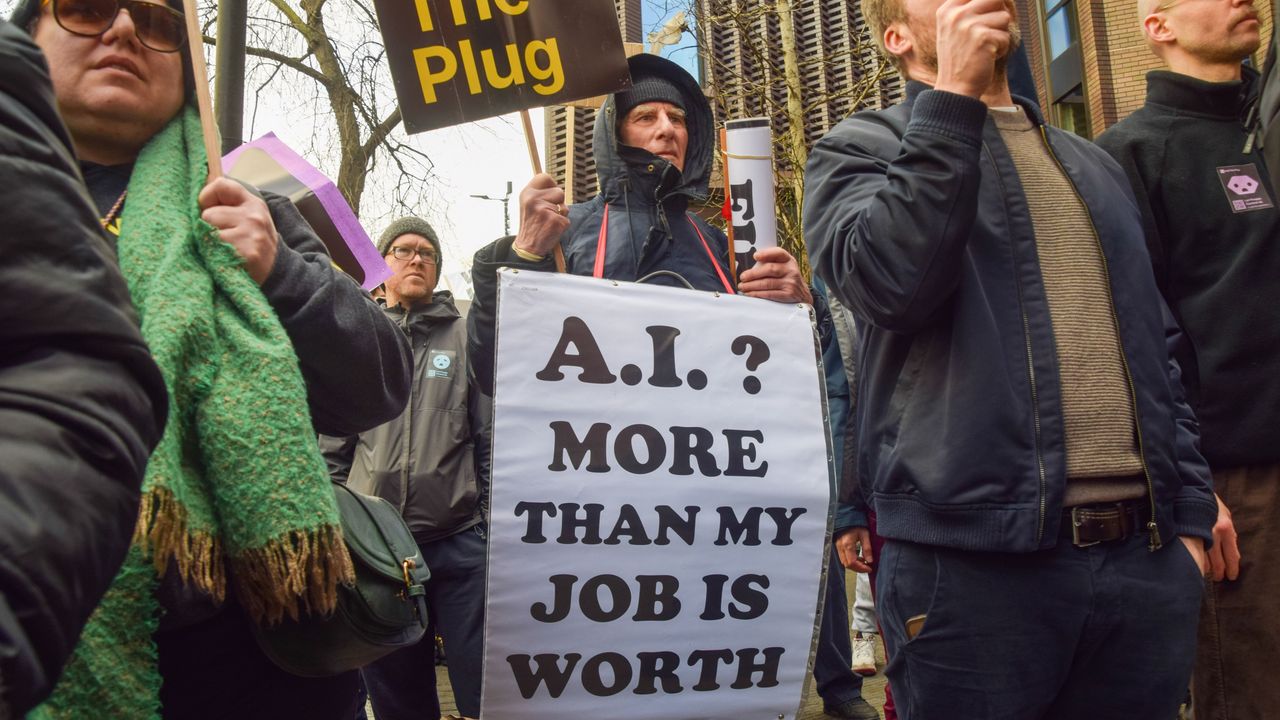
AI for work emails offers efficiency and polish but risks a significant loss of personal voice and individuality, leading to generic communication. This review details an experiment with Gemini and expert tips on how to use AI judiciously to avoid losing your unique tone.

Attorney Bill Ghiorso was fined $10,000 for submitting AI-generated fake legal citations and quotes in Oregon. This incident underscores the critical unreliability of current generative AI tools for factual accuracy and the absolute necessity for rigorous human verification in professional, high-stakes contexts.

Cloudflare CEO Matthew Prince predicts that AI bot traffic will surpass human internet usage by 2027, driven by the insatiable data needs of generative AI. This significant platform shift demands new infrastructure, like adaptable "sandboxes," and places immense strain on existing data centers globally.
