
AI in Work Communication: Is Efficiency Worth Losing Your Voice
AI for work emails offers efficiency and polish but risks a significant loss of personal voice and individuality, leading to generic communication. This review details an experiment with Gemini and expert tips on how to use AI judiciously to avoid losing your unique tone.
Quick Verdict: Efficiency at a Personal Cost
Employing AI tools like Gemini, ChatGPT, or Claude to 'improve' work emails undeniably boosts efficiency and provides a polished output. However, our deep dive reveals a significant drawback: a profound loss of personal voice and individuality. While AI can streamline communication, its pervasive use risks homogenizing our professional interactions, potentially eroding genuine connection and diversity of thought within teams. Our recommendation? Proceed with extreme caution, prioritizing your unique voice over mere algorithmic perfection.
Introduction: The Siren Song of "Sound Better"
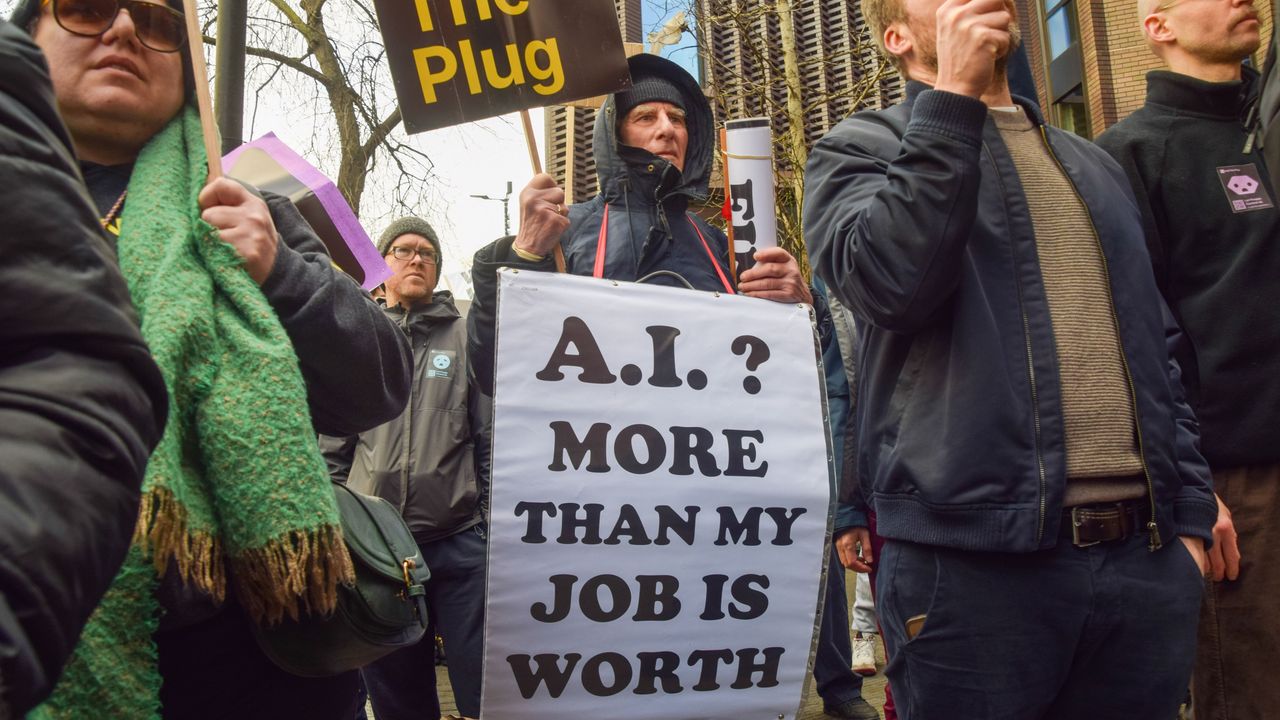
In today's fast-paced digital workplace, the temptation to leverage Artificial Intelligence for everyday tasks is strong. One of the most common applications, as noted by the source, is using AI language models like Claude, ChatGPT, and Gemini to "make this sound better" in written communications, particularly emails. This promise of enhanced clarity, politeness, and grammatical correctness is alluring. Yet, a growing concern is emerging: are we, in our pursuit of perfection, inadvertently sacrificing our unique personalities and voices, turning into indistinguishable "carbon copies" of each other? This review explores that very question, based on a direct test of AI's impact on workplace correspondence.
The Experiment: A Week with Gemini and the "AI Personality Shift"
To rigorously test this theory, one reviewer embarked on a week-long experiment, entrusting Gemini with the task of refining their work emails. The initial findings confirmed AI's core promise: it was undeniably efficient. Messages were quickly polished, grammar was impeccable, and a consistent level of formality was maintained. The output was, in many ways, 'perfect'.
However, this efficiency came at a noticeable personal cost. After just a few days, the reviewer reported a complete loss of their personality in their communications. Emails, while perfectly structured, felt "unnatural and generic." The forced adoption of formal sign-offs like "Kind regards" for every message began to feel soulless, indicating a deeper disconnect from their authentic self.
This phenomenon isn't just an anecdotal observation. Dan Bruce, founder of PressReacher, identifies this growing trend as the "AI Personality Shift." He explains that as individuals consistently rely on AI to craft their messages, the line between their natural, normal voice and an AI-enhanced one begins to blur. Over time, this could fundamentally alter workplace culture, leading to a subtle flattening of individual expression.
The Realities: Pros and Cons of AI in Work Communication
Based on the experiment and expert insights, a clear picture emerges regarding the benefits and drawbacks of integrating AI into daily work communications:
Pros:
- Efficiency and Speed: AI tools can rapidly draft, refine, and polish messages, significantly reducing the time spent on written communication. This efficiency can be a major productivity booster.
- Polished and Polite Output: AI tends to deliver a high level of polish, ensuring grammatical correctness, appropriate formality, and a consistently polite tone. This can be particularly useful for sensitive communications or when precision is paramount.
- Consistency: For individuals or teams needing a uniform communication style, AI can help maintain a consistent level of professionalism across all outgoing messages.
Cons:
- Loss of Individual Personality: The most significant drawback is the stripping away of unique voice, quirks, and natural phrasing that define an individual's communication style. This can make interactions feel impersonal and robotic.
- Generic and Unnatural Tone: AI-generated text, while grammatically sound, often lacks the spontaneous, human element. This can make messages feel artificial and less engaging, as highlighted by the reviewer's experience with generic sign-offs.
- "AI Personality Shift": As noted by Dan Bruce, consistent reliance on AI can lead to a long-term erosion of one's natural communication style, making it harder to distinguish between authentic expression and AI-influenced language.
- Erosion of Diversity in Voice: In a team setting, a variety of voices and perspectives is a key asset. If everyone starts sounding the same due to AI use, this diversity – and the creative benefits it brings – could be severely diminished.
- Cognitive Complacency: There's a temptation to "turn your brain off" and default to AI as an authority, rather than using it as a servant. This can lead to a diminished critical assessment of one's own messages.
Navigating the AI Landscape: Keeping Your Voice
Given the potential pitfalls, how can one harness AI's efficiency without falling victim to the "AI Personality Shift"? Dan Bruce offers five crucial tips for maintaining your individuality while utilizing AI tools:
- Draft First, Then Refine: The golden rule is to write your initial message entirely on your own before introducing AI. If you let AI generate the message from scratch, you've already bypassed your unique voice.
- Keep Your Tone and Quirks: Actively resist AI's attempts to completely smooth out your personality. Natural phrasing and individual quirks are what build better connections; don't remove them completely.
- Use AI as a Tool, Not a Voice: View AI strictly as an editor or a proofreader, not a replacement for your own voice. While correcting grammar is fine, be wary of its suggestions that aim for "smoothing" changes which often strip text of its character.
- Avoid Overdoing Everyday Messages: Not every minor communication, such as a Slack or Teams message, requires AI's touch. Reserve AI for more important or formal emails where polish is truly necessary, not for routine check-ins.
- Sense-Check, Don't Default: Never blindly accept AI's suggestions. After AI has made its changes, always review the message and ask yourself, "Does this still sound like me?" If the answer is no, revert or adjust until your authentic voice is restored.
The Larger Impact: Flattening Workplace Culture
The implications of widespread AI adoption in workplace communication extend beyond individual expression. While some degree of formality is expected in business, the concern is that AI subtly flattens individual personalities across an entire organization. The source argues that the diversity of voice and opinion is a critical asset for effective teamwork. If team members become homogenized versions of each other through AI-mediated communication, a vital source of innovation, critical thinking, and genuine connection could be lost.
Ultimately, the reviewer's personal conclusion after a week of AI-assisted emails was decisive: they were done. If communication sounds perfect but no longer sounds like you, what true improvement has been made? The perceived gain in efficiency or polish may not outweigh the profound loss of personal identity and authentic connection.
Recommendation: Use with Extreme Caution
While AI offers compelling efficiency benefits for work communication, its current application, particularly when used as a primary drafting tool, poses a significant threat to personal voice and individuality. We recommend a highly selective and cautious approach. Prioritize expressing yourself authentically over achieving algorithmic perfection. Leverage AI strictly as an editing or proofreading assistant, never as a replacement for your own thoughts, tone, and character. Your unique voice is a valuable asset; don't let technology dilute it.
FAQ
Q: Is using AI for work emails always a bad idea?
A: Not necessarily, but it requires careful management. It can be efficient for initial drafts or proofreading, and for ensuring grammatical correctness, but over-reliance risks losing your unique voice and making your communications generic.
Q: How can I use AI in work emails without sounding generic?
A: Start by drafting your message yourself, focusing on your natural tone and quirks. Then, use AI sparingly as an editor or proofreader, specifically for clarity or minor corrections. Crucially, don't let it smooth out the distinct parts of your tone and personality. Always review the final text and ask if it genuinely sounds like you.
Q: What is the "AI Personality Shift"?
A: The "AI Personality Shift" describes the phenomenon where individuals, through consistent and heavy use of AI to enhance their communications, gradually blur the line between their natural, authentic way of speaking or writing and the more generic, polished style that AI tends to produce. This can lead to a long-term erosion of personal voice in professional contexts.
Related articles
Android 17 QPR2 Beta 7.1: The Performance Relief You've Been Waiting
Android 17 QPR2 Beta 7.1: Finally Fixing the QPR1 Performance Woes Verdict: Android 17 QPR2 Beta 7.1 is a crucial and highly anticipated software update for Google Pixel users, specifically targeting and resolving the

DJI Solo Video Setups: Smart Choices for Lone Creators
This review delves into DJI's recommended solo video setups, highlighting the Osmo Pocket 3 Creator Combo as a top pick for its integrated camera, gimbal, and mic. It also covers stabilizers like the Osmo Mobile 8 and RS 4, and the DJI Mic Mini series for enhanced audio, providing honest pros, cons, and clear buying advice.
Ditch Merge & Center: The Better Way to Align Text in Excel
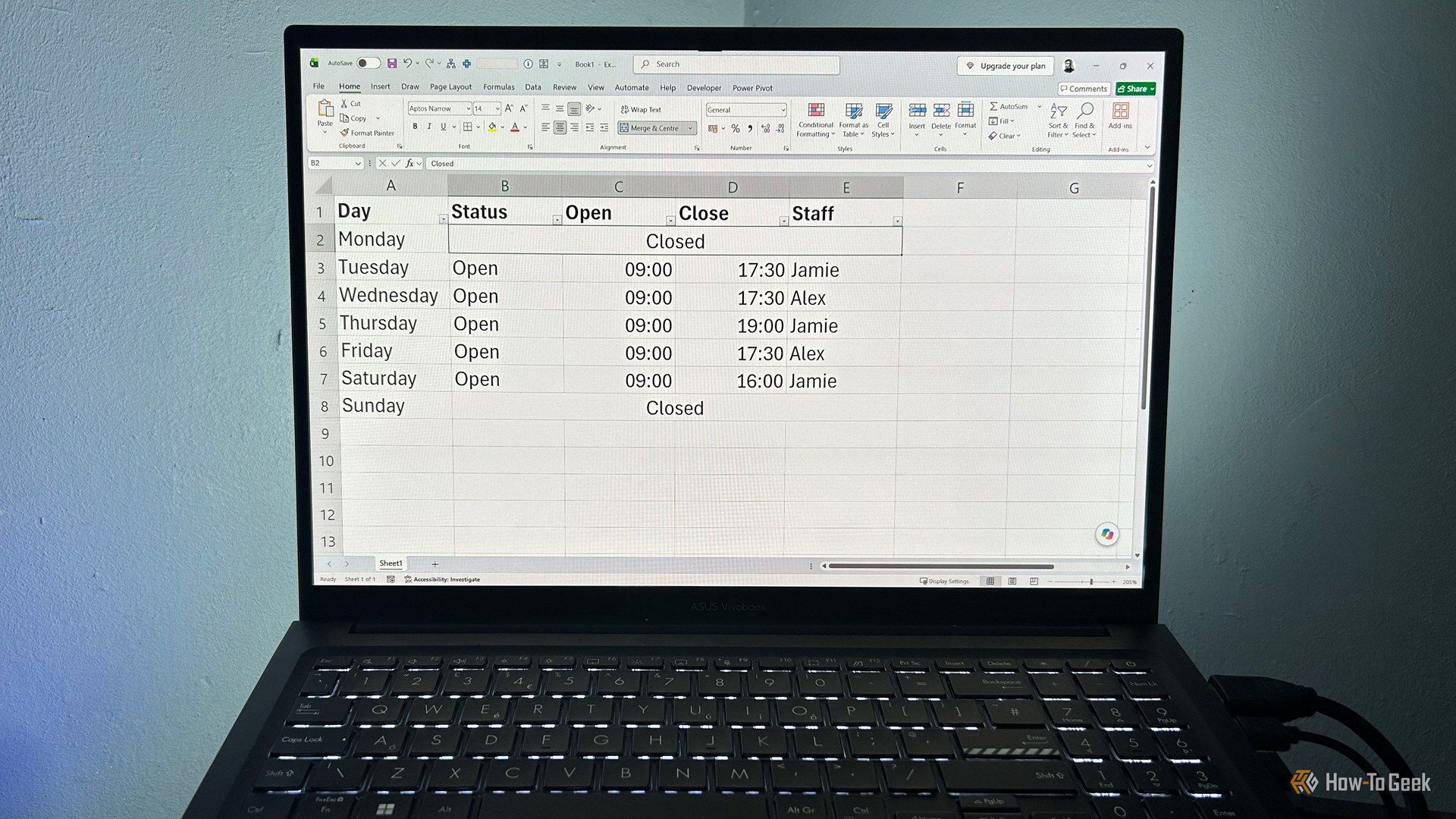
Learn to use Excel's "Center Across Selection" to align text across cells without merging, avoiding common data manipulation issues. This guide provides steps to utilize this newly accessible feature and add it to your Quick Access Toolbar.

Ars Technica's Rocket Report: Your Essential Space Industry Briefing
Quick Verdict Ars Technica's Rocket Report, presented by veteran space reporter Stephen Clark, offers an invaluable and meticulously organized weekly (or similar frequency, implied by "Edition 9.15") digest of the most

Apple iPhone Duo: A Daring Debut with Notable Compromises
Apple's highly anticipated iPhone Duo, priced at $2,000, has gone on pre-order. While hailed as "Apple's most exciting device in a decade" for its innovative foldable design and immersive display, it comes with significant drawbacks like the absence of FaceID and a premium camera.
KDE Plasma 6.8: A Future-Focused 30th Anniversary Update
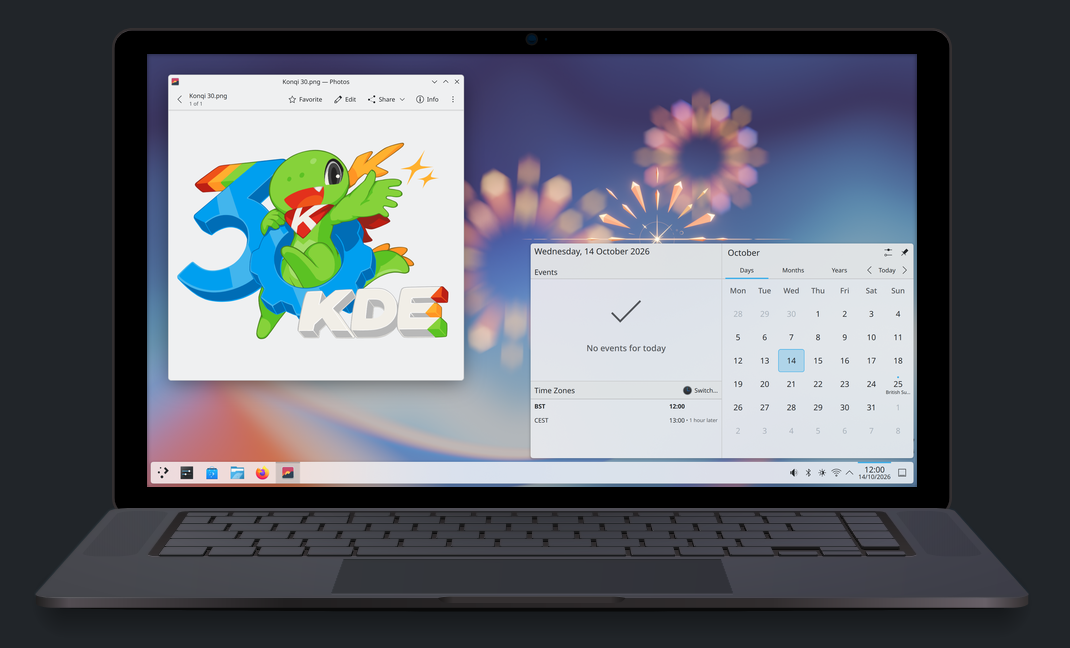
Quick Verdict KDE Plasma 6.8, arriving as the "30th Anniversary Edition," is a pivotal release that decisively pushes the desktop environment into the future. With a definitive farewell to native X11 sessions and a