
Google Flow Sessions & Flow: Elevating AI Filmmaking Beyond 'Slop
Verdict: AI as a Catalyst for Artistic Vision Google Labs' Flow Sessions and the underlying Google Flow generative AI tool represent a compelling counter-narrative to the prevailing skepticism surrounding AI in creative

Verdict: AI as a Catalyst for Artistic Vision
Google Labs' Flow Sessions and the underlying Google Flow generative AI tool represent a compelling counter-narrative to the prevailing skepticism surrounding AI in creative arts. Far from the 'slop' often associated with AI-generated content, the exclusive showcase of 11 short films demonstrates that when placed in the hands of dedicated artists, AI can act as a powerful assistant, lowering barriers to entry for complex filmmaking and expanding creative possibilities. This isn't about replacing human creativity, but augmenting it, proving that AI-enhanced filmmaking can be deeply emotional, personal, and innovative.
What is Google Flow and Flow Sessions?
At its core, Google Flow is a generative AI media creation tool, conceptualized as a collaborative canvas for artists. Its purpose is to bring artistic visions to life, serving as a conduit for expression rather than a substitute for human storytelling. Google Flow Sessions is a six-week residency program curated by Google Labs. It brings together artists from diverse backgrounds – including fine art and commercial agencies – to develop personal projects using the Google Flow tool. The program's mission, as articulated by Brianna Doyle, head of community at Google Labs, is to bridge the gap between AI developers and the artists who utilize these tools, fostering a collaborative evolution of the technology.
Initially, Flow began as a video-focused system. However, feedback from artists indicated they spent more time on images and storyboards. In response, Google Flow evolved to incorporate robust image generation capabilities and an intuitive organizational interface, complete with folders and labels, to streamline the transition from concept to production. This adaptability highlights a user-centric development approach, prioritizing the artists' actual workflows.
User Experience: Empowering Human Storytellers
The experience of the resident artists with Google Flow paints a picture of empowerment and efficiency. The tool is designed to 'lower the floor and raise the ceiling,' making filmmaking more accessible to newcomers while simultaneously allowing independent artists to refine and expand their projects without prohibitive budgets or large crews.
Artists like Ikenna Mokwe, with 15 years in traditional media, have integrated Flow into new, efficient workflows. Mokwe uses Gemini via voice commands to convert spontaneous ideas into structured scripts, bypassing the physical limitations of typing. He then leverages custom micro-tools within Flow to automate repetitive tasks, such as camera movements. This seamless integration allows for rapid iteration and prototyping, enabling artists to quickly visualize abstract concepts.
Perhaps the most significant aspect of the user experience is how Flow facilitates, rather than diminishes, the human element. The exhibited films are described as deeply emotional, personal, and imaginative. Dion Lee's "Two Chairs," for instance, is a poignant exploration of motherhood, using AI to stage parallel lives as an internal debate. Adam Brumley of Studio Heartfelt uses Flow to translate his poems and drawings into 3D needle-felted characters, with AI helping him fine-tune textures and lighting before he returns to physical crafting. This illustrates a symbiotic relationship where AI enhances specific aspects of the creative process, allowing artists to focus on the deeply human parts of their craft.
Pros and (Perceived) Cons
Pros:
- Enhanced Accessibility & Efficiency: Google Flow significantly lowers the barrier to entry for complex filmmaking, making sophisticated production tools available to individual artists. It streamlines workflows, cutting down on time-consuming tasks like storyboarding and visual development.
- Catalyst for Creativity: Rather than stifling creativity, the tool acts as an assistant, enabling artists to explore a multitude of possibilities quickly and realize visions that would otherwise require substantial resources and large teams.
- Preservation of Human Touch: The core philosophy of Flow Sessions emphasizes building AI with artists, ensuring the tool remains a conduit for human expression and personal authorship, not a replacement for it.
- Iterative Development: The tool's evolution, from video-focused to incorporating image generation and organizational features, demonstrates responsiveness to artist feedback, making it more practical and user-friendly.
Perceived Cons / Challenges Addressed by Flow:
The article itself doesn't highlight direct cons of the Google Flow tool or the Flow Sessions program. Instead, it positions them as a direct response to the prevalent criticisms of generative AI, particularly the notion of "AI slop."
- Overcoming the 'Slop' Perception: The very title, "Filmmaking Beyond the ‘Slop’ of Generative AI," acknowledges the negative connotations often associated with AI-generated content. The program aims to demonstrate that AI can produce meaningful, high-quality art, challenging the view that AI output is inherently "uncanny, mindless, visually assaulting."
- Addressing Traditionalist Skepticism: Figures like Guillermo Del Toro have voiced strong opposition to AI in filmmaking, fearing a dilution of authenticity. Google Flow Sessions directly confronts this skepticism by showcasing how AI can be integrated into a deeply human, artisanal process, proving that meaning and emotional depth can be retained.
No Direct Alternatives (But a Strong Contrast)
The article doesn't offer a direct comparison of Google Flow to specific competing AI filmmaking tools. Instead, the implicit comparison is between the thoughtful, emotionally rich works produced through Flow Sessions and the generic, often criticized "AI slop" prevalent online. The films presented by Google Labs stand in stark contrast to the mindless outputs that fuel the negative perception of AI art.
While other generative AI tools exist for image and video creation, Google Flow's strength, as presented, lies in its integration within a structured residency program that prioritizes artistic intent and collaborative development. This ecosystem, rather than just the raw technology, is what sets it apart from the general landscape of AI generators.
Buying Recommendation (for Artists and Industry Watchers)
For artists intrigued by the potential of AI to enhance their creative process, Google Flow Sessions (or similar initiatives that emerge) represents a vital opportunity. It's not about outsourcing creativity but about finding powerful new instruments for vision. If you're an independent filmmaker or visual artist struggling with budget or crew limitations, tools like Google Flow could be revolutionary in bringing complex ideas to fruition. Keep an eye on Google Labs Flow and similar programs as they continue to evolve, as they are actively shaping the future of media creation.
For the broader tech and film industry, Google Flow Sessions serves as a powerful demonstration. It underscores that the future of AI in creative fields lies not in autonomous generation, but in sophisticated human-AI collaboration that prioritizes narrative, emotion, and artistic intent. This initiative makes a strong case for AI as a creative partner, not a replacement.
FAQ
Q: Is Google Flow meant to replace human filmmakers?
A: No, according to Google Labs and the participating artists, Google Flow is designed as a collaborative canvas and an assistant tool. Its purpose is to empower human artists, reduce production barriers, and enhance their creative process, not to replace their roles or artistic vision.
Q: How does Google Flow address concerns about 'AI slop'?
A: Google Flow aims to move beyond the 'slop' perception by focusing on enabling artists to create deeply personal, meaningful, and refined works. The Flow Sessions program emphasizes human authorship, careful iteration, and the use of AI as an instrument to achieve artistic goals, thereby elevating the quality and intent behind AI-assisted creations.
Q: Can independent artists access Google Flow?
A: The article focuses on the Google Labs Flow Sessions residency program, which is an invite-only or application-based program for selected artists. While the specific availability of the Google Flow tool for wider public access isn't detailed, the program's success suggests a future where similar advanced, artist-centric AI tools could become more broadly accessible to independent creators.
Related articles

CNET's NYT Connections: Sports Edition Hints & Answers - Daily Puzzle
CNET's daily guide for NYT Connections: Sports Edition offers clear, spoiler-protected hints and answers, making it an efficient and reliable resource for sports puzzle enthusiasts.
Unofficial Sony Headphone PC Apps: Ditch Your Phone, Take Control
Tired of Sony's mobile app? These unofficial, open-source PC tools like Sony Device Center and SonyBridge offer desktop control over your Sony headphones' ANC, EQ, and more. A convenient, albeit unofficial, solution for Windows, Linux, and Mac users looking to ditch their phone for audio adjustments.
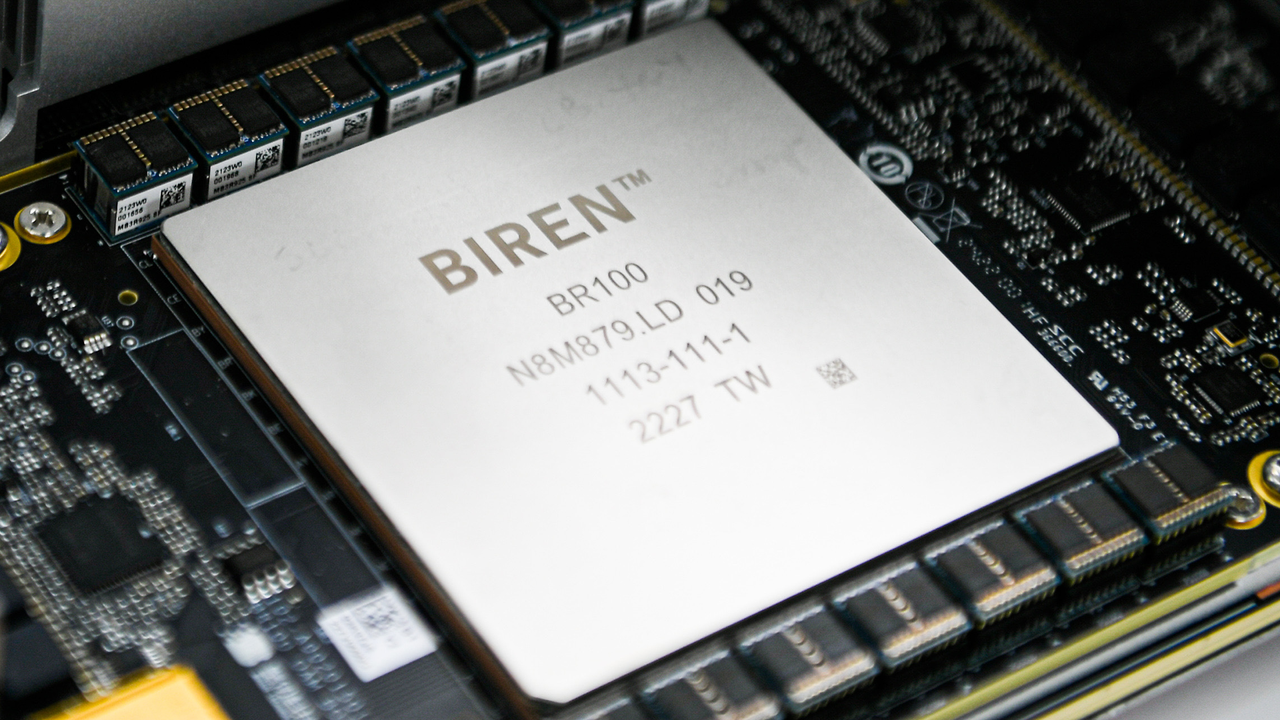
Biren AI Accelerators: Explosive Growth in a Restricted Market
Biren Technology shows explosive 2,000% revenue growth in China's AI accelerator market, benefiting from US export controls. Despite impressive gains from a small base, challenges in manufacturing and software remain.
RAM Crisis Deepens: AI Ramps Up, Severe Shortage by 2027
Analyst firm KB Securities warns of a severe RAM crisis by 2027, blaming surging AI demand. With Samsung and SK Hynix inventories critically low, consumers face higher prices and limited availability for computing components.
iPhone 18 Pro Camera Controls: A Long-Awaited Leap
Apple's iPhone 18 Pro finally introduces advanced manual camera controls like shutter speed, white balance, aperture, and a physical variable aperture. These long-awaited features, common on Android for years, empower enthusiast photographers, though casual users may stick to point-and-shoot.

Apple Watch Series 12: A Substantial Upgrade Beneath a Familiar Face
Quick Verdict The Apple Watch Series 12 presents a compelling internal overhaul while retaining its familiar aesthetic. With a powerful new S11 chip, reengineered health sensors, and groundbreaking AI capabilities like