
AI Allegations Rock Literary Prize Winners: A New Normal
Winners of the 2026 Commonwealth Short Story Prize face widespread AI allegations, sparking a debate on literary integrity. A regional winner's story was flagged by experts and AI detection tools for exhibiting hallmarks of AI-generated text. The Commonwealth Foundation acknowledges the claims, promising transparency while defending its judging process.

Winners of the prestigious Commonwealth Short Story Prize for 2026 are currently embroiled in controversy, facing widespread accusations of utilizing generative artificial intelligence to craft their award-winning fiction. This unprecedented situation has sparked significant debate within the literary community, prompting questions about the integrity of literary awards and the evolving landscape of creative authorship.
The allegations emerged shortly after the top five regional winning stories were published online by the respected UK literary magazine Granta on May 12. What began as celebration quickly turned into harsh scrutiny, with numerous readers and fellow writers expressing dismay that the prize jury may have overlooked clear indicators of inauthentic writing.
Unraveling the Controversy
The Commonwealth Foundation, a London-based nongovernmental organization, annually awards its short story prize to one writer from each of five regions: Africa, Asia, Canada and Europe, the Caribbean, and the Pacific. An overall winner is subsequently chosen from this shortlist. Regional winners receive £2,500 (approximately $3,350), while the ultimate victor, to be announced next month, claims £5,000 (around $6,700).
Suspicion particularly coalesced around “The Serpent in the Grove” by Jamir Nazir of Trinidad and Tobago, the acclaimed winner for the Caribbean region. Within days of its publication, the story was flagged by several observers for exhibiting stylistic hallmarks commonly associated with AI-generated text.
Signs of Artificial Authorship
Nabeel S. Qureshi, a researcher and entrepreneur with a background in AI, publicly highlighted his concerns. In a post on X, Qureshi described Nazir’s story as a “major milestone for AI,” pointing to recurring phrases like “Not X, not Y, but Z” sentences and the “hums” trope as explicit markers of AI writing.
He specifically cited the second line of Nazir’s opening, “Not the bees’ neat industry or the clean rasp of cutlass on vine, but a belly sound—as if the earth swallows a shout and holds it there,” as a signature example of AI syntax. As more literary professionals reviewed the story, many criticized its language and metaphors as disjointed and nonsensical, questioning how the judges had found merit in the submission.
Further compounding the issue, the AI-detection tool Pangram flagged “The Serpent in the Grove” as 100 percent AI-generated. This finding was independently verified by WIRED. While no AI detection software is infallible, Pangram has consistently demonstrated high accuracy with a near-zero rate of false positives in third-party analyses.
Attempts to contact Jamir Nazir via an email address on his Facebook page were unsuccessful. Notably, posts on that Facebook account and a LinkedIn profile bearing the same name in Trinidad and Tobago also registered as AI-generated by Pangram. While initial speculation suggested Nazir might be an entirely AI-created persona, a 2018 article in the Trinidad and Tobago edition of The Guardian, featuring a photograph of Nazir holding his self-published poetry collection, confirms his real-world existence.
Official Responses and Industry Impact
Both Granta and the Commonwealth Foundation were contacted for comment regarding Nazir’s story. While Granta did not issue a direct statement, Razmi Farook, director-general of the Commonwealth Foundation, released a public statement on the organization’s website.
Farook acknowledged awareness of the “allegations and discussion regarding generative AI and our Short Story Prize,” stating, “We take these claims seriously and are committed to responding to them with care and transparency.” He also defended the prize’s judging process as “robust,” emphasizing that it involves multiple rounds of readers and top-level judges selected for their expertise.
The Broader Implications
This incident underscores a burgeoning challenge for the creative arts: discerning authentic human creativity from sophisticated AI output. As generative AI becomes increasingly capable, literary institutions face the urgent task of adapting their vetting processes and potentially developing new guidelines to maintain trust and uphold the value of human artistry.
The widespread nature of these allegations, affecting a prestigious international award, signals a significant turning point, suggesting that the integration and detection of AI in creative works may indeed become the “new normal” for the literary world and beyond.
FAQ
Q: What is the Commonwealth Short Story Prize?
A: The Commonwealth Short Story Prize is an annual literary award administered by the Commonwealth Foundation. It recognizes outstanding short fiction from writers across five global regions, culminating in an overall winner chosen from the regional victors.
Q: How were the AI allegations identified in the winning stories?
A: The allegations arose from various sources, including readers and AI researchers who identified specific stylistic patterns, unusual language, and repetitive tropes commonly found in AI-generated text. Additionally, AI detection software, such as Pangram, flagged one of the winning stories as 100% AI-generated.
Q: What has been the response from the Commonwealth Foundation regarding these claims?
A: The Commonwealth Foundation has stated that it is aware of the allegations and is taking them seriously. The organization has committed to responding with care and transparency, while also affirming that its judging process for the prize is robust and conducted by expert judges.
Related articles

Ars Technica's Rocket Report: Your Essential Space Industry Briefing
Quick Verdict Ars Technica's Rocket Report, presented by veteran space reporter Stephen Clark, offers an invaluable and meticulously organized weekly (or similar frequency, implied by "Edition 9.15") digest of the most

Tesla Unveils Thruster-Equipped Roadster, 2028 Production Targeted
Tesla has unveiled its second-generation Roadster, featuring cold-gas thrusters co-developed with SpaceX, enabling it to jump and flip. The electric sports car demonstrated 0-60mph in an astonishing 0.81 seconds, with production targeted for 2028. This highly anticipated reveal also serves as a key recruitment tool for Tesla's ambitious AI and robotics initiatives.

Amazon Prime Video Launches AI-Powered Prime 360 for NBA Coverage
Amazon Prime Video is elevating its NBA coverage with the introduction of Prime 360, an AI-powered replay system offering immersive, 'fly through' views of the action. Kicking off its second season, Prime Video also adds Yahoo fantasy integration and gains exclusive Eastern Conference Finals rights, expanding its tech-driven sports broadcast. The new features aim to deliver a unique and interactive viewing experience for basketball fans.
regional: A two-person Seattle startup lands $1M to reinvent
Seattle startup TriMagnetix has secured $1 million to develop semiconductor chips that consume 800 times less energy and are radiation-resistant. The two-person company, leveraging nanomagnetic technology, is targeting space applications and data centers. With new funding and key partnerships, TriMagnetix aims for commercial sales within a year.
%20102026%20top%20art%20SOURCE%20Govee.jpg)
in-depth: The Best Permanent Outdoor Lights (2026): Govee, Eufy
WIRED, a leading voice in technology journalism, has just released its updated guide for 2026 on the best permanent outdoor lights, spotlighting top contenders Govee, Eufy, and Cync. These innovative eave lights are
regional: ‘What is fusion?’ Helion Energy harnesses the power of
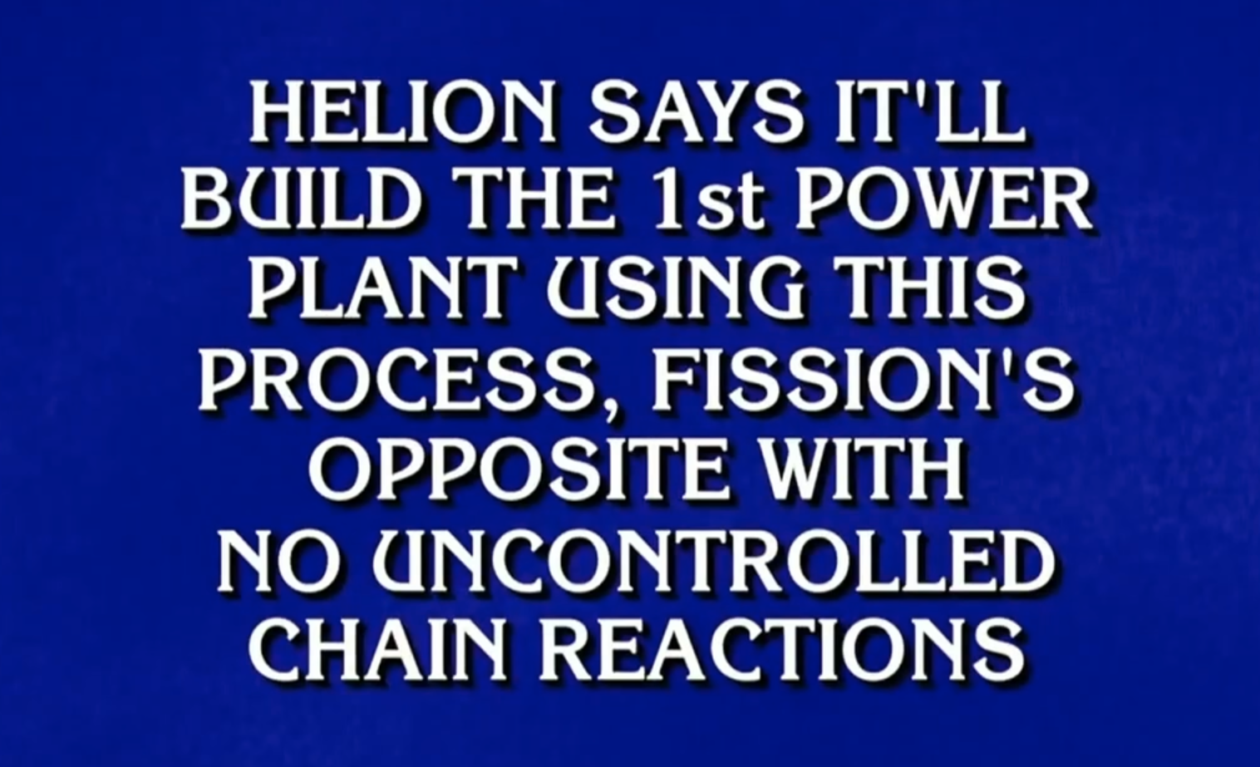
Helion Energy, the Everett-based fusion startup, gained mainstream attention this week after being featured as a clue on the popular game show "Jeopardy!". The $800 clue, part of a "Y Combinator" category, highlighted Helion's mission to build the first fusion power plant, bringing the concept of clean energy to a wider audience. CEO David Kirtley celebrated the "surreal" moment as a sign that reliable clean power is becoming more accessible.