
Google I/O 2026: An AI-Driven Future (Mostly) Unveiled
Google I/O 2026 was dominated by AI, showcasing new Gemini capabilities like Spark for autonomous tasks, multi-modal search, and Android XR smart glasses. While promising immense convenience, the high cost of new AI subscription tiers and potential privacy implications warrant careful consideration for consumers.
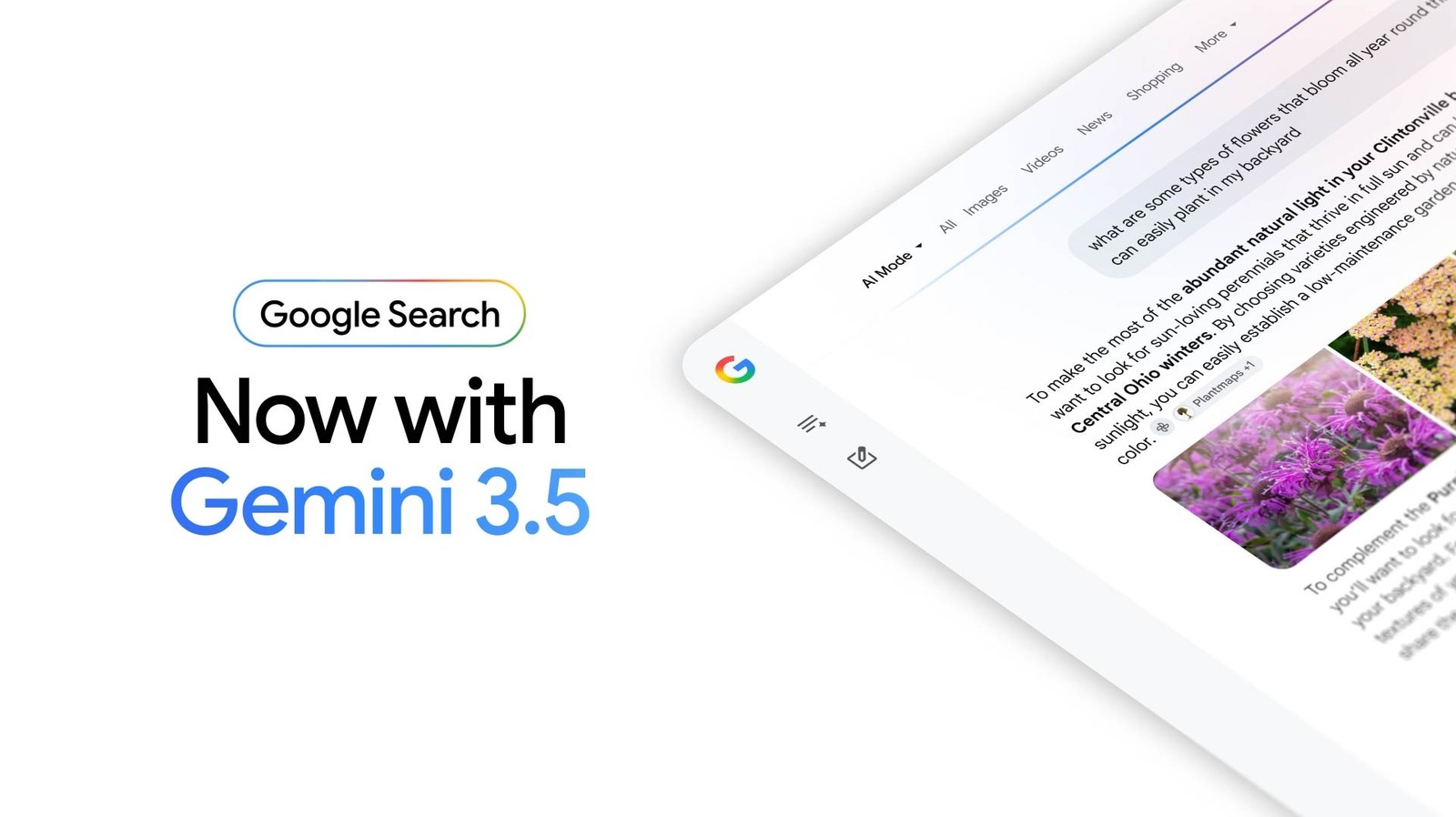
Google I/O 2026, as predicted, was an overwhelming deep dive into the company's AI-first future. From smarter search capabilities to autonomous digital assistants and ambitious new hardware, Google made it abundantly clear that Gemini, in all its iterations, is set to become the central nervous system of its entire ecosystem. While the promises of enhanced productivity and seamless integration are tantalizing, the announcements also raise valid questions about pricing, privacy, and the sheer saturation of AI in our daily lives.
Key Announcements and Features
Google's primary message revolved around embedding AI into every corner of its offerings, making interactions more intuitive and proactive. The standout announcements include:
The Intelligent, AI-Powered Search Box: Google is rolling out an upgraded search experience globally. Beyond simple autocompletion, this new search box leverages AI to anticipate user intent, helping to formulate questions more effectively. Crucially, it expands input capabilities to include images, video files, and entire Chrome tabs, allowing for more contextual and comprehensive queries. The familiar AI Mode, now powered by the faster Gemini 3.5 Flash, will still exist for follow-up questions and refinements.
Gemini Spark: The Autonomous Assistant: Perhaps one of the most ambitious revelations was Gemini Spark. This cloud-based digital assistant is designed to autonomously manage various tasks, from monitoring credit card statements for hidden subscriptions and tracking school email updates to consolidating notes into Google Docs. It boasts the ability to interact with third-party applications like OpenTable and Instacart to complete real-world tasks, with the assurance that it will seek user confirmation before finalizing purchases or sending emails. This move signals Google's intent to move beyond reactive assistance to truly proactive, self-executing AI.
Android XR Smart Glasses: Glimpses of future hardware were also shared, with Google and Samsung teasing a collaboration with Gentle Monster and Warby Parker. They offered a first look at two models of Android XR smart glasses, promising features such as direct chat with Gemini, real-time audio translation in the speaker's voice, instant translation of real-world text, and on-the-go photo capture. This indicates a strong push into augmented reality, aiming for a more integrated digital overlay on our physical world.
Expanded AI Subscription Tiers: With the proliferation of advanced AI features, Google has adjusted its subscription model. A new mid-range 'AI Ultra Plan' has been introduced at a steep $100 per month, offering five times higher usage limits than the standard $20 Pro plan. This tier also includes priority access to Google's Antigravity coding tool and a substantial 20TB of cloud storage. The top-tier Ultra plan, now priced at $250 (down from an original $250, implying some restructuring or value addition), provides 20 times higher usage limits and exclusive access to Project Genie, an experimental research preview for building interactive 3D worlds using Google Street View imagery.
Gemini Omni: Multi-Modal Generation: Google introduced Gemini Omni, its new generative AI model capable of creating "anything from any input." Starting with video, Gemini Omni Flash is rolling out to the Gemini app, Google Flow, and YouTube Shorts. It allows users to combine images, audio, video, and text inputs to generate high-quality videos that are grounded in Gemini's real-world knowledge. A key advancement here is Omni's improved understanding of physical forces like gravity, kinetic energy, and fluid dynamics, which should lead to more realistic and believable generated scenes.
Spotify's AI Integration: Moving beyond Google's direct announcements, Spotify revealed further AI integration for podcasts and audiobooks. Expanding on a feature enabling users to generate 'personal podcasts,' the company is adding an option to create these directly within Spotify. By entering a prompt, the AI will generate audio drawing on a user's taste profile and world knowledge, with the ability to feed in text, PDFs, and links for more context. This feature is set to roll out to eligible Premium users in the US next month.
Meta's Forum: A Reddit Clone: Not directly from Google I/O but covered in the 'Morning After' roundup, Meta launched a new app called Forum. Described as "a dedicated space for the conversations that matter most to you" and tailored for Facebook Groups, Forum aims to offer "real answers" from "real people," seemingly positioning itself as an alternative to Reddit and a refuge from increasingly AI-generated search results.
Vision for User Experience and Potential Impact
Google's I/O 2026 clearly paints a picture of a future where AI is not just a tool, but an active participant in our lives. The intelligent search box and Gemini Spark exemplify a shift towards proactive assistance, where technology anticipates needs and completes tasks with minimal user intervention. This could lead to unprecedented levels of convenience and productivity, offloading mundane administrative tasks and streamlining information access.
The push into Android XR and smart glasses suggests a move towards ambient computing, where digital information and assistance are seamlessly integrated into our physical environment. Imagine instant translations during conversations or navigation overlays appearing directly in your line of sight. For creators, Gemini Omni and Project Genie promise powerful new avenues for content generation and immersive storytelling, potentially democratizing complex creative processes.
The Balancing Act: Pros and Cons
Pros:
- Unmatched Convenience: Gemini Spark's autonomous capabilities could significantly free up time by managing subscriptions, emails, and routine tasks without constant oversight.
- Intuitive Interactions: The multi-modal AI search and smart glasses offer more natural and less disruptive ways to access information and assistance.
- Enhanced Creativity: Gemini Omni and Project Genie provide cutting-edge tools for generating realistic videos and interactive 3D worlds, opening new possibilities for content creation and virtual experiences.
- Pervasive Intelligence: The ambition to embed Gemini everywhere means a more cohesive and intelligent Google ecosystem.
Cons:
- High Cost of Advanced AI: The new $100/month AI Ultra Plan puts premium AI features out of reach for many, creating a tiered access system to what Google champions as essential future technology.
- Significant Privacy Concerns: An AI autonomously monitoring credit card statements and school emails, even with confirmation promises, raises considerable questions about data privacy, security, and the extent of Google's access to personal information.
- Risk of AI Fatigue and Over-Automation: The sheer ubiquity of AI, constantly anticipating and acting, might lead to user fatigue, a loss of personal control, or a feeling of being constantly monitored.
- Practicality of Early AR Hardware: While exciting, the "maximalist" approach of devices like Xreal's Project Aura, with a tethered puck, might struggle for mainstream adoption compared to more subtle, integrated designs.
- Quality of AI-Generated Content: The effectiveness and appeal of AI-generated content, such as Spotify's personal podcasts, remain to be seen. There's a risk of feeling generic or lacking the human touch.
Smart Glasses: A Glimpse into the AR Future
The Android XR smart glasses are a promising, albeit early-stage, development. The source provides enough detail to make a preliminary comparison between the teased Google/Samsung collaboration and Xreal's Project Aura, which was also highlighted.
| Feature | Google/Samsung Android XR Glasses (Gentle Monster/Warby Parker) | Xreal Project Aura (Android XR) to its current form, focusing on an AI-driven, proactive approach. The emphasis on AI as a core service, not just a feature, is evident. The teased Android XR glasses, while still conceptual, suggest a future where AI becomes an even more ambient and integrated part of our physical environment. The pricing structure, however, hints at a potential digital divide, where access to the most advanced Google AI features comes with a significant premium. While Google I/O 2026 was packed with exciting tech, its long-term impact will depend on how effectively these innovations translate into practical, accessible, and privacy-conscious benefits for the everyday user. It's an exciting, yet cautious recommendation for an AI-powered future.
Related articles
Android 17 QPR2 Beta 7.1: The Performance Relief You've Been Waiting
Android 17 QPR2 Beta 7.1: Finally Fixing the QPR1 Performance Woes Verdict: Android 17 QPR2 Beta 7.1 is a crucial and highly anticipated software update for Google Pixel users, specifically targeting and resolving the

DJI Solo Video Setups: Smart Choices for Lone Creators
This review delves into DJI's recommended solo video setups, highlighting the Osmo Pocket 3 Creator Combo as a top pick for its integrated camera, gimbal, and mic. It also covers stabilizers like the Osmo Mobile 8 and RS 4, and the DJI Mic Mini series for enhanced audio, providing honest pros, cons, and clear buying advice.

Ars Technica's Rocket Report: Your Essential Space Industry Briefing
Quick Verdict Ars Technica's Rocket Report, presented by veteran space reporter Stephen Clark, offers an invaluable and meticulously organized weekly (or similar frequency, implied by "Edition 9.15") digest of the most

Apple iPhone Duo: A Daring Debut with Notable Compromises
Apple's highly anticipated iPhone Duo, priced at $2,000, has gone on pre-order. While hailed as "Apple's most exciting device in a decade" for its innovative foldable design and immersive display, it comes with significant drawbacks like the absence of FaceID and a premium camera.

Tesla Unveils Thruster-Equipped Roadster, 2028 Production Targeted
Tesla has unveiled its second-generation Roadster, featuring cold-gas thrusters co-developed with SpaceX, enabling it to jump and flip. The electric sports car demonstrated 0-60mph in an astonishing 0.81 seconds, with production targeted for 2028. This highly anticipated reveal also serves as a key recruitment tool for Tesla's ambitious AI and robotics initiatives.

AI's Confidence vs. Formal Methods' Rigor: Design Flaws & Verification
While AI accelerates code generation, formal methods remain critical for ensuring system correctness. Languages like TLA+ and tools like Quint enable developers to model and verify system designs before coding, catching subtle flaws. Quint makes formal methods more accessible with developer-friendly syntax and executability. This approach is vital for verifying AI-generated code through trace validation and model-based testing, ensuring reliability against real-world data.