67 results found
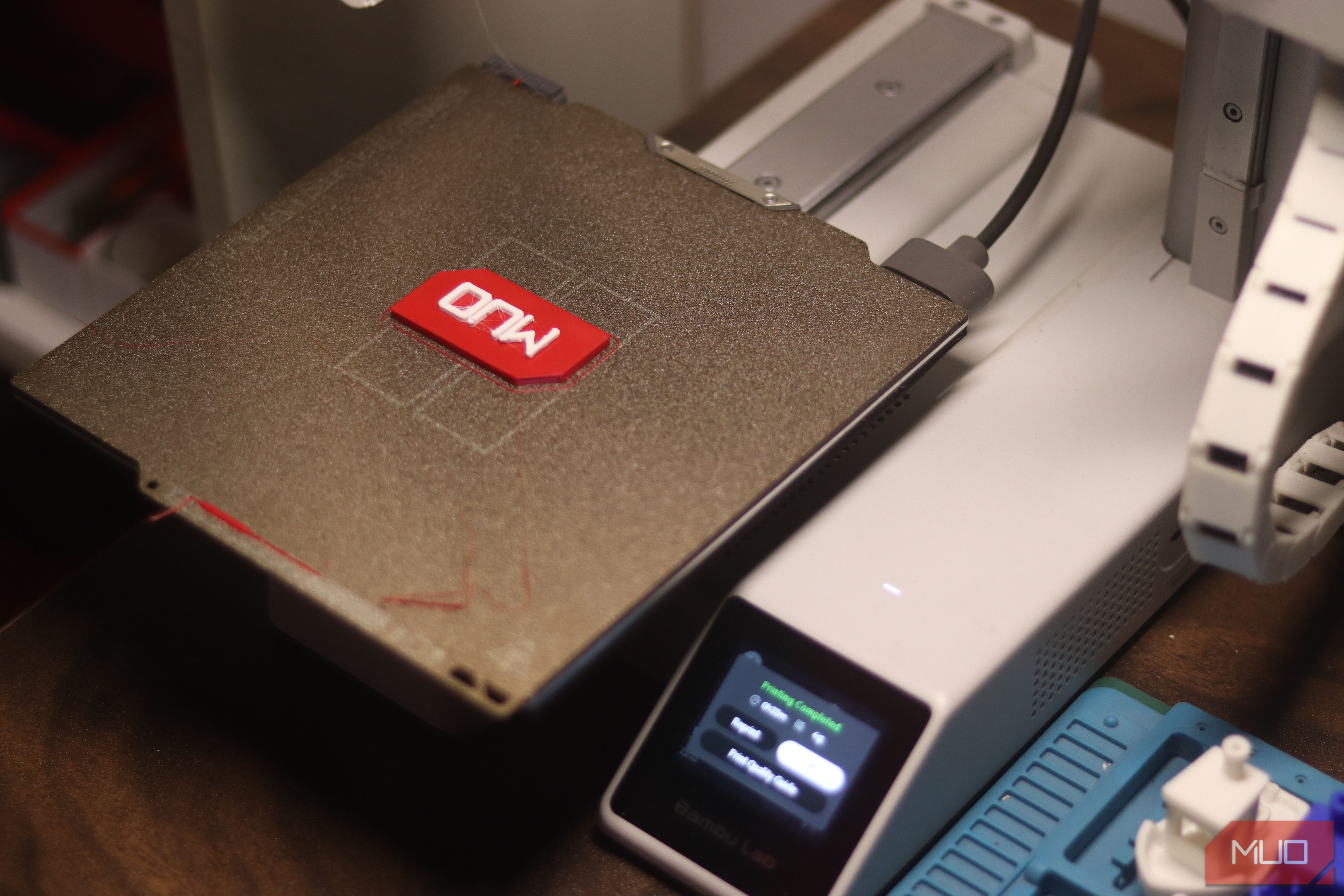
Learn to understand the implications of Bambu Lab's restrictive firmware update and how to enable Developer Mode to regain local control, balancing cloud features against full interoperability.

Meta's Muse AI platform now readily exposes its filesystem to users, confirming this as "intended behavior." This rapid shift transforms Muse into a "Secure VM" or "your own computer in the cloud," offering unprecedented access for installing software, writing code, and surfing the web, fundamentally differentiating it from other AI chatbots like ChatGPT and Gemini.
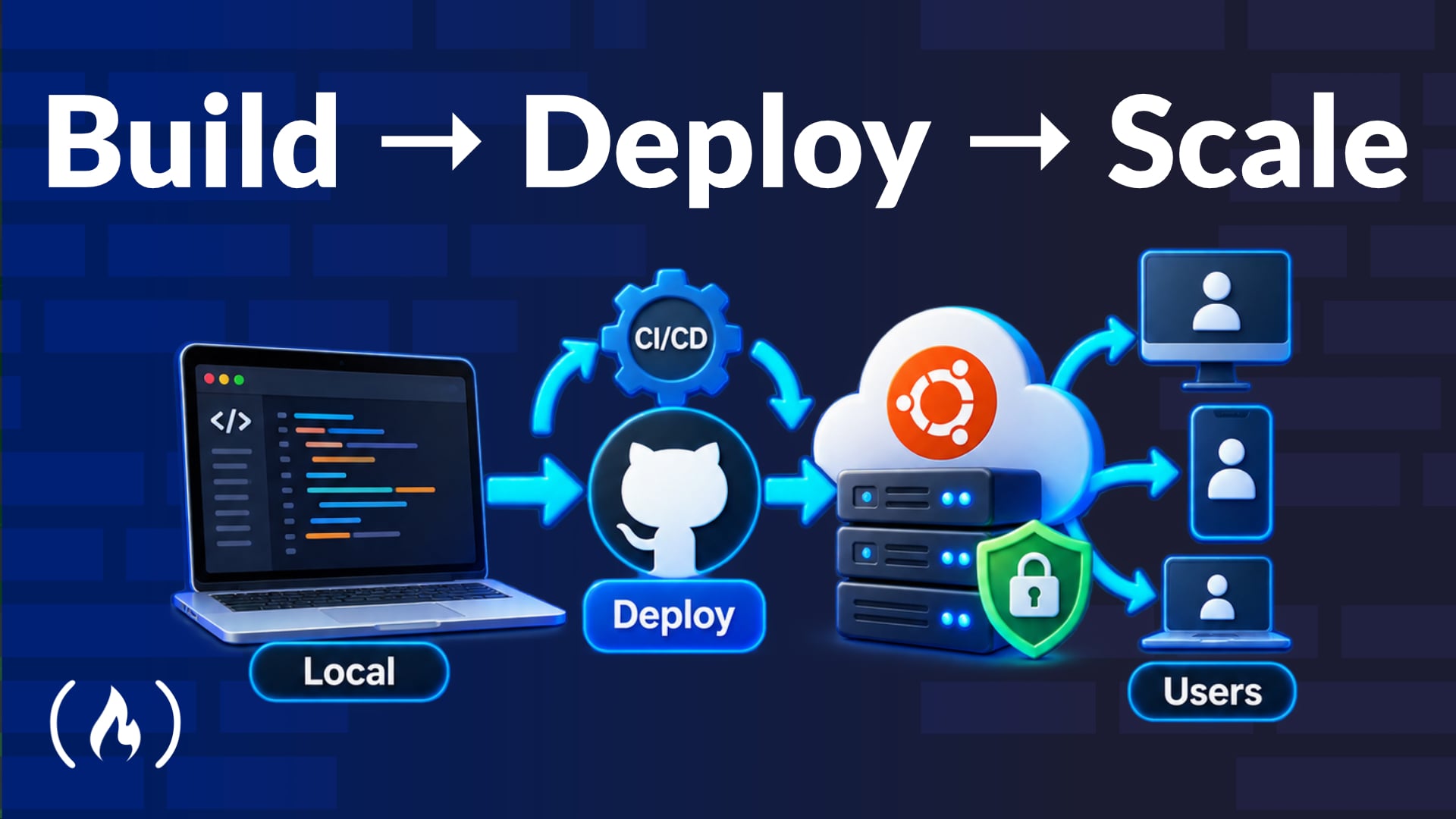
This article highlights a comprehensive freeCodeCamp.org course on deploying, securing, and automating full-stack web applications. It covers crucial steps from server provisioning and foundational security with UFW and Fail2Ban, to application runtime setup, data management, global access via Nginx and Cloudflare, and robust CI/CD pipelines with GitHub Actions. The course emphasizes a hands-on approach, integrating continuous security testing and observability, culminating in a production-ready application.

Goldman Sachs has opened a new engineering hub in Bellevue, Washington, focused on AI and cloud transformation, set to house over 125 engineers. This marks the financial giant's first dedicated engineering space in the Pacific Northwest, reinforcing its commitment to technological advancement.

Apple's new AI-powered security camera features for HomeKit Secure Video come with a hefty price tag, reaching up to $60 a month. These Apple Intelligence enhancements offer video summaries and advanced search but require higher-tier iCloud Plus subscriptions, a significant increase from the previous $1 monthly entry cost.
As software developers, we're all too familiar with the evolving landscape of digital tools. While cloud-based applications offer undeniable convenience – instant access, cross-device compatibility, and seamless

London-based AI cloud infrastructure firm Nscale is in advanced discussions to secure up to $3.5 billion in pre-IPO financing, with significant commitments anticipated from tech giant Nvidia and hedge fund Third Point.
Xbox has just unveiled a new partnership with TCL, bringing the Xbox app directly to select models of their smart TVs. On the surface, this sounds like a massive win for accessibility, offering a console-free entry
VentureBeat has appointed Rob Strechay as its first Lead Analyst, spearheading a significant expansion into specialized enterprise AI research. This strategic move aims to provide technical decision-makers with objective, data-driven insights into the complex challenges of evaluating and deploying AI solutions. Strechay, with nearly three decades of experience, will cover critical areas like cloud infrastructure, advanced data, DevOps, and AI security, while also hosting a revitalized "VB In Conversation" series.

Photos of an alleged Xbox Elite Series 3 prototype controller have leaked, revealing a previously unseen built-in screen. This display appears to facilitate mode switching, aligning with earlier regulatory leaks that hinted at enhanced cloud gaming connectivity and new scroll wheels. While the prototype is reportedly non-functional, it provides a credible look at Microsoft's potential next-generation premium gamepad.

Verdict: Linux's Moment Arrives for the Mainstream Desktop The latest data from Cloudflare, corroborated by StatCounter, paints a compelling picture: Linux desktop usage is experiencing unprecedented growth, even
Meta's Muse Glimmer is an "open source" AI model designed for local execution on a single computer, focusing on agent-oriented tasks like scheduling and file management. It's free to download, offers strong benchmark success for its size, and prioritizes user control and privacy, providing a compelling alternative to cloud-based solutions.

Cloudflare has launched Kitesurf, a new cloud-hosted browser specifically engineered for AI agents to navigate and interact with the web. Optimized for efficiency and lower computing costs, Kitesurf eschews human-centric visual elements in favor of performance, scalability, and context management, offering a specialized solution for developers building task-oriented AI.

Take-Two CEO Strauss Zelnick believes cloud streaming could soon make expensive gaming consoles less relevant, potentially within three years. He sees the rising cost of hardware as a negative trend but anticipates it won't hinder big titles like GTA 6. Zelnick forecasts streaming could massively increase the player base, leveraging the ongoing shift towards open gaming systems.

Learn to set up a Raspberry Pi to automatically sync photos from an iCloud Shared Album, turning it into an auto-updating digital photo frame with a Python script and systemd timers.

Recent tech news highlights Amazon's strategic move into custom AI chips (Inferentia, Trainium) as its fourth business pillar, and Satya Nadella's practical use of Power BI for rapid executive-level data insights. Concurrently, a VC from AI House is rallying the Seattle tech community to embrace its strong foundation in cloud and AI, countering negative narratives about the region.

Fellow developers, In the rapidly evolving landscape of artificial intelligence, cloud infrastructure is a battleground, and custom silicon is emerging as a critical differentiator. Recent news from Jeff Bezos himself

Cloud gaming is rapidly changing how we play, offering more flexibility and accessibility than ever before. If you're looking to dive into the world of gaming without needing a high-end console or PC, or simply want to

As an experienced tech reviewer, I've seen the landscape of personal storage evolve dramatically. For years, the mantra was simple: buy a NAS, ditch the cloud, save money. However, that narrative has become

Dave Brown, a key figure in AWS's EC2 and AI/ML growth, is departing. His successor, Dave Treadwell, brings extensive experience from Microsoft and Amazon's eCommerce Foundation, potentially signaling new directions for core cloud services and AI innovation.
Cloudflare has launched Precursor, a new defense system, in response to bots now generating over 57% of all web traffic. Precursor monitors entire user sessions to distinguish humans from sophisticated bots, moving beyond traditional single-check methods. This initiative is part of a broader strategy to classify and manage AI agents, control content reuse, and rebuild the web's foundational infrastructure for a machine-dominated internet.
OpenClaw Machines offers an open-source, self-hosted platform for running AI agents with enterprise-grade security and cost efficiency. It utilizes Firecracker microVMs for hardware isolation on your own Linux servers, providing full data sovereignty and predictable costs, especially at scale. The platform includes a control plane for orchestration, a Cloudflare data plane for secure access, and integrated LLM proxying.

Meta Platforms saw its stock surge 15% last week, the best run since early 2024, following the unveiling of "Meta Compute." This new initiative aims to monetize Meta's extensive AI infrastructure by selling computing capacity and models to external clients, addressing investor concerns over massive AI spending. While Wall Street embraced the potential for significant EPS growth, Meta faces challenges, including its lack of experience in the cloud market and competition from entrenched hyperscalers.
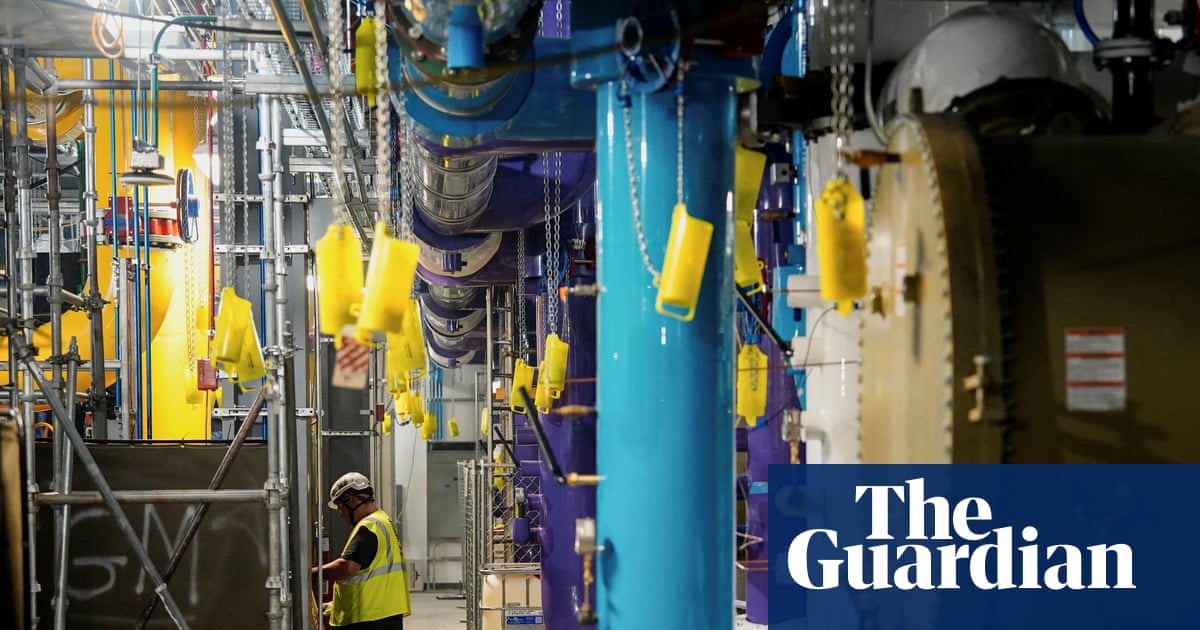
The rapid expansion of cloud services and AI, driven by companies like Microsoft, Amazon, and Google, is causing a significant surge in their carbon emissions. This article explores the scale of this environmental impact, detailing the recent increases and the challenges it poses to their sustainability goals. We examine why this boom is affecting climate ambitions and what developers should consider for a more sustainable future.

AI is set to revolutionize Infrastructure as Code (IaC) by automating code generation and deployment, shifting the developer role from direct authors to architects and validators. While this promises increased agility, it highlights critical needs for robust guardrails and policy-as-code. Deep systems knowledge remains crucial for human oversight, validation, and complex problem-solving in this evolving landscape.
