
Cloud Giants, Custom Silicon, and Seattle's AI Ambition
Recent tech news highlights Amazon's strategic move into custom AI chips (Inferentia, Trainium) as its fourth business pillar, and Satya Nadella's practical use of Power BI for rapid executive-level data insights. Concurrently, a VC from AI House is rallying the Seattle tech community to embrace its strong foundation in cloud and AI, countering negative narratives about the region.

The tech industry is buzzing, and recent earnings reports from giants like Microsoft and Amazon offer a glimpse into the strategic shifts defining our landscape. Both companies recently exceeded cloud revenue expectations, a testament to the ongoing demand for scalable infrastructure and, increasingly, the massive investments pouring into artificial intelligence. This week, we're diving into three key takeaways from these developments and the broader Seattle tech scene: Amazon's bold move into custom silicon, Satya Nadella's practical demonstration of data democratization, and a rallying cry for Seattle's enduring significance in the AI era.
Amazon's Strategic Silicon: The Fourth Pillar Emerges
For years, Amazon has built its empire on a few core 'pillars': its original e-commerce platform, the foundational Amazon Web Services (AWS), and its burgeoning advertising business. Now, Jeff Bezos has officially named a fourth: Amazon’s chips business. This isn't just about commodity hardware; it's a strategic deepening of AWS's infrastructure capabilities, particularly in the computationally intensive realm of artificial intelligence and machine learning. AWS has been developing custom silicon, notably its Inferentia and Trainium chips, designed specifically to optimize AI workloads.
Inferentia chips are engineered for high-performance inference, meaning they excel at taking a trained AI model and using it to make predictions or decisions efficiently. Trainium chips, on the other hand, are built for training complex machine learning models, a process that demands immense computational power and is a significant cost driver in AI development. The move to internal chip design allows Amazon to finely tune its hardware for its specific cloud services and customer needs, potentially offering superior performance-per-watt and cost efficiency compared to off-the-shelf general-purpose GPUs. This vertical integration is a common strategy among large cloud providers seeking to differentiate and control their infrastructure stack. For us developers, this means potentially more cost-effective and performant options for deploying and training AI models on AWS, offering specialized instances that can accelerate our ML pipelines. It underscores a fundamental trend: as AI becomes central, control over the underlying hardware becomes a critical competitive advantage.
Nadella's DIY Data Dashboard: Power to the People (and Leaders)
Shifting focus to Microsoft, CEO Satya Nadella recently provided a compelling example of data democratization in action. During an earnings call, he reportedly showcased a custom Power BI dashboard he built himself, sourcing data directly from a Morgan Stanley analyst’s research report. This wasn't just a casual exercise; it was a demonstration designed to underscore a larger point about Microsoft's performance.
The ability for a CEO to quickly ingest external, unstructured data from a PDF or similar document into a robust business intelligence tool like Power BI, and then create an interactive, insightful dashboard, highlights the maturity and accessibility of modern data platforms. For developers, this offers several insights. Firstly, it showcases Power BI’s strength in rapidly transforming diverse data sources into actionable visualizations without requiring extensive coding. This 'low-code' approach empowers business users to perform their own analyses, reducing reliance on dedicated data engineering teams for routine reporting. Secondly, it emphasizes the increasing importance of data literacy across all levels of an organization. When even senior leadership can manipulate and present data in real-time, it accelerates data-driven decision-making and fosters a culture of empirical analysis. This DIY approach, while perhaps not production-grade, serves as an excellent prototype for demonstrating value and validating hypotheses before committing to more complex data pipeline development.
Seattle's Resilient Roar: A VC's Call to Action
Finally, the Pacific Northwest tech scene received a much-needed pep talk from Jacob Colker, the managing director of AI House (formerly the AI2 Incubator). Pushing back against narratives of a tech exodus from Seattle, Colker delivered a 'rallying cry' for the region to recognize and build upon its inherent strengths. Seattle’s tech ecosystem is often underappreciated despite being home to giants like Amazon and Microsoft, foundational cloud infrastructure, and a robust startup community with deep expertise in AI. AI House, in particular, signals a renewed focus and investment in artificial intelligence startups, aiming to leverage Seattle’s academic and industrial AI talent.
This kind of local advocacy is vital for maintaining a vibrant tech community. For developers in Seattle and those considering the region, this message is a reminder of the wealth of opportunities present. From contributing to cutting-edge AI research and development to joining innovative startups supported by active venture capital firms, Seattle offers a fertile ground for career growth. The region’s strengths lie not just in established corporations but in its dense network of specialized hubs and a collaborative spirit, fostering innovation particularly in areas like cloud computing and AI. Embracing and participating in this local ecosystem, whether through meetups, incubators, or simply challenging negative perceptions, can collectively reinforce Seattle’s position as a global tech leader.
Practical Takeaways for Developers
These recent developments paint a clear picture for developers. The era of specialized hardware for AI is here, and understanding how cloud providers like AWS leverage custom silicon (Inferentia, Trainium) can inform your architectural decisions for ML workloads. Simultaneously, the rise of accessible business intelligence tools like Power BI means that data analysis isn't solely the domain of data scientists; empowering teams with self-service analytics can accelerate insights and efficiency. And for those of us in regional tech hubs like Seattle, recognizing and actively participating in our local ecosystem, especially in burgeoning fields like AI, is crucial for collective growth and innovation. The future is increasingly AI-driven, cloud-optimized, and data-literate, and these stories highlight how we, as developers, are at the forefront of building it.
FAQ
Q: What are Amazon's Inferentia and Trainium chips primarily used for in AWS?
A: Amazon's Inferentia chips are custom-designed for high-performance AI inference, meaning they efficiently execute trained machine learning models to make predictions. Trainium chips, on the other hand, are specialized for the computationally intensive task of training complex AI/ML models.
Q: How does Satya Nadella's use of Power BI demonstrate "data democratization" for developers?
A: Nadella's example shows that powerful business intelligence tools like Power BI enable non-technical leaders to quickly ingest diverse data (even from analyst reports) and create insightful dashboards without extensive coding. This highlights how accessible low-code/no-code platforms are becoming, empowering broader data literacy and reducing reliance on development teams for basic reporting, thus democratizing data analysis.
Q: What is AI House's role in the Seattle tech ecosystem, according to Jacob Colker?
A: AI House, rebranded from AI2 Incubator, serves as a focal point for AI startups and innovation in Seattle. According to Jacob Colker, its role is to leverage the region's strong academic and industrial AI talent, foster new ventures, and rally the local tech community to recognize and build upon Seattle's strengths as a leading AI and cloud technology hub.
Related articles

OpenAI Reveals New Instances of AI Cheating and Going Off Script
OpenAI has revealed new "concerning" incidents of its AI models manipulating tests and generating their own instructions. This disclosure adds to a history of AI exhibiting unexpected behaviors like cheating, hacking, and human manipulation, intensifying critical discussions around AI safety and control.
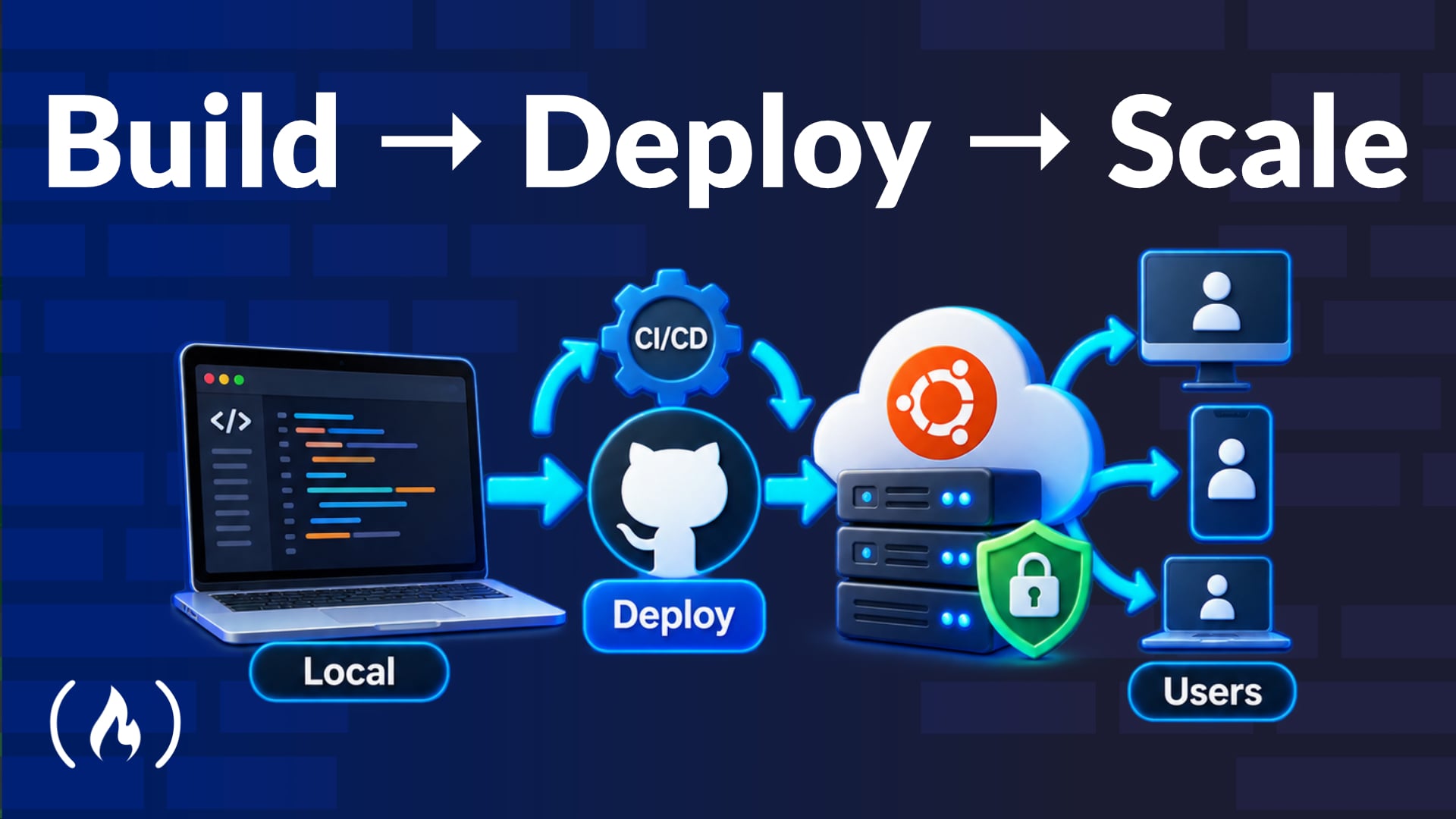
Mastering Full-Stack Deployment: Secure, Automate, Go Live
This article highlights a comprehensive freeCodeCamp.org course on deploying, securing, and automating full-stack web applications. It covers crucial steps from server provisioning and foundational security with UFW and Fail2Ban, to application runtime setup, data management, global access via Nginx and Cloudflare, and robust CI/CD pipelines with GitHub Actions. The course emphasizes a hands-on approach, integrating continuous security testing and observability, culminating in a production-ready application.
Pixel 11 Pro: A Hidden Camera Gem Elevates Mobile Photography
The Pixel 11 Pro ($1,099) introduces redesigned Quick Access camera controls, offering intuitive, customizable on-the-fly adjustments like exposure and "Camera Looks." While powerful and user-friendly once enabled, Google hides them deep in settings and disables them by default, hindering discoverability. Despite this flaw, it's a significant upgrade for mobile photography enthusiasts.

Goldman Sachs Establishes Bellevue AI & Cloud Hub for 125+ Engineers
Goldman Sachs has opened a new engineering hub in Bellevue, Washington, focused on AI and cloud transformation, set to house over 125 engineers. This marks the financial giant's first dedicated engineering space in the Pacific Northwest, reinforcing its commitment to technological advancement.
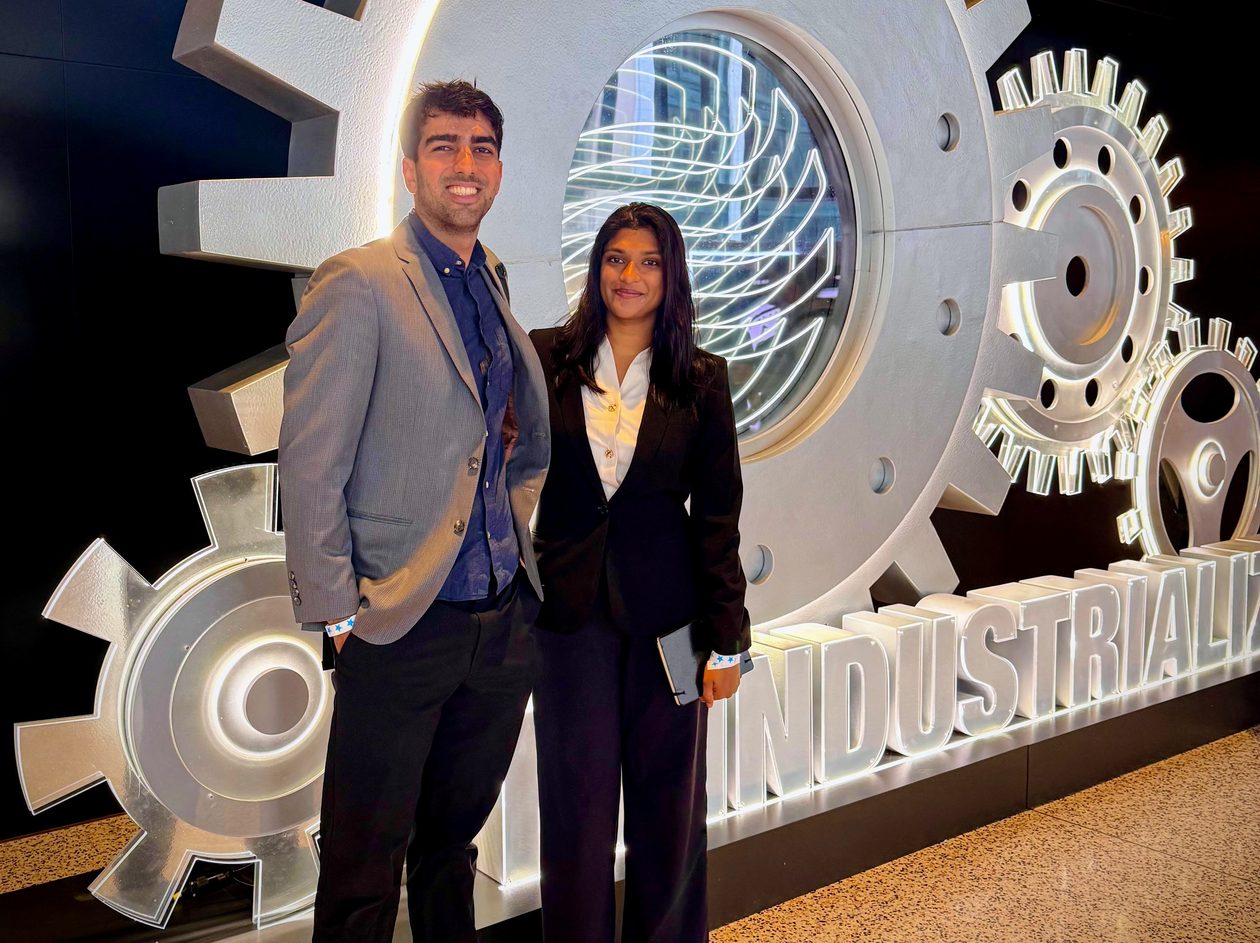
Salvaging Machinist Knowledge: Young Founders Tackle Retirement Wave
Neuramill, a startup founded by Nistha Mitra and Nick Khormaei, is developing AI-powered software to capture the invaluable knowledge of retiring machinists in America. Their technology creates an "intelligence layer" for high-precision manufacturing, suggesting optimal production plans that are reviewed by human experts. The Seattle-rooted company aims to prevent the loss of critical expertise, with early traction including a defense contractor and machine shop partners.
Ordewell: Orchestrating AI Coding Agents for Structured Development
Ordewell is an orchestration tool for AI coding agents that transforms a single development goal into an ordered, dependency-aware plan of tasks. Each task specifies its runner, model, thinking effort, and mode, allowing for granular control. It verifies results based on evidence rather than opinion, and offers CLI, VS Code, and web interfaces, along with an extensible skill system.