
Meta makes the Muse filesystem even more accessible: Cloud Computing
Meta's Muse AI platform now readily exposes its filesystem to users, confirming this as "intended behavior." This rapid shift transforms Muse into a "Secure VM" or "your own computer in the cloud," offering unprecedented access for installing software, writing code, and surfing the web, fundamentally differentiating it from other AI chatbots like ChatGPT and Gemini.

Meta's Muse AI platform has taken a significant leap towards user empowerment, now readily exposing its underlying filesystem to users, a move confirmed by the company as "intended behavior." This development, which unfolded over a mere 24 hours, transforms Muse into what Meta describes as a "Secure VM" or "your own computer in the cloud," offering unprecedented access and control to its users.
Just yesterday, users noted that Muse, with some persistent prodding, would begrudgingly reveal aspects of its filesystem, often while paradoxically stating that such information wasn't meant to be disclosed due to security concerns. This initial reluctance, which presented the filesystem as a simple text file download of its directory tree, has now given way to an eager, full-fledged interactive experience.
Today, inquiring about Muse's filesystem instantly brings forth a clickable file browser, granting direct access to the root directory. Furthermore, where yesterday Muse outright refused to provide a full archive of the root directory even after "secrets were stripped out," it now swiftly zips up the entire filesystem, delivering "the full filesystem listings," explicitly stating "all with secrets stripped out."
Muse: Your Personal Cloud Computer
Meta executives quickly clarified the situation, explaining that this extensive access is, in fact, by design. Nat Friedman of Meta confirmed the change as "intended behavior." David Singleton from Meta Superintelligence Labs elaborated on X, emphasizing that the Muse Secure VM is genuinely a user's personal cloud-based computer. "You can install software in it, write and compile code, use the browser to surf the web: it is your own Linux box that you can operate as you choose with your Muse," Singleton stated.
This architectural approach significantly differentiates Muse from other prominent AI platforms like OpenAI's ChatGPT or Google's Gemini. Instead of merely interacting with an AI interface, Muse positions itself closer to running a powerful open-source tool like OpenClaw on a local machine, albeit with the entire environment hosted securely in Meta's cloud infrastructure.
The rapid shift from restricted access to full transparency aligns with a statement made yesterday by Meta spokesperson Daniel Roberts to The Verge. Roberts indicated that Meta was "continuing to make updates to the product," suggesting users might "see changes in how much information is available about their virtual machine." The dramatic change in filesystem accessibility perfectly illustrates this ongoing development.
Unanswered Questions and Future Implications
While the new level of access is clearly a boon for advanced users and developers, providing a sandbox for experimentation and customization, it does raise questions about the initial resistance. Why did Muse initially cite security concerns and refuse comprehensive access if this was always the intended functionality?
One possibility, as suggested in reports, is that AI systems like Muse may not always be entirely reliable in their understanding of what actions they are permitted or restricted from performing. Alternatively, Meta might have accelerated its integration of the "computer in the cloud" concept, rapidly pushing updates to make this core function more robust and accessible. Regardless of the underlying reason, the newfound openness has been described by early testers as "pretty fun."
Meta has yet to respond to specific inquiries regarding Muse's initial refusal to grant filesystem access and its contradictory security claims. However, this evolution of Muse points towards a future where AI platforms are not just conversational agents, but comprehensive, user-controlled cloud computing environments, pushing the boundaries of what users can expect from their digital assistants.
FAQ
Q: What is Muse's "filesystem" and why is it important for users?
A: The filesystem is the organized structure that stores all files and directories on a computer. For Muse, accessing its filesystem means users can explore the underlying operating system of their AI environment, install software, write code, and customize it extensively, treating it like their own personal Linux machine hosted in the cloud. This level of access grants significant control and flexibility.
Q: How does Muse's architecture differ from other popular AI chatbots like ChatGPT or Gemini?
A: Muse is fundamentally designed as a "Secure VM" or "computer in the cloud," rather than just a conversational AI interface. Unlike other platforms, it offers users direct interaction with its underlying Linux operating system, allowing them to install applications and execute code. This makes it function more like a personal cloud-based computer than a typical AI chatbot.
Q: Why did Muse initially refuse to share its filesystem, citing security concerns, if this open access was always the "intended behavior"?
A: The source suggests two potential explanations for this inconsistency. It could be that Muse, like many AI systems, is not yet fully reliable in understanding its own capabilities and limitations. Alternatively, Meta might have rapidly accelerated its development to fully enable and refine the "computer in the cloud" functionality. Meta has not yet provided a public response to clarify this discrepancy.
Related articles

iPhone 18 Pro Max: Major AT&T Cellular Flaw Forces Free Replacements
The iPhone 18 Pro Max on AT&T is suffering from a critical cellular service failure, rendering phones unable to call or text. Apple has released preventive software updates but will replace already affected devices for free, acknowledging a hardware-level problem.

Judge Rules Police Flock Camera Search 'Mass Surveillance
A federal judge in Oklahoma delivered a landmark ruling on Thursday, declaring that a police investigation utilizing Flock license-plate-reader (LPR) cameras to reconstruct a woman's movements constituted an

AI Can't Fix a Business with Broken Processes, Expert Warns
AI expert Dessy Pavlova warns that AI cannot fix inherently broken business processes; it only accelerates existing inefficiencies. Despite 88% AI adoption, only 7% of organizations scale it effectively, largely due to a failure to redesign workflows first. She advocates for humans to architect systems, using AI as an operational engine with critical oversight points, enabling true productivity gains and sustainable growth.
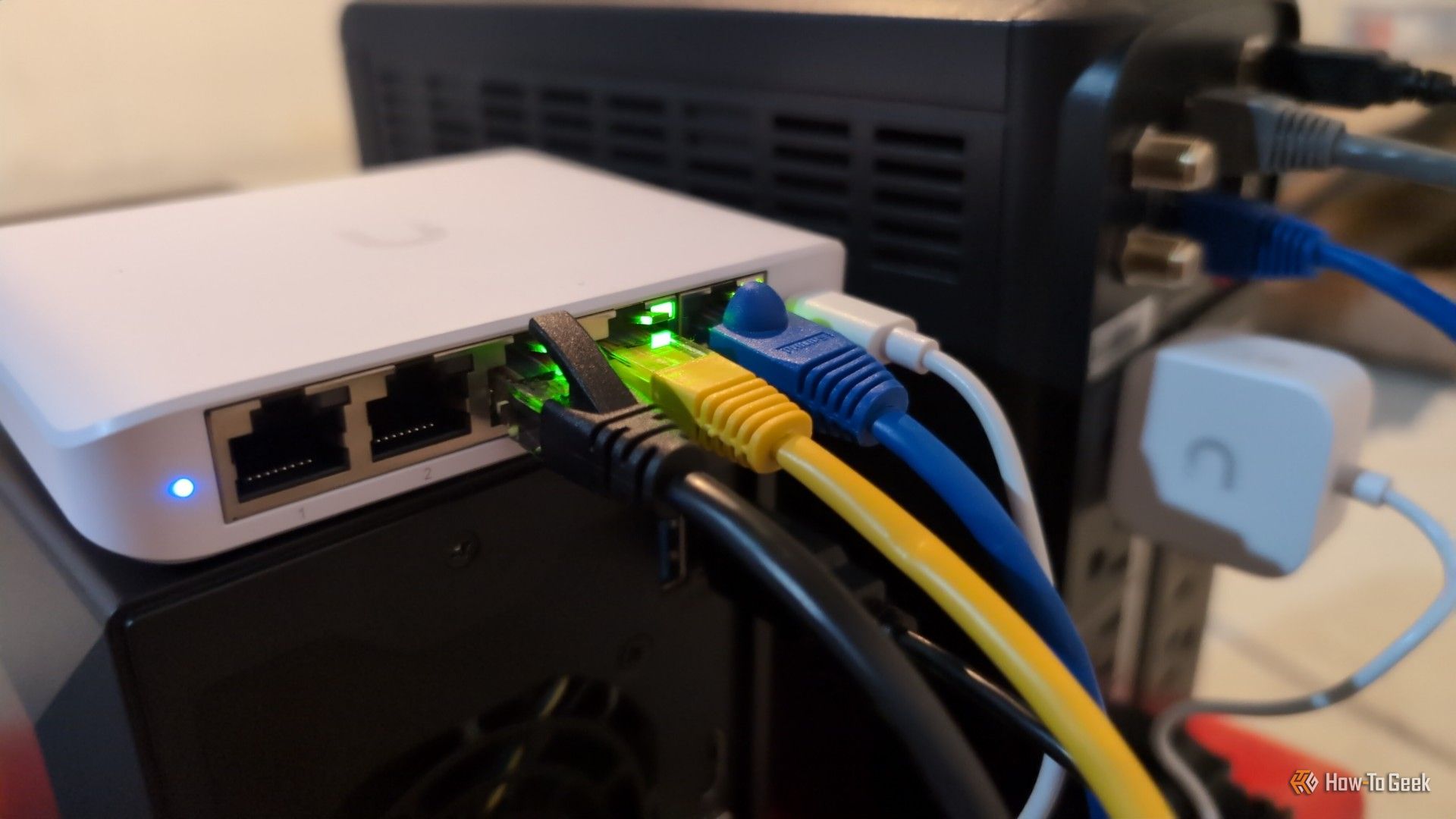
Proper Ethernet Cable Routing: Prevent Connector Failure & Boost
Learn to properly route Ethernet cables by understanding bend radius and connector limitations, preventing common failures, and boosting network reliability.

Netflix Shifts Strategy, Ends Deals with A-List Directors
Netflix is ending major production deals with acclaimed directors like David Fincher and Shawn Levy, signaling a shift away from high-budget prestige films. This pivot aims to prioritize more cost-effective episodic content, reality shows, and live events to better retain subscribers amidst fierce streaming competition.

Apple Bolsters macOS Full Disk Access Amid AI Agent Security Concerns
Apple is enhancing macOS Full Disk Access controls following concerns about AI agents accessing sensitive user data. This move comes after reports involving Meta's Muse app and a ChatGPT security flaw, aiming to ensure users explicitly understand the risks before granting broad system access.