140 results found

California's new law, effective July 1, mandates that streaming ads not exceed the volume of accompanying content. This move, inspired by parent frustrations, aims for a quieter viewing experience and could spur broader industry changes as similar bills arise in other states.

Amazon MGM Studios has unexpectedly dropped its nearly finished film "Artificial," a dramatic comedy about OpenAI CEO Sam Altman, just four months after Amazon invested $50 billion in OpenAI. The film, which reportedly portrays Altman and Elon Musk unfavorably, is now being shopped to other studios. The move raises questions about the influence of Amazon's massive financial and strategic partnership with OpenAI on its content decisions.

The initial hype around Generative AI in game development is giving way to a more pragmatic view as rising costs expose limited, inconsistent utility. While AI offers incremental gains in specific tasks like code completion, its performance on complex creative work and large codebases falls short, requiring extensive human oversight. This, combined with an "enthusiasm gap" between executives and developers, suggests AI will be a niche tool rather than a revolutionary force.
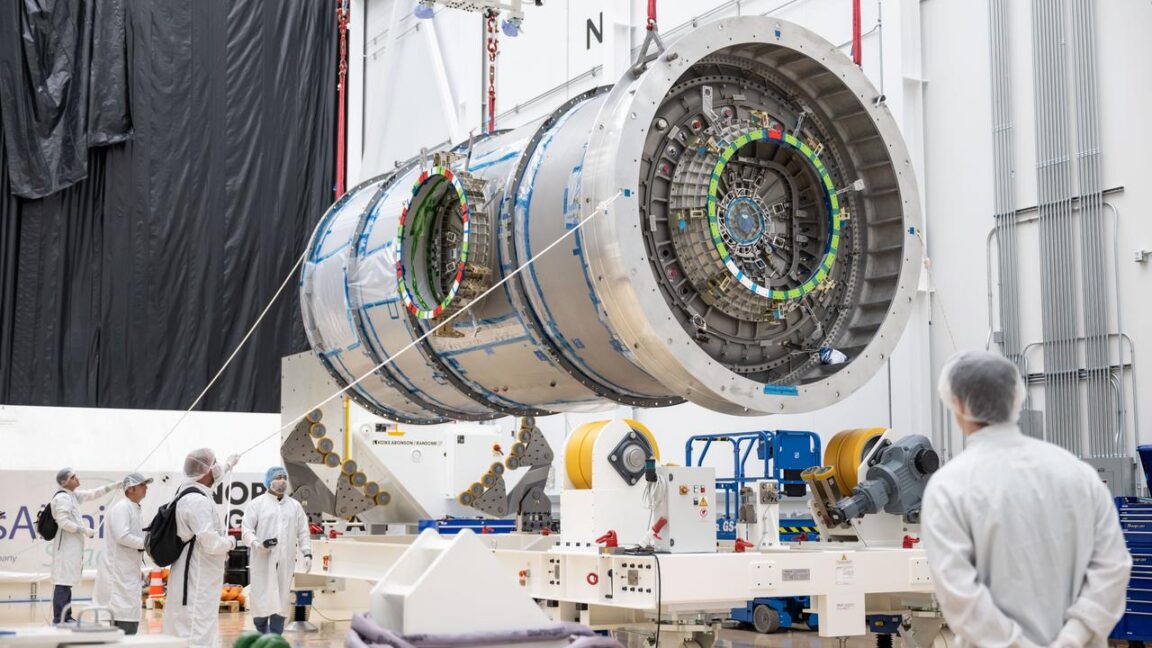
NASA has directed Northrop Grumman to cease work on the Lunar Gateway's HALO module, a critical habitation component. This decision signals a firm shift from an orbital lunar station to a direct Moon base strategy, impacting a $1.1 billion contract and raising questions about future lunar infrastructure.

Roku, a long-standing independent in streaming, is being acquired by Fox for $22 billion. This review examines the implications for users and the future of the platform, noting Fox's strategic play for distribution and Roku's recent profitability.
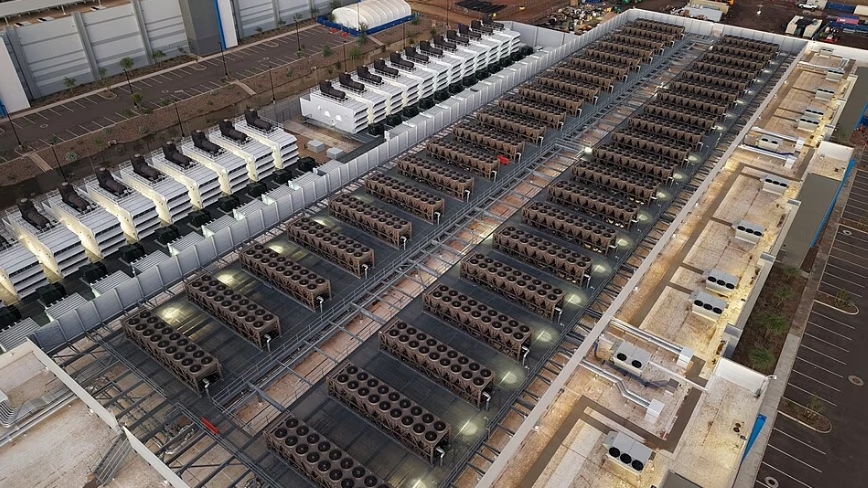
Grassroots opposition groups successfully blocked or delayed 75 data center projects worth $130 billion across the US in Q1 2026, matching the total disruptions for all of 2025. Driven by concerns over electricity, water, and noise, the number of anti-data center groups has doubled to 833 nationwide, profoundly impacting the AI industry's expansion plans amid shifting public opinion and legislative action.

Apple has introduced a groundbreaking architecture at WWDC26 for on-device AI, overcoming the long-standing DRAM memory limit. Its new AFM 3 Core Advanced model stores 20 billion parameters in NAND flash, using a unique Instruction-Following Pruning (IFP) method to dynamically load expert modules into DRAM. This innovation significantly boosts local AI capabilities for agentic workloads.

Massive investments in artificial intelligence are unexpectedly driving up consumer costs, creating a ripple effect across various sectors. From pricier electronics and surging electricity bills to more expensive software subscriptions, AI's demand for resources is fueling inflation. While future benefits are promised, current spending is leading to immediate price hikes for Americans.

Amazon has officially become the No. 1 company on the Fortune 500 list for the first time in 13 years, dethroning Walmart. Reporting over $700 billion in 2025 revenue, this marks a historic shift for the tech giant. Other leaders like Microsoft, Alphabet, and Nvidia also achieved notable milestones.

Coralogix, a software-monitoring startup, has raised $200 million in Series F funding, bringing its valuation to $1.6 billion. The company is betting on increased demand for tools to monitor and troubleshoot autonomous AI agents as they become critical in enterprise operations.
Applied Aerospace & Defense, a Huntsville-based firm, successfully raised $650 million in an IPO that was ten times oversubscribed, pricing shares at $20. The offering underscores a strong investor shift towards defense hardware and solidifies the company's $3.4 billion market valuation. Trading begins Wednesday on the NYSE under AADX.

Billionaire philanthropist Melinda French Gates is making a significant entry into professional sports, announcing Monday, June 1, 2026, that she is taking a minority stake in the Seattle Kraken hockey team. The

Cognition, the AI coding agent startup behind Devin, secured $1 billion at a $26 billion valuation this week. Despite this, CEO Scott Wu insists AI agents shouldn't replace humans, aiming for augmentation to free programmers from tedious tasks. Wu envisions Devin as a "buddy" that enhances creativity, even as it handles 89% of Cognition's internal code.

Billionaire Kevin O’Leary and the Trump administration claim that widespread U.S. protests against data center construction are orchestrated by China and foreign propaganda, despite a lack of conclusive evidence. This narrative is being met with skepticism from a broad range of allies and critics who point to legitimate local concerns and widespread public opposition to AI infrastructure.

Meta is projected to surpass Google as the world's largest digital advertising company by the end of 2026, with Emarketer forecasting Meta's global net ad revenues to reach $243.46 billion. This historic shift is driven by Meta's AI-powered Advantage+ ad suite and the expansion of new ad surfaces across WhatsApp and Threads, significantly outpacing Google's ad growth.

Eli Lilly is set to acquire Seattle-area biotech Curevo Vaccine for up to $1.5 billion to bolster its infectious disease portfolio. The deal centers on Curevo's Phase 3-ready shingles vaccine candidate, amezosvatein, which demonstrated a more than 50% reduction in side effects during Phase 2 studies, aiming to boost vaccination rates among older adults.
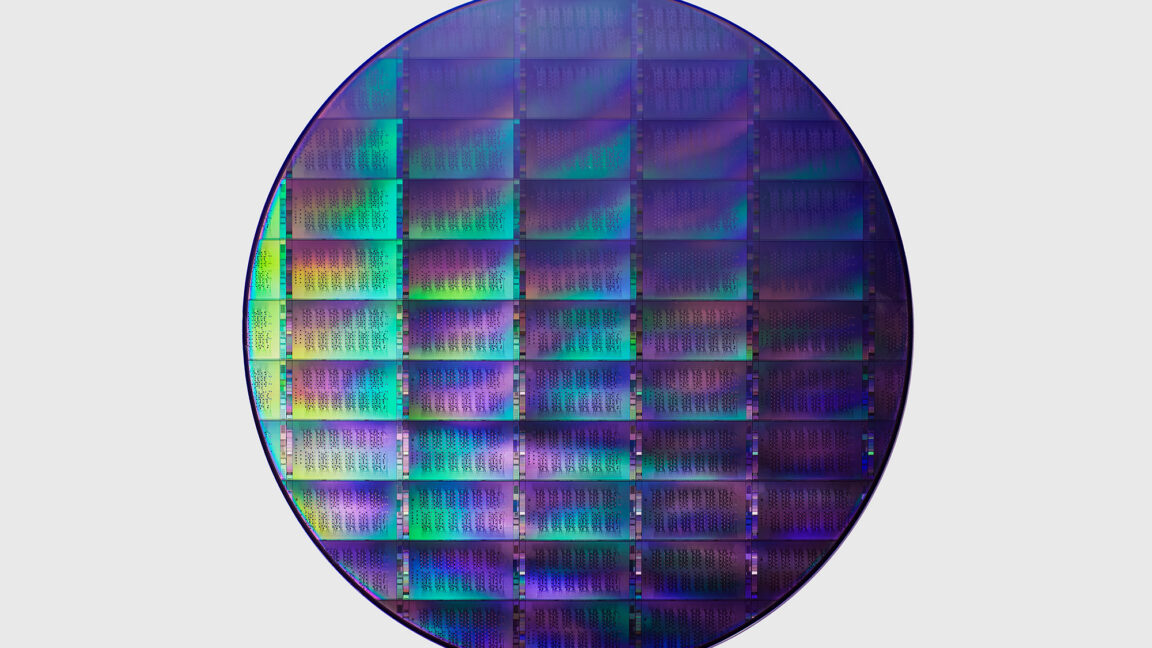
The United States government's substantial $2 billion investment in quantum computing, highlighted by the creation of the Anderon quantum foundry, represents a bold move to secure a leading position in this

Google Cloud COO Francis de Souza advises companies to adopt a proactive, platform-centric approach to AI security, emphasizing integration from the start and defense at machine speed. However, Google itself has recently faced significant security challenges, including developers incurring five-figure bills from unauthorized Gemini API usage due to silent key scope expansions and delayed key revocation times.

A new phenomenon is sweeping the artificial intelligence landscape: the emergence of what AI veteran Oren Etzioni calls “Virgin Unicorns.” These are AI labs that have achieved billion-dollar-plus valuations and

Tech billionaire Christian Angermayer openly uses performance drugs and is launching the "Enhanced Games" in Las Vegas, aiming to normalize doping and turn it into a billion-dollar business. The controversial initiative is backed by Silicon Valley investors, raising ethical and safety concerns among critics.

Seattle-area startup Temporal, valued at $5 billion, is making an unconventional move by becoming the front-of-shirt sponsor for English Premier League club Crystal Palace FC starting in the 2026/27 season. This bold strategy aims to dramatically boost global brand visibility among millions of developers, leveraging the immense reach of professional football beyond traditional tech marketing. The deal also includes Crystal Palace becoming a Temporal Cloud customer, integrating the startup's workflow orchestration technology into its club operations.

Anthropic will pay xAI $1.25 billion monthly for compute, securing 300 megawatts from xAI’s Colossus 1 data center. Revealed in a SpaceX SEC filing, this $40+ billion deal through May 2029 helps xAI monetize overbuilt capacity, likely due to Grok's declining usage, and positions it as a 'neocloud' provider in the competitive AI market.
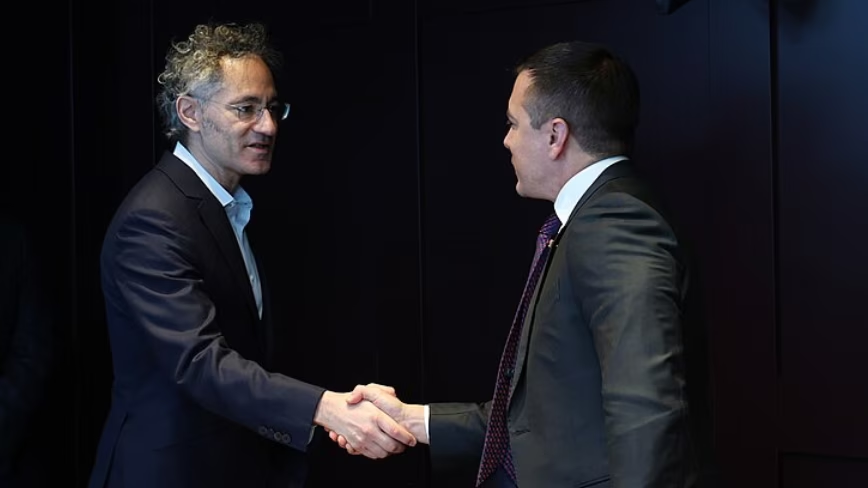
Palantir Technologies faces a dual challenge: retail investors are selling off shares to rotate into semiconductors, while the German military has formally rejected the company for defense contracts. Despite strong Q1 revenue growth of 85% to $1.63 billion and raised full-year guidance, Palantir's stock is down 20% year-to-date, indicating a failure of its long-standing market narrative.
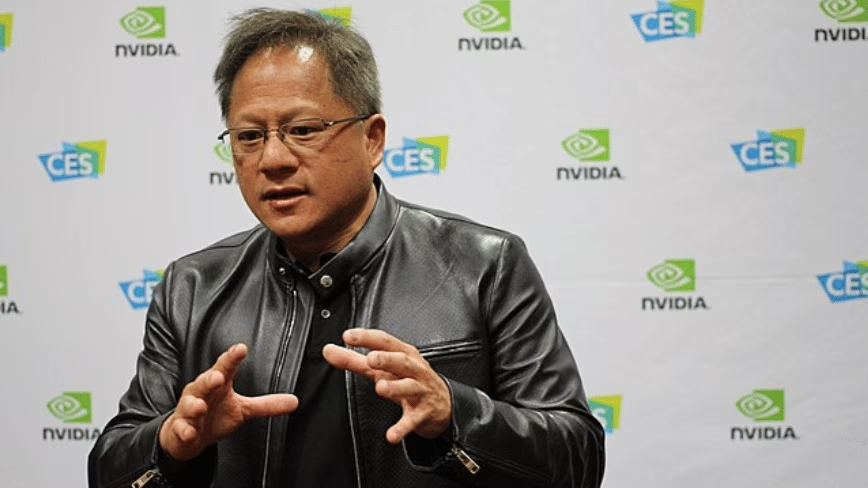
NVIDIA has committed over $40 billion to AI equity investments in the first four months of 2026, including a $30 billion stake in OpenAI. This strategy, which also includes significant investments in companies like CoreWeave, IREN, and Corning, aims to ensure compute capacity is built around NVIDIA's GPUs, influencing the entire AI value chain. While bolstering NVIDIA's data-center revenue, the aggressive approach raises questions about "circular financing" and potential regulatory scrutiny.

Toyota's Woven City: A $10 Billion Utopia or Privacy Paradox? Verdict: Toyota's Woven City is an ambitious, multi-billion-dollar experiment positioning the automotive giant as a leader in future mobility and smart urban
