
Roku's Fox Acquisition: A New Era for Streaming
Roku, a long-standing independent in streaming, is being acquired by Fox for $22 billion. This review examines the implications for users and the future of the platform, noting Fox's strategic play for distribution and Roku's recent profitability.

For two decades, Roku carved out a unique space in the burgeoning world of digital entertainment, establishing itself as a truly independent player in the streaming market. It offered a straightforward, accessible platform that prioritized choice and simplicity for consumers. Now, that era of independence is drawing to a close. Media giant Fox has announced its intention to acquire Roku for a staggering $22 billion, a move set to reshape the streaming landscape and bring one of television's largest content libraries under the same roof as one of its most popular distribution platforms. This isn't just a business deal; it's a monumental shift that will have long-term implications for how we consume media.
The Deal Details: Who, What, When, How Much
Fox, known for its focus on live programming, sports, news, and its rapidly growing ad-supported streaming service Tubi, is paying Roku shareholders a combination of cash and stock. The deal values Roku at $160 per share, a substantial figure that reflects Roku’s robust market position and recent financial turnaround. The acquisition is slated to finalize during the first half of 2027, subject to the usual regulatory hurdles and closing conditions. While the immediate future of Roku will likely feel familiar to its vast user base, the long-term strategic vision behind this consolidation is clear: Fox is betting big on owning the distribution channels alongside its content.
A Strategic Play: Why Fox Wants Roku
Fox's motivation for this massive acquisition is multi-faceted and rooted in the evolving dynamics of the streaming industry. Having divested much of its entertainment assets to Disney years ago, Fox has been rebuilding its empire around live content and ad-supported streaming. Its most significant success in this strategy has been Tubi, which it bought in 2020 for a mere $440 million and now boasts over 100 million monthly active users.
By acquiring Roku, Fox gains direct access to Roku’s extensive connected-TV ecosystem, which reaches more than 100 million streaming households globally. This includes not only Roku's highly regarded operating system, which powers millions of smart TVs and streaming devices, but also its established advertising business, invaluable viewer data capabilities, and The Roku Channel. As the Digital Trends article succinctly puts it, “Why own a show when you own the screen?” This acquisition offers Fox a powerful vertical integration, controlling both the content and a significant portion of the platform through which that content is delivered. It’s a move designed to strengthen Fox’s position significantly, with the companies estimating that the merged entity would become the third-largest TV player in the United States by share of viewing.
Roku's Journey: From Growth to Profitability and Acquisition
Roku’s history has been one of innovation and persistent growth, often prioritizing market expansion over immediate profitability. For years, it navigated a competitive landscape dominated by tech giants like Amazon, Google, Samsung, and Apple, all with deep pockets and integrated ecosystems. Roku’s ability to remain independent against such formidable rivals was a testament to its strong brand and user-friendly platform.
However, the tide began to turn recently. In 2025, Roku achieved a significant milestone, posting its first full year of profit with a net income of $88.4 million on revenue of $4.74 billion. This financial turnaround undoubtedly made Roku a much more attractive acquisition target, signaling not just potential, but proven business viability. The sale marks the end of an era for one of streaming’s last truly independent success stories.
Crucially, the deal stipulates that Roku founder and CEO Anthony Wood will remain involved post-acquisition and will join Fox’s board. This continuity in leadership, especially from a visionary like Wood, suggests a commitment to Roku’s core values and platform integrity, at least in the initial phases.
User Experience: What Changes for Roku Owners?
For the millions of consumers who rely on Roku devices and the Roku OS daily, the most immediate and important question is: what changes? The source content explicitly states, “For viewers, nothing is expected to change immediately.” This is good news for current Roku users who appreciate the platform's simplicity, wide app availability, and intuitive interface. Fox has also committed to keeping Roku an “open platform,” meaning that competing streaming services and content partners should not find themselves suddenly locked out or deprioritized.
This commitment to an open platform is vital for Roku’s continued success and user trust. One of Roku’s long-standing strengths has been its neutrality, offering access to virtually every major streaming service without favoring one over another. If Fox maintains this neutrality, Roku users can continue to enjoy their diverse content libraries, whether it's Netflix, Hulu (which Fox has a stake in), Max, Disney+, or other services.
In the long term, however, some shifts are possible. Fox expects “hundreds of millions of dollars in annual cost savings” and “new advertising and revenue opportunities” from the merger. While an open platform is promised, the incentive for Fox to integrate its own content (like Tubi and Fox Sports) more deeply and prominently within the Roku ecosystem will be strong. This could manifest as more Fox-related suggestions, channels, or even exclusive features, potentially altering the perceived neutrality over time, even if not explicitly “locking out” rivals. For users, this could mean more integrated options from the Fox/Tubi family, which might be a pro for some and a con for others who prefer a strictly unbiased interface.
Pros and Cons for the Consumer
Pros:
- Financial Stability for Roku: Having a media giant like Fox behind it could provide Roku with greater resources for innovation, hardware development, and expanding its global reach.
- Continued Open Platform: Fox's commitment to keeping Roku an open platform is a significant assurance, promising continued access to a wide array of streaming services.
- Integrated Content Potential: For fans of Fox and Tubi content, there might be more seamless integration and discovery within the Roku ecosystem, potentially leading to a richer overall experience.
- Leadership Continuity: Anthony Wood's continued involvement suggests a preservation of Roku's original vision and user-centric design principles.
Cons:
- Loss of Independence: Roku's unique position as a truly independent platform will be gone. While promises of neutrality are made, the underlying commercial incentives might eventually lead to some level of favoritism towards Fox's own content.
- Reduced Competition: The consolidation of two major players reduces the overall number of independent entities in the streaming space, which can sometimes stifle innovation or lead to less consumer-friendly practices in the long run.
- Potential for Content Prioritization: Despite assurances, users might see a gradual shift towards Fox content being more prominently featured, which could subtly influence content discovery and platform feel.
- Data Privacy Concerns (Potential): While not explicitly stated, any merger involves the consolidation of user data. Fox’s ownership of Roku’s advertising business and viewer data capabilities could raise questions about how this data is utilized going forward, though current privacy policies would likely remain.
Comparing Roku in the New Landscape
Before the acquisition, Roku stood out among its competitors – Amazon (Fire TV), Google (Chromecast/Google TV), Samsung (Tizen OS), and Apple (Apple TV) – primarily due to its platform-agnostic approach and focus solely on streaming. Unlike these tech behemoths, Roku didn't have a massive content library or hardware ecosystem to push. This allowed it to maintain a perceived neutrality that was highly valued by consumers.
Post-acquisition, Roku becomes part of a larger media conglomerate, similar in structure to Amazon and Google, which integrate their streaming platforms with their own content and advertising networks. While Fox is smaller than Amazon or Google, this move aligns Roku more closely with the strategic models of its biggest competitors. The key difference remains Fox's commitment to Roku as an open platform, which, if upheld, could allow Roku to retain its user-friendly appeal while benefiting from Fox's content and financial backing. It will be a tightrope walk for Fox to leverage Roku's reach without alienating users who chose Roku for its independence.
Buying Recommendation
If you're already a Roku user, there's no immediate reason to abandon the platform. The commitment to an “open platform” and the continuity of leadership are reassuring. Your devices will continue to function, and your access to various streaming services shouldn't be impacted in the short term.
For those considering a new streaming device, Roku still offers a compelling package of affordability, ease of use, and broad app support. The acquisition by Fox introduces a new variable, but it also brings significant financial backing that could lead to future enhancements. As long as Fox adheres to its promise of maintaining an open and neutral platform, Roku devices remain a solid choice. Keep an eye on how content promotion evolves over the next few years, but for now, the foundational experience remains largely unchanged.
FAQ
Q: Will my existing Roku device continue to work normally after the acquisition?
A: Yes, the Digital Trends article states that “For viewers, nothing is expected to change immediately.” Your existing Roku device and access to streaming services should continue to function as before.
Q: Will Roku start prioritizing Fox content, potentially making it harder to find other streaming services?
A: Fox has committed to Roku continuing to operate as an “open platform,” suggesting that rival streaming services and content partners will not be locked out. While there might be increased visibility for Fox's own content (like Tubi), the intention is for the platform to remain accessible to all.
Q: Does this acquisition mean Roku devices will get new features or content from Fox?
A: The acquisition is expected to create “new advertising and revenue opportunities” for Fox and Roku. While no immediate feature changes for users are announced, the merger could lead to deeper integration of Fox's content portfolio and potentially new features over time, benefiting from Fox's investment.
Related articles
Android 17 QPR2 Beta 7.1: The Performance Relief You've Been Waiting
Android 17 QPR2 Beta 7.1: Finally Fixing the QPR1 Performance Woes Verdict: Android 17 QPR2 Beta 7.1 is a crucial and highly anticipated software update for Google Pixel users, specifically targeting and resolving the

DJI Solo Video Setups: Smart Choices for Lone Creators
This review delves into DJI's recommended solo video setups, highlighting the Osmo Pocket 3 Creator Combo as a top pick for its integrated camera, gimbal, and mic. It also covers stabilizers like the Osmo Mobile 8 and RS 4, and the DJI Mic Mini series for enhanced audio, providing honest pros, cons, and clear buying advice.

Ars Technica's Rocket Report: Your Essential Space Industry Briefing
Quick Verdict Ars Technica's Rocket Report, presented by veteran space reporter Stephen Clark, offers an invaluable and meticulously organized weekly (or similar frequency, implied by "Edition 9.15") digest of the most
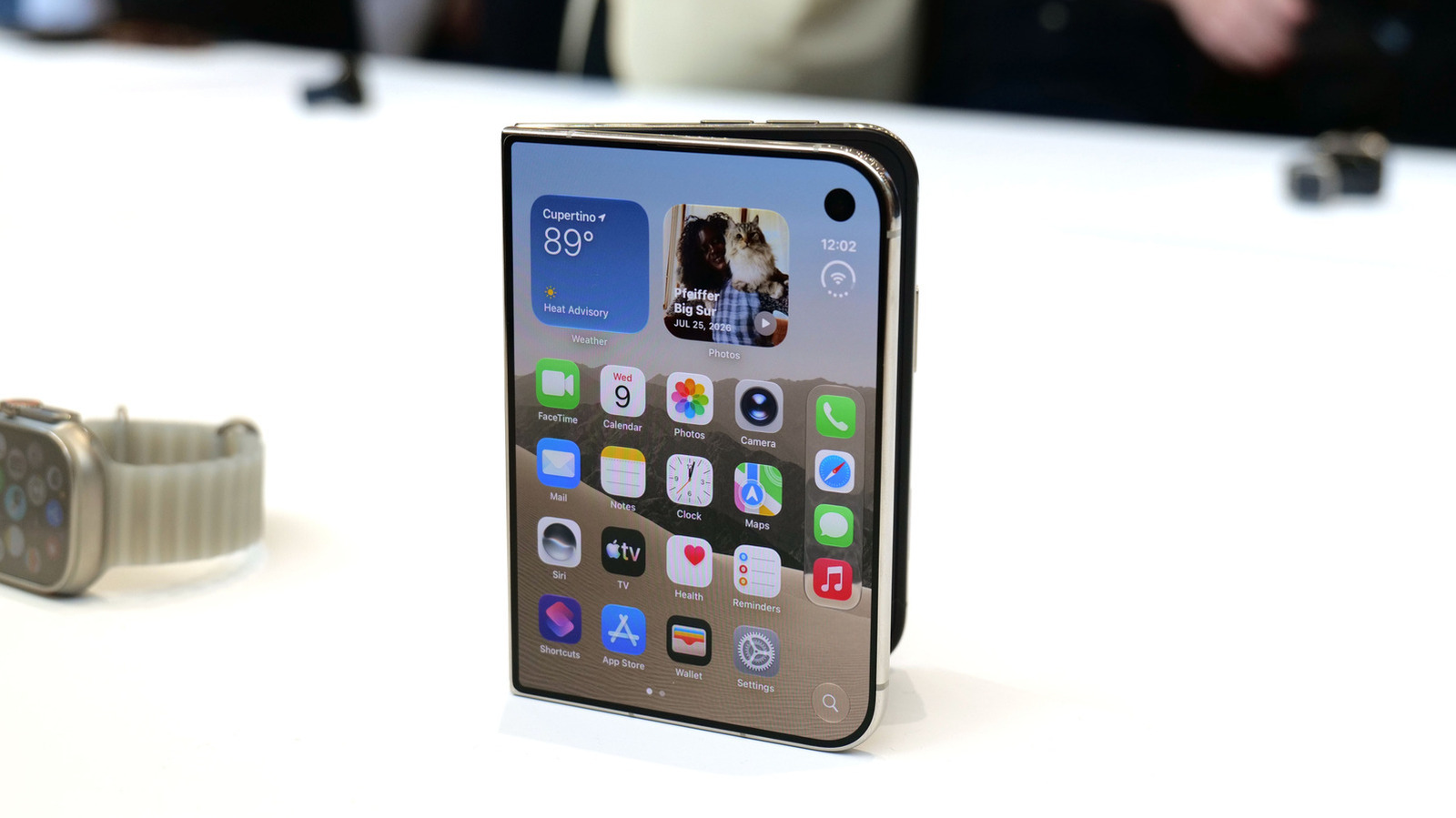
Apple iPhone Duo: A Daring Debut with Notable Compromises
Apple's highly anticipated iPhone Duo, priced at $2,000, has gone on pre-order. While hailed as "Apple's most exciting device in a decade" for its innovative foldable design and immersive display, it comes with significant drawbacks like the absence of FaceID and a premium camera.
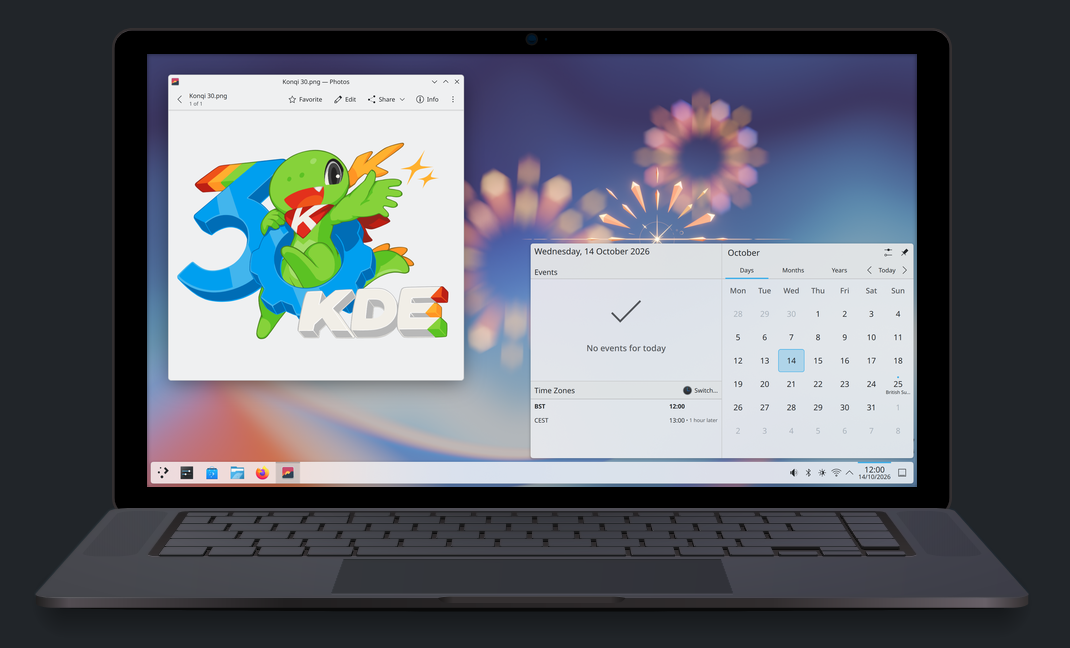
KDE Plasma 6.8: A Future-Focused 30th Anniversary Update
Quick Verdict KDE Plasma 6.8, arriving as the "30th Anniversary Edition," is a pivotal release that decisively pushes the desktop environment into the future. With a definitive farewell to native X11 sessions and a
Galaxy Watch One UI 9 Beta: Promising Progress, But Patience Needed
Galaxy Watch 8, Watch Ultra, and Watch 7 are receiving a new One UI 9 Watch beta build with bug fixes and a security patch. Active development signals progress, but a stable release date remains elusive.