95 results found

Microsoft has dramatically cut water consumption in its data centers by 90% since its earliest facilities, achieving a 0.27 liters per kilowatt-hour rate last year. The company also announced it is globally water positive for the first time, replenishing more water than it withdraws. These efforts come as public concern grows over data center environmental impacts, leading to similar initiatives from Amazon and Google.

Quick Verdict Seattle's implementation of an AI system to triage and route 911 medical calls, developed by Denmark-based Corti, is a deeply problematic deployment of technology in a critical public safety service.

Mobile studio Mobigame is reigniting a decade-old battle against notorious trademark troll Tim Langdell over the word "edge." Mobigame, developers of the critically acclaimed game *Edge*, is now financially stronger and publicly committed to exposing Langdell's tactics and ending his litigious behavior once and for all.

Grassroots opposition groups successfully blocked or delayed 75 data center projects worth $130 billion across the US in Q1 2026, matching the total disruptions for all of 2025. Driven by concerns over electricity, water, and noise, the number of anti-data center groups has doubled to 833 nationwide, profoundly impacting the AI industry's expansion plans amid shifting public opinion and legislative action.

Security researcher Chaotic Eclipse has publicly released "RoguePlanet," a seventh Windows zero-day exploit, just hours after Microsoft's record-breaking June Patch Tuesday. This vulnerability grants SYSTEM privileges on fully patched Windows 10 and 11 systems, deepening a dispute with Microsoft over previous disclosures. The exploit leverages a race condition in Windows Defender.
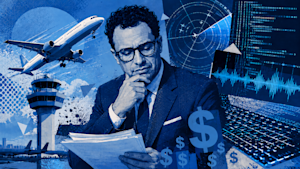
Anthropic CEO Dario Amodei is pushing for FAA-style regulation of powerful AI models, citing public safety concerns amid rapidly advancing AI capabilities and potential misuses. This call for oversight, backed by new policy frameworks and $350 million in funding, suggests future operational, regulatory, and workforce constraints for enterprises. Key implications include potential deployment holds for frontier models, elevating AI cybersecurity to critical infrastructure status, and the need for proactive strategies to manage structural labor displacement.

Mercor co-founder Brendan Foody has publicly accused elite VC firm Sequoia of using "dual-pricing" strategies, investing in startups at two different valuations while founders highlight only the higher figure. This practice, Foody claims, misleads employees and angel investors about a company's true worth. Sequoia partner Shaun Maguire defended the firm, calling it a response to competitive market dynamics rather than a deceptive tactic, sparking debate on startup valuation transparency.

Billionaire Kevin O’Leary and the Trump administration claim that widespread U.S. protests against data center construction are orchestrated by China and foreign propaganda, despite a lack of conclusive evidence. This narrative is being met with skepticism from a broad range of allies and critics who point to legitimate local concerns and widespread public opposition to AI infrastructure.

Xiaomi’s CEO admitted his SUV wasn’t cheap enough to beat Tesla. Then he launched one that is. In an unusual display of candor for a tech titan, Xiaomi founder and CEO Lei Jun publicly acknowledged on Wednesday that his

Seattle Public Schools (SPS) officially implemented its first district-wide cellphone policy on Monday, May 4, 2026, ending years of inconsistent rules across its campuses. The move standardizes expectations for student

In a fresh flashpoint concerning artificial intelligence and intellectual property, KC Green, the artist behind the ubiquitous “This is fine” meme, has publicly accused AI startup Artisan of stealing his iconic artwork

Warner Bros. Discovery's attempt to quietly kill *Coyote v. Acme* for a tax write-off was thwarted. Public and filmmaker outcry against CEO David Zaslav's controversial strategy forced a reconsideration, giving the film a chance for release.
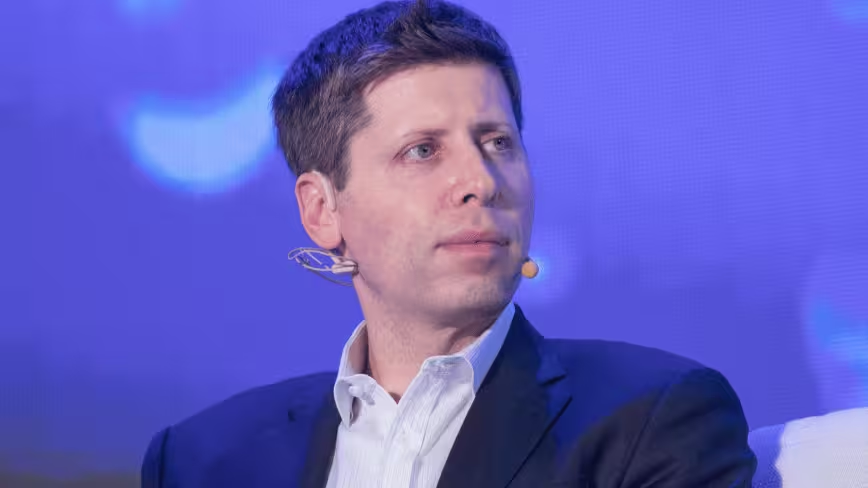
Sam Altman, CEO of OpenAI, has issued a public apology to the community of Tumbler Ridge, British Columbia, following the company's failure to alert law enforcement about a ChatGPT user who later carried out Canada's

AI chip startup Cerebras Systems has officially filed for an initial public offering (IPO), marking a renewed attempt after a 2024 withdrawal. The company, which touts its "fastest AI hardware" and boasts major deals with AWS and OpenAI, looks to capitalize on recent momentum and substantial private funding to accelerate its growth.
AI chip maker Cerebras has refiled for an initial public offering (IPO), revealing a 75% revenue surge to $510 million and a $238 million profit last year. The move positions Cerebras amid a burgeoning wave of tech IPOs, including anticipated listings from SpaceX, OpenAI, and Anthropic.

Staunch Trump supporters are now publicly questioning if he is the Antichrist, a dramatic shift from their previous perception of him as "God's chosen president." This re-evaluation was primarily triggered by an AI-generated image of Trump resembling Jesus Christ, alongside his administration's actions regarding the Iran war and recent criticism of the Vatican. High-profile conservative figures have openly expressed concern, calling the behavior blasphemous or indicative of an "Antichrist spirit." This growing schism could have significant political implications for Trump and the Republican Party, particularly among Catholic voters.
Star Wars Eclipse, Quantic Dream's High Republic title, faces an uncertain future. Reports indicate very slow development and a lack of new hires. Its fate hinges on the commercial success of Quantic Dream's new free-to-play game, Spellcasters Chronicles, whose revenue is needed to fund Eclipse.

Quick Verdict NASA Administrator Jared Isaacman's recent declaration that the odds of finding alien life are "pretty high" marks a significant, explicit shift in NASA's public narrative and strategic focus. While the

In a significant move to shape the burgeoning AI economy, OpenAI has unveiled a comprehensive set of policy proposals designed to navigate the economic and social shifts brought about by superintelligent machines. The

After 15 years, YouTube's Gaming Historian, Norman Caruso, is stepping away due to burnout. A pioneer in video game history content, he leaves behind a legacy of meticulous research and a final gift: public access to his Donkey Kong lawsuit documents.
A major seven-year DARPA-funded study, SCORE, has concluded that AI cannot reliably predict whether scientific studies will replicate. This finding dampens hopes for a "scientific credit score" and highlights the enduring difficulty of validating research amidst a flood of annual publications.
South Korea is taking a significant step towards bolstering its renewable energy infrastructure with a new nationwide mandate requiring solar panel installations on mid-to-large-sized public parking lots. This

FCC Chair Brendan Carr clarified that his recent warning about broadcast license renewals, widely seen as a threat over Iran war coverage, was actually aimed at "hoaxes and news distortions." He emphasized the FCC's role in ensuring broadcasters operate in the public interest, not in censoring specific news content. Carr also touched on tech platform regulation and other FCC actions.

Major publishers are blocking the Internet Archive, citing concerns about AI scraping. This action, while intended to control content use by commercial AI, simultaneously erases the web's critical historical record, a resource relied upon by journalists, researchers, and courts for decades. The EFF argues that archiving and AI training for transformative purposes are often fair use, and sacrificing public digital history is a severe and irreversible mistake.

Meta is rolling back end-to-end encryption for Instagram DMs by May 8, citing low user adoption of the opt-in feature. This decision has sparked criticism from privacy experts who view it as a cynical move that undermines years of public commitment to privacy and could set a dangerous precedent for the future of E2EE across big tech. The company's justification is being questioned given its previous efforts to implement default encryption.
