
in-depth: The Danger Behind Meta Killing End-to-End Encryption for
Meta is rolling back end-to-end encryption for Instagram DMs by May 8, citing low user adoption of the opt-in feature. This decision has sparked criticism from privacy experts who view it as a cynical move that undermines years of public commitment to privacy and could set a dangerous precedent for the future of E2EE across big tech. The company's justification is being questioned given its previous efforts to implement default encryption.

Meta is eliminating end-to-end encryption (E2EE) for Instagram Direct Messages (DMs) by May 8, a move that has ignited significant concern among privacy advocates and cybersecurity experts. Citing low user engagement with the previously opt-in feature, the tech giant’s decision is being scrutinized as a potential rollback of privacy protections and a troubling indicator for the future of E2EE across major platforms. This development follows years of Meta publicly committing to bolstering user privacy through robust encryption.
For nearly a decade, Meta embarked on an ambitious journey to implement default end-to-end encryption across its messaging services, a process fraught with both technical and political challenges. In December 2023, the company celebrated a milestone with the default E2EE rollout for Messenger and promised similar integration for Instagram DMs. However, Instagram DMs ultimately received only an optional, difficult-to-find encryption feature.
Now, Meta attributes the feature's removal to its limited use, with a spokesperson stating, "Very few people were opting in to end-to-end encrypted messaging in DMs, so we're removing this option from Instagram in the coming months." This explanation strikes many as disingenuous, given Meta's prior emphasis on the necessity of default encryption for widespread adoption, a lesson seemingly learned from earlier opt-in trials on Messenger.
Johns Hopkins cryptographer Matt Green, an advisor to Meta on its E2EE efforts, expressed alarm, calling the company's reasoning dishonest. He noted that Meta previously committed to default encryption for Instagram chat but then seemingly revised its stance to imply optional encryption, blaming user behavior. Davi Ottenheimer, a security executive, echoed this sentiment, describing the situation as "deeply cynical" — designing a feature to be obscure and then canceling it due to unpopularity.
A Worrying Precedent for Digital Privacy
The concern extends beyond Instagram, with experts fearing Meta's retreat could establish a problematic precedent. Few companies possess the scale and influence to champion E2EE effectively. Should Meta, a significant proponent, waver on its commitments, it could signal to other technology companies, and even other internal Meta divisions, that less effort is required for user privacy, especially as governments globally intensify pressure against encryption in the name of security.
This decision starkly contrasts with Meta CEO Mark Zuckerberg’s 2019 treatise, where he outlined a vision for a privacy-focused platform, acknowledging Facebook's historical privacy shortcomings but asserting its capacity to evolve. Years later, internal documents from a lawsuit revealed content policy head Monika Bickert's early concerns in March 2019, stating, “We are about to do a bad thing as a company," regarding Messenger's encryption plan, highlighting internal friction surrounding these privacy initiatives.
Meta's Shifting Messaging Strategy
Intriguingly, Meta's announcement directs Instagram users seeking E2EE not to Messenger, but specifically to WhatsApp. This omission is particularly telling as Messenger is currently undergoing significant changes, including the April shutdown of its standalone website and a move to re-couple it with Facebook after years of being positioned as a separate, primary chat app. This suggests a potential shift in Meta's broader messaging strategy, possibly consolidating E2EE efforts primarily within WhatsApp.
In a contrasting development, Meta is also collaborating with Signal creator Moxie Marlinspike to integrate his private AI technology, Confer, into Meta AI. This partnership aims to provide encryption protections for conversations with Meta's AI chatbot, potentially safeguarding millions of interactions. However, this initiative is in its nascent stages, with specific implementation details yet to be revealed, offering a glimpse of future privacy-focused endeavors even as existing protections are scaled back.
Trust and Corporate Motives Under Scrutiny
Without further clarification from Meta, some sources suggest the company's decade-long commitment to E2EE across its platforms might have served a strategic purpose: a "ploy" to rehabilitate its public image and rebuild user trust following numerous scandals involving data mismanagement and breaches. According to Ottenheimer, "Encryption was used politically as a shield and a sword," protecting against trust collapse and fending off government pressure. He concludes that "the privacy brand isn't as valuable" now, leading to the reversal and a blame-the-users narrative.
The elimination of end-to-end encryption for Instagram DMs signifies a notable setback for digital privacy and potentially signals a broader trend in how major tech companies approach user data protection. As global debates over surveillance and data access intensify, Meta's decision leaves a void in secure communication options on one of the world's most popular platforms, raising critical questions about the long-term commitment of tech giants to user privacy.
FAQ
Q: What is end-to-end encryption (E2EE) and why is it important?
A: End-to-end encryption is a method of secure communication that ensures only the communicating users can read the messages. It prevents third parties, including the service provider, from accessing the content of conversations. This is crucial for user privacy, protecting sensitive information from surveillance, hacking, and potential misuse.
Q: Why did Meta decide to remove E2EE from Instagram DMs?
A: Meta stated that the decision was due to "very few people opting in" to the end-to-end encrypted messaging option within Instagram DMs. Critics, however, argue that Meta made the feature difficult to discover and enable, contradicting its previous public commitments to implement default, rather than optional, encryption.
Q: Where can Instagram users go for encrypted messaging now that it's being removed from DMs?
A: Meta's statement indicated that users who wish to continue messaging with end-to-end encryption can "easily do that on WhatsApp." While Messenger also has default E2EE, Meta's communication specifically pointed to WhatsApp, amidst ongoing changes to Messenger's standalone platform.
Related articles

Apple Unveils iPhone Duo: Pricey Foldable Sees Soaring Demand
Apple has officially entered the foldable smartphone arena with the long-anticipated launch of the iPhone Duo. Priced starting at a hefty $1,999, the device features a 5.4-inch outer display and a larger 7.6-inch inner

in-depth: Chicago-Area Cops Helped HSI Spy on Minnesota Anti-ICE
Chicago-area law enforcement, including local police and HSI agents, conducted undercover surveillance on Minnesota anti-ICE activists at an April 2, 2022, talk in Chicago. This operation was part of a federal conspiracy probe into 15 Minnesota activists facing felony charges related to immigration enforcement resistance. Civil liberties advocates have condemned the surveillance as a troubling intrusion into protected political activity.

Mark Wahlberg on using AI in film ‘the right way’ and being open to
Actor Mark Wahlberg believes AI has a place in filmmaking if used responsibly for enhancement, not script generation or actor replacement. At TechCrunch Disrupt, he expressed openness to an AI likeness carrying on his legacy, managed by his family, and emphasized storytelling.

Tesla Unveils Thruster-Equipped Roadster, 2028 Production Targeted
Tesla has unveiled its second-generation Roadster, featuring cold-gas thrusters co-developed with SpaceX, enabling it to jump and flip. The electric sports car demonstrated 0-60mph in an astonishing 0.81 seconds, with production targeted for 2028. This highly anticipated reveal also serves as a key recruitment tool for Tesla's ambitious AI and robotics initiatives.
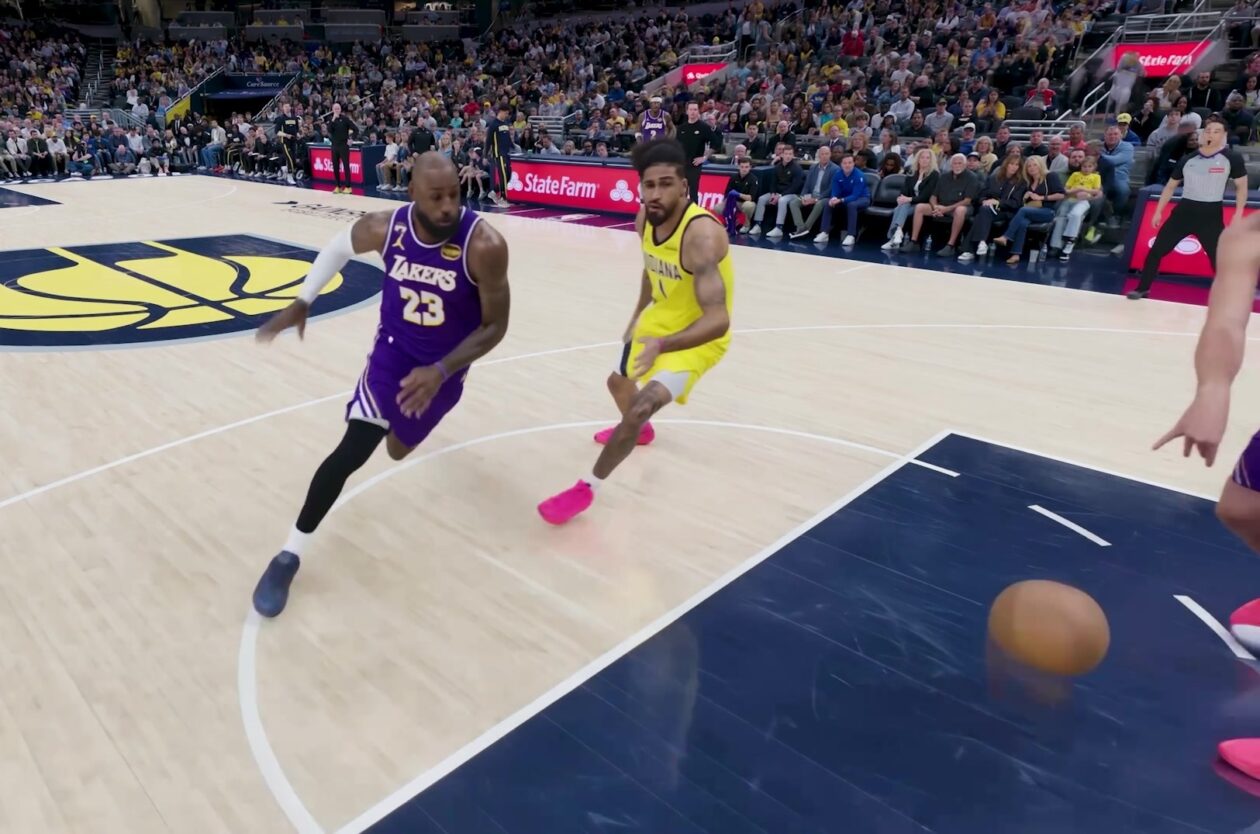
Amazon Prime Video Launches AI-Powered Prime 360 for NBA Coverage
Amazon Prime Video is elevating its NBA coverage with the introduction of Prime 360, an AI-powered replay system offering immersive, 'fly through' views of the action. Kicking off its second season, Prime Video also adds Yahoo fantasy integration and gains exclusive Eastern Conference Finals rights, expanding its tech-driven sports broadcast. The new features aim to deliver a unique and interactive viewing experience for basketball fans.
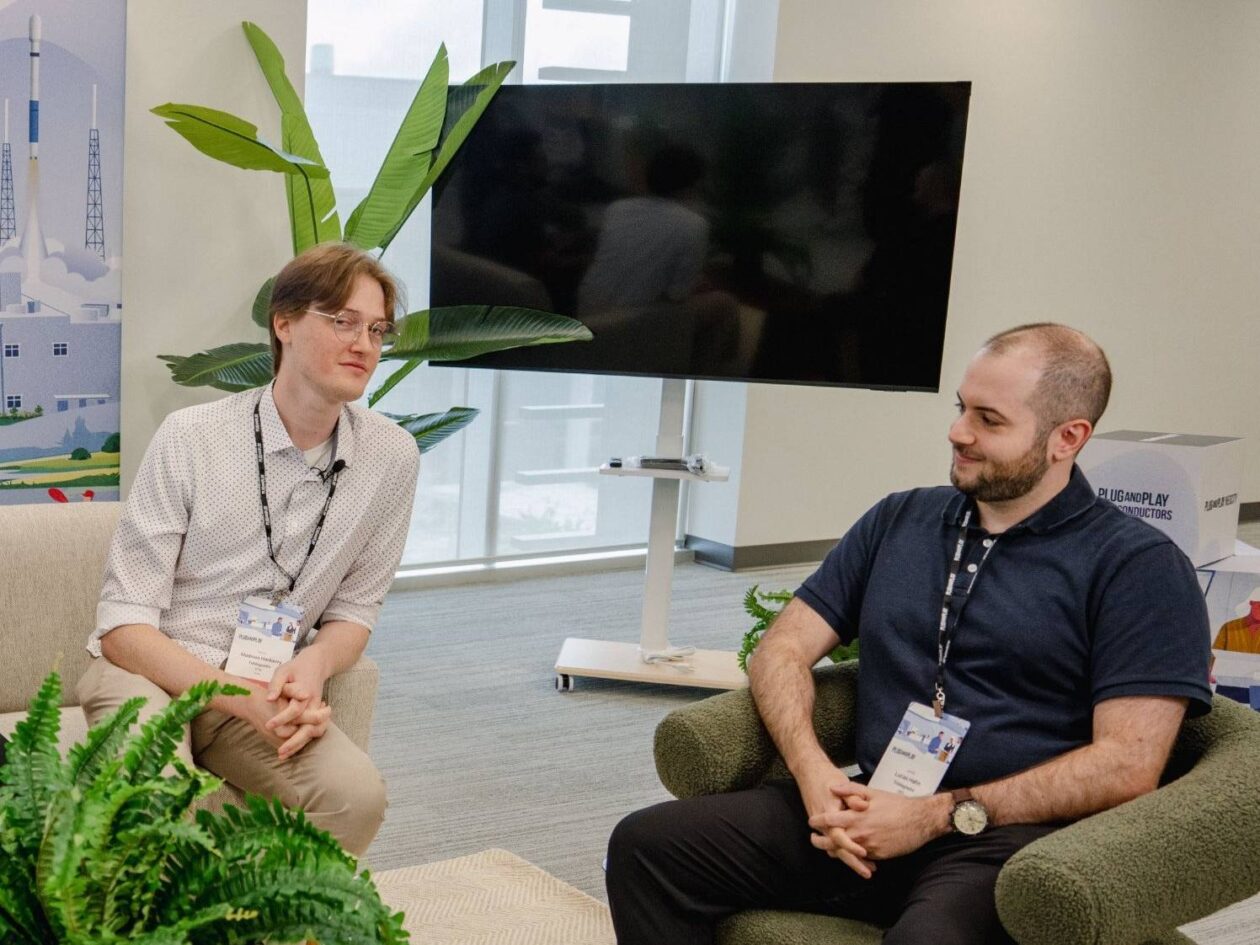
regional: A two-person Seattle startup lands $1M to reinvent
Seattle startup TriMagnetix has secured $1 million to develop semiconductor chips that consume 800 times less energy and are radiation-resistant. The two-person company, leveraging nanomagnetic technology, is targeting space applications and data centers. With new funding and key partnerships, TriMagnetix aims for commercial sales within a year.