173 results found

Former Xbox CPO Marc Whitten has been named CEO of Dolby Laboratories, a significant move for immersive entertainment and gaming. This comes amidst high-profile exits from Microsoft's AI division, with CMO Andréa Mallard and veteran researcher Ece Kamar departing. Other notable tech shifts include leadership changes at NationSwell and hires at Seattle startup Tin Can, emphasizing a dynamic tech landscape.
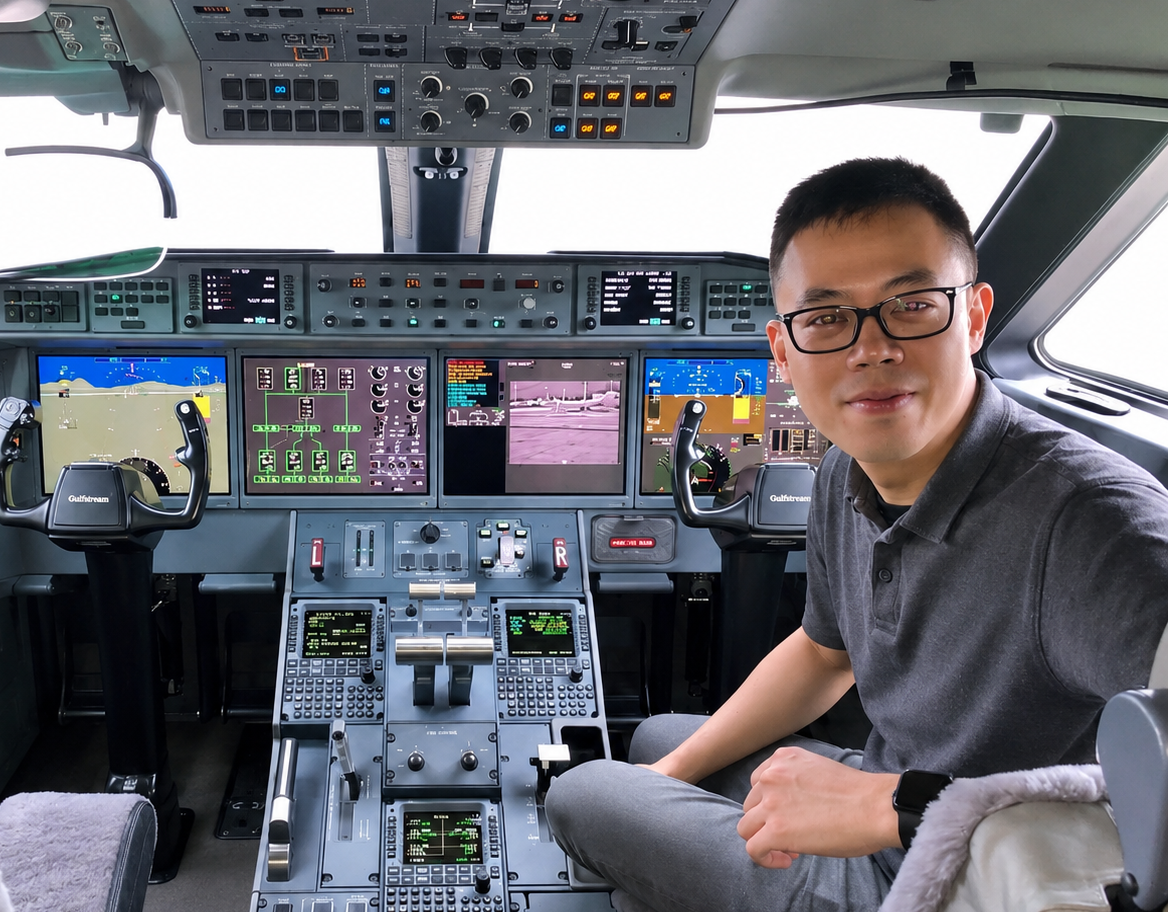
Skyfarer, a startup founded by Nick Tsang in Camas, Wash., is building an "Airbnb for aviation," a unified online marketplace connecting pilots with flight training, instructors, mechanics, and aircraft. Addressing a fragmented multi-billion dollar general aviation market, Skyfarer has rapidly grown to nearly 14,000 users and 8,500 listings by offering essential services and leveraging AI for swift development. The company's vision is to support pilots throughout their entire aviation journey, aiming to reduce dropout rates and foster a thriving flying community.

Relay, a new startup, is launching the Relay Q, a dedicated AI-powered microphone for seamless voice-to-text interaction. Available in early 2027, the device and its accompanying macOS app aim to replace traditional typing by intelligently transcribing, cleaning thoughts, and executing contextual actions, even in a whisper.

Instinct, a year-old AI startup, has rapidly secured $350 million in total funding, reaching a $2.5 billion valuation after a fresh $250 million Series B round. Its AI assistant, led by 23-year-old Noah Shinn, has garnered immense user enthusiasm for organizing various life aspects but also faces significant privacy concerns.
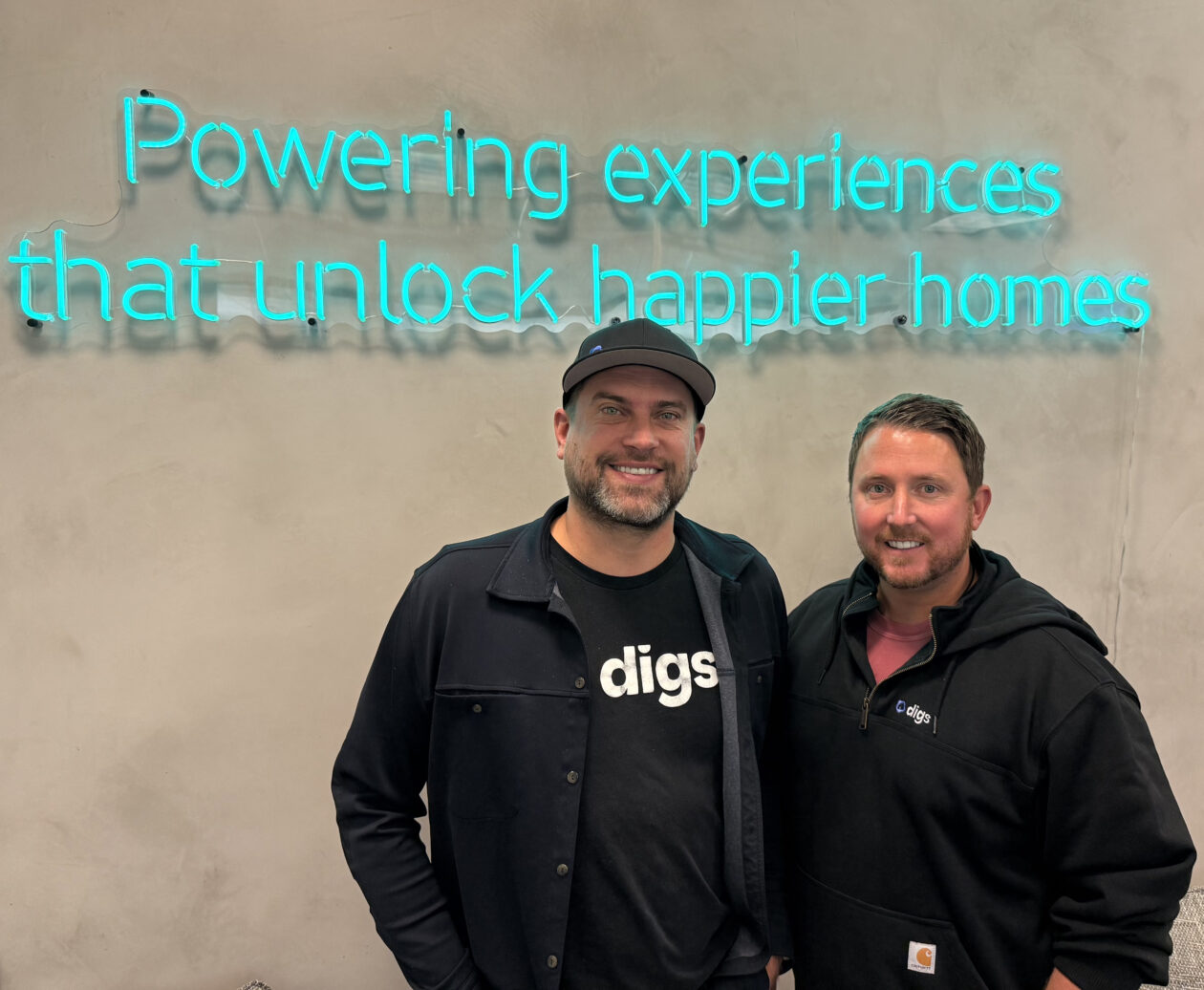
Vancouver-based AI startup Digs has secured $25.3 million in Series A funding, led by building products giant Builders FirstSource, and inked a five-year partnership. This collaboration integrates Digs' AI platform into Builders FirstSource's ecosystem, offering advanced tools to 140,000 builder clients. The technology aims to create "digital twins" of homes, streamlining construction and maintenance.
Universities should prepare founders by emphasizing deep technical skills, fostering a culture where startups are a viable path, and, most importantly, encouraging independent student projects. This "quiet" approach, focusing on building and self-directed work rather than formal "entrepreneurship" programs or business plan competitions, best cultivates the talent needed for impactful tech innovation.

GeekWire's "Week in Review" for Aug 16, 2026, is a timely and valuable digest of the Pacific Northwest's tech and startup news. It offers concise summaries of top stories, making it an efficient way to stay informed on regional and industry trends.

Humanoid Robot Shatters Usain Bolt's Sprint Record, Roboticists Remain Unmoved Beijing, August 23, 2026 – A robot from Beijing-based X-Humanoid has officially eclipsed Usain Bolt's legendary 100-meter sprint record,
Chinese AI and chip firms are implementing broad equity and cash incentives to retain engineers, countering fierce domestic competition and geopolitical pressures. Companies like Cambricon offer shares to over 85% of staff, while ByteDance and Tencent provide significant pay increases for AI talent. This approach contrasts sharply with the US's cash-first strategy and Europe's long-term training initiatives.
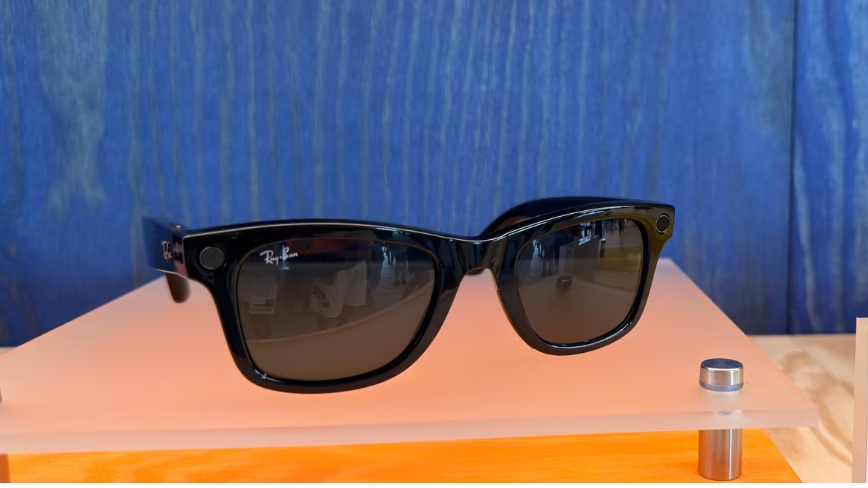
Meta smart glasses are facing widespread bans from UK cinemas, US schools, and federal agencies like ICE. The core issue is the inability to easily detect when the camera-enabled eyewear is recording, raising privacy, piracy, and harassment concerns, despite the glasses offering crucial accessibility benefits.

Cognition CEO Scott Wu has denied a Bloomberg report that SpaceX attempted to acquire the AI coding startup, stating Cognition is "not for sale" and no talks occurred. This comes as SpaceX aggressively expands its AI ventures, recently acquiring Cursor and pushing to catch up with industry leaders like OpenAI and Anthropic. While an acquisition is off the table, the companies may still be discussing a potential partnership for computing capacity.

Jeff Bezos has joined a consortium acquiring a minority stake in Liverpool FC, while a former Meta AI director launched Noosphere Labs, a physical AI startup with $10.25 million in funding. Simultaneously, supply chain company Auger moved its HQ from Seattle to Dallas, and Microsoft retired its Mico AI blob as it consolidates Copilot into a "Super App." These events reflect significant shifts in tech investment, AI development, and regional tech ecosystems.
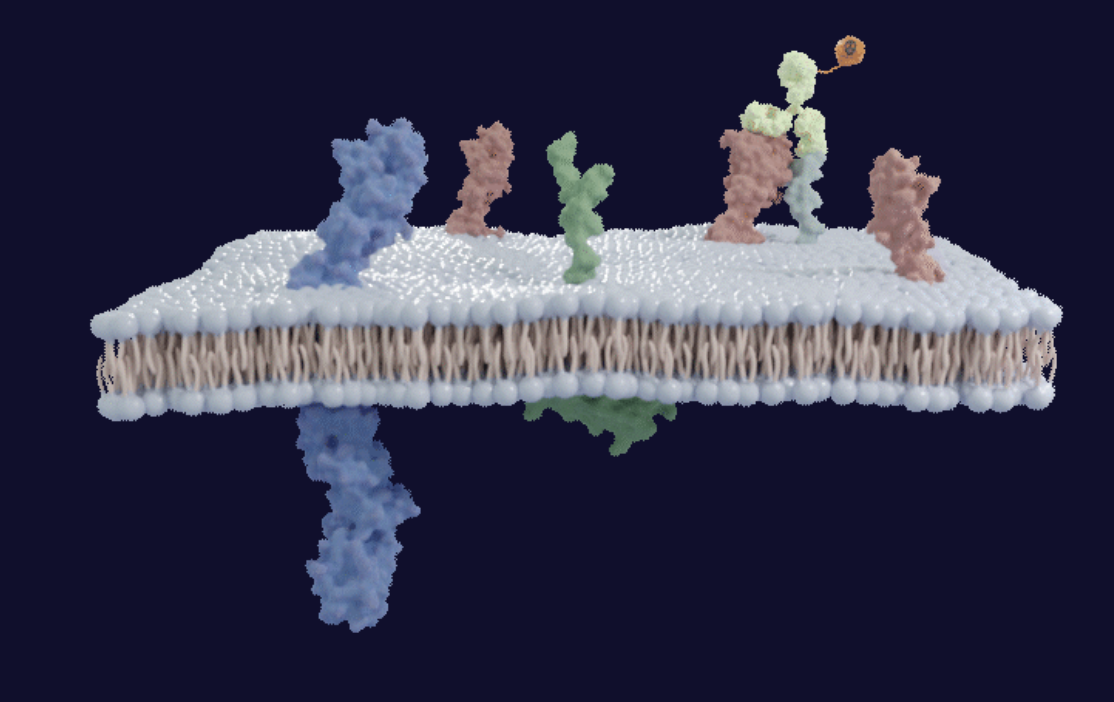
Biotech startup InduPro has secured $77 million in Series B funding and commenced its first human clinical trial for lead cancer drug IDP-001. The company's novel proximity-guided platform aims to precisely target tumors by identifying specific protein combinations on cancer cell surfaces, sparing healthy tissue. This milestone, alongside a significant Eli Lilly partnership, marks a pivotal step for the Seattle and Cambridge-based firm.
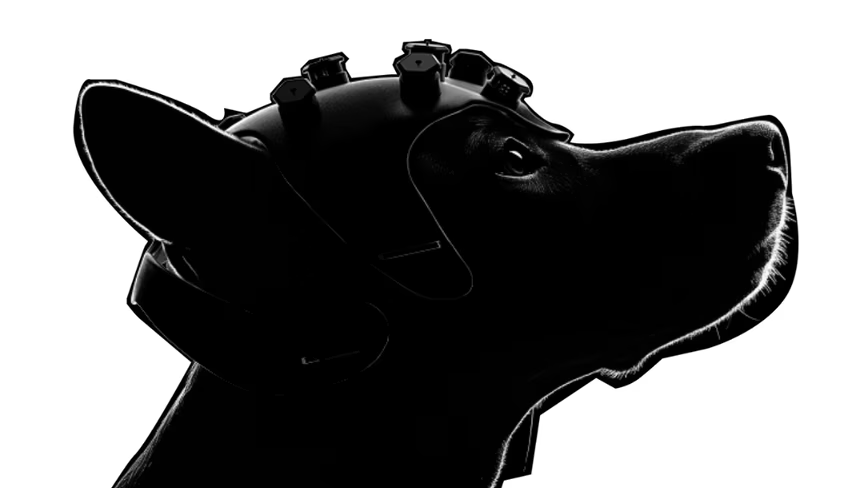
Bengaluru startup Dognosis is revolutionizing early cancer detection by integrating trained sniffer dogs with AI. The non-invasive method analyzes breath samples, showing promising results in early-stage cancer sensitivity and aiming to address low screening rates in India. While in trials and categorized as a prescreening tool, it offers a cost-effective path to widespread early detection.

US venture capital in H1 2026 saw 87.5% of funds go to megadeals, largely driven by AI. PitchBook's report reveals a stark market split: AI companies command huge premiums, while older startups are discounted by up to 59.1% based on their last funding round's vintage. The exit market remains challenging, even as unicorn numbers swell.
As of August 2026, advanced HR software with predictive turnover analytics is transforming employee retention. Platforms like HiBob, Visier, Workday, and isolved are leading the charge, enabling proactive identification of flight risks by integrating data-driven insights directly into HR workflows.
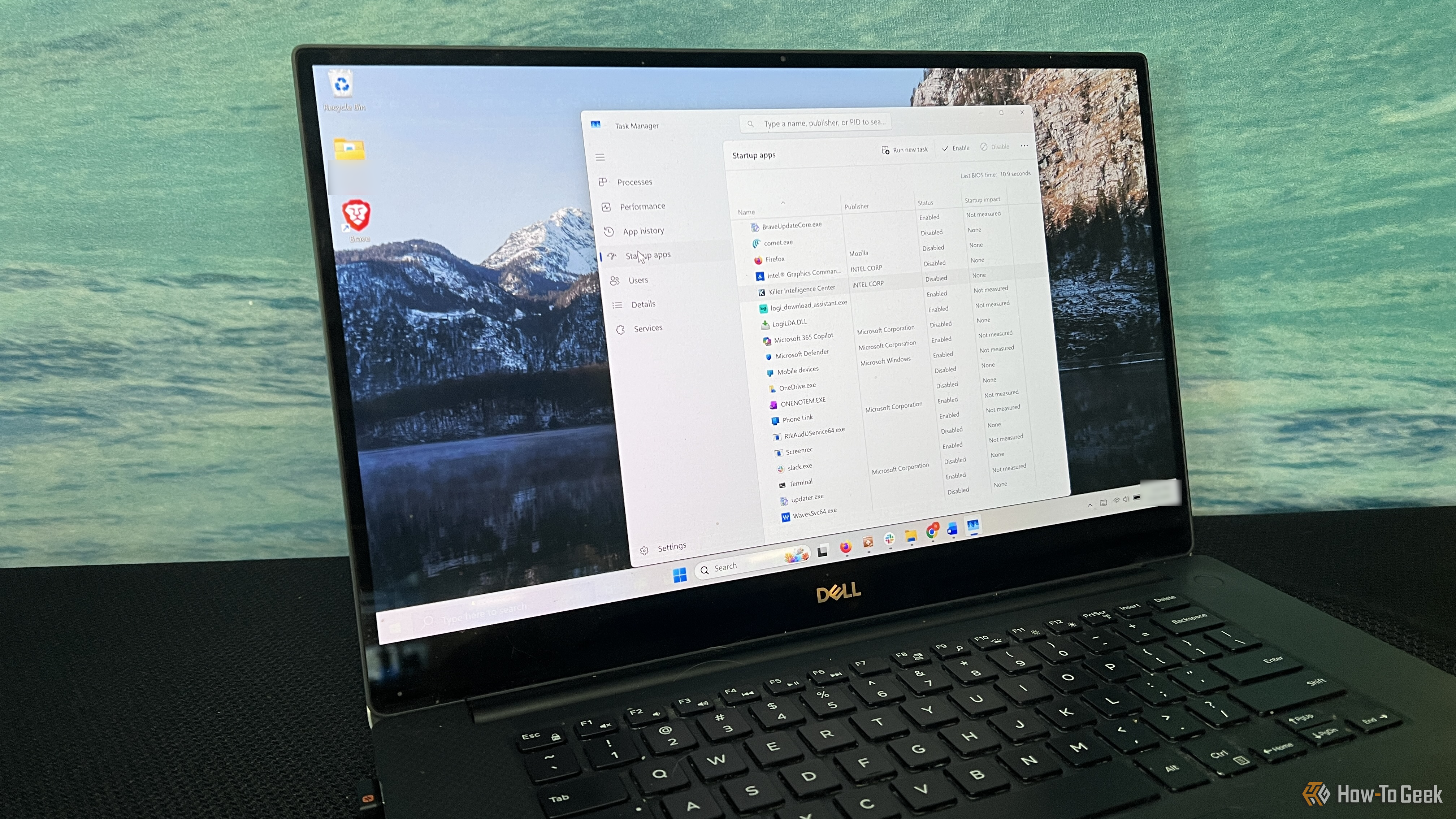
Optimize your Windows boot time without new hardware. Learn to enable UEFI Fast Boot, activate Windows Fast Startup, and clean up startup apps for a significantly faster PC in under 15 minutes.

Jennifer Bailey, the long-standing head of Apple Pay and Wallet, is retiring in October after 25 years with Apple. Her departure highlights a broader executive transition at the company, coinciding with Tim Cook handing the CEO role to John Ternus on September 1. Bailey's leadership was crucial in building Apple Pay into a multi-billion dollar service and a key part of the Apple ecosystem.

Embattled AI hedge fund Situational Awareness has invested a further $400 million into chip startup Source Foundry, bringing its total backing to $500 million. This significant move comes despite the fund recently selling off much of its public portfolio and seeing its assets under management drop from $20 billion to $10 billion. The investment underscores a continued strategic focus on critical AI infrastructure, even after recent market struggles.

OpenAI has acquired presentation startup NextSlide, integrating its team into ChatGPT development. NextSlide's AI technology transforms prompts, notes, or documents into polished, editable presentations, aligning with OpenAI's mission to enhance visual communication. Founder Ahmed Beshry, previously a co-founder of Caper AI (acquired by Instacart in 2021), stated the deal closed "earlier this year," though the financial terms remain undisclosed.

AI infrastructure startup Naïve has raised $28.5 million in Series A funding led by Nexus Venture Partners to automate the complex process of setting up and running a business. With over 30,000 developer customers, Naïve's platform allows AI agents to handle tasks from incorporation to payments, and is now focusing on optimizing the high operational costs of AI agent fleets.
Truemetrics, a YC-backed startup, is revolutionizing last-mile delivery by using smartphone sensor data to map precise parking and building entrance locations. They are profitable and scaling rapidly, now seeking a Founding GTM Lead in Berlin to discover new product opportunities and expand their enterprise solutions. This role offers direct impact on product strategy within a technically driven, fast-paced environment.

For startups building an MVP, embracing complex infrastructure like Kubernetes too early can be a major hindrance. This article, inspired by insights from Render's CEO Anurag Goel, argues for prioritizing product development over operational overhead. Learn why simpler, managed platforms are often the best choice for accelerating time-to-market and validating your core business idea.
GeekWire's "Week in Review" for July 26, 2026, offers a concise, well-curated snapshot of crucial tech and startup news. It's an indispensable read for staying updated on AI's impact, corporate shifts, and the dynamic PNW tech scene, balancing breadth with relevance.

Silicon Valley's startup scene is experiencing a dramatic shift for young founders. While AI has democratized building, enabling early success and significant funding, it also brings immense pressure for rapid growth and constant public performance. This creates a high-stakes environment where founders face intense scrutiny and ethical dilemmas alongside unprecedented opportunities.
