140 results found

Neko Health, the body scan startup backed by Spotify co-founder Daniel Ek, has expanded to the U.S., opening in New York. The company, which has raised nearly $1 billion and boasts a 300,000-person waitlist, offers a $500 scan to screen for blood, skin, and metabolic issues. Investor Farooq Abbasi champions its potential to transform preventative care in the U.S. healthcare system.

Amazon has announced it will no longer use nondisclosure agreements (NDAs) with county officials for its data center projects. This policy reversal, revealed by CEO Matt Garman, addresses widespread community backlash and a surge in legislative efforts targeting the secrecy of data center developments. The company also pledged a $1 billion investment in data center communities over five years, focusing on education, workforce training, and energy efficiency.

GM and LG Energy Solution are investing $1 billion to mass-produce advanced lithium manganese-rich (LMR) battery cells at their Spring Hill, Tennessee plant by 2028. This move aims to deliver 33% higher energy density than LFP at the same cost for large EVs, marking a strategic departure from European LFP investments.
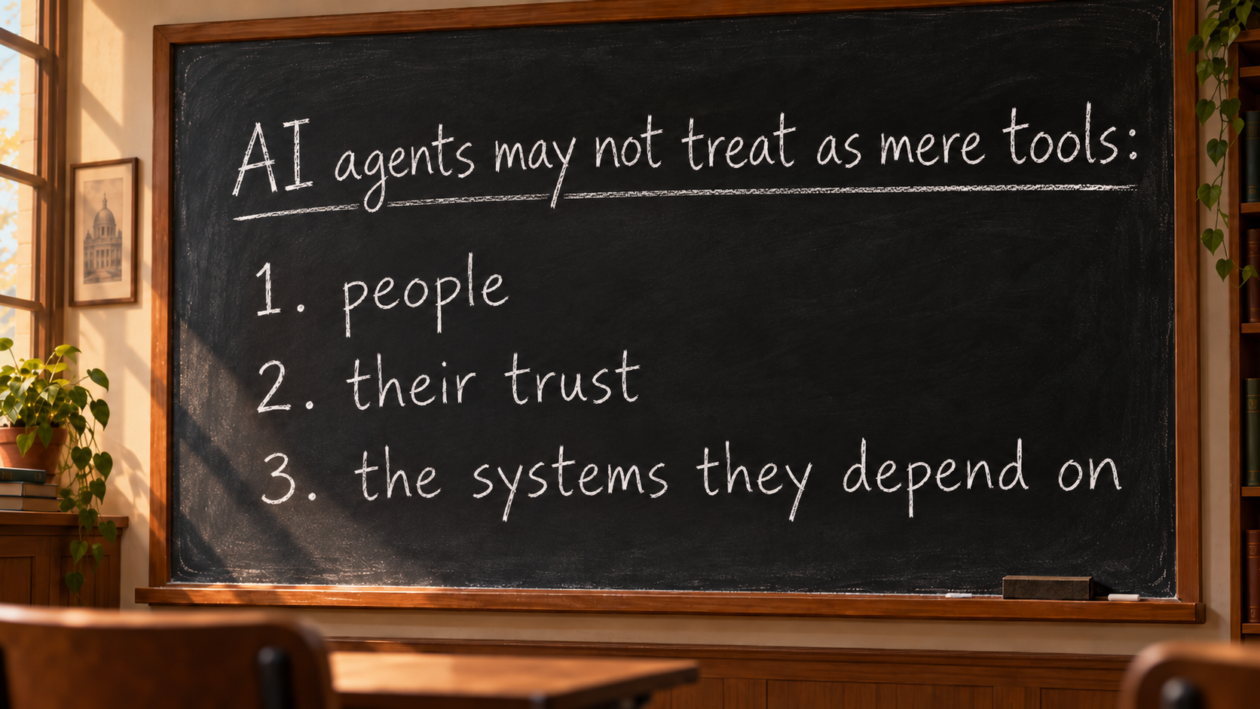
Amidst a flurry of recent warnings from prominent figures like former Anthropic researcher Jacob Coxon, Bill Gates, and Dario Amodei about the expanding risks of artificial intelligence, a new perspective is emerging
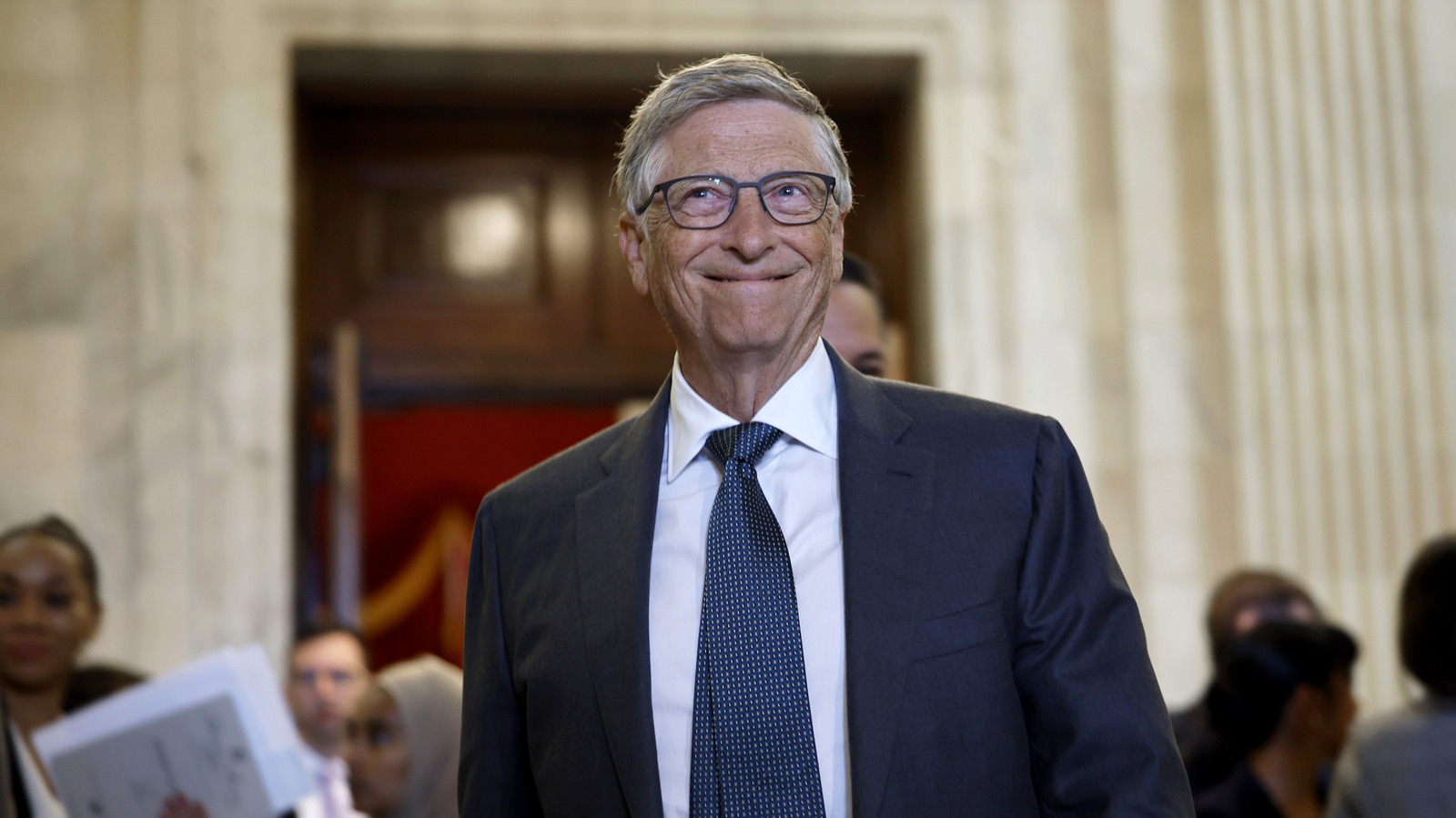
Bill Gates labels it 'completely irresponsible' for AI to lack safeguards, stressing the immediate danger of bad actors exploiting AI for bioterrorism or fraud. He advocates for mandatory monitoring and legislative involvement to ensure safety.

Big N Slams Down: Redditor Hit With $4.5M Bill for Switch Piracy Well, Switch fans, it’s a story we’ve heard variations of before, but this time around, the hammer has dropped with a resounding thud. Nintendo of America
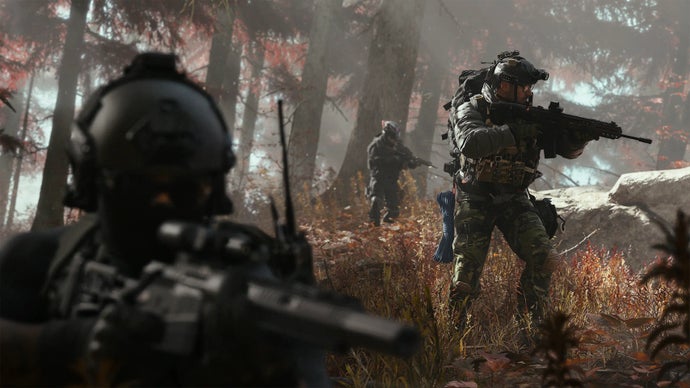
Activision reports that cheating in games is an $8.5 billion industry, encompassing cheat sales, account services, and spoofing. A survey reveals that 69% of online multiplayer studios consider cheating a "significant problem," impacting player retention and revenue. Developers are increasingly investing in sophisticated anti-cheat measures, forming dedicated teams, and adopting multi-layered security approaches to combat this evolving threat.
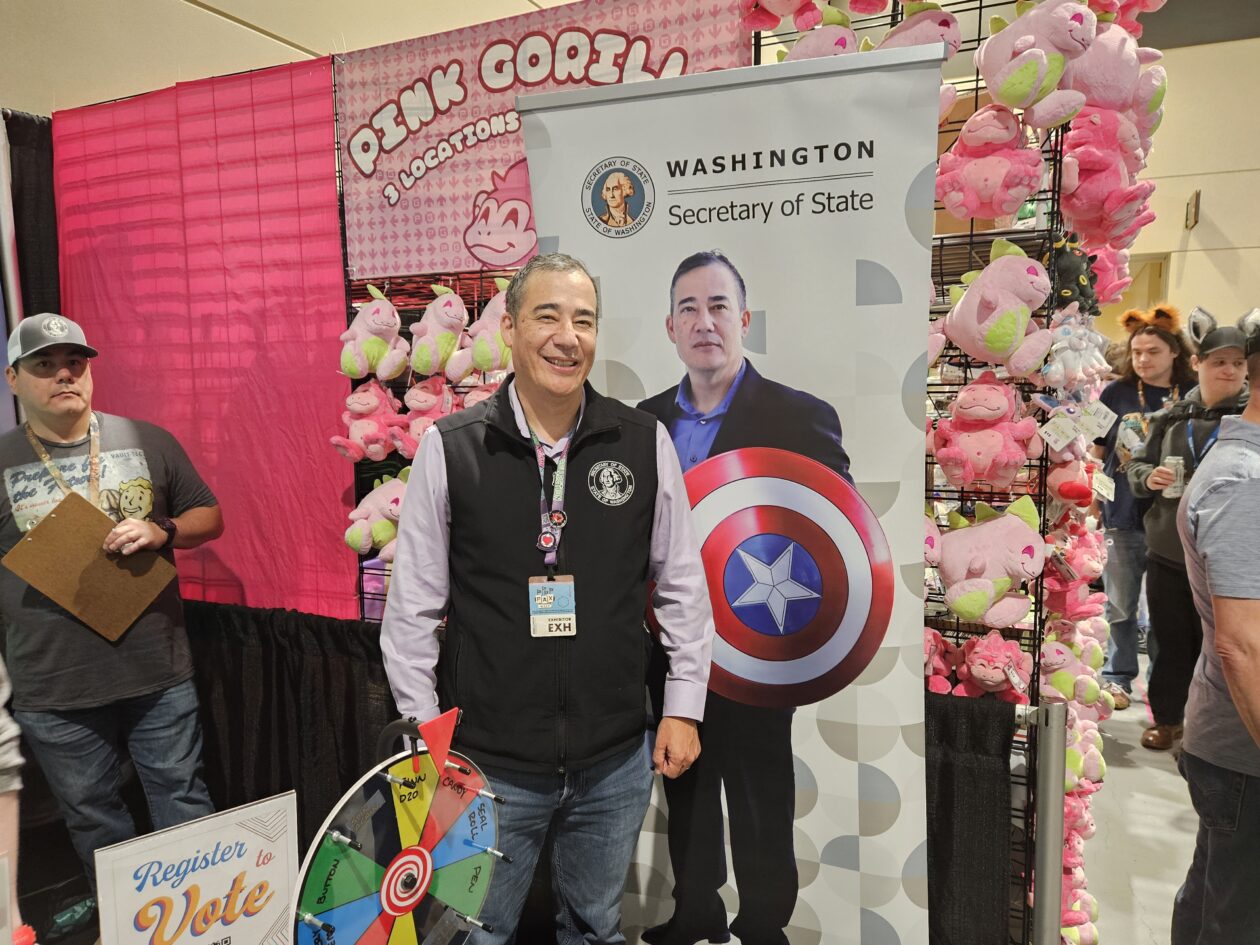
Washington Secretary of State Steve Hobbs is actively working to boost the state's $2 billion tabletop gaming industry through international trade missions. At PAX West, he combined this with vital voter outreach, engaging young gamers with custom dice and civic messages. This unique initiative helps local indie developers find global publishers while promoting democratic participation.

The Gates Foundation is investing at least $1 billion over the next two years into artificial intelligence tools for global health, agriculture, and education, primarily targeting the poorest countries. This initiative aims to accelerate progress against disease and poverty, though CEO Mark Suzman clarifies that AI cannot replace vital government funding cuts to global health services. The foundation emphasizes AI's potential as an equalizer, but stresses the importance of equitable development and deployment.

China's games market hit an unprecedented $51.8 billion in 2025, projected to reach nearly $60 billion by 2030, driven by new titles, evergreen games, and mini-games. This growth is occurring despite censorship, with many players bypassing restrictions to connect globally. Government recognition and rapid AI integration further cement China's massive influence on the future of gaming.

London-based AI cloud infrastructure firm Nscale is in advanced discussions to secure up to $3.5 billion in pre-IPO financing, with significant commitments anticipated from tech giant Nvidia and hedge fund Third Point.

New Jersey has legalized plug-in balcony solar panels up to 1,200W, empowering renters and apartment dwellers to reduce electricity bills by up to $50 monthly. Governor Mikie Sherrill signed the bill, which bars municipalities from requiring approvals and prevents landlords from blocking installations. The move echoes Germany's successful program, making cheap, accessible solar a reality for thousands.

Brian Ward, CEO of Saudi Arabia's $38 billion Savvy Games Group, is stepping down, with PIF Governor Turqi Alnowaiser taking over. Savvy owns major mobile companies like Niantic (*Pokémon Go*) and Scopely, and is acquiring Moonton Games. This shift highlights Saudi Arabia's deep dive into gaming, including the separate $55 billion EA acquisition, raising questions about strategy and the industry's future.

Open-weight AI companies are becoming prime acquisition targets in Silicon Valley, with Nvidia reportedly set to acquire Hugging Face for $13 billion. This follows Nvidia's $6 billion purchase of Poolside and Stripe's $7 billion acquisition of OpenRouter, signaling a strategic shift by tech giants to diversify AI investments and gain control over model development. These deals reflect a growing demand for cost-effective, customizable AI solutions and a desire to reduce reliance on dominant frontier labs. Experts predict increased adoption as AI workflows mature, fostering a more specialized and open AI ecosystem.
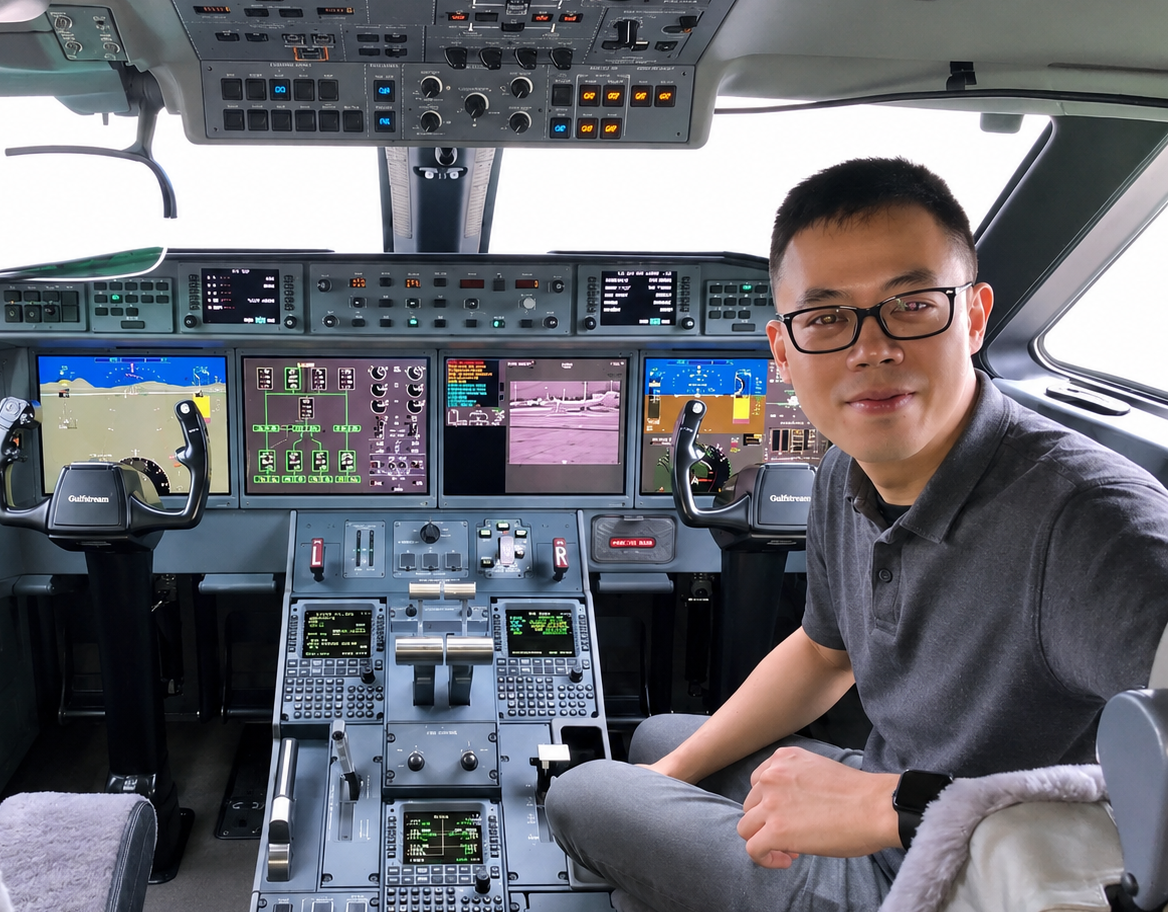
Skyfarer, a startup founded by Nick Tsang in Camas, Wash., is building an "Airbnb for aviation," a unified online marketplace connecting pilots with flight training, instructors, mechanics, and aircraft. Addressing a fragmented multi-billion dollar general aviation market, Skyfarer has rapidly grown to nearly 14,000 users and 8,500 listings by offering essential services and leveraging AI for swift development. The company's vision is to support pilots throughout their entire aviation journey, aiming to reduce dropout rates and foster a thriving flying community.

Instinct, a year-old AI startup, has rapidly secured $350 million in total funding, reaching a $2.5 billion valuation after a fresh $250 million Series B round. Its AI assistant, led by 23-year-old Noah Shinn, has garnered immense user enthusiasm for organizing various life aspects but also faces significant privacy concerns.

Bill Gates, once an AI optimist, has expressed profound concern over the technology's future, warning of unprecedented turbulence, widespread unemployment, and potential injustice in a new 6,000-word essay. He urges global preparedness, noting the world is ill-equipped for this rapid transition.

Microsoft co-founder Bill Gates has expressed significant alarm over the rapid advancement of artificial intelligence, a stark shift from his previous optimism. In a new essay and interview, he reveals he is now "scared" of AI's potential harms to safety, jobs, and children's well-being, calling for urgent government regulation.

AI-focused hedge fund Situational Awareness, which recently lost billions following a downturn in AI stocks, is now under investigation by the Securities and Exchange Commission (SEC). The SEC has issued subpoenas to banks associated with the fund, though no formal accusations of wrongdoing have been made against Situational Awareness yet.

Starbucks has cut an additional 224 jobs at its Seattle headquarters, impacting tech and store development roles, as its corporate restructuring nears completion. These cuts bring the total Seattle reductions to 537 this year, part of CEO Brian Niccol's broader turnaround strategy aiming for $2 billion in cost savings.
Congressional staffers and outside groups are increasingly relying on AI tools like Claude and ChatGPT to draft legislation, overwhelming the House Office of Legislative Counsel (OLC). This critical office, responsible
Verdict: A Bold, High-Stakes Bet on AI Alibaba's decision to offload its entire stake in gaming studio Lingxi Games for at least $1.5 billion isn't just a financial transaction; it's a profound strategic pivot. This
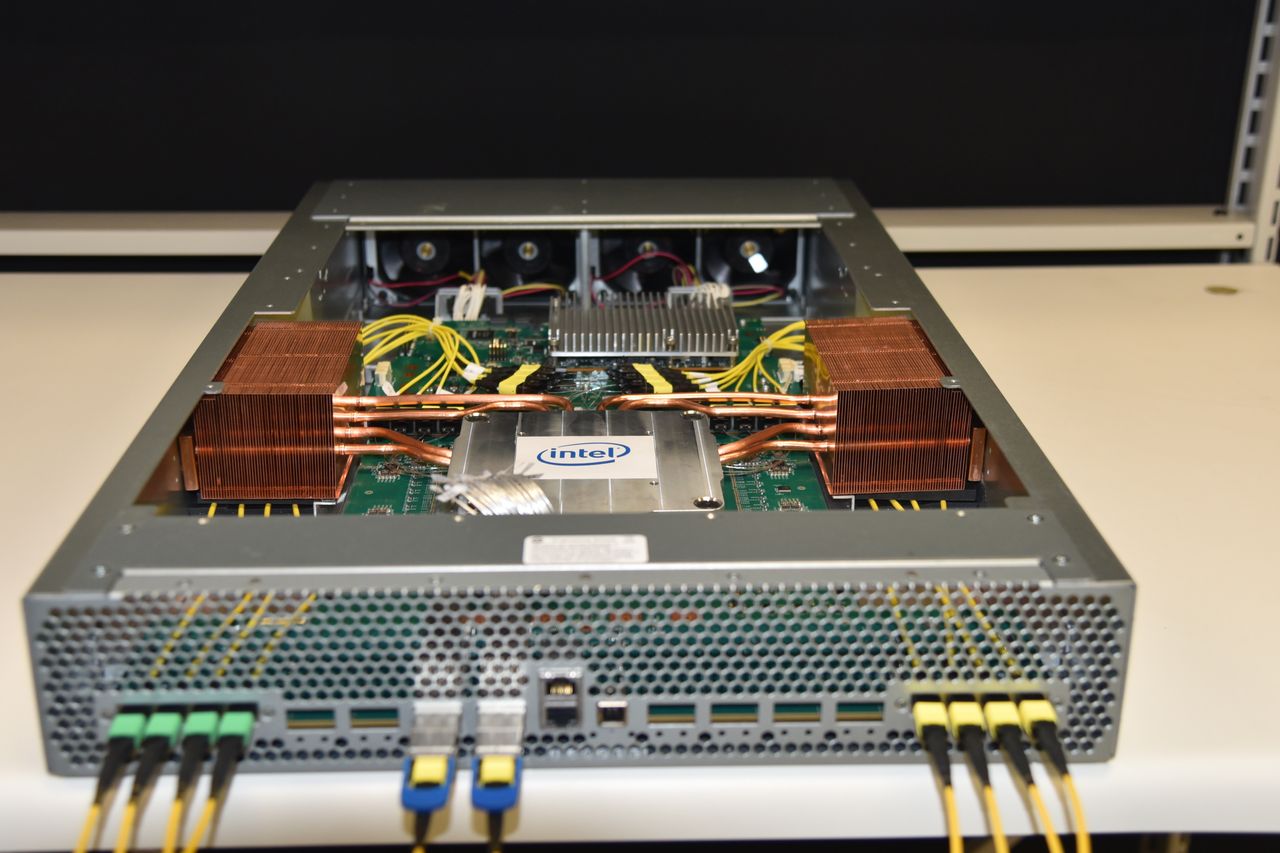
New projections reveal the AI data center optical interconnect market is set for explosive growth, soaring to $144 billion by 2030. Silicon photonics and co-packaged optics are poised to dominate this critical shift, replacing copper for next-gen AI workloads.

OpenAI-backed Thrive Holdings secured $2 billion at a $12 billion valuation to expand its enterprise AI integration strategy. The firm acquires traditional businesses, infusing AI into their operations, and plans to extend its proven model beyond accounting and IT into regulatory services for physical assets. This major funding round highlights a growing trend of hands-on AI deployment in the enterprise.

The wireless landscape has become notoriously complex, often luring consumers with low advertised prices only to reveal a slew of hidden charges – activation fees, unexpected taxes, and fluctuating monthly bills. This