
China's Gaming Titan: Cracking the $50 Billion Mark
China's games market hit an unprecedented $51.8 billion in 2025, projected to reach nearly $60 billion by 2030, driven by new titles, evergreen games, and mini-games. This growth is occurring despite censorship, with many players bypassing restrictions to connect globally. Government recognition and rapid AI integration further cement China's massive influence on the future of gaming.

China's Gaming Titan: Cracking the $50 Billion Mark
Hey fellow gamers! Ever wondered just how colossal the global gaming landscape is becoming? Well, buckle up, because a new report from Niko Partners just dropped, and it paints an absolutely staggering picture of the Chinese games market. For the very first time, this powerhouse region shattered the $50 billion revenue barrier in 2025, clocking in at an incredible $51.8 billion – a solid 5.4% jump from the previous year. And guess what? This isn't a one-off spike; the projections are even more mind-boggling, with the market expected to hit $53.9 billion in 2026 and a colossal $59.8 billion by 2030. We’re talking about a sustained, impressive growth trajectory here, with a player base projected to swell to an eye-watering 769 million by the end of the decade, all while average weekly playtime nudges up to nearly 16 hours. The sheer scale is almost hard to comprehend, isn't it?
The Engine of Growth: What's Driving the Surge?
So, what’s behind this monumental surge? Niko Partners attributes much of it to a powerful combination: the stellar performance of freshly launched titles alongside the enduring appeal of beloved, evergreen games. It’s a testament to both innovation and legacy, showing that players in China are embracing new experiences while also sticking with their long-time favorites. This kind of dual-engine growth is incredibly robust, indicating a healthy and diverse ecosystem where developers can thrive, whether they’re pushing boundaries with new IPs or meticulously maintaining popular live-service experiences. It’s not just about one breakout hit, but a broad uplift across the board.
Mini-Games, Massive Impact: Mobile's Quiet Revolution
While we often focus on blockbuster AAA titles, the report highlights a fascinating and significant segment driving substantial growth: mini-games. These bite-sized, often casual experiences are proving to be a major force, with a whopping 80% of Chinese players engaging with them. What’s more, mini-games are now responsible for nearly 20% of all mobile game spending in the country! This isn’t just a casual pastime; it’s a serious revenue driver. The way players discover new games is also evolving, with almost half of them turning to short video apps for information and recommendations across various platforms. This shift points to a more dynamic, visually driven discovery model that developers need to adapt to.
Bypassing the Great Firewall: A Global Community
Here’s an interesting and perhaps less discussed facet of the Chinese market: a significant portion of its players are finding ways to connect with the global gaming community, despite the country’s stringent internet censorship. The report reveals that a full 66% of Chinese players utilize various methods to bypass these restrictions. This includes 30.8% playing on global servers, 33.6% using gaming accelerators to optimize their connections, and 21.9% employing VPNs. This isn't just a technical detail; it speaks volumes about the passion and determination of Chinese gamers to experience a wider array of titles and engage with players worldwide. It underscores the universal appeal of gaming and how players will find a way to connect, even when faced with digital barriers.
Government Recognition & The AI Frontier
Perhaps one of the most significant shifts identified in the report is the changing perception and official recognition of video games within China. For the first time, video games have been explicitly included in the country’s 15th Five-Year Plan for National Economic and Social Development (2026-2030). Previously, games were often bundled under the broader, more ambiguous category of "digital cultural products." This inclusion is a huge deal, signaling a more structured and supportive approach from the government, which could lead to further regulatory clarity and a more stable environment for game development.
Beyond policy, Chinese game companies are also rapidly embracing the bleeding edge of technology, particularly generative AI. We’re seeing a broad boom in user-generated content (UGC) platforms, fueled by companies integrating generative AI into their development pipelines and player-facing features. From AI-assisted art creation to dynamic content generation and personalized experiences, this technology is poised to redefine how games are made and played. This rapid expansion of AI infrastructure is even driving demand for crucial components like RAM and semiconductors, indicating a profound impact on the tech industry as a whole.
Evolving Tastes: Niche Genres and Premium Experiences
The next five years in the Chinese market aren't just about bigger numbers; they're about evolving player preferences. Niko Partners points to a significant growth in niche genres, suggesting that as the market matures, players are seeking more specialized and diverse experiences beyond the mainstream. This is fantastic news for developers working on unique concepts, as it indicates a burgeoning appetite for variety. Complementing this, there's also a noticeable trend of higher consumer spending on premium PC and console titles. While mobile still dominates, the willingness of players to invest in high-quality, often more immersive experiences on traditional gaming platforms shows a deepening engagement with gaming as a whole. This diversification of interest and spending habits paints a vibrant picture of a market that’s growing not just in size, but in sophistication.
The Road Ahead: What This Means for Gamers
Looking at the big picture, the Chinese games market is clearly in a period of sustained, robust growth. With ongoing innovation, increasing regulatory clarity, and truly robust player engagement, Niko Partners is confident about the long-term outlook. For us, the global gaming community, this means a few things. Firstly, expect more incredible games to emerge from Chinese developers, many of whom are already pushing boundaries and achieving international success. Secondly, the sheer scale and evolving tastes of this market will undoubtedly influence global game design trends, investment, and technological advancements – especially with the rapid adoption of AI. It's a fascinating, dynamic region that will continue to be a crucial pillar of the worldwide gaming industry for years to come. The future of gaming is global, and China is unequivocally leading a significant part of that charge.
FAQ
Q: What is the primary reason for China's games market surpassing $50 billion? A: The market's growth is largely attributed to the stronger-than-expected performance of both newly launched titles and popular, long-standing legacy games, indicating a healthy and diverse engagement from players.
Q: How are mini-games impacting the Chinese market? A: Mini-games are a significant growth segment, with 80% of Chinese players engaging with them. They now account for almost 20% of mobile game spending, showcasing their massive popularity and revenue-generating power.
Q: What role does generative AI play in the future of Chinese gaming? A: Chinese game companies are rapidly integrating generative AI into their development processes and player-facing features. This technology, along with a boom in user-generated content platforms, is expected to drive innovation and redefine how games are created and experienced in the coming years.
Related articles

No More Robots Sails into New Territory with Cruise Control
After nine years of publishing success, indie studio No More Robots is launching its first self-developed IP, `Cruise Control`, a puzzle game born from a pivot away from a shelved online shooter. Founder Mike Rose reflects on the company's unconventional, lean approach, the accidental success of `Descenders`, and the massive potential of upcoming title `Another Door`, while also considering his own future in the demanding industry.

OpenAI's Bubeck Denies Credit Stripping, Apologizes Amidst
OpenAI's Sébastien Bubeck denies attempting to strip Anthropic mathematician Levent Alpöge of credit for his work on the Navier-Stokes problem, apologizing for a remark made during contentious private discussions. OpenAI CEO Sam Altman backed Bubeck, but Alpöge and his collaborator, Tristan Buckmaster, present a conflicting account of events. The dispute also raises questions about OpenAI's data handling policies, as the mathematicians claim to have used OpenAI's Codex tool during their research.
The One Zero Company Achievement That Got Away From Me
Star Wars Zero Company is a stellar turn-based tactics game, but the author is playfully irked by one missing achievement: a reward for completing the game without losing any squad members to its brutal permadeath system. Despite this minor gripe, the game is lauded as one of the year's best, showcasing deep strategic gameplay.

Ace Combat 8 Takes Flight with Star-Studded Prequel Series
Ace Combat 8: Wings of Theve is launching soon, but not before a live-action prequel miniseries, Hour Zero, drops exclusively on IGN. Starring Josh Holloway, Brandon Routh, and Tamlyn Tomita, this four-part show will build narrative context for the game's campaign, starting September 15. Holloway shared his renewed love for gaming and a desire to adapt games into movies.
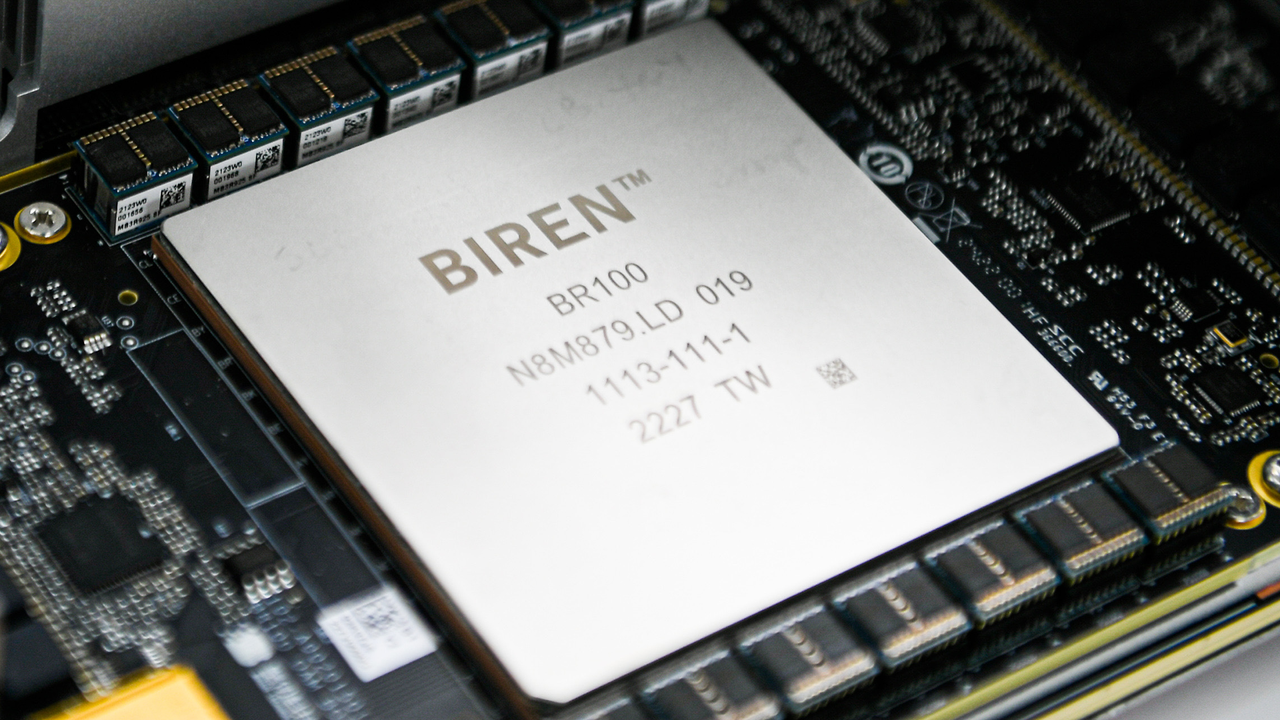
Biren AI Accelerators: Explosive Growth in a Restricted Market
Biren Technology shows explosive 2,000% revenue growth in China's AI accelerator market, benefiting from US export controls. Despite impressive gains from a small base, challenges in manufacturing and software remain.

in-depth: Best Bluetooth Speaker (2026): JBL, Sonos, Marshall, and
WIRED's 2026 guide names the JBL Flip 7 the top Bluetooth speaker, recognizing its balance of sound, durability, and affordability. The updated list highlights significant advancements across the portable audio market, with specialized picks from Sonos, Marshall, and KEF offering enhanced smart features, battery life, and sound quality for diverse user needs.