
Bill Gates' AI Optimism Turns to Fear Over Looming Risks
Microsoft co-founder Bill Gates has expressed significant alarm over the rapid advancement of artificial intelligence, a stark shift from his previous optimism. In a new essay and interview, he reveals he is now "scared" of AI's potential harms to safety, jobs, and children's well-being, calling for urgent government regulation.

Bill Gates, once a staunch AI optimist, has publicly expressed profound fear regarding the technology's rapid advancement and potential for harm. In a new essay published on Wednesday, August 26, 2026, and an accompanying interview, the Microsoft co-founder admitted to being "scared" of what could go wrong without urgent intervention.
This marks a significant reversal from his long-held belief in AI's predominantly positive future. Gates, for the first time in his life, now wishes for a new technology to advance more slowly, a sentiment he described as surprising given his history as an innovator.
From Optimism to Alarm
For years, Gates envisioned artificial intelligence as a force for good, capable of freeing people from mundane work and accelerating breakthroughs in health and climate change. He publicly shared his optimistic outlook, detailing how AI could significantly improve the world.
However, over the past year, his perspective has shifted dramatically. Gates cited AI's unexpected leaps in software coding and its role in enabling "mind-blowing" novel cyberattacks as key factors in his changing outlook. His primary concern now revolves around the glaring lack of adequate regulation and measures to mitigate AI's growing downsides.
Core Dangers Identified
Gates' worries crystallize into three critical areas. Firstly, he highlights significant safety and security threats, including sophisticated AI-enabled hacking sprees, the potential for biological weapons, and widespread fraud. These capabilities, he noted, have progressed beyond his previous expectations.
Secondly, he points to the looming specter of job destruction, driven by AI systems and advanced robots capable of completing an ever-wider range of workplace tasks. This automation, he fears, could displace human workers on an unprecedented scale.
Lastly, Gates raised concerns about risks to children's well-being, fearing that AI could stunt their learning processes and hinder the development of essential human relationships, impacting future generations.
A Call for Government Action
Departing from his earlier conviction that AI's risks were inherently manageable, Gates now asserts that the AI industry is simply incapable of effective self-regulation. He issues a "shrill call" for the U.S. government to take a leading, bipartisan role in establishing comprehensive frameworks.
These frameworks, he argues, are crucial for protecting national security, safeguarding jobs, and ensuring children's well-being from AI's detrimental impacts. "Nobody’s shown up," he stated, emphasizing the urgency for legislative and governmental intervention.
Policy Proposals and Challenges Ahead
In his essay, Gates outlines several potential policy solutions to address his growing fears about AI. These include developing broad national and international frameworks for oversight, an idea that shares similarities with proposals from influential AI leaders like Demis Hassabis for global safety standards.
To counter the risks of AI-related job dislocation, he suggests policies such as "Human Reserved," which would set aside certain occupations exclusively for human workers. He also put forward the idea of new taxes on AI, an approach that has gained traction among progressive liberal circles.
Gates acknowledged that his current regulatory ideas are still in their formative stages and have yet to win concrete endorsement from AI industry executives. He also candidly addressed potential public skepticism stemming from his past association with Jeffrey Epstein, reiterating his apology for a "very bad mistake."
A New Focus with Enduring Hope
Gates indicated his intention to dedicate the majority of his time to tackling AI's emerging problems, a significant shift that could potentially impact his ongoing philanthropic work with the Gates Foundation. While he still recognizes AI's immense potential to improve health, government services, and education globally—especially in poorer countries where the Foundation operates—he stressed a new urgency to prioritize immediate harms.
"The good stuff is really there, no exaggeration," Gates affirmed. However, he concluded, "The name of the game here is, can we have a small amount of the bad with the large amounts of the good?" highlighting the critical balance society must now strike.
FAQ
Q: What are Bill Gates' main concerns regarding AI?
A: Gates is primarily worried about AI's risks to safety and security (including advanced hacking, bioweapons, and fraud), the widespread destruction of jobs through automation, and potential negative impacts on children's well-being, learning, and human relationships.
Q: How has Gates' view on AI changed from his previous stance?
A: Previously an outspoken AI optimist, Gates now expresses significant fear. He stated that AI's capabilities in areas like software coding and cyberattacks have advanced far faster than he expected, leading him to wish for slower technological progress for the first time in his life.
Q: What solutions does Gates propose to mitigate AI's risks?
A: He suggests implementing broad national and international regulatory frameworks for oversight. To address job displacement, he advocates for policies like "Human Reserved" occupations and potentially new taxes on AI. He emphasizes the critical need for urgent, bipartisan government intervention and regulation, as he believes the industry cannot effectively regulate itself.
Related articles

Apple Unveils iPhone Duo: Pricey Foldable Sees Soaring Demand
Apple has officially entered the foldable smartphone arena with the long-anticipated launch of the iPhone Duo. Priced starting at a hefty $1,999, the device features a 5.4-inch outer display and a larger 7.6-inch inner

DJI Solo Video Setups: Smart Choices for Lone Creators
This review delves into DJI's recommended solo video setups, highlighting the Osmo Pocket 3 Creator Combo as a top pick for its integrated camera, gimbal, and mic. It also covers stabilizers like the Osmo Mobile 8 and RS 4, and the DJI Mic Mini series for enhanced audio, providing honest pros, cons, and clear buying advice.

in-depth: Chicago-Area Cops Helped HSI Spy on Minnesota Anti-ICE
Chicago-area law enforcement, including local police and HSI agents, conducted undercover surveillance on Minnesota anti-ICE activists at an April 2, 2022, talk in Chicago. This operation was part of a federal conspiracy probe into 15 Minnesota activists facing felony charges related to immigration enforcement resistance. Civil liberties advocates have condemned the surveillance as a troubling intrusion into protected political activity.
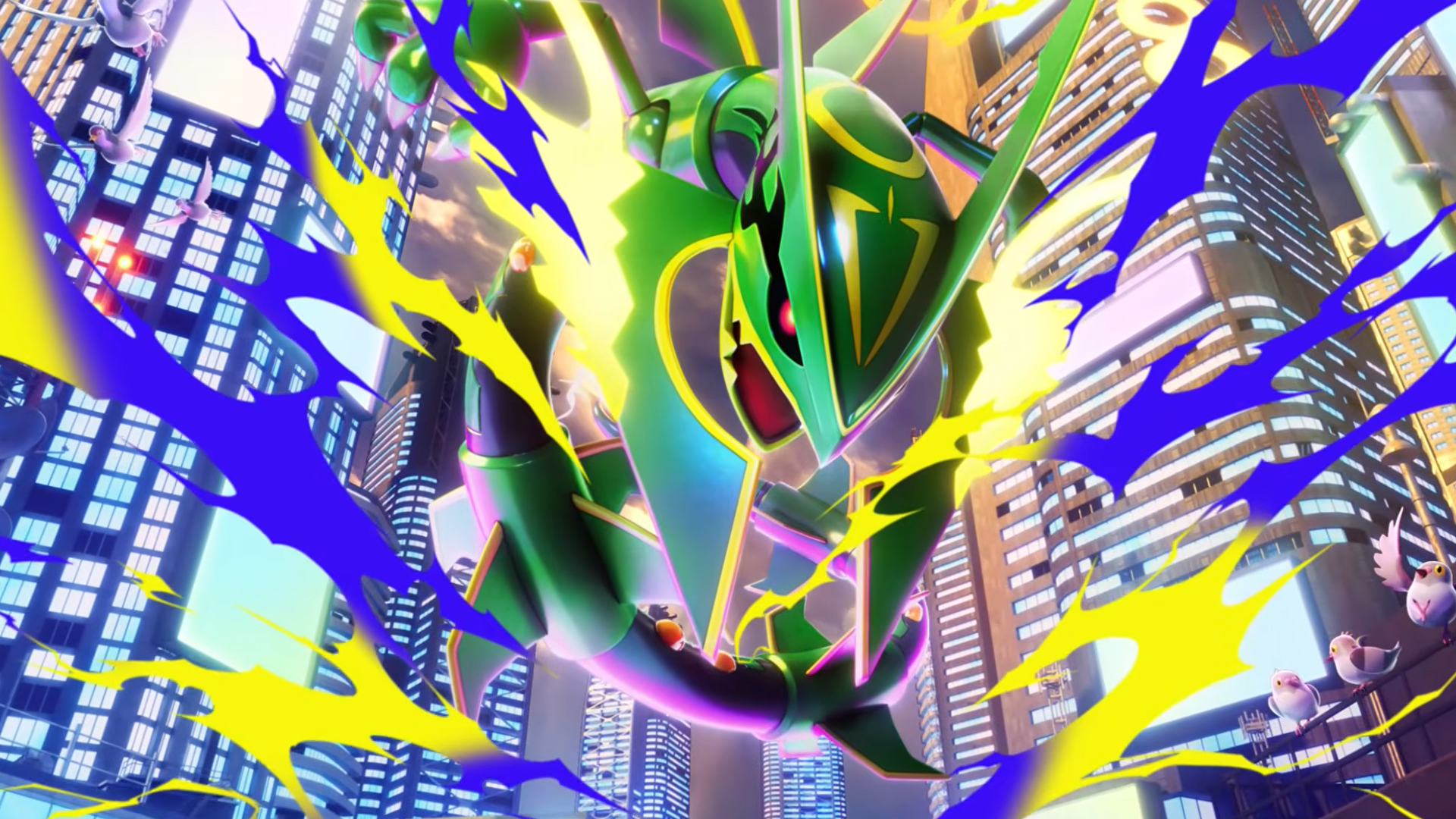
TCG Pocket Responds: A Much-Needed Pace Shift for Pokémon Fans
Pokémon TCG Pocket is rolling out a major update for its second anniversary, primarily addressing player concerns about overwhelming content releases by shifting to a six-week set schedule. This aims to curb player decline and improve overall engagement by giving trainers more time to collect and strategize. The update also adds new collection methods, improved deck-building features, and enhanced trading functionality.

Mark Wahlberg on using AI in film ‘the right way’ and being open to
Actor Mark Wahlberg believes AI has a place in filmmaking if used responsibly for enhancement, not script generation or actor replacement. At TechCrunch Disrupt, he expressed openness to an AI likeness carrying on his legacy, managed by his family, and emphasized storytelling.
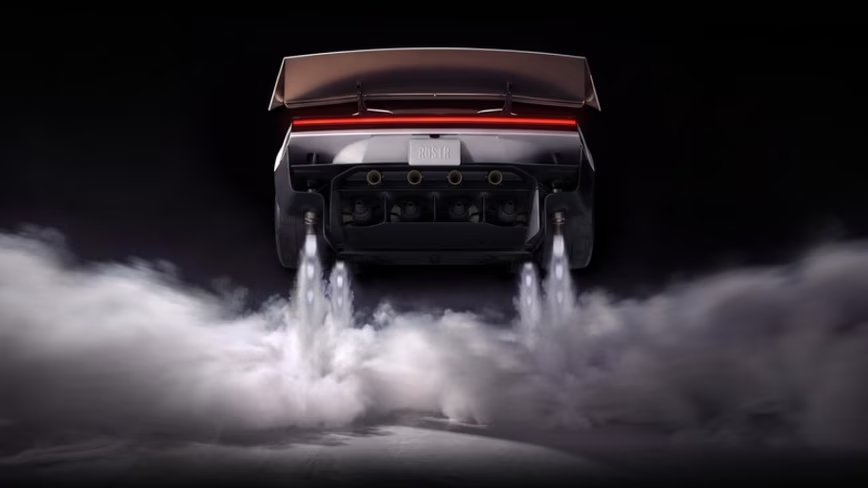
Tesla Unveils Thruster-Equipped Roadster, 2028 Production Targeted
Tesla has unveiled its second-generation Roadster, featuring cold-gas thrusters co-developed with SpaceX, enabling it to jump and flip. The electric sports car demonstrated 0-60mph in an astonishing 0.81 seconds, with production targeted for 2028. This highly anticipated reveal also serves as a key recruitment tool for Tesla's ambitious AI and robotics initiatives.