120 results found
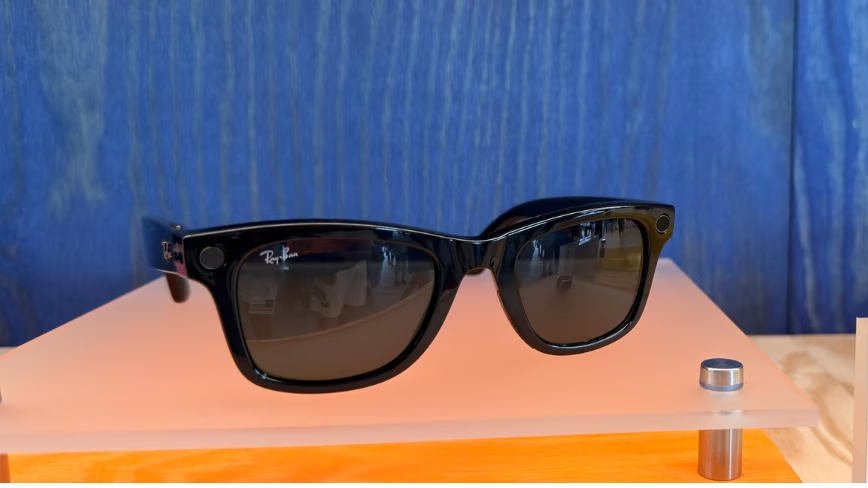
Meta smart glasses are facing widespread bans from UK cinemas, US schools, and federal agencies like ICE. The core issue is the inability to easily detect when the camera-enabled eyewear is recording, raising privacy, piracy, and harassment concerns, despite the glasses offering crucial accessibility benefits.
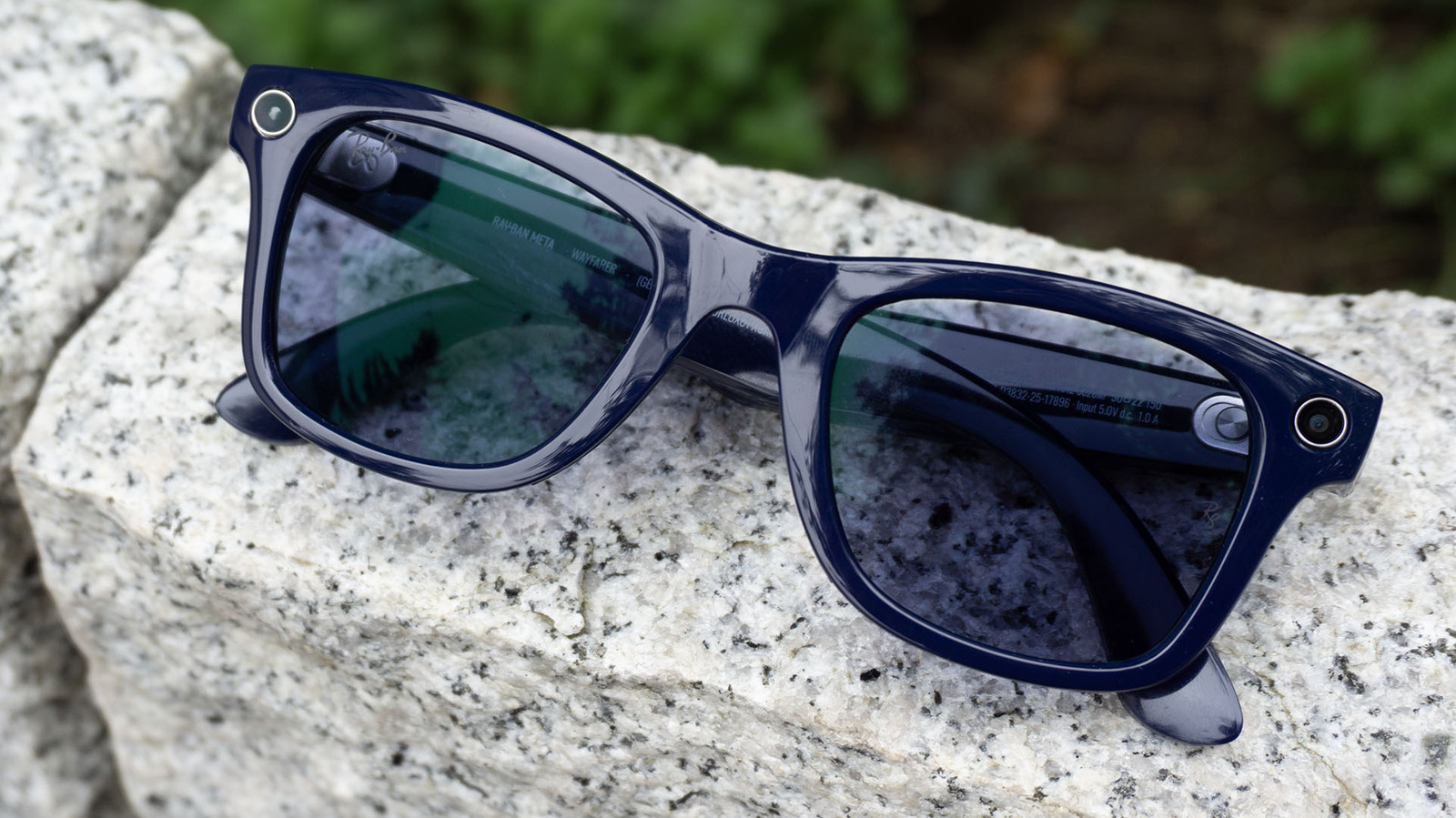
Meta Glasses: A Close Look at Surveillance Concerns and Official Bans Quick Verdict: Meta's smart glasses, while offering a seemingly convenient way to capture moments, are facing significant scrutiny, particularly

Learn to set up and use a Large Language Model (LLM) directly on your phone, gaining privacy and offline access in three simple steps. Discover the right apps, models, and how to optimize performance.

Proton CEO Andy Yen, a staunch privacy advocate, asserts that AI must coexist with privacy, even as his company delves into AI. This move highlights the tech industry's challenge in balancing AI's data needs with user data protection, urging innovation in privacy-preserving AI solutions.

Android 17's QPR2 beta introduces a native app lock, offering a robust layer of security beyond the lock screen. This long-awaited feature aims to standardize privacy, deterring unauthorized access to sensitive apps and data.

ChatGPT's new 'Computer History' on Mac logs activity (clicks, typing, app switches) for better AI context. It's opt-in with granular controls, but local files are unencrypted, raising privacy concerns despite OpenAI's stated policies against training or retention.

Amazon is training its AI on Twitch streams by default, requiring users to opt-out. This move has ignited community fury and raised significant privacy concerns among streamers and viewers.
Meta's Muse Glimmer is an "open source" AI model designed for local execution on a single computer, focusing on agent-oriented tasks like scheduling and file management. It's free to download, offers strong benchmark success for its size, and prioritizes user control and privacy, providing a compelling alternative to cloud-based solutions.
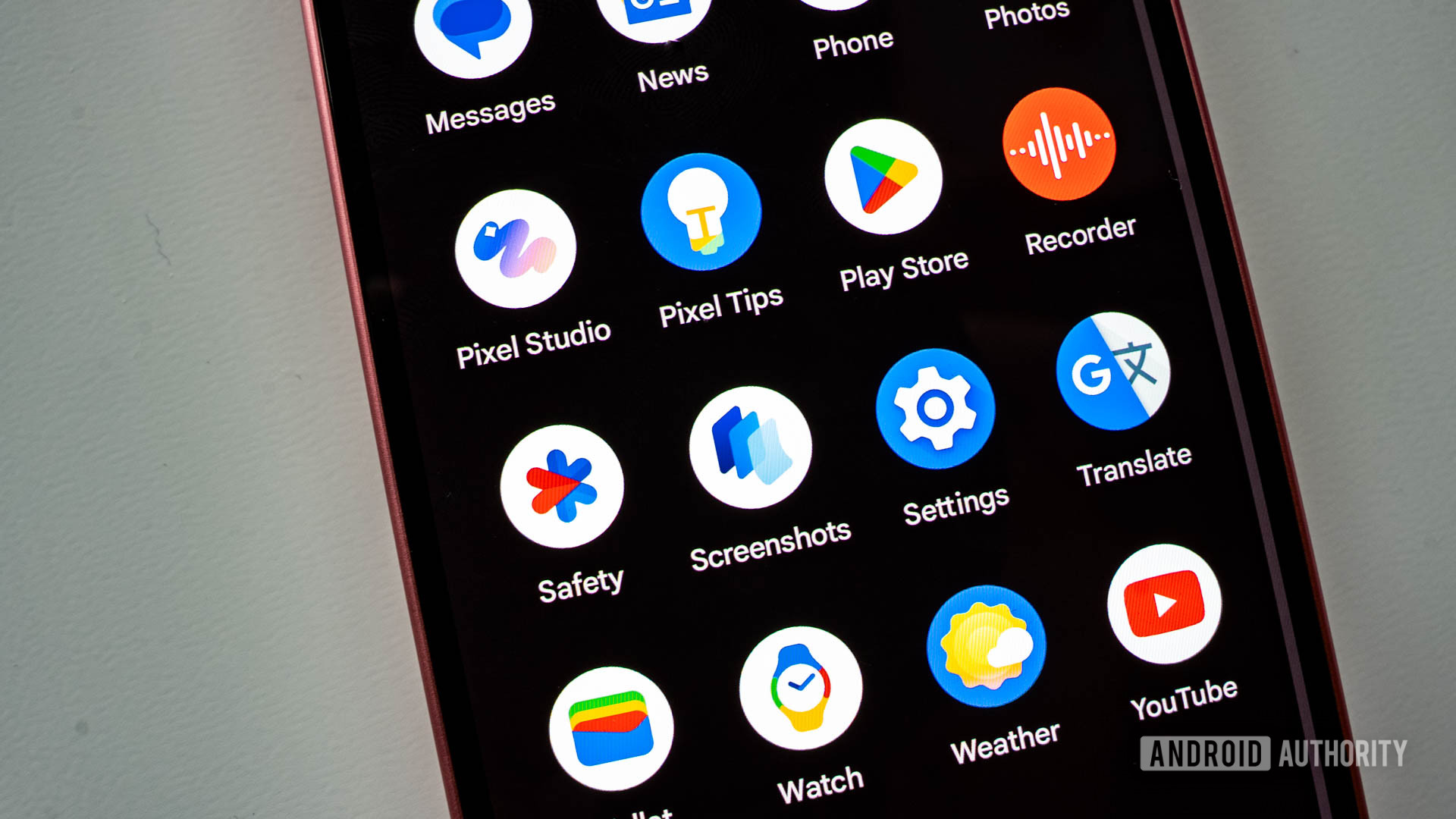
Quick Verdict: A Long-Awaited Privacy Boost, With Caveats Google is finally bringing a native app lock feature to Android, initially for its Pixel devices. While this is a genuinely welcome move that significantly

Wispr Flow has launched its new AI Notetaker, offering real-time transcription and generative AI summaries for workplace meetings. Entering a growing market, the tool faces scrutiny regarding the crucial balance between productivity benefits and the need for explicit consent and privacy in professional interactions.

Apple Smart Glasses: A Privacy-First Delay Verdict: Apple's decision to delay its anticipated smart glasses launch until late 2027, with an unveiling at WWDC in June, underscores a crucial commitment to user privacy in
The Pokémon Company in Japan is rolling out mandatory facial recognition for Pokémon Card Stores to combat relentless scalping. This drastic measure aims to ensure fair access for genuine fans, limiting entry to once per day and denying re-entry or multiple ticket attempts. The move addresses widespread frustration, rising crime, and market manipulation, though it sparks privacy discussions.

Apple is set to unveil its first smart glasses at WWDC next June, focusing heavily on privacy to distinguish them from rivals. The company plans to implement on-device processing and avoid controversial features like facial recognition or always-on recording, directly addressing past industry concerns and upholding its brand reputation.
Verdict: A Timely Pause for Privacy Apple's highly anticipated entry into the smart glasses market has reportedly hit a snag, with a significant delay now pushing its debut to late 2027. The primary culprit? Major

Smart glasses offer convenience, but their ability to record discreetly has raised significant privacy concerns. In response to a rise in "creepy" videos depicting harassment, Instagram is taking action. This guide will

The U.S. Justice Department has charged American Samuel Tunick for allegedly using a "duress" password to wipe his phone during a border search, marking a first-of-its-kind prosecution in the U.S. Tunick's legal team argues the device seizure was unlawful and a pretext for investigating his activism. This case reignites debates over constitutional rights at the border and digital privacy.

Google's Video Selfie Account Recovery: Convenience vs. Privacy – An Honest Review Google is rolling out a new feature designed to help users regain access to their accounts: a video selfie. The idea is simple – if
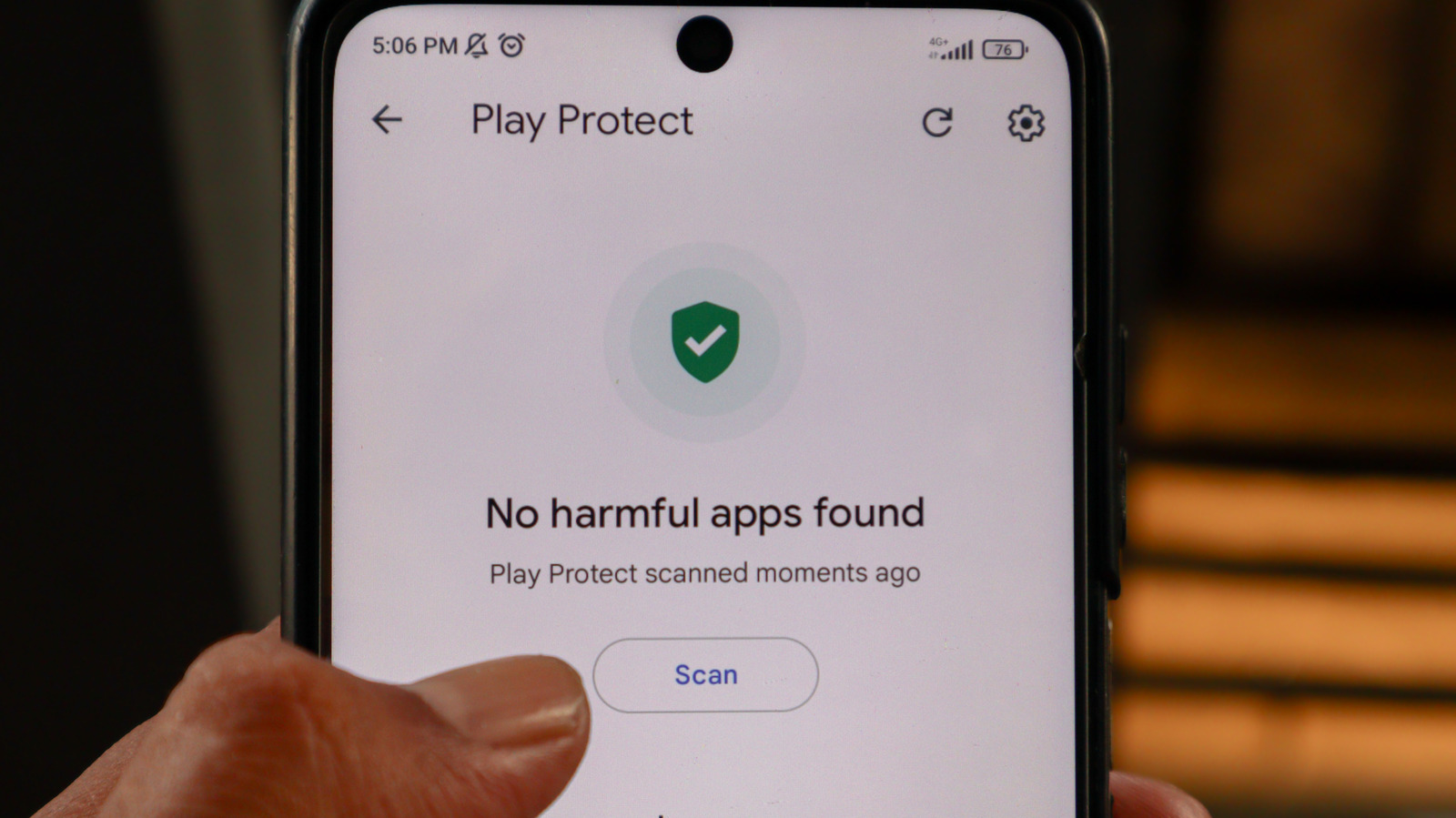
Google Play Protect is Android's built-in security, crucial for blocking malicious apps and safeguarding user privacy. While it restricts sideloading, disabling it significantly heightens risks. Most users should keep it enabled; power users must understand the grave security trade-offs.

The Trump administration is suing several states and Philadelphia over laws requiring ICE agents to show faces and wear identifiers during raids, citing unproven threats from facial recognition and doxing sites. WIRED's investigation reveals the cited tools are outdated and ineffective. States emphasize accountability as their primary motivation.

Samsung's Secure Folder is a highly underrated Galaxy feature that goes far beyond a photo vault, offering advanced security, productivity, app cloning, and work-life balance benefits. It's a must-use for Galaxy owners.
Meta has secured a patent for an AI system capable of continuously recording user voice, transcribing it, and analyzing it for emotional states. This technology, designed for "continuous emotional monitoring," integrates audio data with contextual factors like location and medication timing, raising significant privacy concerns. Amazon previously abandoned a similar product due to public backlash.

The digital world is constantly evolving, and with it, the threats to our online privacy. A significant concern on the horizon is the advent of quantum computers, which are projected to become powerful enough to break
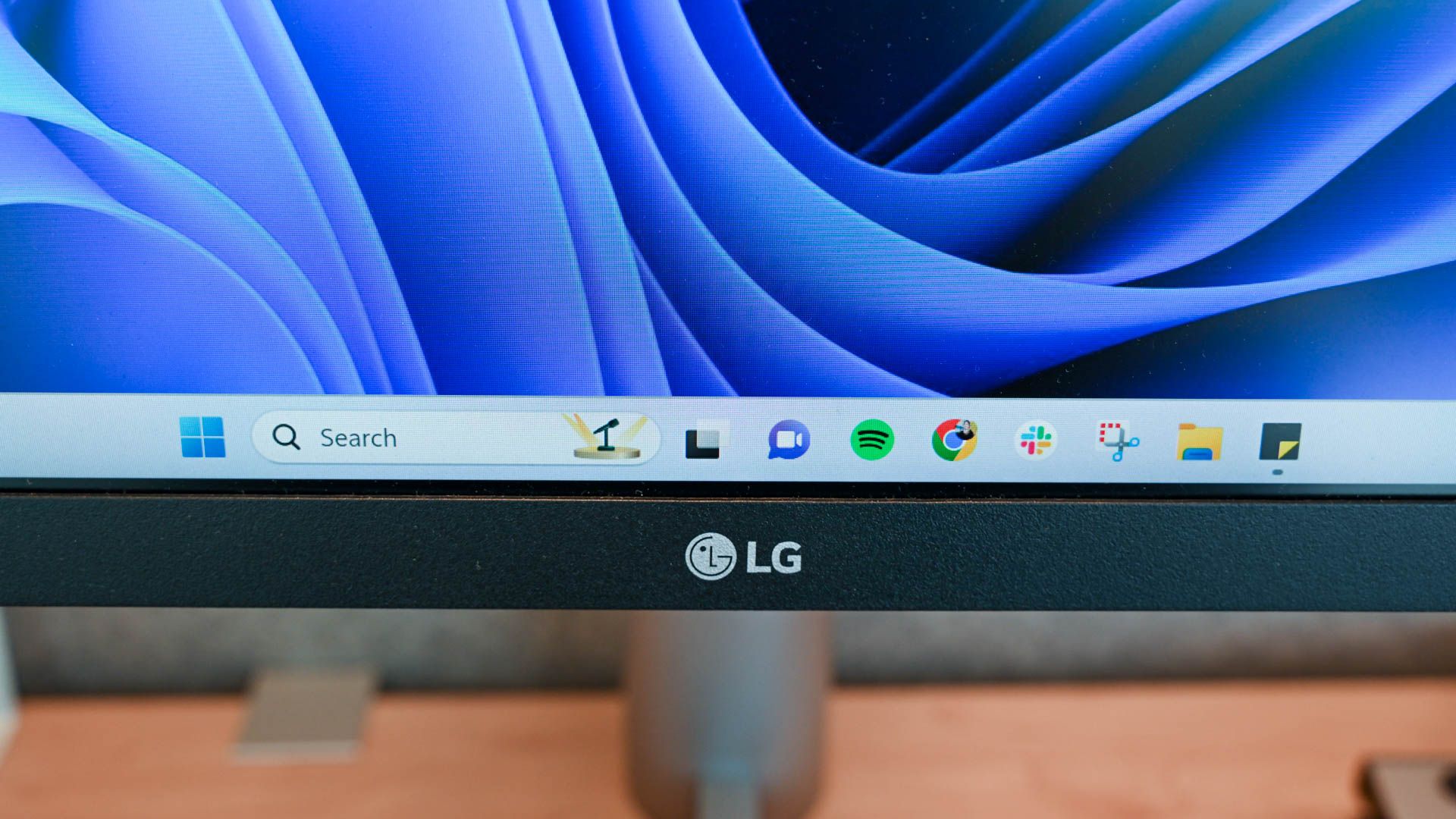
Learn how to remove unwanted ads and promotional content from the Windows 11 search box by adjusting new privacy settings. This guide provides step-by-step instructions to achieve a cleaner, more focused search experience, part of Microsoft's broader effort to improve Windows 11 quality.

Hours of SFPD drone footage from a Skydio platform have leaked, revealing extensive aerial surveillance over San Francisco. This exposure highlights how broadly police are monitoring the city and the critical risks of sensitive data spilling online, raising significant privacy and security concerns.

Google Workspace is the top email hosting pick for small businesses in 2026, offering a full productivity suite and familiar interface. Proton Mail excels for privacy-focused users, with strong encryption.
