
Meta Glasses: ICE Ban Highlights Major Privacy Concerns
Meta Glasses: A Close Look at Surveillance Concerns and Official Bans Quick Verdict: Meta's smart glasses, while offering a seemingly convenient way to capture moments, are facing significant scrutiny, particularly
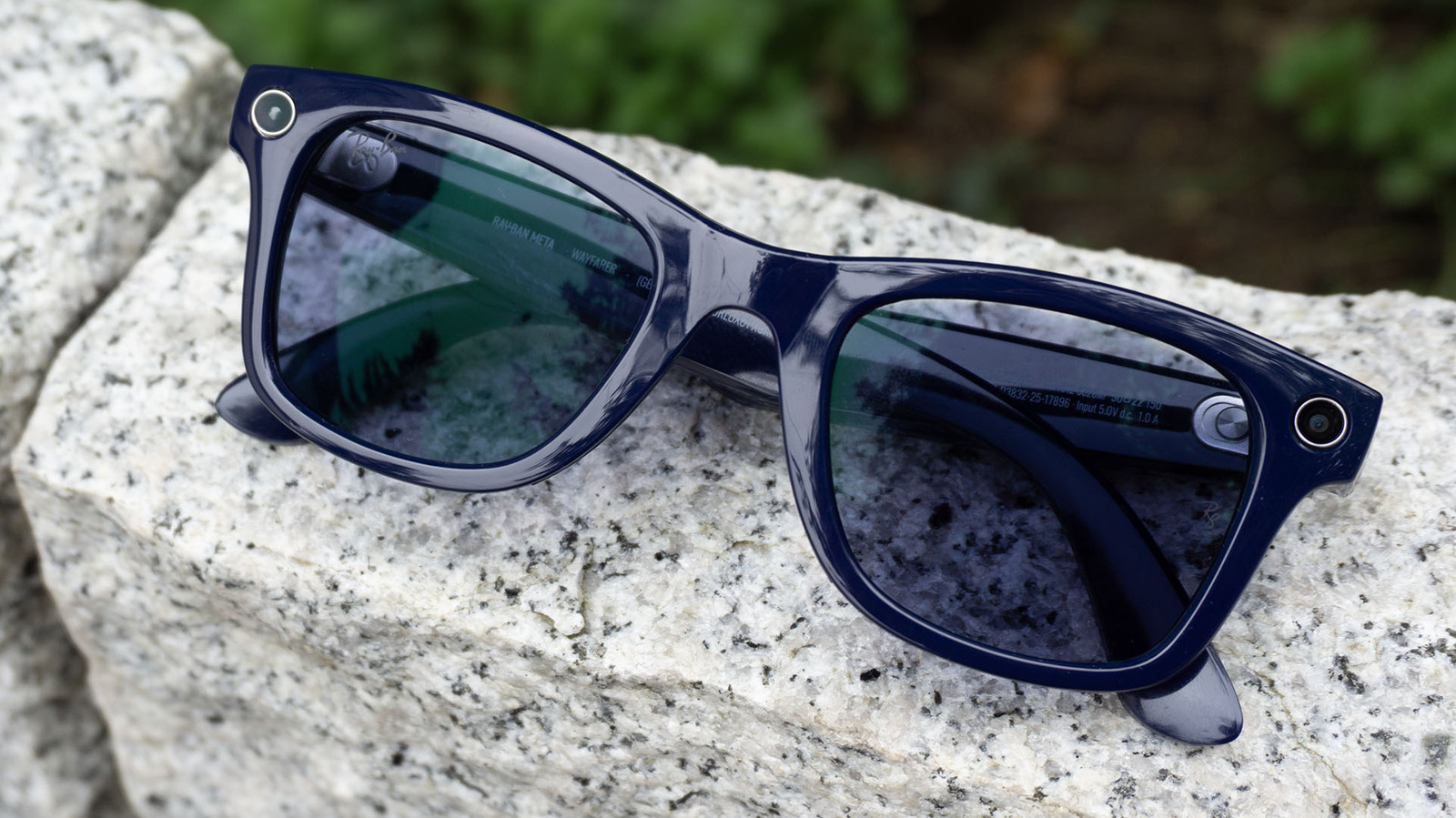
Meta Glasses: A Close Look at Surveillance Concerns and Official Bans
Quick Verdict: Meta's smart glasses, while offering a seemingly convenient way to capture moments, are facing significant scrutiny, particularly regarding privacy. An official memo from Immigration and Customs Enforcement (ICE) explicitly bars agents from wearing them at work, citing fears of unintentional capture of sensitive information and compromised legal protections. This development, coupled with an intensifying public backlash and revelations about bypassable privacy features, casts a long shadow over the device's broader acceptance and ethical use, especially in sensitive public-facing roles.
What Are Meta Glasses (and What Do They Do)?
Meta glasses, as detailed in the Engadget report, are wearable smart devices equipped with recording capabilities. While specific technical specifications like camera resolution or battery life aren't provided in the context of this news, their core functionality allows users to "capture, record, or transmit sensitive information." This means they function much like a body-worn camera, integrated subtly into a pair of eyeglasses. This discretion, however, is precisely what fuels much of the controversy. They allow for hands-free recording, a feature that could be seen as beneficial for documentation or personal content creation, but problematic when the subjects of that recording are unaware or unwilling participants. The fact that the glasses have been spotted repeatedly on ICE and Customs and Border Patrol (CBP) agents underscores their potential for use in observational or surveillance capacities, regardless of official policy.
Design, User Experience, and the Elephant in the Room: Privacy
From a design perspective, Meta glasses aim for subtlety, blending technology into an everyday accessory. This unobtrusive form factor is key to their appeal, allowing users to record without holding up a smartphone or a more overt camera. However, this very design choice is at the heart of the privacy debate. The "user experience" of Meta glasses extends far beyond the wearer; it deeply impacts those being recorded. The Engadget article highlights an "intensifying backlash" against the product, fueled by concerns over surveillance.
A critical design element intended to mitigate privacy concerns is a supposedly privacy-protecting LED indicator, which is meant to signal when the device is recording. Yet, the report reveals this feature has proven "easy to bypass," with one instance showing a simple $2 sticker could render it ineffective. This undermines trust and makes it incredibly difficult for individuals interacting with a wearer to know if they are being filmed. The user experience for the public, therefore, is one of heightened anxiety and a lack of control over their own image and data.
Furthermore, the article points to the existence of an "unreleased facial recognition created by Meta," which has only amplified fears about how the device could be leveraged for widespread surveillance. While Meta has reportedly removed facial recognition code from its smart glasses app, the underlying technology and its potential application remain a significant concern for civil liberties advocates and the general public alike. The design, in its quest for seamless integration and powerful capability, inadvertently fosters an environment ripe for privacy violations and mistrust, making the public experience often negative or apprehensive.
The Pros and Cons of Meta Glasses (in this Context)
Pros:
- Discreet Recording Capability: The glasses allow for hands-free, subtle capture of video and potentially other data, which can be useful for personal documentation or content creation where overt recording devices might be impractical.
- Potential for Official Use (with controls): The Department of Homeland Security's reported interest in developing "bespoke smart glasses" with "biometric identification capabilities" for ICE suggests a perceived utility for law enforcement, provided the technology is custom-built and controlled. This implies that the concept of smart glasses for official duties has merit, even if current consumer versions are deemed unsuitable.
- Convenience: For the wearer, the integration of recording technology into eyewear offers a degree of convenience not found in carrying separate cameras or phones for quick captures.
Cons:
- Major Privacy Concerns: This is the overarching issue. The ability to record without clear consent or indication is a significant ethical problem, especially in public spaces or during sensitive interactions.
- Bypassable Privacy Features: The report explicitly states that the privacy-protecting LED indicator can be easily bypassed, negating its intended purpose and leaving individuals unaware they are being recorded.
- Public Backlash: Meta is facing an "intensifying backlash" against the product due to surveillance fears, leading to negative public perception and potential user discomfort.
- Official Bans and Policy Clarifications: The ICE memo directly prohibits agents from wearing Meta glasses, highlighting that even agencies interested in similar tech deem the consumer version inappropriate and a risk to "privacy and legal protections." This sets a precedent and reinforces the idea that these devices are problematic in official capacities.
- Potential for Misuse: Instances of CBP agents recording raids or other immigration-related activities with the glasses, despite existing policies, underscore the risk of misuse and the difficulty of enforcing restrictions on personal devices.
- Association with Controversial Agencies: For Meta, the repeated sightings of its glasses on ICE and CBP agents, even if unsanctioned, creates an association that is "not likely to win over any new fans" and further entrenches negative public perception.
Comparison to Alternatives
The Engadget article focuses primarily on the use and implications of consumer-grade Meta glasses within a law enforcement context, rather than providing a direct comparison to alternative consumer smart glasses. While "similar devices" are mentioned in the ICE memo, no specific consumer competitors are named or detailed enough to facilitate a comprehensive comparison table.
What is notable, however, is the distinction between consumer-grade smart glasses and potential future governmental alternatives. The Department of Homeland Security's reported ambition to equip officers with "bespoke smart glasses that have 'biometric identification capabilities' by next year" highlights a desire for purpose-built solutions. These would likely feature enhanced security, controlled data handling, and specific functionalities tailored to law enforcement needs, differentiating them significantly from off-the-shelf consumer products like Meta glasses. For consumers, the lack of direct alternatives mentioned implies that Meta glasses currently occupy a unique space, or that the market for such devices is still nascent, particularly when considering the controversies they engender.
Buying Recommendation
Given the recent developments, particularly the official ban by ICE and the widespread privacy concerns, a buying recommendation for Meta glasses becomes complex and highly contextual. For the average consumer, if your primary motivation for smart glasses is discreet recording, you must weigh the convenience against the significant ethical and public perception challenges. The ease with which privacy features can be circumvented, combined with the general public's growing wariness of wearable recording devices, means you might inadvertently make others uncomfortable or even face confrontation.
If you are considering these glasses for any professional capacity, especially one involving public interaction or sensitive information, the ICE memo serves as a stark warning. The risks of compromising "privacy and legal protections" are very real, and most organizations will likely follow similar precautionary guidelines or implement outright bans. These glasses are currently embroiled in a privacy firestorm, making them a potentially contentious personal tech choice. Until Meta addresses these fundamental privacy issues more robustly, and public trust is rebuilt, proceed with extreme caution. The current landscape suggests that the social and ethical costs of wearing Meta glasses in certain environments may far outweigh their perceived technological benefits.
FAQ
Q: Why are ICE agents banned from wearing Meta glasses? A: ICE agents are prohibited from wearing Meta glasses or similar devices because of concerns that they could "unintentionally capture, record, or transmit sensitive information," potentially jeopardizing privacy and legal protections, as stated in an official memo.
Q: Do Meta glasses have built-in privacy features? A: Yes, Meta glasses are designed with a privacy-protecting LED indicator meant to signal when the device is recording. However, reports indicate this feature has proven to be "easy to bypass," raising serious questions about its effectiveness and the overall privacy safeguards of the device.
Q: Is law enforcement interested in smart glasses technology generally? A: While ICE has banned consumer Meta glasses, the Department of Homeland Security (DHS) is reportedly interested in pursuing an official, bespoke version of smart glasses technology for its officers. These custom devices are anticipated to include advanced features like "biometric identification capabilities," indicating a demand for purpose-built solutions with stricter controls.
Related articles

TCG Pocket Responds: A Much-Needed Pace Shift for Pokémon Fans
Pokémon TCG Pocket is rolling out a major update for its second anniversary, primarily addressing player concerns about overwhelming content releases by shifting to a six-week set schedule. This aims to curb player decline and improve overall engagement by giving trainers more time to collect and strategize. The update also adds new collection methods, improved deck-building features, and enhanced trading functionality.

Ars Technica's Rocket Report: Your Essential Space Industry Briefing
Quick Verdict Ars Technica's Rocket Report, presented by veteran space reporter Stephen Clark, offers an invaluable and meticulously organized weekly (or similar frequency, implied by "Edition 9.15") digest of the most

Apple iPhone Duo: A Daring Debut with Notable Compromises
Apple's highly anticipated iPhone Duo, priced at $2,000, has gone on pre-order. While hailed as "Apple's most exciting device in a decade" for its innovative foldable design and immersive display, it comes with significant drawbacks like the absence of FaceID and a premium camera.
KDE Plasma 6.8: A Future-Focused 30th Anniversary Update
Quick Verdict KDE Plasma 6.8, arriving as the "30th Anniversary Edition," is a pivotal release that decisively pushes the desktop environment into the future. With a definitive farewell to native X11 sessions and a

Kojima Compares Divisive New Film 'Digger' to MGS2's Prescient Vision
Gaming icon Hideo Kojima has praised the divisive 2026 film *Digger*, drawing intriguing parallels to his own prophetic game, *Metal Gear Solid 2*. Both works, he explains, uniquely explore the dangers of misinformation and a fragmented digital reality, anxieties he shares with *Digger*'s director, Alejandro González Iñárritu.
Galaxy Watch One UI 9 Beta: Promising Progress, But Patience Needed
Galaxy Watch 8, Watch Ultra, and Watch 7 are receiving a new One UI 9 Watch beta build with bug fixes and a security patch. Active development signals progress, but a stable release date remains elusive.