
A Leak of San Francisco Police Drone Footage Exposes Urban
Hours of SFPD drone footage from a Skydio platform have leaked, revealing extensive aerial surveillance over San Francisco. This exposure highlights how broadly police are monitoring the city and the critical risks of sensitive data spilling online, raising significant privacy and security concerns.

Hours of sensitive drone footage from the San Francisco Police Department (SFPD) have reportedly leaked online, offering an unprecedented glimpse into the pervasive aerial surveillance capabilities now deployed in urban environments. The exposed videos, originating from a Skydio drone platform, reveal how extensively the department monitors the city from above, sparking immediate concerns about privacy and data security. This incident, brought to light on July 13, 2026, underscores the evolving landscape of police operations and the potential for official surveillance data to inadvertently spill into the public domain.
A particularly striking example from the leaked footage captures a police pursuit that unfolded on a Saturday last month. A Skydio X10 quadcopter, weighing approximately five pounds, was observed hovering at an altitude of roughly 200 feet over a San Francisco apartment complex. From this vantage point, the autonomous drone meticulously tracked a police chase involving a man attempting to hide behind a parked car.
The advanced capabilities of the Skydio X10 were evident as it had already followed the suspect's black SUV across the city. The drone demonstrated its ability to zoom in on the vehicle's license plate and maintain a persistent lock on the car within its video frame until the driver pulled over. Subsequently, it continued to record as officers closed in and surrounded the individual, providing a high-definition, overhead perspective of the entire incident, unbeknownst to the person being watched.
This significant leak does more than just showcase a single police operation; it fundamentally exposes the extensive reach of the SFPD's aerial surveillance program. The sheer volume of leaked video material suggests that drone technology is not merely used for isolated incidents but forms a broader, systematic observation network across San Francisco. The incident highlights the growing integration of advanced drone technology into daily policing, transforming how law enforcement interacts with urban spaces.
The public exposure of this footage immediately raises critical questions about civilian privacy in an era of ubiquitous aerial monitoring. Residents may now contend with the reality that police drones can track their movements, identify vehicles, and record personal activities from high above, often without their knowledge. This pervasive capability fundamentally shifts the dynamic between law enforcement and the public, introducing a new dimension to urban life.
Furthermore, the very nature of the leak underscores a profound vulnerability: the security of sensitive surveillance data. If hours of police drone footage can be exposed online, it points to potential weaknesses in data management and protection protocols. Such breaches could compromise ongoing investigations, reveal tactical police methods, or expose the identities of individuals caught incidentally in surveillance sweeps, whether suspects, victims, or innocent bystanders.
The San Francisco incident serves as a stark reminder of what the article terms “the new reality of urban surveillance.” As drone technology becomes more sophisticated and accessible, its deployment by law enforcement agencies is likely to expand. These aerial platforms offer unparalleled observational advantages, providing real-time, high-resolution views that ground-level patrols cannot match. However, with these technological advancements come increased ethical and legal responsibilities regarding data collection, retention, and security.
This event is likely to fuel ongoing public and legislative debates regarding the appropriate use of surveillance technologies by police forces. Discussions will inevitably center on balancing public safety interests with fundamental rights to privacy, accountability for data leaks, and the necessity of robust oversight mechanisms to govern the deployment of such powerful tools. The SFPD footage leak could become a pivotal case study in defining the future boundaries of police surveillance in American cities.
FAQ
Q: What exactly was leaked?
A: The leak involved hours of drone footage recorded by the San Francisco Police Department (SFPD) using a Skydio drone platform, revealing extensive aerial surveillance of the city.
Q: What kind of drone was involved in the footage?
A: The specific incident highlighted in the article involved a five-pound Skydio X10 quadcopter, which was shown tracking a suspect's vehicle and subsequent police movements from approximately 200 feet above.
Q: Why is this leak significant?
A: The leak is significant because it exposes the broad extent of SFPD's urban surveillance capabilities from above and highlights critical vulnerabilities in the security of sensitive police data, raising major privacy concerns for city residents.
Related articles

Apple Unveils iPhone Duo: Pricey Foldable Sees Soaring Demand
Apple has officially entered the foldable smartphone arena with the long-anticipated launch of the iPhone Duo. Priced starting at a hefty $1,999, the device features a 5.4-inch outer display and a larger 7.6-inch inner

in-depth: Chicago-Area Cops Helped HSI Spy on Minnesota Anti-ICE
Chicago-area law enforcement, including local police and HSI agents, conducted undercover surveillance on Minnesota anti-ICE activists at an April 2, 2022, talk in Chicago. This operation was part of a federal conspiracy probe into 15 Minnesota activists facing felony charges related to immigration enforcement resistance. Civil liberties advocates have condemned the surveillance as a troubling intrusion into protected political activity.

Mark Wahlberg on using AI in film ‘the right way’ and being open to
Actor Mark Wahlberg believes AI has a place in filmmaking if used responsibly for enhancement, not script generation or actor replacement. At TechCrunch Disrupt, he expressed openness to an AI likeness carrying on his legacy, managed by his family, and emphasized storytelling.
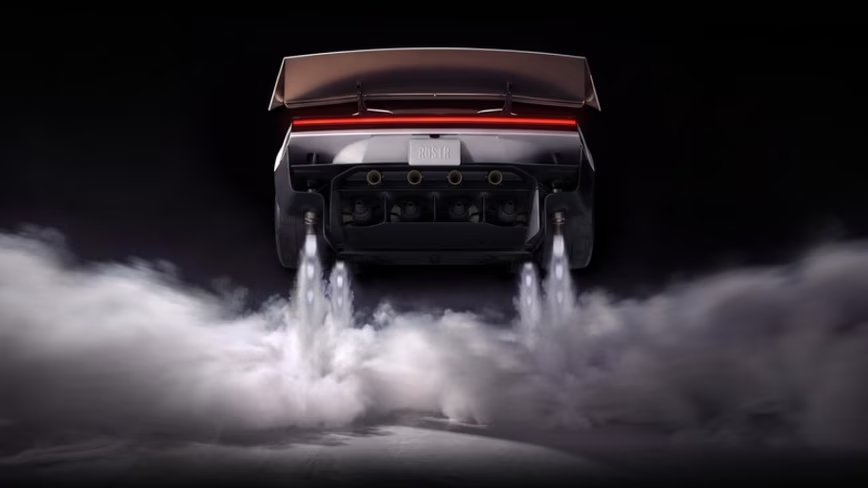
Tesla Unveils Thruster-Equipped Roadster, 2028 Production Targeted
Tesla has unveiled its second-generation Roadster, featuring cold-gas thrusters co-developed with SpaceX, enabling it to jump and flip. The electric sports car demonstrated 0-60mph in an astonishing 0.81 seconds, with production targeted for 2028. This highly anticipated reveal also serves as a key recruitment tool for Tesla's ambitious AI and robotics initiatives.
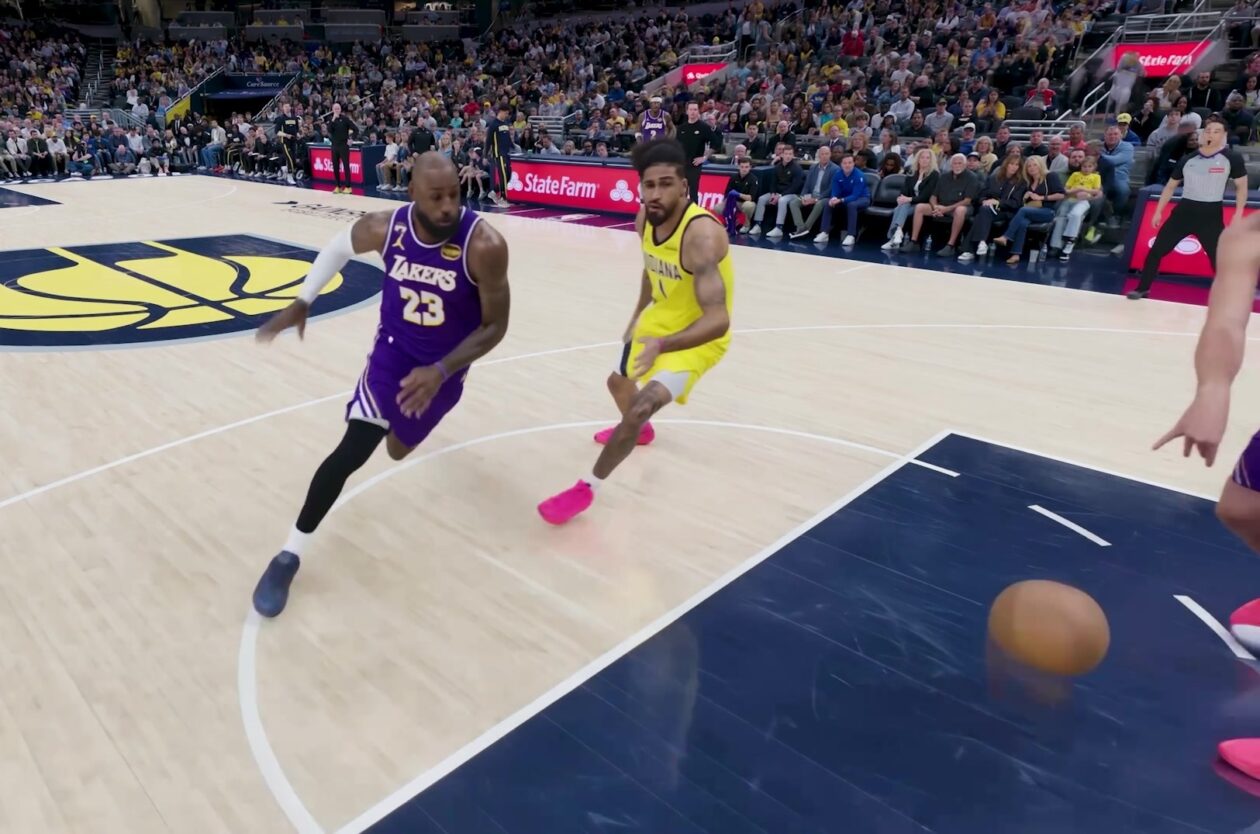
Amazon Prime Video Launches AI-Powered Prime 360 for NBA Coverage
Amazon Prime Video is elevating its NBA coverage with the introduction of Prime 360, an AI-powered replay system offering immersive, 'fly through' views of the action. Kicking off its second season, Prime Video also adds Yahoo fantasy integration and gains exclusive Eastern Conference Finals rights, expanding its tech-driven sports broadcast. The new features aim to deliver a unique and interactive viewing experience for basketball fans.

regional: A two-person Seattle startup lands $1M to reinvent
Seattle startup TriMagnetix has secured $1 million to develop semiconductor chips that consume 800 times less energy and are radiation-resistant. The two-person company, leveraging nanomagnetic technology, is targeting space applications and data centers. With new funding and key partnerships, TriMagnetix aims for commercial sales within a year.