
Android's Native App Lock: A Welcome (But Limited) Return
Quick Verdict: A Long-Awaited Privacy Boost, With Caveats Google is finally bringing a native app lock feature to Android, initially for its Pixel devices. While this is a genuinely welcome move that significantly
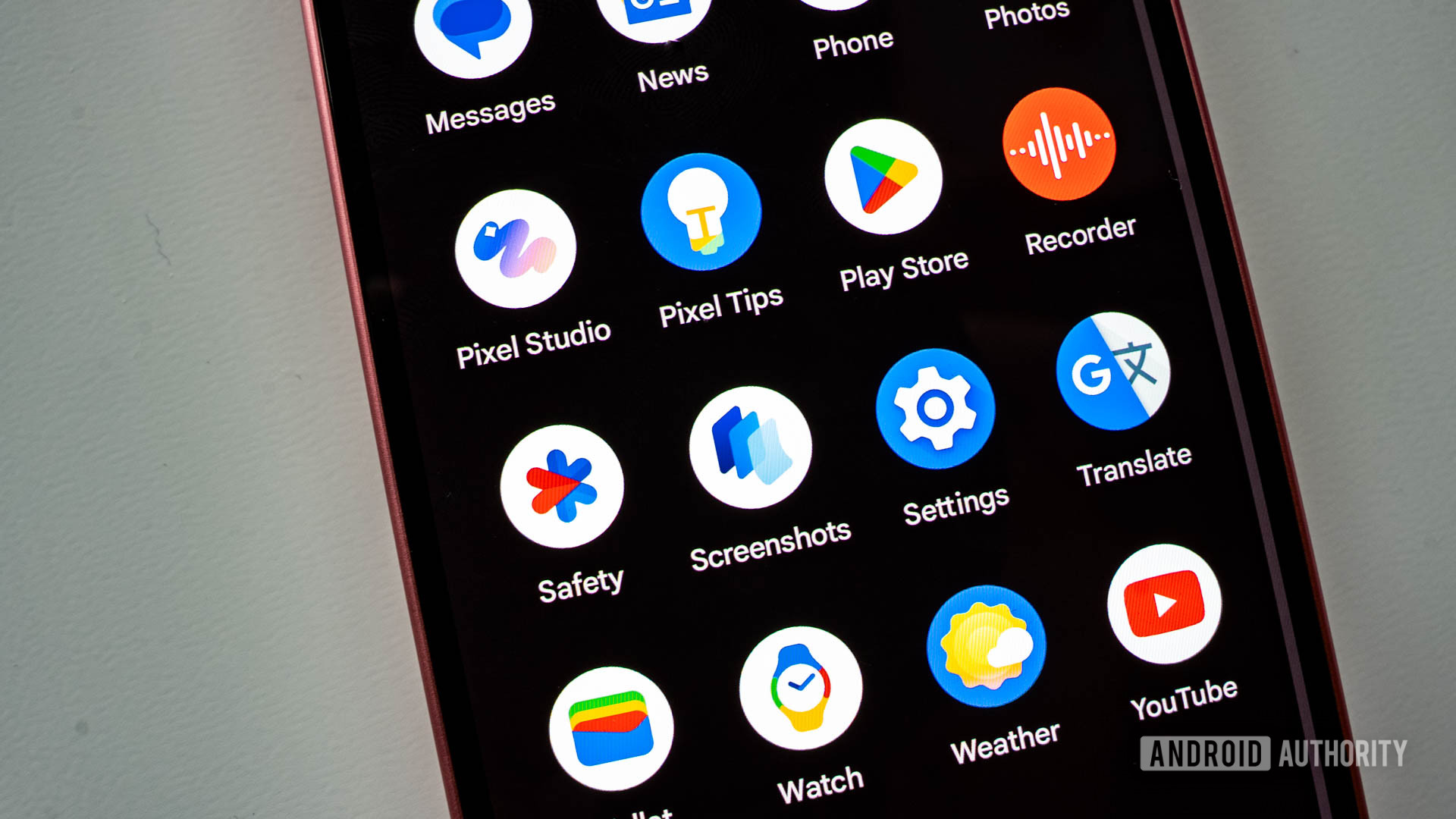
Quick Verdict: A Long-Awaited Privacy Boost, With Caveats
Google is finally bringing a native app lock feature to Android, initially for its Pixel devices. While this is a genuinely welcome move that significantly enhances personal privacy and security by allowing users to safeguard specific applications, it's not without its nuances. The ability to lock multiple apps at once and hide their content from notifications and the recents menu is fantastic. However, critical limitations, particularly regarding AI agent access to locked app data and the fact that it's still in early canary builds, temper the excitement. It's a strong step forward, but users should be aware of its current scope.
Introduction: Android's App Lock Reemerges
For years, Google Pixel phones have conspicuously lacked a native app lock solution, a feature commonly found in custom Android skins from other manufacturers. This absence often forced users to rely on third-party apps or less elegant workarounds to protect sensitive applications from prying eyes. The good news, discovered through diligent analysis of Android Canary builds and the sixth Android 17 QPR1 beta, is that a robust, native app lock is now present and actively being developed within Android. This isn't just a fleeting rumor; it's a tangible feature that promises a more secure and private Android experience.
This reintroduction isn't merely about convenience; it's about giving users granular control over who can access their private information. The implementation goes beyond simply hiding apps via a 'Private Space' – it introduces a dedicated layer of authentication for chosen applications, signaling a more comprehensive approach to personal data security on the platform.
User Experience and Setup: Streamlined Security
Accessing the new app lock feature appears straightforward, integrated directly into the familiar Android settings menu. Users will find it under Settings > Security & privacy > App lock. This central location makes it easy to discover and manage, rather than being buried deep within obscure menus.
Upon first access, the system prompts users to ensure a screen lock (PIN, pattern, or password) is already established on their device. If not, an "Add screen lock" option is conveniently presented. This foundational requirement ensures that the app lock itself is protected by the device's primary security measure, reinforcing overall device integrity.
A significant improvement over earlier iterations or single-app locking methods is the ability to lock multiple apps at once. This mass selection capability is a huge boon for convenience, saving users from the tedious process of securing each application individually. Once configured, the main App lock screen provides a clear list view of both locked and unlocked applications, with options to sort them by "recent," "All," or to display locked apps at the top for quick oversight. This intuitive interface suggests a user-friendly experience, making the management of protected apps simple and efficient.
How It Protects: Beyond Just Hiding
Once an application is locked, the new native feature implements several key security measures designed to keep its contents private:
- Notification Content Suppression: Locked apps will no longer display their content within notifications. This prevents sensitive information from being revealed on the lock screen or notification shade, even if the device itself is unlocked but the specific app is protected.
- Widget and Shortcut Removal: For an added layer of privacy, widgets and shortcuts associated with locked applications are automatically removed. This prevents direct access or information leakage through these quick-access points, ensuring that only authenticated entry via the app icon is possible.
- Recents Menu Content Hiding: A crucial aspect of the implementation is that the content of locked apps is hidden from the recents menu. This prevents glimpses of sensitive data when multitasking or switching between applications, a common privacy concern.
- Authentication for Access: To open a locked app, users must re-authenticate using their device's PIN, pattern, password, or biometrics (like fingerprint or face unlock). This ensures that only the authorized device owner can gain entry.
Additionally, the system provides intelligent warnings. For instance, when locking apps like "Files by Google," a pop-up notification may appear, cautioning that other apps might still have access to your photos, and even specifying which applications possess such permissions. This transparency is vital for users to understand the full scope of their data privacy.
The Fine Print: Important Limitations
While the native app lock is a significant privacy enhancement, it's crucial to acknowledge its current limitations, particularly as it's still in development:
- AI Agent Access: One of the most critical caveats is that AI agents and services can still access data from locked apps if you've previously granted them permission. This means that while a human might be locked out, a Google Assistant or other AI service could potentially still pull information from a secured application. This distinction is vital for users to understand the boundaries of the protection offered.
- Development Stage: The feature is currently present in Android Canary builds, meaning it's work-in-progress. While promising, there's always a possibility that certain aspects might change or even be cut before a public release. The term "APK teardown" itself implies a predictive nature, not a guarantee.
- Not Total Isolation: Unlike some alternative solutions, this native app lock focuses on securing access to the app itself and hiding its content in specific UI elements. It doesn't create a completely isolated environment for the app's data in the way some secure folders might, which leads to the point about AI agent access.
App Lock in the Android Ecosystem: How Google Stacks Up
Google's move to introduce a native app lock brings Android's core experience closer to what many users have come to expect from various Android OEMs. Companies like Xiaomi and Vivo have offered similar app locking capabilities within their custom Android skins for a considerable time, providing users with this granular control over app access.
Samsung, a major Android player, takes a different approach. Instead of a direct app drawer lock, it provides "Secure Folder." This feature essentially copies your desired app into a hidden, password-protected folder, creating an entirely separate instance of the app and its data. While Secure Folder offers a robust, isolated environment, it also means managing two versions of the same app and can be less convenient for simply blocking quick access to an existing app in the main app drawer. Google's native app lock, by contrast, appears to directly gate access to the existing app, aligning more with the approach seen on Xiaomi or Vivo devices, which might be a more straightforward solution for many users.
Recommendation: A Positive Step, But Monitor Closely
The reintroduction of a native app lock is undoubtedly a positive development for Android, particularly for Pixel users who have long desired this fundamental privacy feature. It addresses a real need for personal security, preventing casual snooping and protecting sensitive data from being seen in notifications or the recents menu. The ability to lock multiple apps at once is a thoughtfully implemented convenience.
However, potential users should proceed with informed caution. The current caveats, especially the access granted to AI agents, indicate that this is not a comprehensive data isolation solution. It's a lock on the door, but not necessarily a sealed vault. Furthermore, as a feature found in Canary builds, its final form and rollout timeline are still subject to change. For users prioritizing privacy, this feature, when it officially rolls out, will be a valuable tool, but understanding its limitations will be key to leveraging it effectively.
FAQ
Q: Will this native app lock be available on all Android phones, or just Google Pixel devices? A: The source content indicates it was discovered in Android Canary builds and is specifically mentioned in the context of Google Pixel phones, which have historically lacked such a feature. While it's part of the broader Android system, initial availability might be exclusive to Pixel devices, with potential for wider rollout to other Android phones later, depending on how Google integrates it into AOSP and how other OEMs choose to implement it.
Q: How does this app lock differ from Samsung's Secure Folder? A: Google's native app lock appears to directly protect existing apps in your app drawer, requiring authentication (PIN/biometrics) to open them, hide their notification content, and obscure them in the recents menu. Samsung's Secure Folder, on the other hand, creates a separate, hidden, and protected copy of an app and its data. This means you manage two instances of an app (one in the main drawer, one in Secure Folder), offering a more isolated environment but potentially less direct. Google's solution is about gating access to your current apps, while Samsung's is about creating a separate, secure workspace.
Q: Are there any privacy concerns with this new app lock feature? A: While it significantly enhances privacy by preventing unauthorized access to specific apps and their notification content, the source content highlights one key limitation: "AI agents and services can still access the locked app’s data if you’ve previously granted it." This means that an app lock protects against human access but doesn't necessarily restrict AI access to data within those applications, provided those AI services have existing permissions. Users should be mindful of permissions granted to AI agents even for locked apps.
Related articles
Android 17 QPR2 Beta 7.1: The Performance Relief You've Been Waiting
Android 17 QPR2 Beta 7.1: Finally Fixing the QPR1 Performance Woes Verdict: Android 17 QPR2 Beta 7.1 is a crucial and highly anticipated software update for Google Pixel users, specifically targeting and resolving the

DJI Solo Video Setups: Smart Choices for Lone Creators
This review delves into DJI's recommended solo video setups, highlighting the Osmo Pocket 3 Creator Combo as a top pick for its integrated camera, gimbal, and mic. It also covers stabilizers like the Osmo Mobile 8 and RS 4, and the DJI Mic Mini series for enhanced audio, providing honest pros, cons, and clear buying advice.

Ars Technica's Rocket Report: Your Essential Space Industry Briefing
Quick Verdict Ars Technica's Rocket Report, presented by veteran space reporter Stephen Clark, offers an invaluable and meticulously organized weekly (or similar frequency, implied by "Edition 9.15") digest of the most

Apple iPhone Duo: A Daring Debut with Notable Compromises
Apple's highly anticipated iPhone Duo, priced at $2,000, has gone on pre-order. While hailed as "Apple's most exciting device in a decade" for its innovative foldable design and immersive display, it comes with significant drawbacks like the absence of FaceID and a premium camera.
KDE Plasma 6.8: A Future-Focused 30th Anniversary Update
Quick Verdict KDE Plasma 6.8, arriving as the "30th Anniversary Edition," is a pivotal release that decisively pushes the desktop environment into the future. With a definitive farewell to native X11 sessions and a
Galaxy Watch One UI 9 Beta: Promising Progress, But Patience Needed
Galaxy Watch 8, Watch Ultra, and Watch 7 are receiving a new One UI 9 Watch beta build with bug fixes and a security patch. Active development signals progress, but a stable release date remains elusive.