23 results found
.jpg)
Thieves stole trailers believed to contain high-value Nvidia tech, only to discover they had acquired 20 tons of sand. The incident highlights the stark difference between raw silica and refined silicon, which is crucial for valuable computer chips. This misdirected theft underscores the ongoing challenges in securing tech supply chains against criminals targeting sought-after components.

AI firm Anthropic secured a federal court victory today, overturning the Trump administration's blacklisting that labeled it a national security and supply chain risk. The judge ruled the government's actions were illegal, restoring Anthropic's ability to engage with federal contracts and military partners.

Jeff Bezos has joined a consortium acquiring a minority stake in Liverpool FC, while a former Meta AI director launched Noosphere Labs, a physical AI startup with $10.25 million in funding. Simultaneously, supply chain company Auger moved its HQ from Seattle to Dallas, and Microsoft retired its Mico AI blob as it consolidates Copilot into a "Super App." These events reflect significant shifts in tech investment, AI development, and regional tech ecosystems.

Apple, a tech giant known for its meticulous supply chain, finds itself entangled in a complex geopolitical challenge. Facing a tightening global chip supply and rising memory prices, the company sought to diversify its

Apple's base iPhone 18 model will skip its traditional fall 2026 launch and instead arrive in early 2027, according to supplier Pegatron. This delay, attributed to chip shortages, means Apple will prioritize its high-end iPhone 18 Pro series and a new foldable for the autumn release. The strategic shift aligns with earlier analyst predictions amid global supply chain challenges.
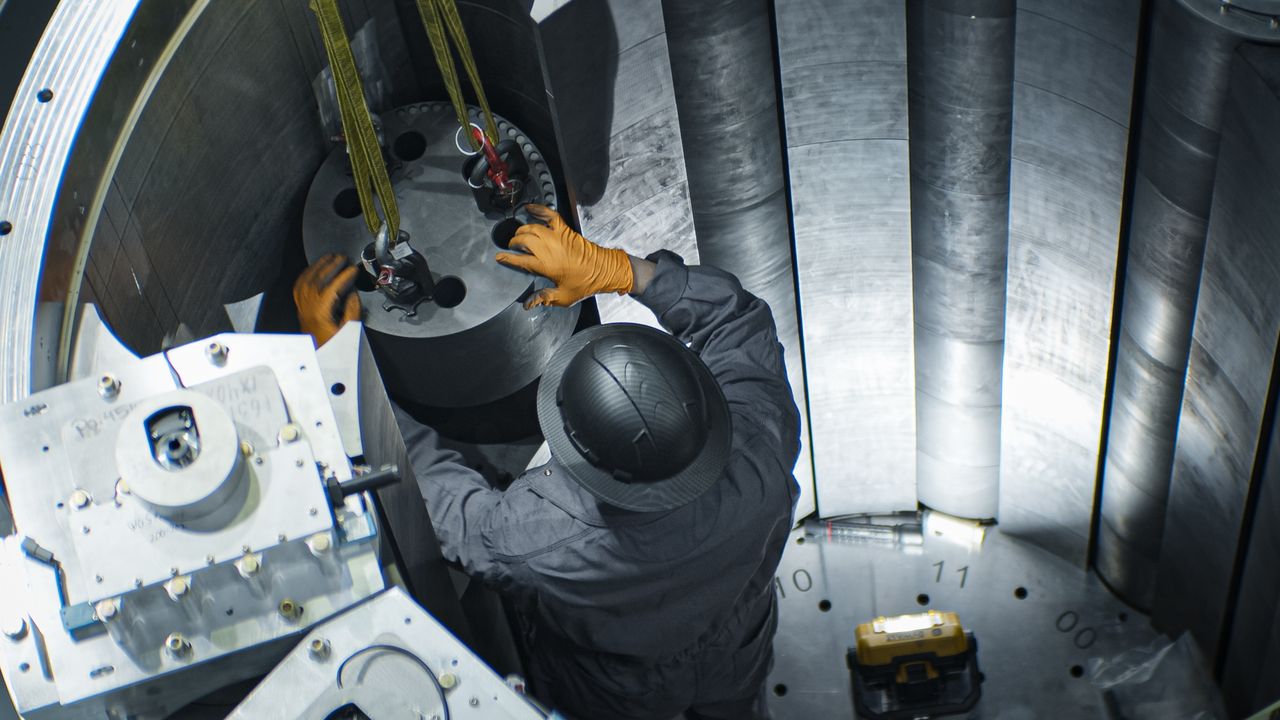
Antares secured $470M to build microreactors for the US military, achieving Mark-0 criticality. While a major technical step, high costs and supply chain immaturity pose challenges for its 2028 deployment target.

Apple's Mac Mini and Mac Studio are facing severe supply chain challenges, leading to months-long shipping delays and substantial price increases. The issues stem from high demand for local AI processing and a critical global shortage of memory components.
Nostalgia for classic Walkmans is strong, but former Sony engineer Akira Tanaka reveals why a reissue is impossible. Key components no longer exist, vital manufacturing expertise has been lost, and the economics of a niche market don't support the immense R&D required to recreate these complex devices from scratch.
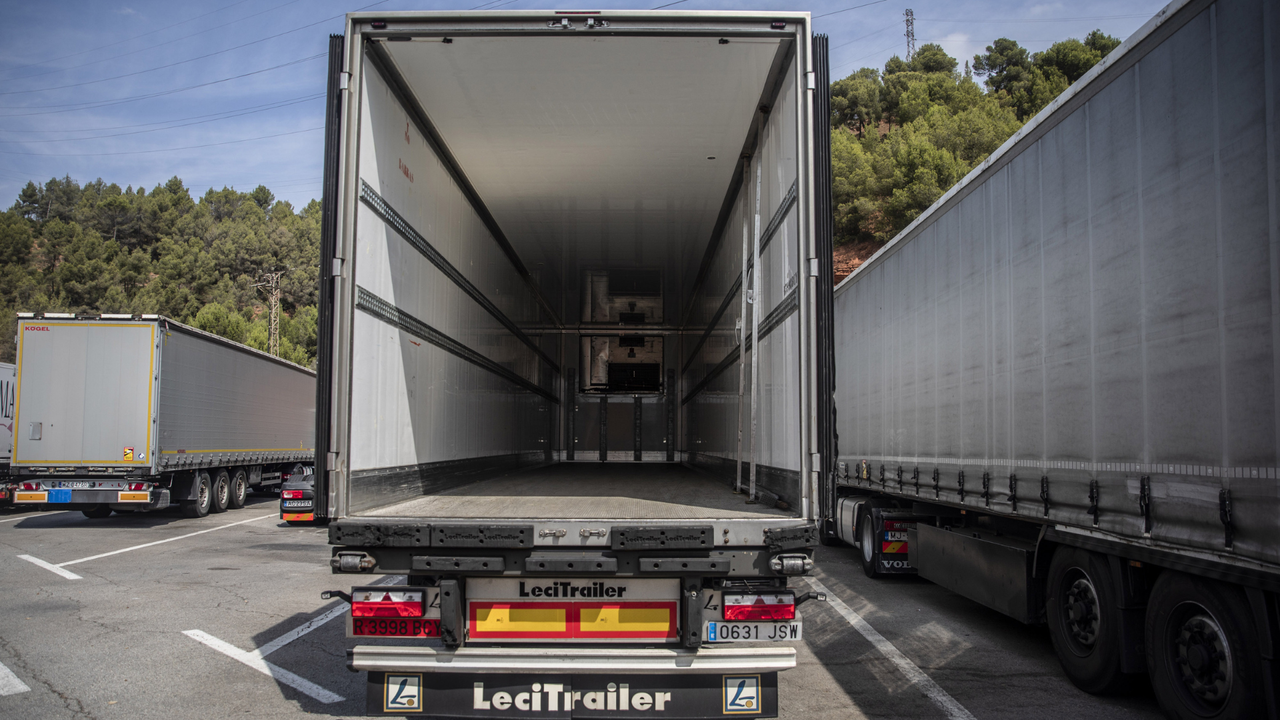
Cargo thefts targeting AI data center components, including copper wire and specialized equipment, highlight escalating supply chain risks. While $1.3 million was recovered near Chicago, these incidents underscore the lucrative, yet challenging, market for stolen high-tech gear.
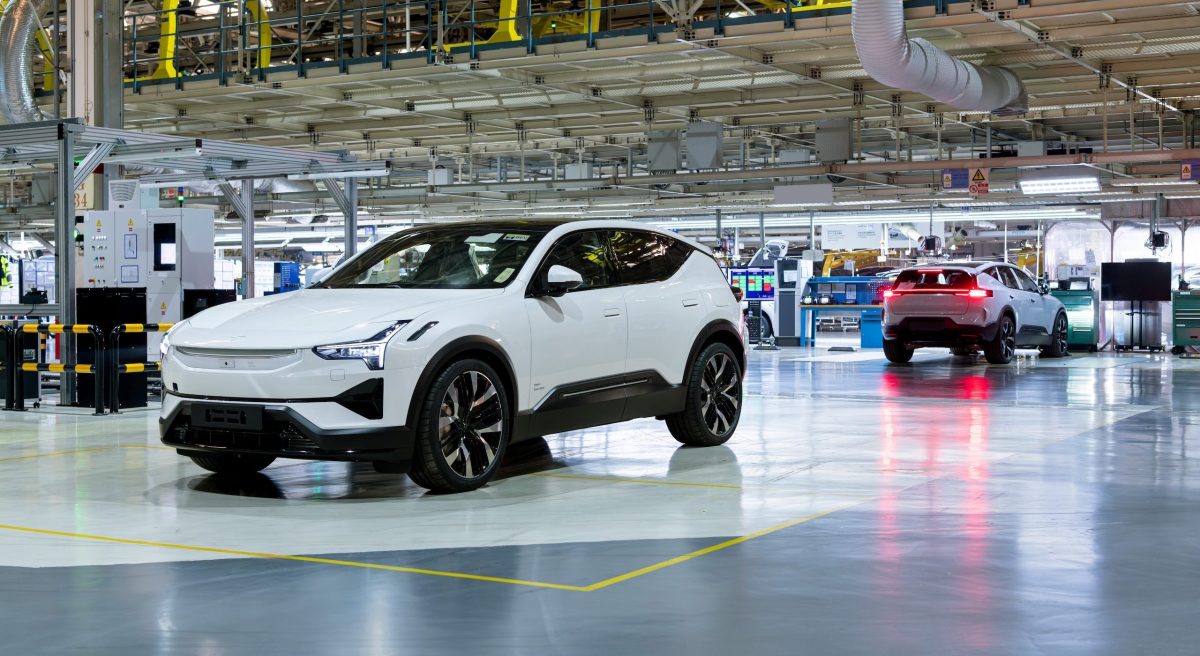
The U.S. government blocked Polestar from selling new vehicles due to its Chinese ownership, while oddly sparing its sister brand, Volvo, also owned by Geely. This opaque and inconsistent regulatory decision, despite Polestar's efforts to localize production, creates significant market unpredictability. It serves as a stark warning for developers and businesses operating in globalized tech sectors about the impact of arbitrary geopolitical interventions.
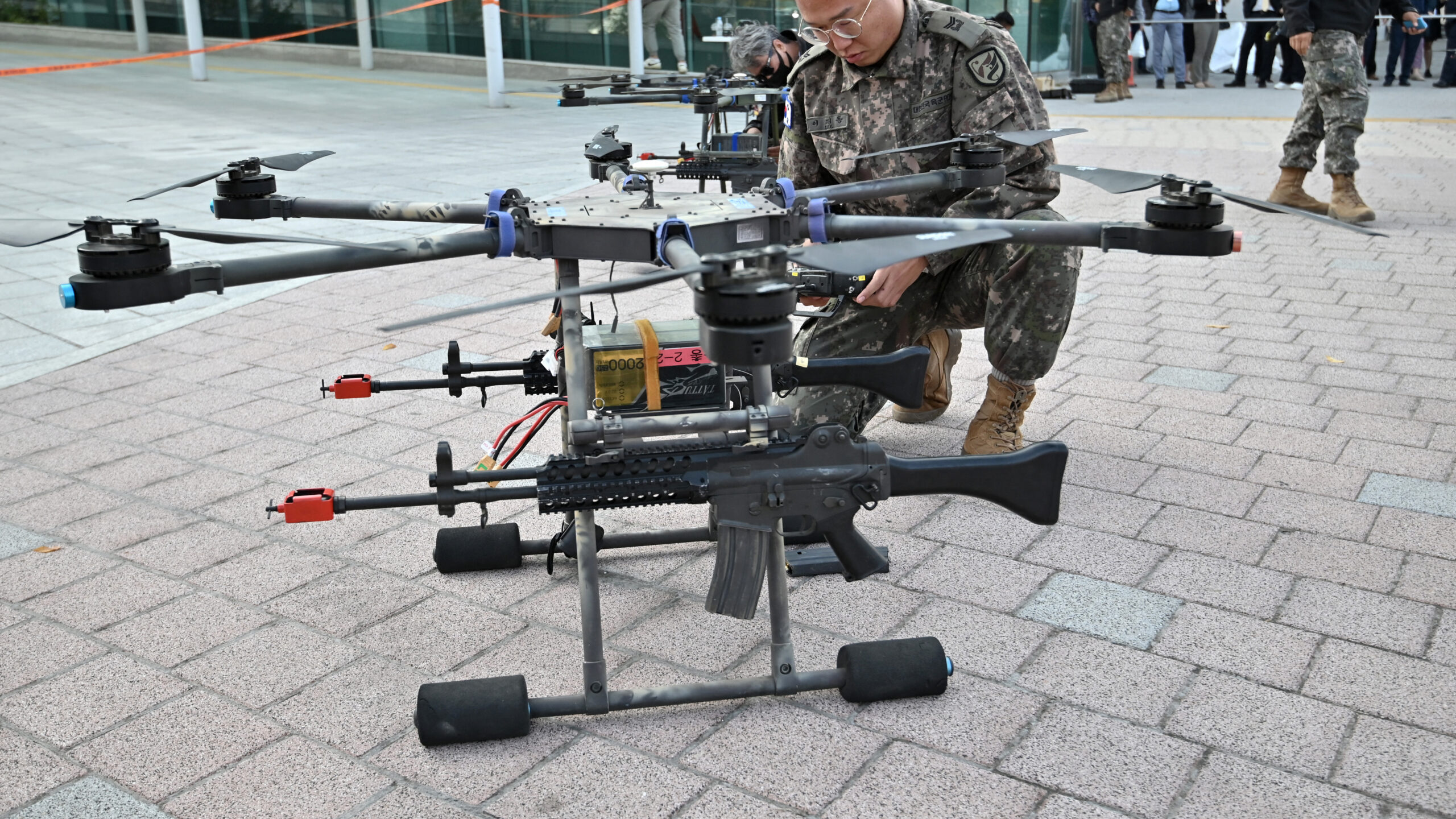
South Korea plans to transform its entire military into "drone warriors" by 2029, aiming for drones to be a universal combat tool. This ambitious plan faces significant hurdles, including personnel shortages and supply chain constraints.

The international AI landscape presents unique challenges and opportunities, requiring developers to think beyond traditional tech hubs. Key aspects include adapting AI models to local languages and cultures, navigating the complex global supply chain for critical hardware like semiconductors, and understanding how venture capital assesses these international ventures. Success hinges on deep local market understanding, robust technical solutions for localization, and resilience against logistical hurdles.

A critical flaw dubbed "AI tool poisoning" has been uncovered in enterprise AI agent security. The vulnerability exploits AI agents' reliance on unverified tool descriptions, rendering traditional software supply chain controls insufficient for ensuring behavioral integrity. A new runtime verification layer, using behavioral specifications and a proxy, is proposed to validate tool actions and prevent sophisticated attacks like prompt injection and behavioral drift.
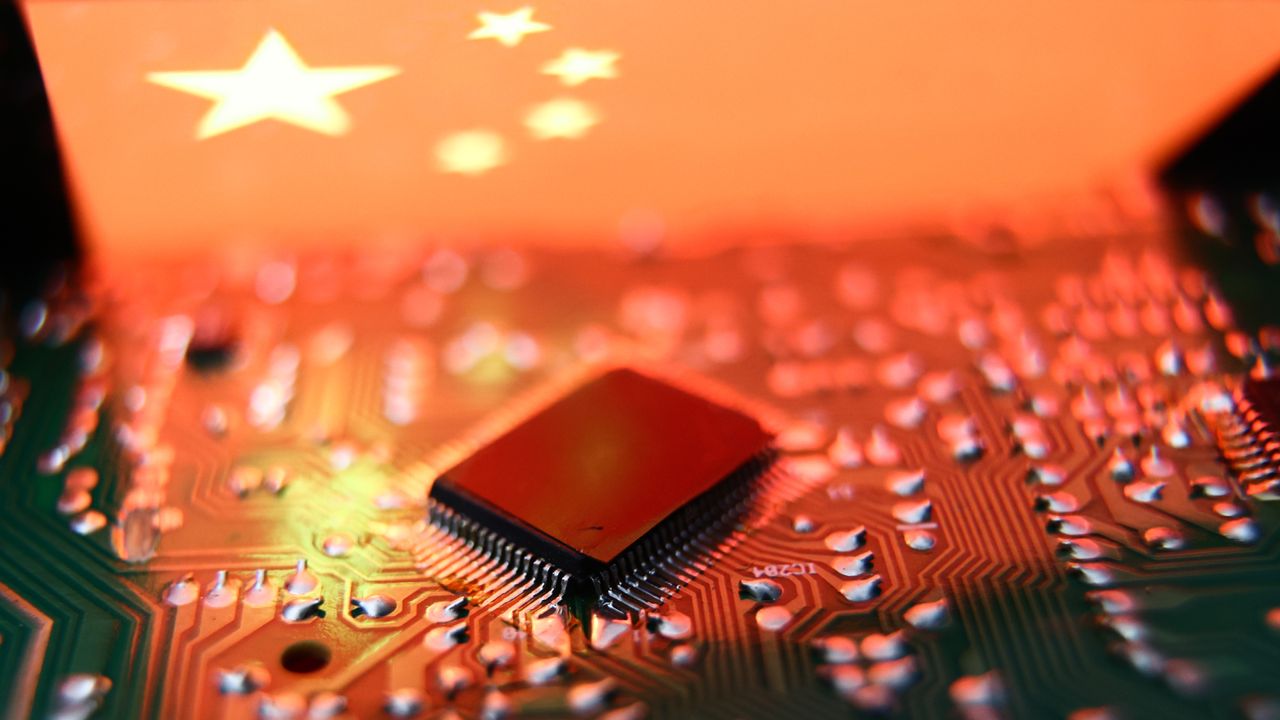
FCC's unanimous vote to ban all Chinese and Hong Kong labs from certifying electronics for sale in the U.S. due to national security concerns will affect 75% of devices, potentially raising consumer prices and causing supply chain shifts.

Google is in talks with Marvell Technology to develop two custom AI inference chips, including a memory processing unit and an inference-optimized TPU. This move signals Google's strategic diversification of its chip supply chain, expanding beyond its primary partner Broadcom to address the rapidly growing demand and cost of AI inference workloads. The collaboration aims to enhance Google's competitive advantage in the burgeoning custom silicon market.

Meta has indefinitely paused its collaboration with data vendor Mercor due to a significant security breach that could expose proprietary AI training data. The incident, confirmed by Mercor on March 31, is linked to the TeamPCP hacking group and impacts crucial information for major AI labs like OpenAI and Anthropic. This supply chain attack highlights the vulnerabilities in the AI ecosystem and the sensitive nature of data used for model development.

Gateway Capital, founded by Dana Guthrie, has completed the first close of its $25 million target Fund II, enabling immediate investment operations. The Milwaukee-based firm plans to back at least 20 Midwest-focused companies with average checks between $500,000 and $600,000, targeting sectors like supply chain, logistics, and manufacturing AI.
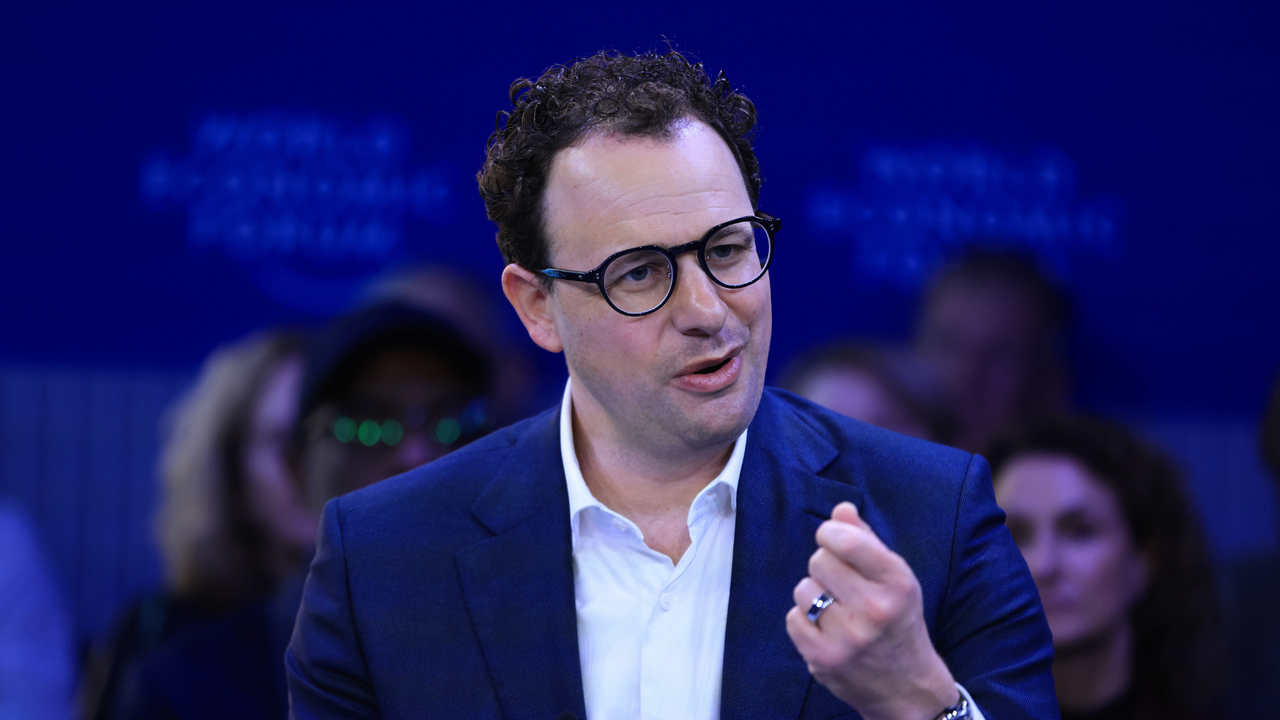
U.S. judge sides with Anthropic, temporarily blocking the Pentagon from branding the AI company a "supply chain risk" after it refused to lower guardrails for military use, citing ethical concerns over mass surveillance and autonomous weapons. This ruling is a significant win for tech autonomy and ethical AI development.

Norwegian startup Lace has secured $40 million in Series A funding to advance its groundbreaking chip-making technology. The company plans to replace traditional light-based lithography with helium atom beams, promising chip features up to ten times smaller than current capabilities. This investment, led by Atomico and including Microsoft's M12, highlights a strategic push to diversify the semiconductor supply chain and meet growing AI demand.

Seattle-area startup Homeostasis is converting captured industrial CO2 emissions into high-performance graphite for batteries. This innovative process addresses both climate concerns and the critical global demand for battery materials, particularly amid geopolitical shifts affecting supply chains. The company recently secured funding and a strategic partnership with Saudi Aramco's LAB7 to scale operations.
Quick Verdict Nexperia China's announcement of achieving small-batch production of chips using 12-inch silicon wafers is a pivotal moment, signaling a decisive move towards a self-contained supply chain. While

AI firm Anthropic plans to challenge the DOD's recent "supply chain risk" designation in court, calling it "legally unsound." This follows a dispute over AI control, with Anthropic refusing use for mass surveillance or autonomous weapons, while the Pentagon seeks unrestricted access for lawful purposes. The designation could bar Anthropic from military contracts.
Phison CEO Pua Khein-Seng warns of a severe RAM crunch by late 2026, threatening product line cuts and even company failures due to component shortages. This dire prediction, confirmed by sources to The Verge, highlights a critical vulnerability in the global tech supply chain.
