
FCC Regulatory Shift: A Seismic Shake-Up for US Electronics
FCC's unanimous vote to ban all Chinese and Hong Kong labs from certifying electronics for sale in the U.S. due to national security concerns will affect 75% of devices, potentially raising consumer prices and causing supply chain shifts.
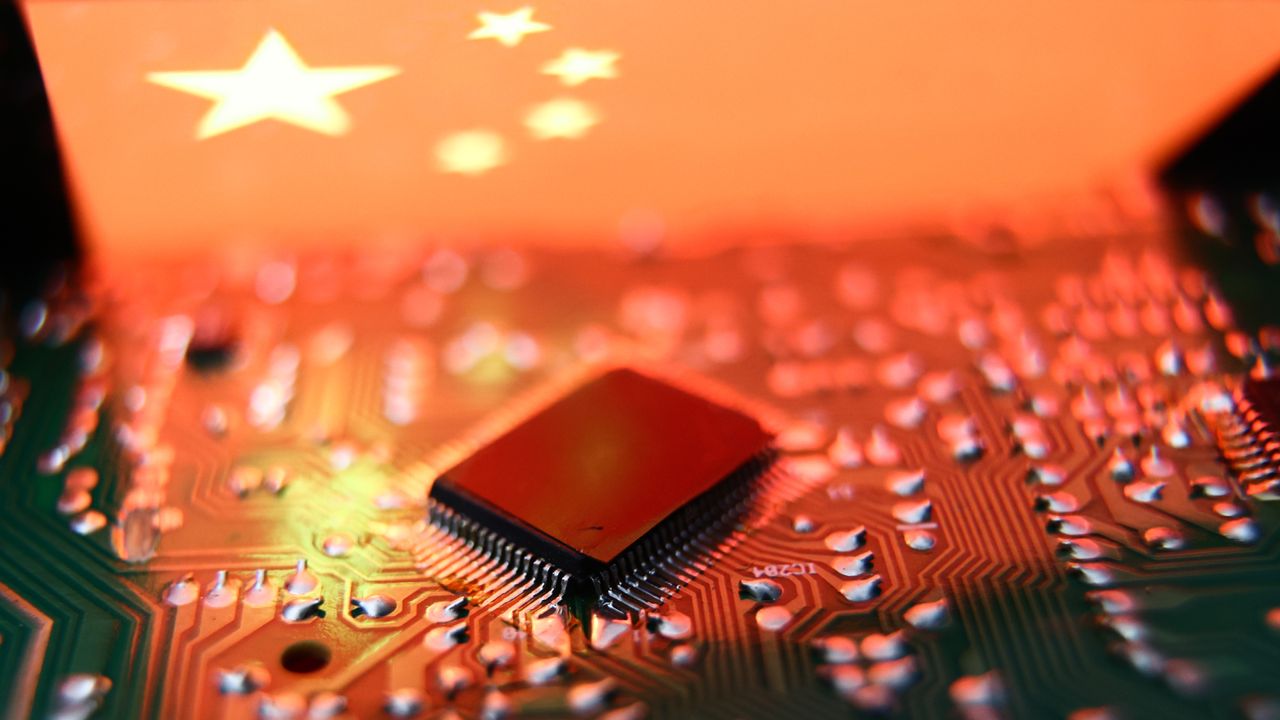
As an experienced tech reviewer, I'm typically focused on the latest gadgets and software, but occasionally, a regulatory shift emerges that promises to reshape the entire landscape of how electronics reach our hands. Today, we're dissecting a recent, unanimous vote by the Federal Communications Commission (FCC) that could profoundly impact the U.S. electronics market and, ultimately, your wallet.
Quick Verdict
The FCC has unanimously voted to advance a proposal that would ban all Chinese and Hong Kong testing labs from certifying electronics for sale in the U.S. This is a monumental move, citing national security concerns, and it's poised to disrupt a system where an estimated 75% of U.S.-bound devices currently receive their certification in these facilities. While intended to bolster national security, consumers should brace for potential price increases and supply chain adjustments as the industry adapts to this significant overhaul.
The Regulatory Landscape: What's Changing?
On Thursday, the FCC cast a unanimous vote to progress a proposal that would strip every testing lab in China and Hong Kong of its authorization to certify electronics for the U.S. market. This decision comes from the FCC's assessment that the current reliance on Chinese facilities for roughly three-quarters of all U.S.-bound electronics certifications constitutes a national security risk. FCC Chair Brendan Carr underscored the commission's commitment to limiting interconnection capabilities for entities deemed security threats.
This isn't the FCC's first foray into restricting Chinese tech. Between September and February, the agency had already banned 15 state-owned or government-affiliated Chinese labs under its original "Bad Labs" directive. This latest vote significantly expands that prohibition, extending it to all remaining labs in China, irrespective of their ownership structure. This includes Chinese subsidiaries of major Western testing firms such as Intertek, SGS, TUV Rheinland, and Bureau Veritas, which currently operate labs within China.
Beyond electronics certification, the commission also advanced a separate 3-0 proposal to ban China Mobile, China Telecom, and China Unicom from operating data centers in the U.S. The FCC had previously revoked these companies' retail telecom licenses but is now addressing their wholesale and infrastructure operations. Furthermore, the new proposal would consider prohibiting U.S. carriers from interconnecting with any entity on the FCC's national security "Covered List" or any carrier utilizing equipment from companies like Huawei or ZTE.
The path to implementation involves a public comment period, expected to last between 60 to 90 days, followed by the issuance of a final rule and a subsequent transition period. This action is part of a broader, expanding pattern of restrictions on Chinese technology by the FCC, which has recently included banning new foreign-made consumer routers in March, new foreign-made drones in December, and proposing restrictions on Chinese involvement in undersea cables last year.
Impact on the Tech Ecosystem and Consumer Experience
This proposed ban brings a complex mix of potential benefits and significant challenges to the tech industry and, by extension, the end consumer.
Pros:
- Enhanced National Security: The primary stated benefit from the FCC's perspective is a reduction in national security risks associated with foreign influence over the certification of critical electronic devices. By shifting testing to facilities in the U.S., Europe, or Taiwan, the agency aims to secure the supply chain.
- Increased Confidence: For some consumers and businesses, moving certification to non-Chinese facilities might instill greater confidence in the integrity and security of electronic products entering the U.S. market.
Cons:
- Substantial Cost Increases: This is arguably the most immediate and tangible impact. Basic FCC certification testing currently costs between $400 and $1,300 at Chinese labs. The equivalent testing at U.S. facilities runs significantly higher, ranging from $3,000 to $4,000. This represents a potential cost increase of 3x to 10x for manufacturers. It's highly probable that these increased costs will be passed down to consumers, leading to higher prices for a wide array of electronics, from smartphones and laptops to smart home devices and peripherals.
- Logistical Challenges and Delays: Redirecting an estimated 75% of all U.S.-bound electronics certification work is no small feat. While major Western testing firms like Intertek, SGS, TUV Rheinland, and Bureau Veritas do have labs in the U.S., Europe, and Taiwan capable of absorbing some of this redirected work, the source explicitly states that "the shift won’t be seamless." This could lead to bottlenecks in the certification process, potentially delaying product launches and availability for consumers.
- Supply Chain Disruptions: Manufacturers, particularly smaller ones or startups, who rely heavily on the lower-cost Chinese certification process, may face significant hurdles in adapting. This could further strain global supply chains already grappling with various challenges.
Comparison to Alternatives: Certification Costs
The most direct comparison highlighted by this regulatory shift is the significant cost differential between current and prospective certification locations. This disparity is critical for manufacturers and, subsequently, for consumers.
| Certification Location | Estimated Basic FCC Testing Cost |
|---|---|
| Chinese Labs | $400 - $1,300 |
| U.S. Labs | $3,000 - $4,000 |
As the table clearly illustrates, the cost for basic FCC certification testing in the U.S. is substantially higher than in Chinese facilities. This financial burden on manufacturers is a key factor that will likely influence the retail prices of consumer electronics in the coming years. While the source only details U.S. lab costs as an alternative, the mention of European and Taiwanese labs operated by Western firms suggests other potential, albeit unspecified, cost alternatives that may fall somewhere between the two extremes presented.
Our Buying Recommendation
Given that this is a major policy shift rather than a product launch, our recommendation isn't about what to buy, but how to approach the evolving tech market. Consumers should:
- Stay Informed: Keep an eye on the public comment period and subsequent final rule. The unanimous vote suggests strong momentum for this proposal, but the details of the transition period could still be refined.
- Anticipate Price Adjustments: Be prepared for potential price increases across a broad spectrum of electronic devices. This won't happen overnight, but as manufacturers adjust to higher certification costs, these will likely be factored into retail pricing.
- Expect Potential Delays: While companies will strive for smooth transitions, the sheer volume of work being redirected means there could be temporary delays in new product releases or availability.
- Prioritize Needs vs. Wants: If you've been eyeing a new gadget, it might be worth considering whether to make a purchase sooner rather than later, anticipating a potential upwards shift in prices for future models.
This move by the FCC is a long-term strategic play focused on national security. Its short-to-medium term effects will likely ripple through product costs, availability, and the operational strategies of tech companies worldwide.
FAQ
Q: What is the primary reason behind the FCC's proposal to ban Chinese labs from certifying electronics?
A: The FCC voted to advance this proposal primarily due to national security concerns, deeming the current reliance on Chinese facilities for certifying U.S.-bound electronics as a significant risk.
Q: How might this proposed ban impact the price of electronics for consumers in the U.S.?
A: The ban is expected to lead to higher certification costs for manufacturers (U.S. labs are significantly more expensive than Chinese ones), which will likely be passed on to consumers as increased retail prices for electronic devices.
Q: When can we expect this new rule to take effect?
A: The proposal is currently in a public comment period, expected to last 60 to 90 days. Following this, the FCC will issue a final rule, which will then be followed by a transition period before full implementation.
Related articles
Android 17 QPR2 Beta 7.1: The Performance Relief You've Been Waiting
Android 17 QPR2 Beta 7.1: Finally Fixing the QPR1 Performance Woes Verdict: Android 17 QPR2 Beta 7.1 is a crucial and highly anticipated software update for Google Pixel users, specifically targeting and resolving the

DJI Solo Video Setups: Smart Choices for Lone Creators
This review delves into DJI's recommended solo video setups, highlighting the Osmo Pocket 3 Creator Combo as a top pick for its integrated camera, gimbal, and mic. It also covers stabilizers like the Osmo Mobile 8 and RS 4, and the DJI Mic Mini series for enhanced audio, providing honest pros, cons, and clear buying advice.

TCG Pocket Responds: A Much-Needed Pace Shift for Pokémon Fans
Pokémon TCG Pocket is rolling out a major update for its second anniversary, primarily addressing player concerns about overwhelming content releases by shifting to a six-week set schedule. This aims to curb player decline and improve overall engagement by giving trainers more time to collect and strategize. The update also adds new collection methods, improved deck-building features, and enhanced trading functionality.

Ars Technica's Rocket Report: Your Essential Space Industry Briefing
Quick Verdict Ars Technica's Rocket Report, presented by veteran space reporter Stephen Clark, offers an invaluable and meticulously organized weekly (or similar frequency, implied by "Edition 9.15") digest of the most

Apple iPhone Duo: A Daring Debut with Notable Compromises
Apple's highly anticipated iPhone Duo, priced at $2,000, has gone on pre-order. While hailed as "Apple's most exciting device in a decade" for its innovative foldable design and immersive display, it comes with significant drawbacks like the absence of FaceID and a premium camera.
KDE Plasma 6.8: A Future-Focused 30th Anniversary Update
Quick Verdict KDE Plasma 6.8, arriving as the "30th Anniversary Edition," is a pivotal release that decisively pushes the desktop environment into the future. With a definitive farewell to native X11 sessions and a