32 results found

Prototype racing is heading towards a unified, LMDh-based rule set by 2030, promising greater stability, cost-effectiveness, and a focus on software-driven innovation for OEMs, despite current economic challenges.
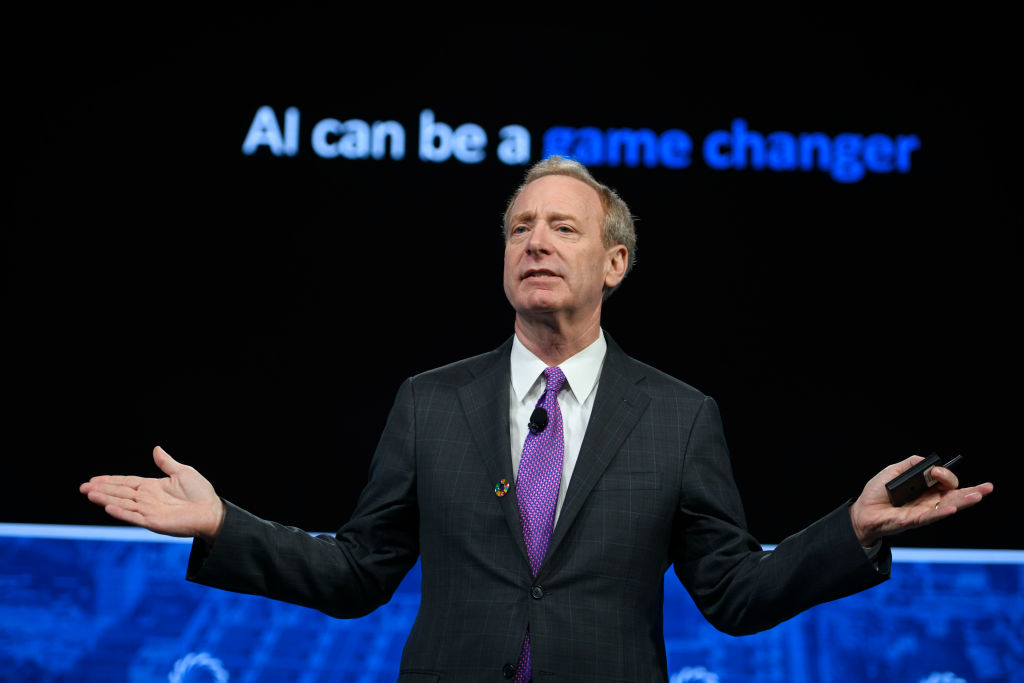
Microsoft President Brad Smith is advocating for urgent, legally binding AI regulation, arguing that current oversight lags behind basic consumer products. He highlights the UK's AI Security Institute (AISI) and its unique geopolitical position as ideal for leading global safety rules, despite recent US pushback. Smith proposes measures like breach reporting and "kill switches," rejecting voluntary agreements as insufficient.

A federal judge in Oklahoma delivered a landmark ruling on Thursday, declaring that a police investigation utilizing Flock license-plate-reader (LPR) cameras to reconstruct a woman's movements constituted an
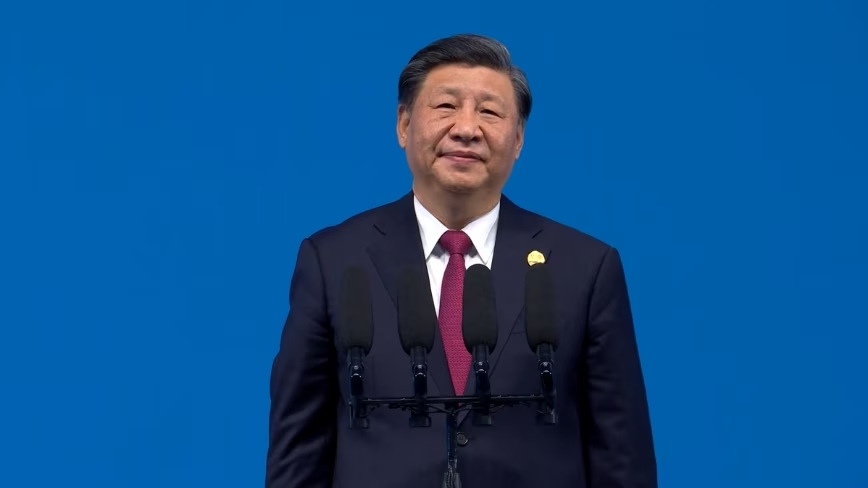
Chinese President Xi Jinping proposed a China-led open-source AI community and invited BRICS nations to join the World AI Cooperation Organization (WAICO) at the recent BRICS summit. This push for global collaboration contrasts sharply with Beijing's ongoing internal debates about restricting its own advanced AI models. Meanwhile, the EU's comprehensive AI Act, with its clear, enforceable rules for open-source AI, highlights a significant divergence in global AI governance approaches.
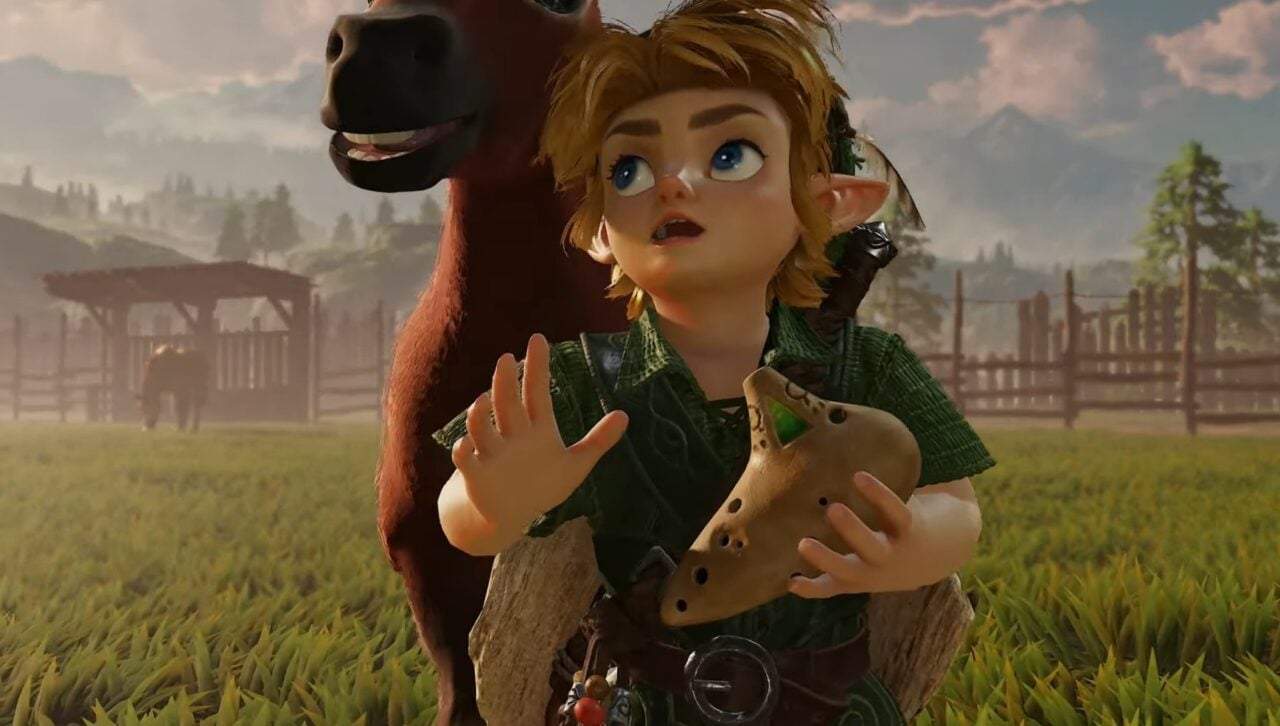
The Legend of Zelda: Ocarina of Time remake embraces a hyper-realistic HD overhaul, sparking widespread debate among fans. While stunning new screenshots showcase a meticulously detailed Hyrule, changes to Link's appearance, Navi's sound, and potential mobile phone integration for quests have generated mixed reactions. Nintendo's ambitious vision aims to balance modern graphics with the essence of the N64 classic.

The U.S. Justice Department has sided with OpenAI and Microsoft in a copyright lawsuit filed by The New York Times, arguing that training AI models on journalistic content doesn't violate copyright law. This intervention highlights the government's belief that a thriving domestic AI industry is crucial for national security, setting the stage for a landmark decision that could redefine intellectual property rights in the age of artificial intelligence.

The EU's Digital Services Act designates ChatGPT, Reddit, and Roblox as "Very Large Platforms," bringing stringent new rules for content moderation, minor protection, and transparency, impacting millions of users and platform operations.

AI firm Anthropic secured a federal court victory today, overturning the Trump administration's blacklisting that labeled it a national security and supply chain risk. The judge ruled the government's actions were illegal, restoring Anthropic's ability to engage with federal contracts and military partners.

As software developers, our craft often feels purely technical – algorithms, data structures, system architecture, and debugging. Yet, a significant portion of our daily work involves communication, much of it written:

YouTube's View Count Shift: More Numbers, Same Payouts Quick Verdict: YouTube is implementing a significant change to how public video views are counted, moving to a "first frame" rule across all content types. While
Gaming and film fans are buzzing with bittersweet news: the late, great Sam Neill might appear in the upcoming live-action *Legend of Zelda* movie. Filming his role before his passing, Neill is rumored to portray the King of Hyrule, adding immense gravitas to the highly anticipated adaptation. The film also features Benjamin Evan Ainsworth as Link, Bo Bragason as Princess Zelda, Uli Latukefu as Ganondorf, Yvonne Strahovski as a queen, and Dichen Lachman as Impa, all under Wes Ball's direction. Set for an April 30, 2027 release, this could be one of Neill's final performances, making the journey to Hyrule all the more poignant.

This article explores a software developer's journey to Germany, challenging common stereotypes with firsthand accounts of inclusive workplaces, flat hierarchies, and a trust-based society. It delves into the practicalities of navigating German professional life, understanding its rule-based systems, and the path to citizenship, highlighting key administrative details like 'sustainable livelihood'. The author shares insights on why Germany's structured environment and commitment to social democracy resonated deeply, offering a unique perspective for fellow developers considering a career move abroad.

For years, buying a Milwaukee M18 battery was straightforward: the bigger the Amp-hour (Ah) number, the more power and runtime you got. This simple rule guided countless purchases, but Milwaukee has quietly changed the
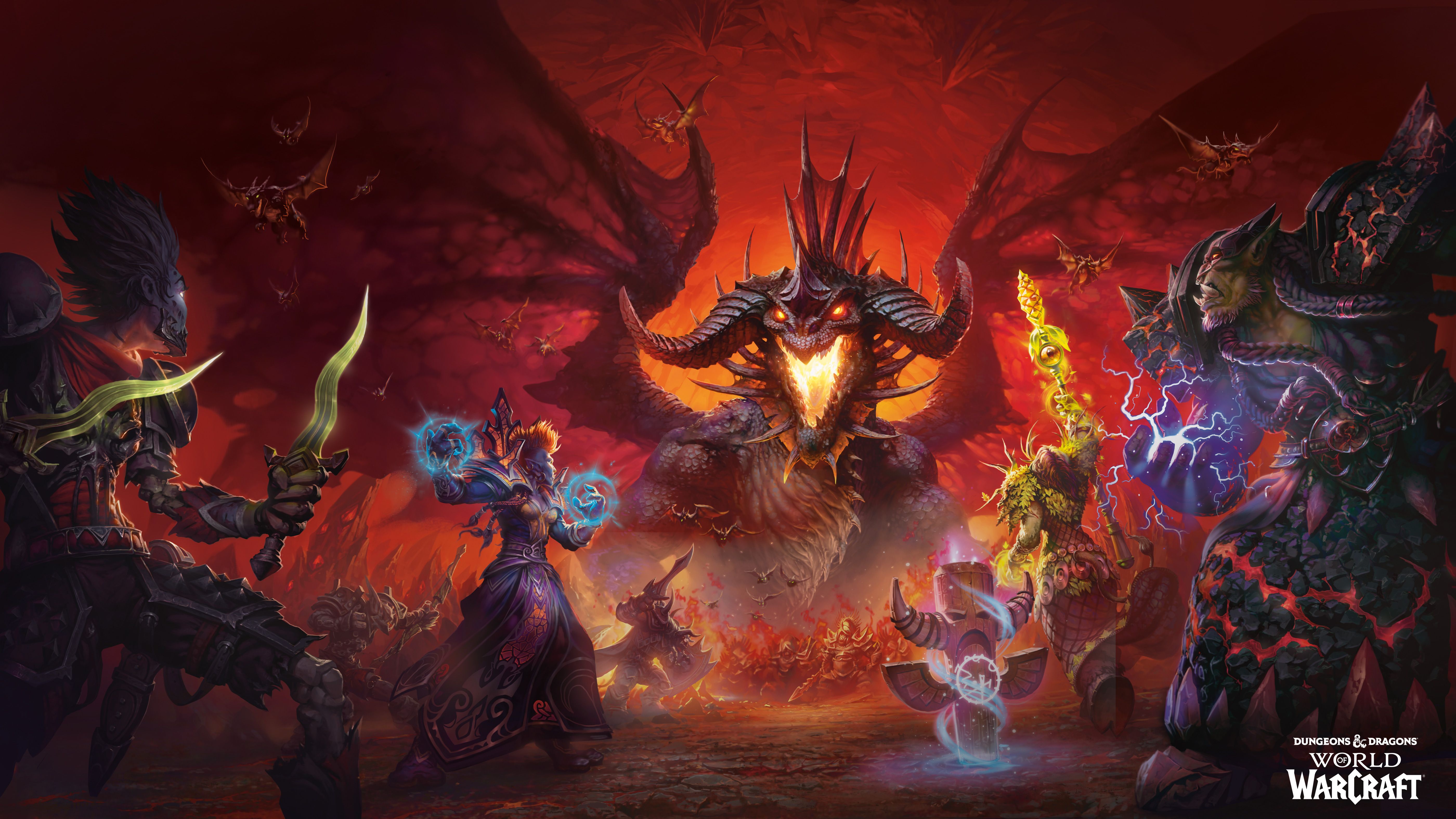
Dungeons & Dragons is adopting Magic: The Gathering's successful but controversial Universes Beyond strategy, kicking off with *Dungeons & Dragons: World of Warcraft*. This 256-page book offers new species, classes, spells, and locations from Azeroth for the D&D 5.5e ruleset, arriving November 17. The move signals a major shift for D&D, balancing new IP crossovers with licensed development for classic settings.
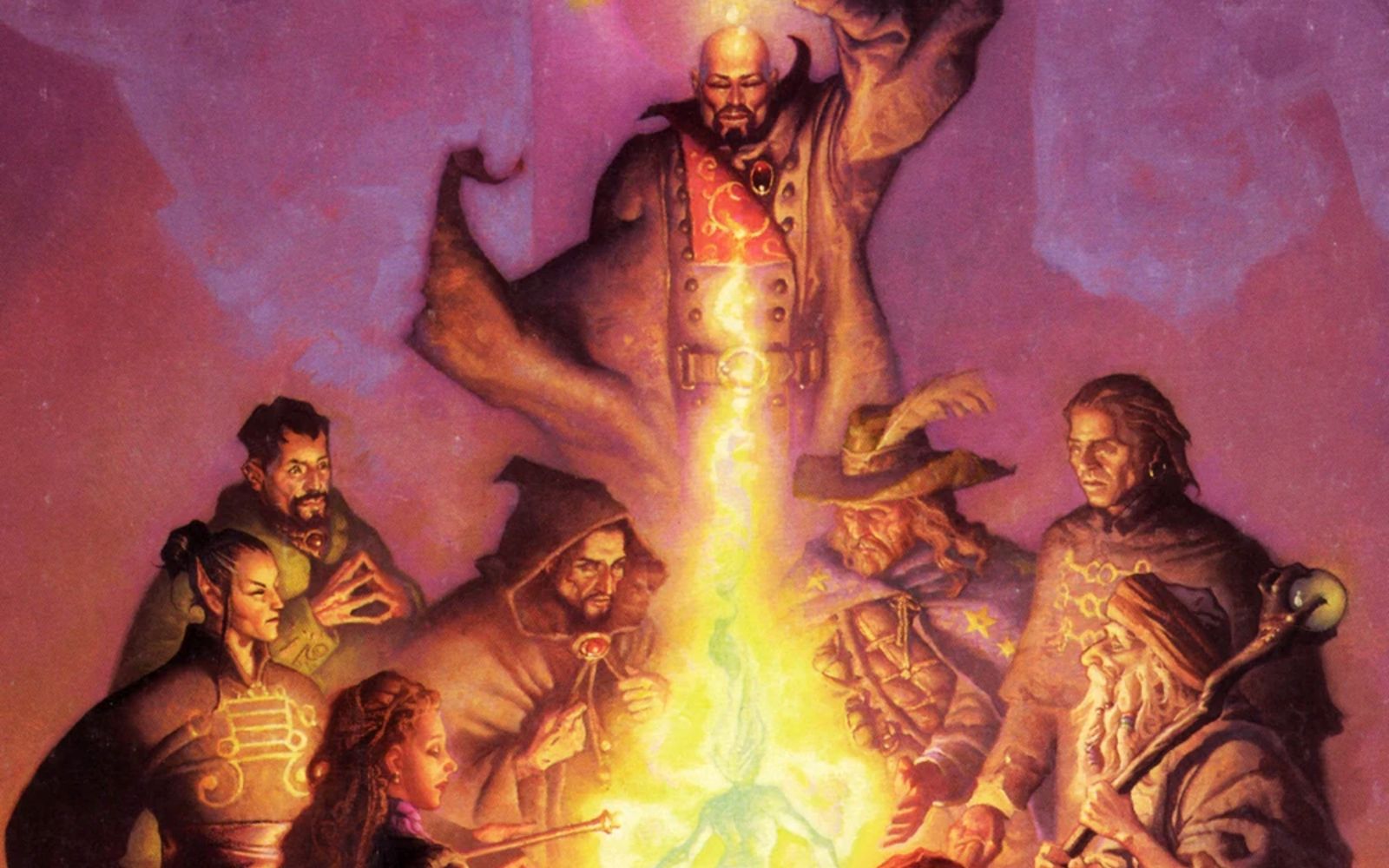
D&D's new Legends of Greyhawk global campaign brings the classic, gritty setting back to the forefront using 5.5e rules. This organized play initiative emphasizes connection and player agency in a world where legendary heroes are scarce. It offers a slower progression and stricter magic item limits, fostering deeper character connection and a more challenging, sword-and-sorcery experience.

The Trump Administration's Environmental Protection Agency (EPA) has put forth a significant rule change proposal that could drastically alter how the public engages with air pollution permitting processes. Announced on

Hasbro has finally unveiled its 'Heroes of Hyrule' action figures for Zelda: Tears of the Kingdom, offering fans an affordable way to collect Link, Zelda, and Ganondorf. These 6-inch figures boast good detail and articulation, with pre-orders live today for a Spring 2027 delivery. It's part of a new multi-year deal with Nintendo, promising more exciting merch.

Uber and Waymo are locked in a contentious battle over proposed robotaxi regulations in Washington D.C., with Uber pushing a "hybrid" model to protect human drivers and Waymo poised to gain a market advantage under the current bill. This regulatory clash highlights broader industry debates over autonomous vehicle deployment and market control. Simultaneously, Uber is expanding its global delivery presence with a $14.8 billion acquisition of Delivery Hero, while other mobility startups secure significant funding.

Are you a proud owner of Ryobi tools, perhaps navigating both the 18V ONE+ and 40V platforms? It might seem counterintuitive to invest in two separate battery ecosystems from the same brand, but with a clear strategy,
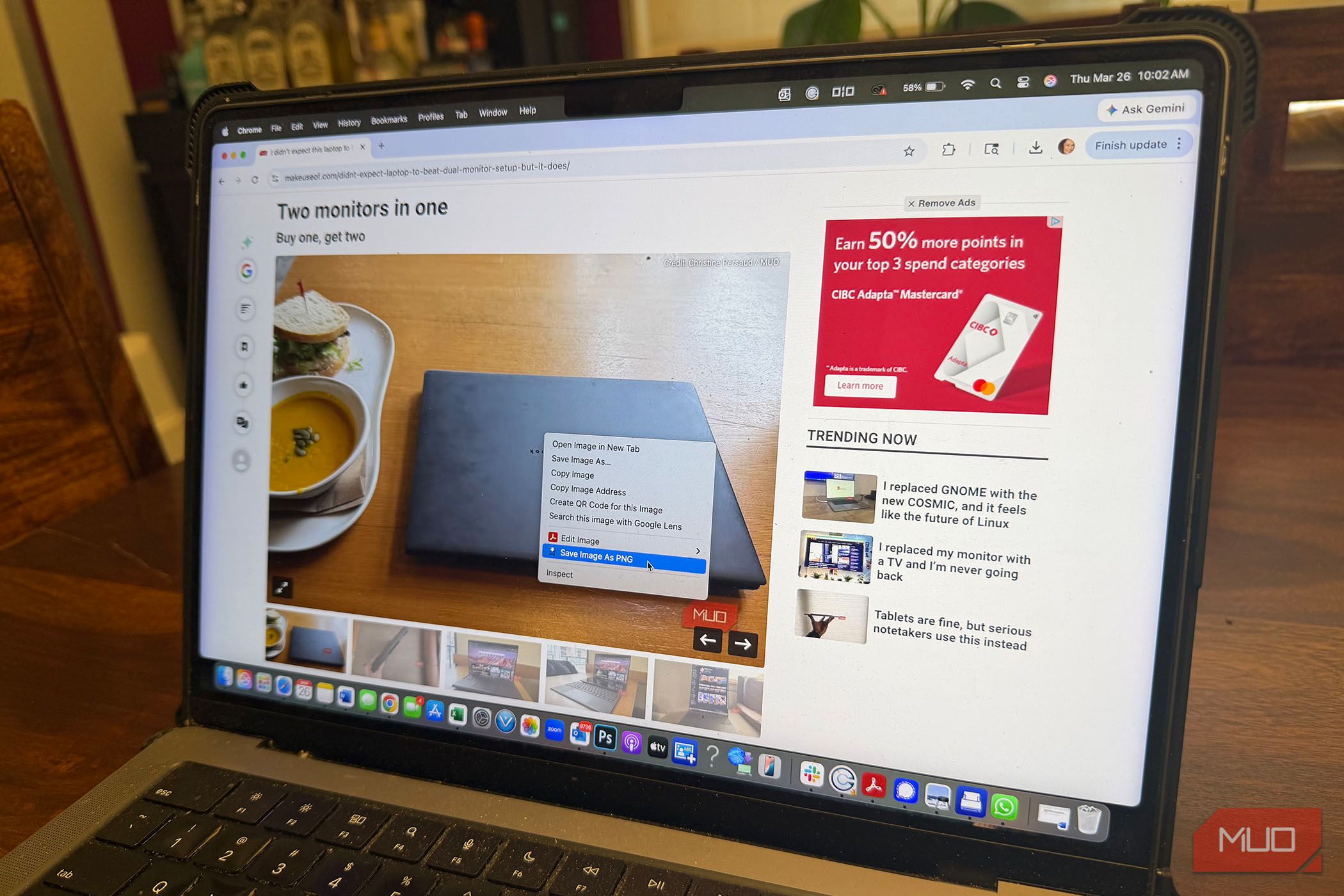
Google has announced significant updates to its Chrome Web Store policies, particularly focusing on enhancing user privacy for extensions. These changes are a major step towards making your browsing experience safer and

Quick Verdict: The Data Center's New Powerhouses The server market is undergoing a seismic transformation, with Arm-based processors and GPU-accelerated systems rapidly rewriting the rules. Our latest analysis from
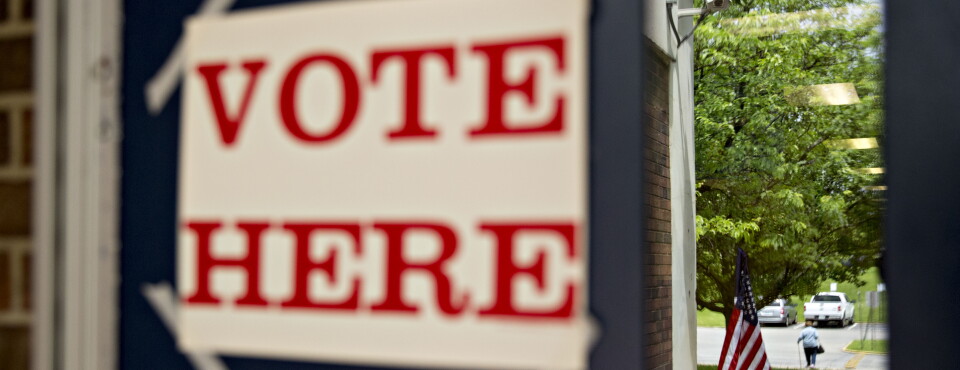
A Delaware judge ruled that "artificial entities" like corporations and LLCs can vote in certain local elections, citing their recognition as "persons" under Delaware law. This decision, stemming from a challenge to Fenwick Island's charter, highlights the state's unique corporate legal framework and its reliance on business entities.

Δ-Mem is a lightweight memory mechanism that augments frozen LLM backbones with a compact online state. It uses a fixed-size state matrix, updated by delta-rule learning, to generate low-rank corrections for attention computation during generation. This approach significantly improves performance on memory-heavy tasks without costly context expansion or full model fine-tuning.

Verdict: Your Ears (and Brain) Will Thank You In an age where headphones are practically an extension of ourselves, the ZDNET article on the 60-60 rule delivers a crucial, timely reminder: our hearing health is

Newly appointed Disney CEO Josh D’Amaro faces an unexpected battle with the Trump administration as Disney-owned ABC accuses the FCC of violating its First Amendment rights. The dispute centers on an FCC investigation into “The View” over the “equal time” rule, despite the show's long-standing exemption. This confrontation marks a pivotal moment for D'Amaro, challenging Disney's past strategies of appeasement and forcing a direct stand against government pressure.
