
Engineering Life in Germany: Trust, Rules, and a Softer Landing
This article explores a software developer's journey to Germany, challenging common stereotypes with firsthand accounts of inclusive workplaces, flat hierarchies, and a trust-based society. It delves into the practicalities of navigating German professional life, understanding its rule-based systems, and the path to citizenship, highlighting key administrative details like 'sustainable livelihood'. The author shares insights on why Germany's structured environment and commitment to social democracy resonated deeply, offering a unique perspective for fellow developers considering a career move abroad.

Transitioning to a new country for work often means navigating a maze of unfamiliar customs, administrative hurdles, and cultural nuances. For many developers considering international opportunities, Germany might conjure images of stern efficiency and rigid adherence to rules, potentially overshadowing its vibrant tech scene and robust economy. This perspective, often shaped by generational stereotypes, can create a challenging mental model for those contemplating a move. However, personal experiences often paint a different picture, revealing a system built on trust, clear frameworks, and a surprising warmth.
My journey to Germany began as a simple internship in Hamburg after my third year of Computer Science studies. My initial understanding of German culture was largely filtered through anecdotes from Turkish immigrants who had moved there decades prior – tales of reserved, rule-bound individuals and a harsh language. This common perception, echoing much of what one might find online, set a certain expectation. Yet, my practical experience diverged significantly from these preconceived notions, particularly within the professional sphere and daily life.
The German Professional Landscape: Beyond Stereotypes
My initial entry into the German professional world was marked by unexpected inclusivity and a supportive environment. During my internship, my team actively involved me, granting responsibilities typically reserved for full-time employees and integrating me into all team events, including memorable offsites. This collaborative spirit, coupled with a generally friendly atmosphere, quickly dissolved prior stereotypes. The direct consequence of this positive experience was a job offer: freelancing from Turkey while completing my studies, with the promise of a full-time contract upon graduation. This demonstrated a pragmatic, trust-based approach to talent acquisition.
Upon my return to Hamburg, the workplace culture continued to impress. Beyond the initial welcome (candies and balloons on my desk), the flat hierarchies were notable. I frequently observed C-level executives performing mundane tasks like fetching their own coffee or washing their glasses, indicative of an environment where status symbols were downplayed, and practical contribution was valued. Assistants, for instance, focused on enhancing productivity rather than acting as personal servants. This ethos extended to worker welfare; my lead consistently encouraged vacation time and mandated rest during illness, often without requiring a doctor's note initially. This level of trust and focus on well-being was a distinct departure from many other corporate cultures.
Diversity was also evident, challenging the notion that Germans prefer their own in leadership roles. My experience in works council elections, where I received the highest number of votes despite being an immigrant among many German candidates, underscored a meritocratic approach. Similarly, seeing individuals of Turkish heritage in prominent political and security roles (like Cem Özdemir and Sinan Selen) reinforced the idea that integration and capability are prioritized over origin. Direct engagement with C-level executives in works council discussions, followed by convivial social interactions at company parties, further illustrated the flat management style and respect for differing viewpoints within the professional structure.
Navigating the System: Rules, Rights, and Residency
One of the most defining aspects of German life is its structured approach, often perceived externally as an abundance of rules. However, from a developer's perspective, this can be seen as a well-documented system designed for clarity and predictability. Rules, whether explicit or unwritten (like punctuality or waiting at a red light regardless of traffic), often simplify decision-making and enhance collective safety and efficiency. The Ruhezeit (quiet hours), for example, is a clear regulation that protects personal space and sleep, a feature I found particularly beneficial. This systematic approach meant that when an issue arose, there was often a clear, defined process to follow, reducing ambiguity.
However, this rule-based system also presented unique challenges, particularly regarding long-term residency. My initial application for permanent residence was rejected because I was between jobs, despite having substantial savings. This taught me a crucial 'technical' detail about German administrative logic: 'sustainable livelihood' (nachhaltiger Lebensunterhalt) isn't merely about current bank balance, but specifically refers to stable employment, typically a permanent contract past its probation period. While initially frustrating, the underlying logic became clear: a reliable, ongoing income stream is deemed a more stable indicator of self-sufficiency than a potentially finite sum of savings. This specific requirement highlights how the system prioritizes long-term, systemic stability.
German society also exhibits a strong commitment to social democracy, translating into tangible benefits. The observation of individuals from diverse socio-economic backgrounds sharing the same restaurants, without social distinction, speaks volumes about a societal design that aims for equitable access and prevents overt class segregation, even in affluent areas. Worker's rights and social reforms are deeply ingrained, providing a robust safety net and a generally high quality of life.
Integration and Identity: A Developer's Journey
My path to integration was, admittedly, a 'soft landing'. Starting in a large, international, English-speaking company in a major city like Hamburg, coupled with a competitive salary, buffered many common challenges faced by new arrivals. This distinction is crucial: while my experience was overwhelmingly positive, it's important to acknowledge that not everyone encounters the same welcoming circumstances. The journey to learn German, for example, followed my decision to stay, rather than being a prerequisite for my professional integration, further highlighting the initial accessibility for English-speaking tech professionals.
Over time, understanding Germany deepened through extensive reading and observation. Books on German history, culture, and social development provided context for its unique identity, particularly its profound grappling with its past. This commitment to self-reflection and a collective refusal to repeat historical missteps translates into a palpable civic consciousness. Large-scale demonstrations against far-right ideologies, often spontaneously organized, are a testament to this active defense of democratic values.
Ultimately, my decision to become a German citizen was a reflection of this profound alignment of values. The recently adjusted citizenship laws, reducing the waiting period to five years, provided the pathway. The process, while requiring proof of social contributions, B1 German language proficiency, a citizenship test, and an acceptance of democratic principles, was straightforward. It culminated in receiving my Einbürgerungsurkunde, making official a sense of belonging that had been years in the making.
For developers considering Germany, the takeaways are clear: expect a professional environment built on trust, flat hierarchies, and a strong emphasis on work-life balance. Embrace the structured nature of its social systems, understanding that rules often serve a purpose of collective efficiency and fairness. While a 'soft landing' through an international company can ease the initial transition, investing in German language skills and understanding the nuances of administrative requirements (like the definition of 'sustainable livelihood') are key for long-term integration and career progression. Germany, as a system, offers predictability, equity, and a strong community for those willing to engage with its unique operating principles.
FAQ
Q: What is meant by 'sustainable livelihood' for German residency applications, and how does it differ from simply having savings?
A: For German authorities, 'sustainable livelihood' (nachhaltiger Lebensunterhalt) for permanent residency or citizenship applications typically requires proof of stable, ongoing income from employment. This usually means a permanent work contract, ideally beyond the probationary period. While having savings is beneficial, it generally does not substitute for a steady income stream, as savings are considered a finite resource compared to consistent earnings.
Q: How flat are German corporate hierarchies in practice, particularly compared to other tech hubs?
A: Based on experience, German corporate hierarchies, especially in larger companies, tend to be significantly flatter than many counterparts, particularly those in the US. This manifests as C-level executives being more accessible and performing common tasks, a strong emphasis on works council involvement, and a culture where direct communication and respectful debate with leadership are common and even encouraged, without significant fear of professional repercussions. This can lead to more collaborative decision-making processes.
Q: Is a high level of German language proficiency required to work as a software developer in Germany, especially in initial stages?
A: While beneficial for social integration and certain roles, a high level of German (e.g., C1/C2) is often not a strict requirement for initial employment in international or larger tech companies, particularly in major cities like Hamburg or Berlin. Many such companies operate primarily in English. However, for deeper integration, navigating local bureaucracy, or working for smaller, more traditional German firms, B1 or B2 proficiency becomes increasingly important. Acquiring German skills often becomes a natural progression once a developer decides to settle long-term.
Related articles
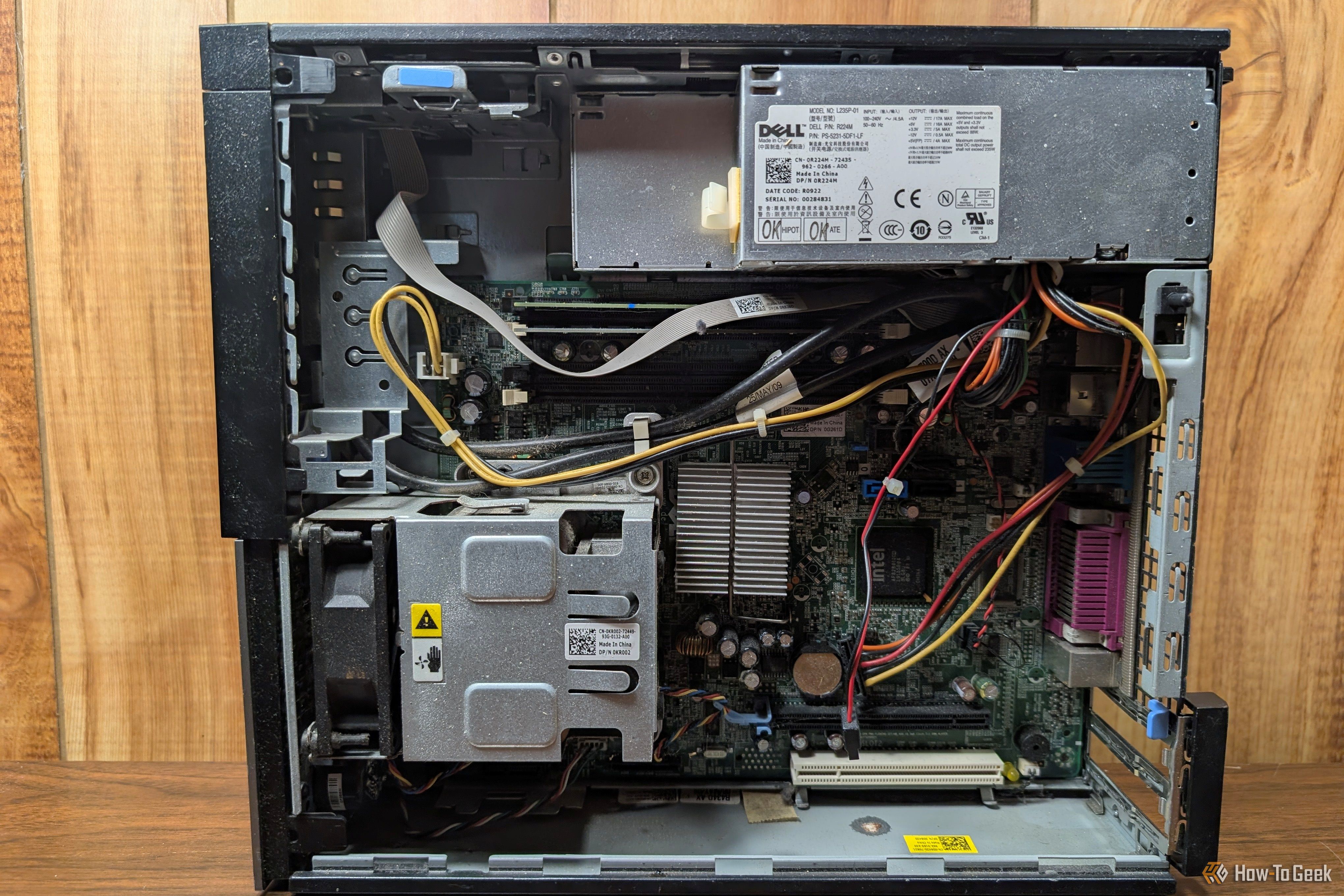
Turn Your Old PC into a Homelab: 6 Beginner Self-Hosting Projects
Breathe New Life into Your Old PC with Self-Hosting Don't let that dusty old laptop or desktop gather cobwebs! While it might not keep up with today's demanding software, an older PC often has more than enough power to
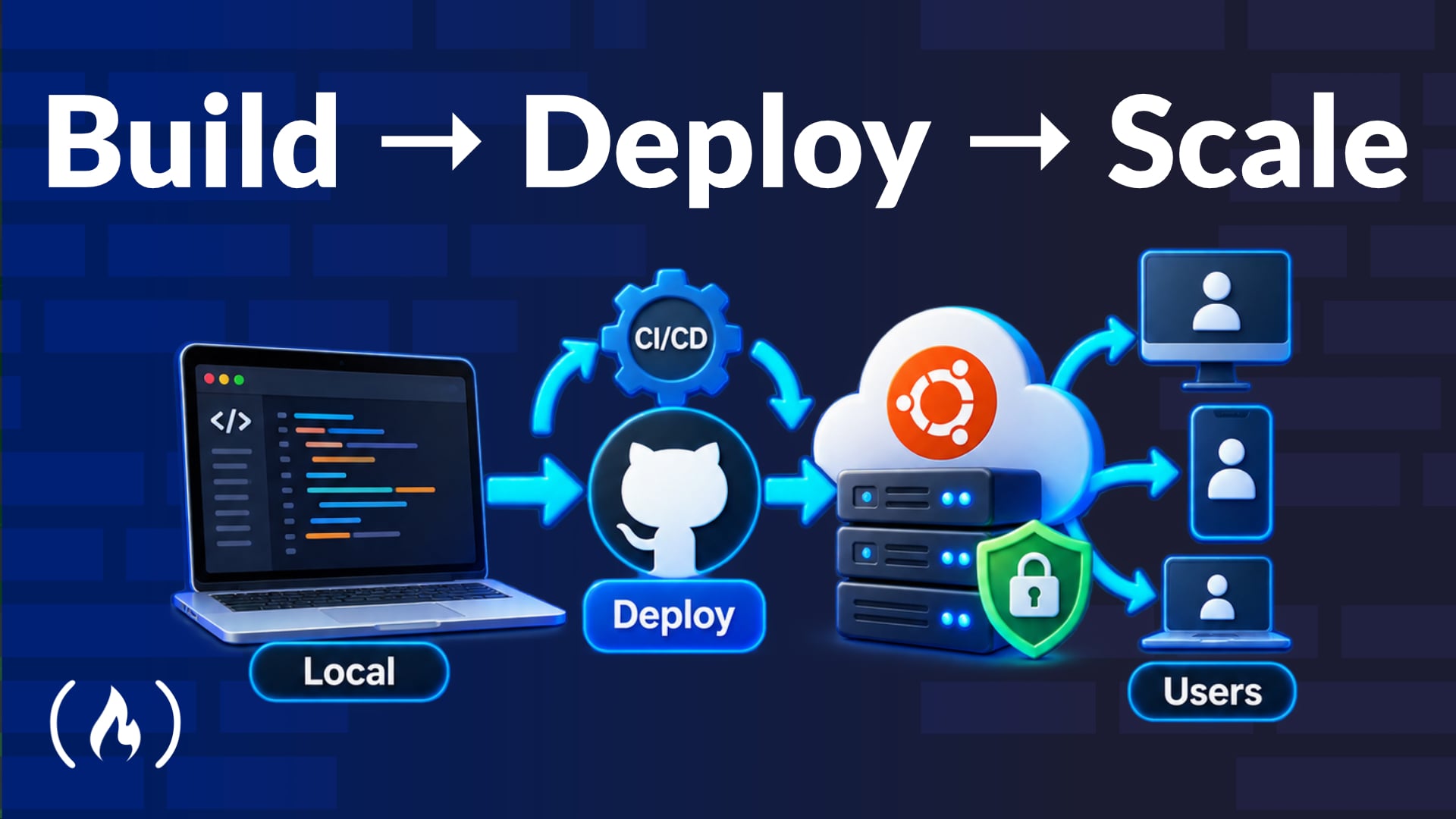
Mastering Full-Stack Deployment: Secure, Automate, Go Live
This article highlights a comprehensive freeCodeCamp.org course on deploying, securing, and automating full-stack web applications. It covers crucial steps from server provisioning and foundational security with UFW and Fail2Ban, to application runtime setup, data management, global access via Nginx and Cloudflare, and robust CI/CD pipelines with GitHub Actions. The course emphasizes a hands-on approach, integrating continuous security testing and observability, culminating in a production-ready application.

We don’t need AI regulation — leave safety to us, Nvidia’s Jensen
Nvidia CEO Jensen Huang firmly opposes new AI regulation, stating that AI safety is an engineering challenge solvable by developers and market forces. Speaking at Dreamforce, Huang argued existing laws and corporate responsibility are sufficient, while critics point to past tech failures and AI's potential for harm as reasons for caution.
Goldman Sachs Establishes Bellevue AI & Cloud Hub for 125+ Engineers
Goldman Sachs has opened a new engineering hub in Bellevue, Washington, focused on AI and cloud transformation, set to house over 125 engineers. This marks the financial giant's first dedicated engineering space in the Pacific Northwest, reinforcing its commitment to technological advancement.
Ordewell: Orchestrating AI Coding Agents for Structured Development
Ordewell is an orchestration tool for AI coding agents that transforms a single development goal into an ordered, dependency-aware plan of tasks. Each task specifies its runner, model, thinking effort, and mode, allowing for granular control. It verifies results based on evidence rather than opinion, and offers CLI, VS Code, and web interfaces, along with an extensible skill system.
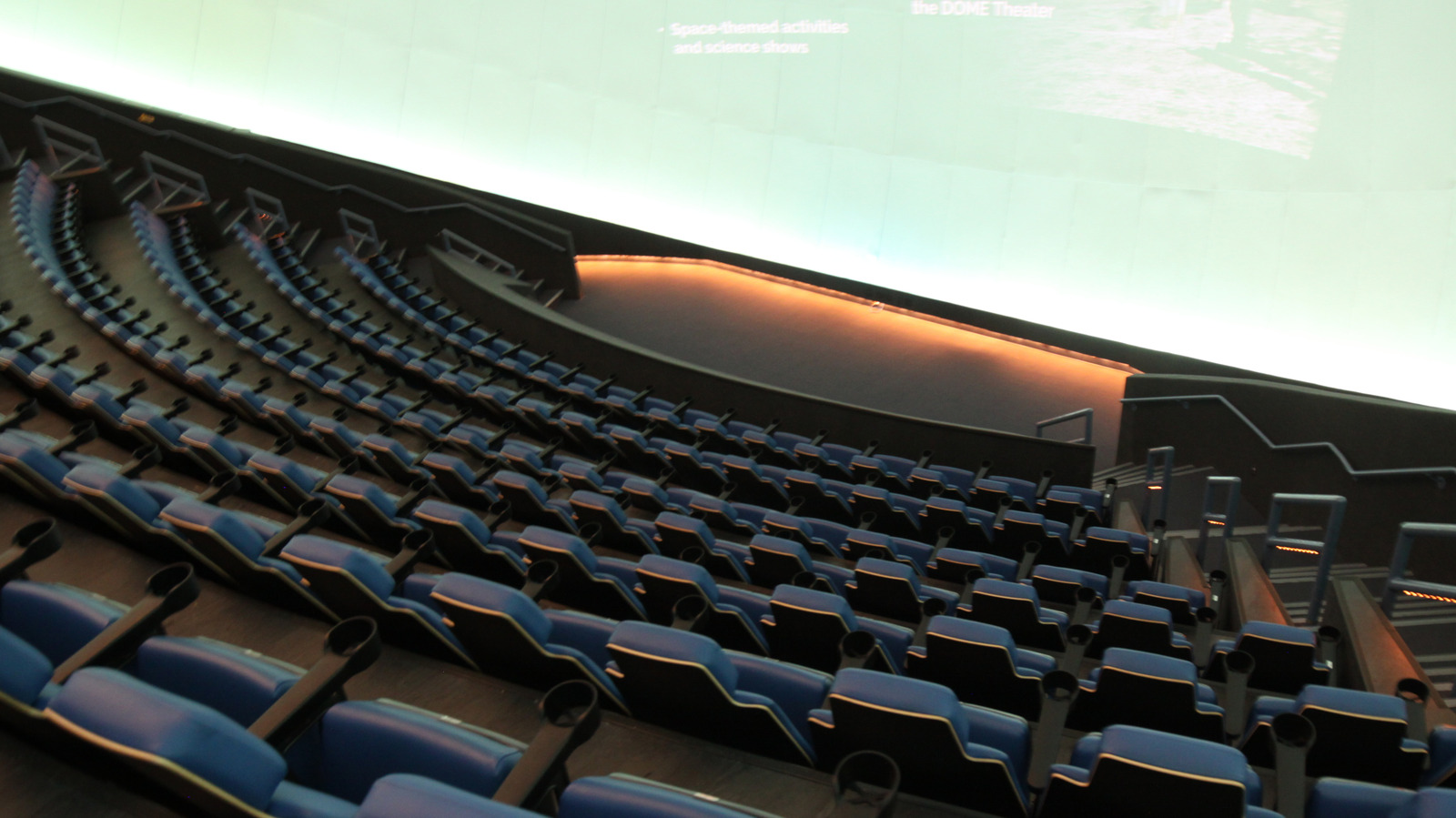
IMAX Theaters: The Quest for the Ultimate Cinematic Experience
Quick Verdict Finding the "biggest" IMAX theater isn't as straightforward as it sounds; it's a debate between sheer physical size and the purity of the cinematic format. While Germany boasts the largest screen by