49 results found
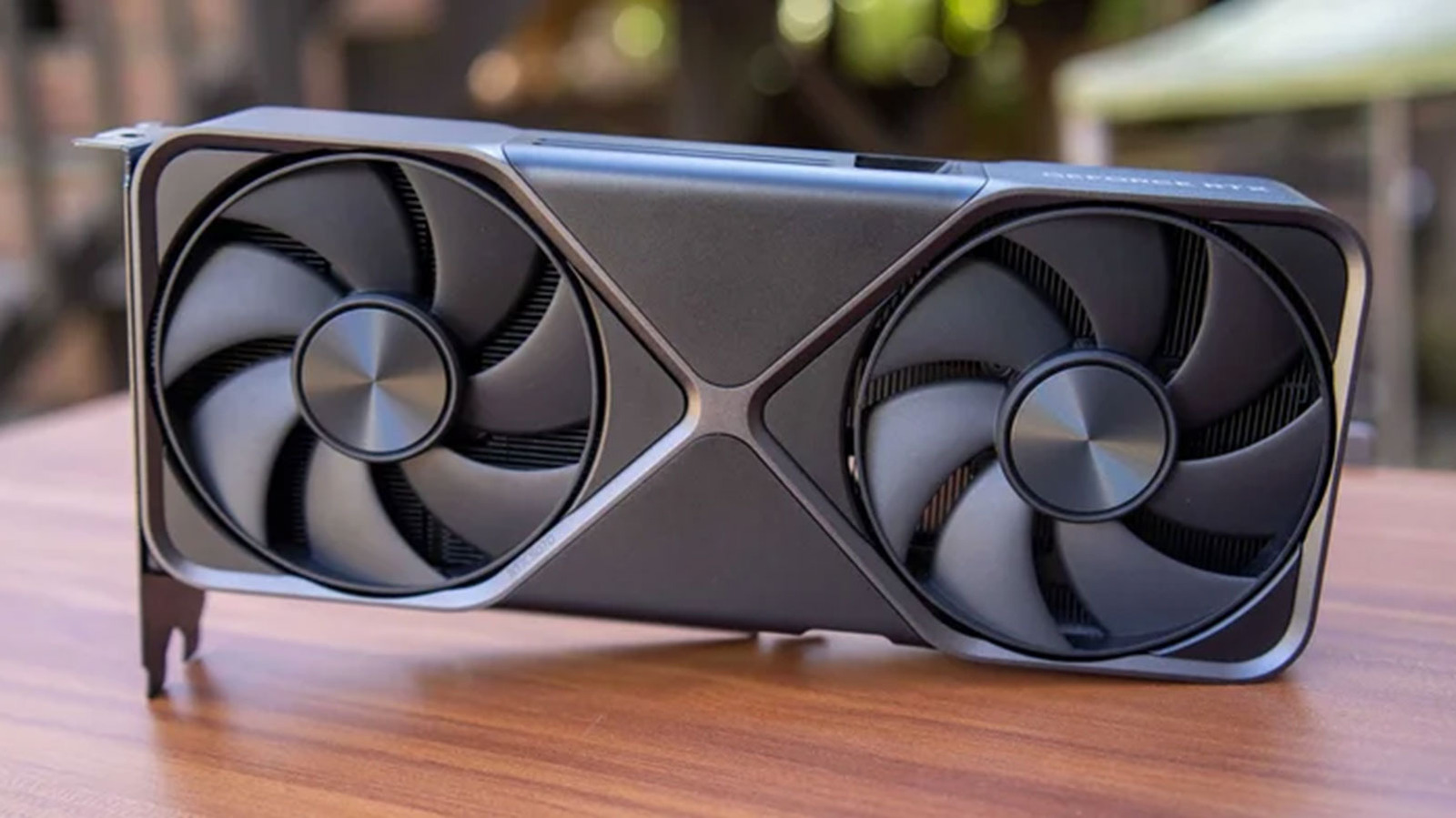
NVIDIA DLSS, or Deep Learning Super Sampling, has become a cornerstone technology for PC gamers with RTX graphics cards. It's a proprietary upscaling solution designed to boost game performance and, in some cases,

Nvidia has reportedly halted production of the GeForce RTX 5090, with leaked factory notices suggesting its core chip will be repurposed for AI and data center cards. This move positions the RTX 5080 24GB as the new flagship gaming GPU in the 50-series. The decision is linked to an industry-wide memory shortage, heavily influenced by surging AI demand, impacting consumer tech across the board.
.jpg)
Thieves stole trailers believed to contain high-value Nvidia tech, only to discover they had acquired 20 tons of sand. The incident highlights the stark difference between raw silica and refined silicon, which is crucial for valuable computer chips. This misdirected theft underscores the ongoing challenges in securing tech supply chains against criminals targeting sought-after components.

The AI industry is divided over calls for a development slowdown to ensure safety, with Anthropic CEO Dario Amodei proposing "pacing the frontier." This contrasts sharply with Nvidia CEO Jensen Huang's dismissal of regulation and the "AI backlash" as a hoax. Experts debate the sincerity of slowdown calls and the efficacy of market forces and current government oversight.

Nvidia CEO Jensen Huang firmly opposes new AI regulation, stating that AI safety is an engineering challenge solvable by developers and market forces. Speaking at Dreamforce, Huang argued existing laws and corporate responsibility are sufficient, while critics point to past tech failures and AI's potential for harm as reasons for caution.

Nvidia has launched CUDA-Q Logical, an open-source orchestration layer for its quantum platform, dramatically reducing design time for complex quantum applications. Fermilab notably cut a five-month task to just three weeks, while other partners report significant efficiencies in fault-tolerant quantum computing simulations. The move strengthens Nvidia's role as a critical software provider in the burgeoning quantum ecosystem, albeit with initial claims awaiting external validation.
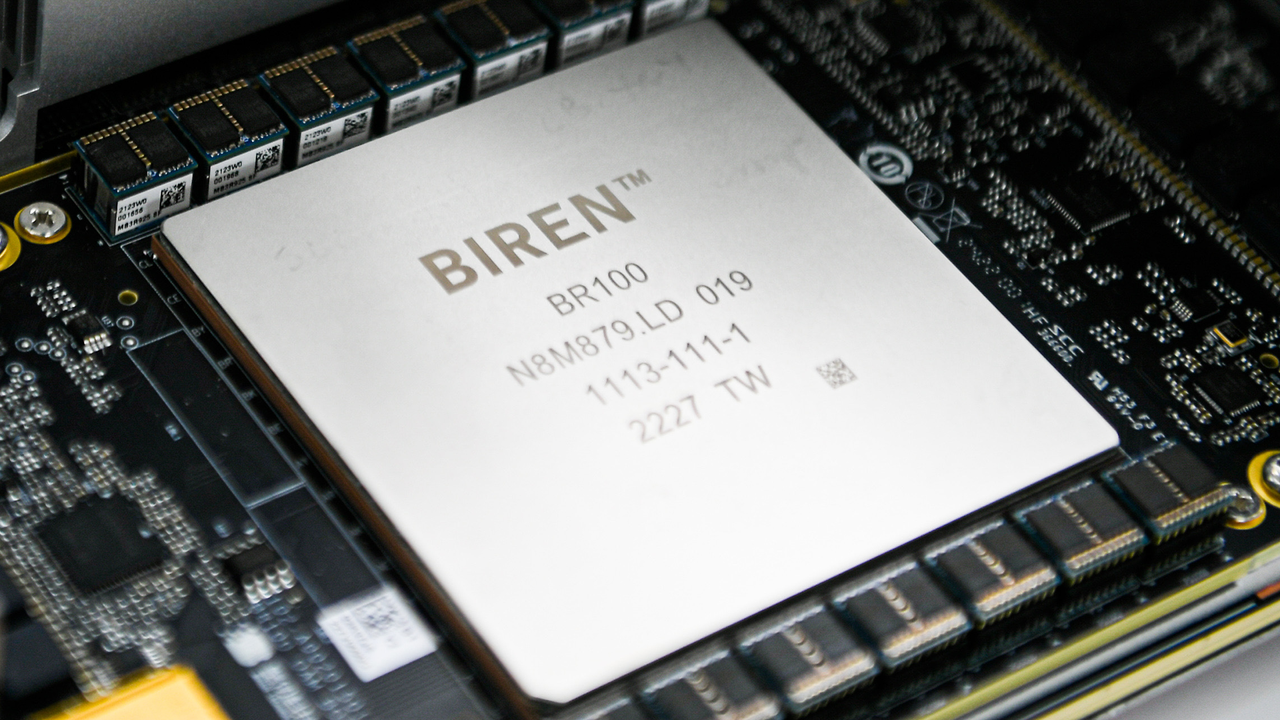
Biren Technology shows explosive 2,000% revenue growth in China's AI accelerator market, benefiting from US export controls. Despite impressive gains from a small base, challenges in manufacturing and software remain.

London-based AI cloud infrastructure firm Nscale is in advanced discussions to secure up to $3.5 billion in pre-IPO financing, with significant commitments anticipated from tech giant Nvidia and hedge fund Third Point.
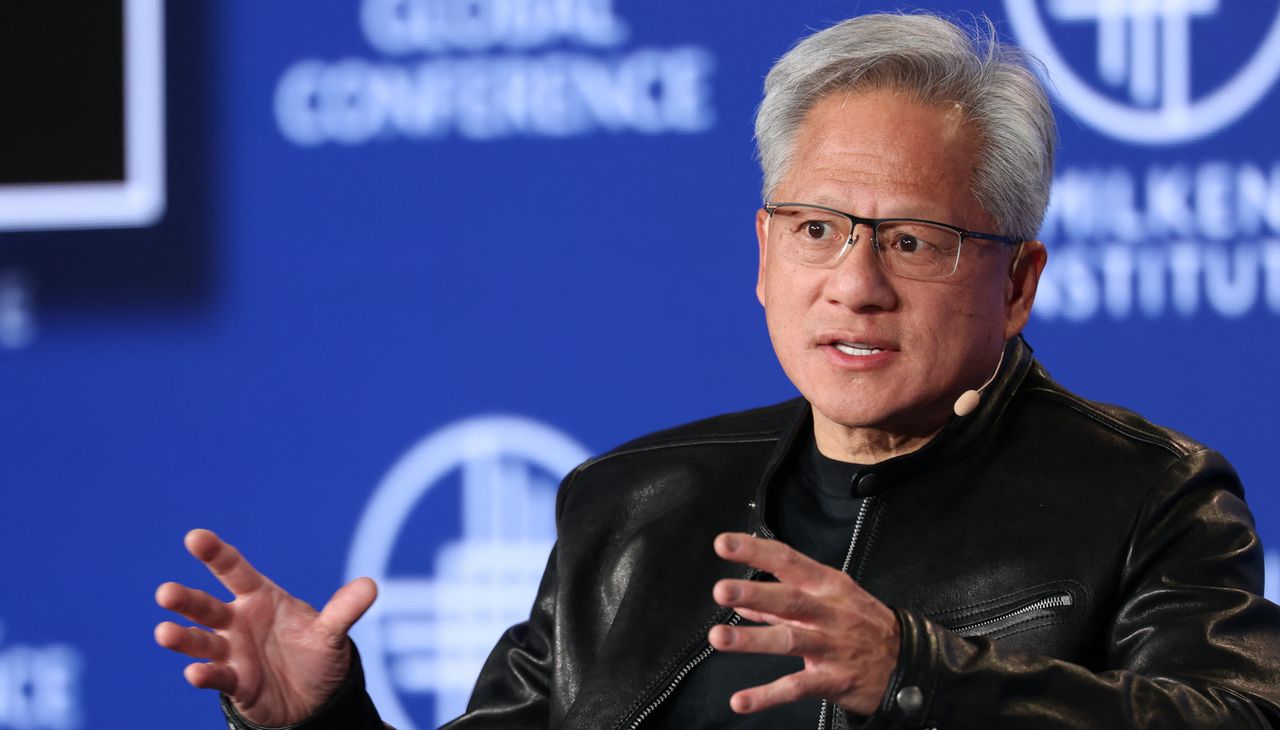
Nvidia's plan to establish an employee-funded Political Action Committee (NVPAC) signals a deepening involvement of tech companies in US policy, aiming to influence legislation particularly concerning the future of AI and data center development amidst public opposition.

Nvidia is extending its AI dominance beyond GPUs, focusing on system-level data orchestration within massive data centers. Post-earnings, the company's Vera Rubin architecture, including the Vera CPU, is proving crucial for efficient data management, optimizing performance and energy use. This shift towards smarter data traffic control marks a new competitive front in AI infrastructure, where Nvidia currently holds a commanding lead.

Open-weight AI companies are becoming prime acquisition targets in Silicon Valley, with Nvidia reportedly set to acquire Hugging Face for $13 billion. This follows Nvidia's $6 billion purchase of Poolside and Stripe's $7 billion acquisition of OpenRouter, signaling a strategic shift by tech giants to diversify AI investments and gain control over model development. These deals reflect a growing demand for cost-effective, customizable AI solutions and a desire to reduce reliance on dominant frontier labs. Experts predict increased adoption as AI workflows mature, fostering a more specialized and open AI ecosystem.

NVIDIA Nemotron 3.5 Lightning is an open-weights, hybrid MoE (Mamba-2 + MoE + Attention) LLM designed for efficient AI agent development. It supports 1M token context, offers speculative decoding methods like DSpark, and is optimized for NVIDIA Blackwell, Hopper, and Ampere GPUs. Developers can deploy it via vLLM, TensorRT-LLM, or SGLang, leveraging its advanced features like reasoning control and tool-calling through an OpenAI-compatible API.
Quick Verdict Nvidia's potential $250 billion financing for OpenAI's massive 10-gigawatt Ohio data center is a monumental move, signaling a profound shift in AI infrastructure. While promising OpenAI greater autonomy
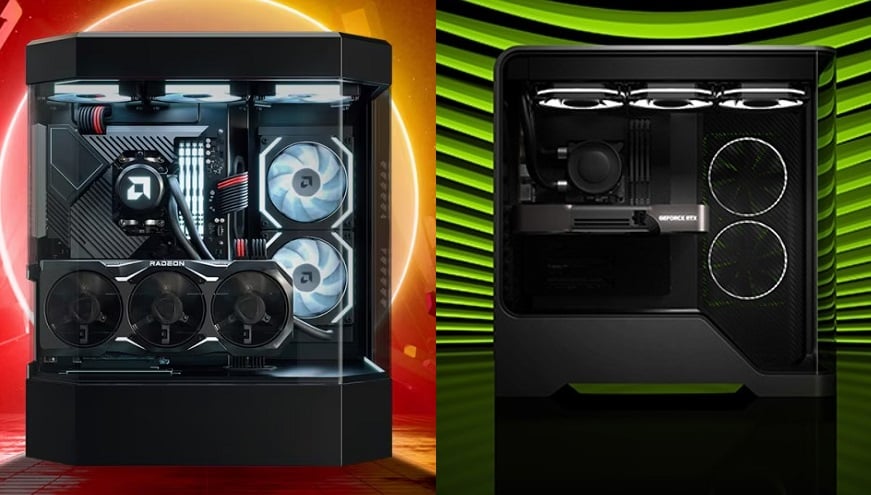
Rumors suggest both Nvidia and AMD are set to raise GPU prices, driven by the AI arms race. Nvidia may hike prices by up to 30%, with AMD following at 10%, pushing consumer costs even higher. This bleak outlook means budget cards are also struggling, with the return of 4GB VRAM.

Verdict: A Promising, Necessary Bet on Transparency Nvidia's Open Secure AI Alliance isn't a product in the traditional sense, but a strategic initiative that stakes its claim on open-source principles as the answer to
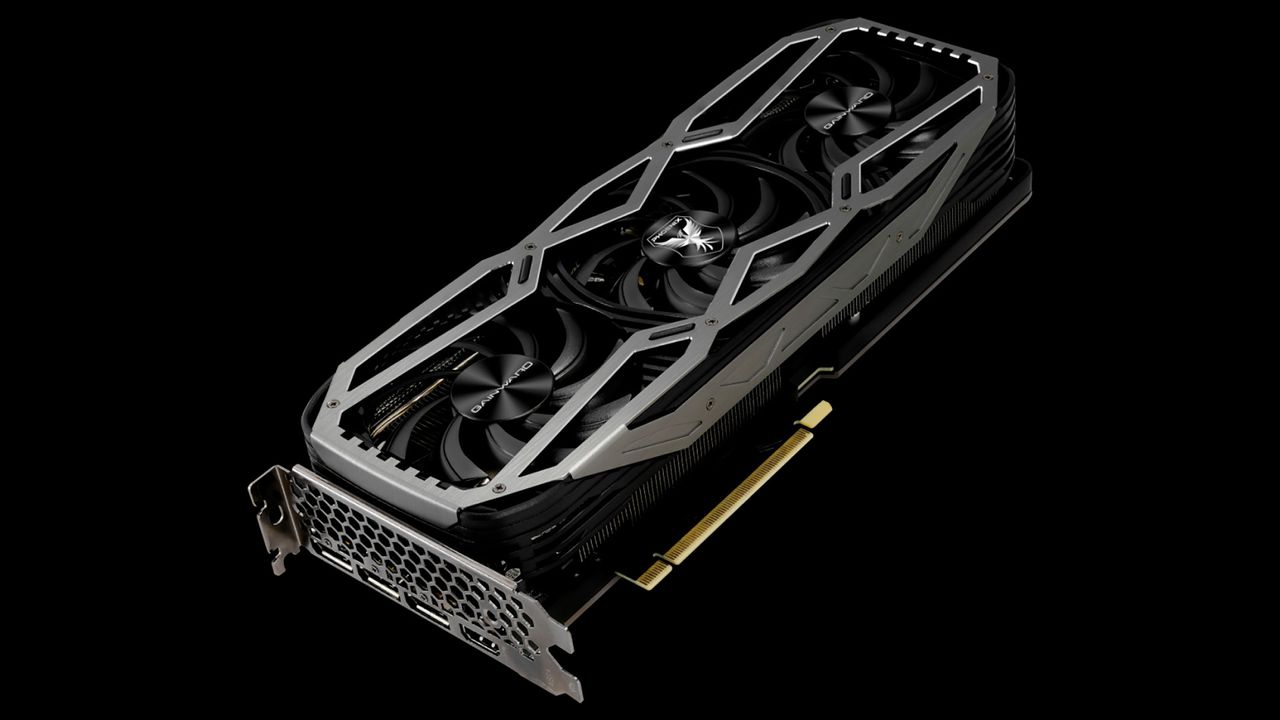
Quick Verdict: A Resourceful 4K Refresh For gamers holding onto a high-end Nvidia Ampere GPU like the RTX 3090 and who happen to have a spare, lower-tier card such as an RTX 3050, this dual-GPU setup leveraging Lossless

Nvidia CEO Jensen Huang secured major deals in Japan for "physical AI," aiming to integrate advanced AI into factory floors and robotics. The partnerships involve Japan's government-backed Noetra initiative, a coalition of top robotics firms, and expanded collaboration with Toyota, positioning Japan to lead in AI-driven manufacturing.

Micron Technology has become a Wall Street favorite, with its valuation soaring amidst booming demand for AI memory chips, particularly High-Bandwidth Memory (HBM). Its stock surged over 236% in a month, briefly surpassing Meta and Tesla's market cap, driven by blockbuster earnings and strategic long-term agreements to mitigate market volatility.
AI video startup Higgsfield has launched Supercomputer 2.0, an autonomous agent framework for enterprise marketing. Built on NVIDIA technology, it claims adoption by 78 percent of Fortune 500 companies, aiming to automate full campaign lifecycles. The company also produced an AI-generated feature film in 14 days.
Quick Verdict: A Pragmatic Perspective on AI Risks In the rapidly evolving landscape of artificial intelligence, few figures hold as much sway as Jensen Huang, co-founder and CEO of Nvidia. His company is not just a

Amazon has officially become the No. 1 company on the Fortune 500 list for the first time in 13 years, dethroning Walmart. Reporting over $700 billion in 2025 revenue, this marks a historic shift for the tech giant. Other leaders like Microsoft, Alphabet, and Nvidia also achieved notable milestones.
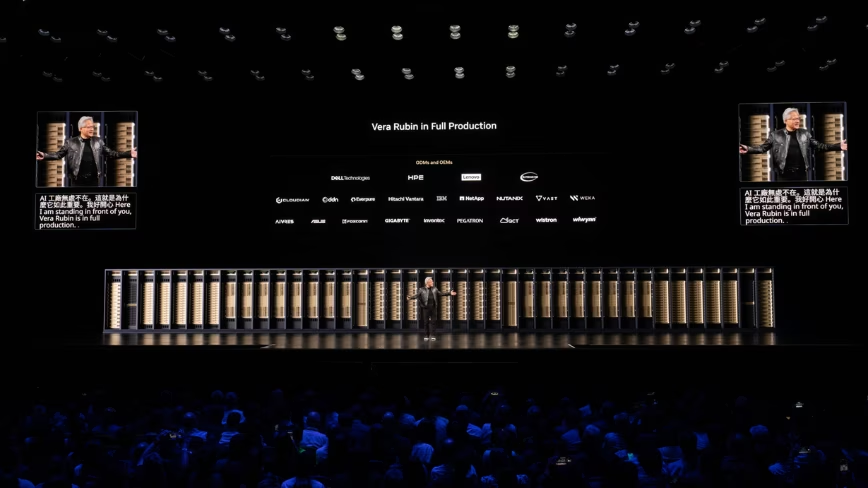
TAIPEI – Nvidia CEO Jensen Huang kicked off Computex 2026 in Taipei on Monday, June 1, with a keynote address that delivered two significant announcements set to reshape both the artificial intelligence landscape and
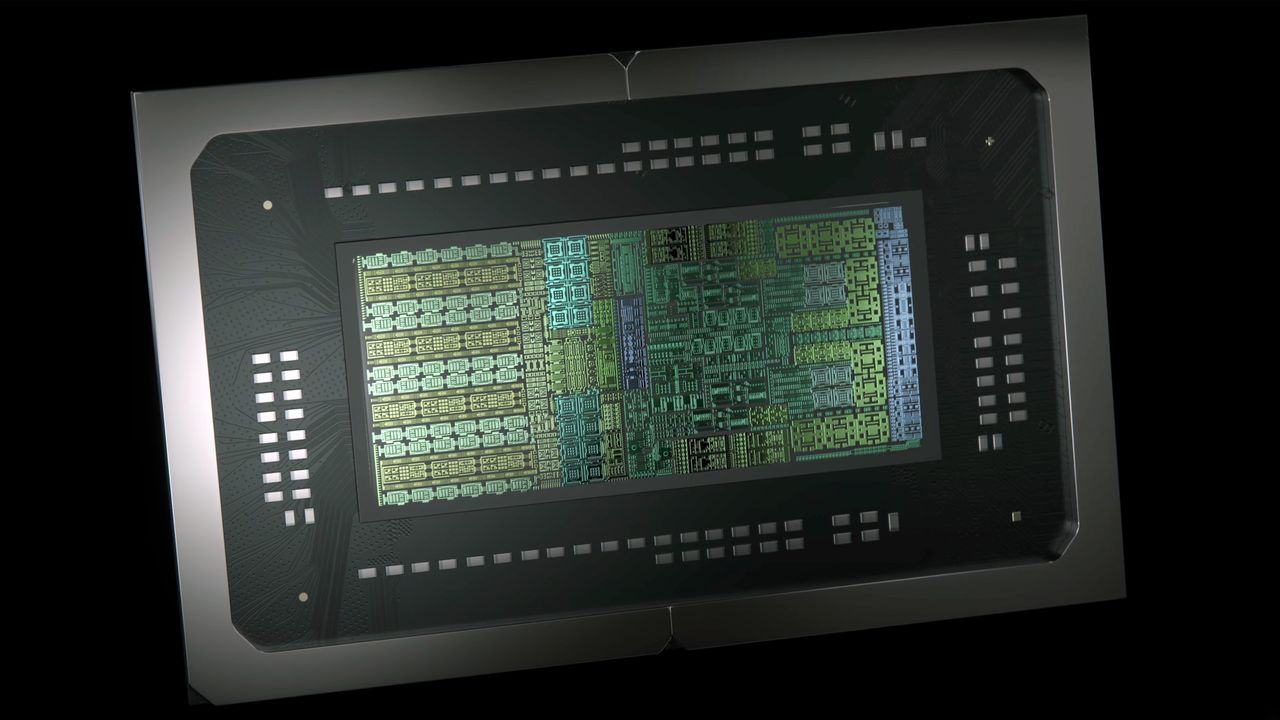
Nvidia's N1 and N1X SoC specs have leaked, revealing powerful Arm-based chips with up to 20 cores and significant CUDA power. The N1X targets premium devices like MacBook Pro, while N1 aims for the midrange. This marks Nvidia's compelling return to Arm PCs, promising exciting new devices.
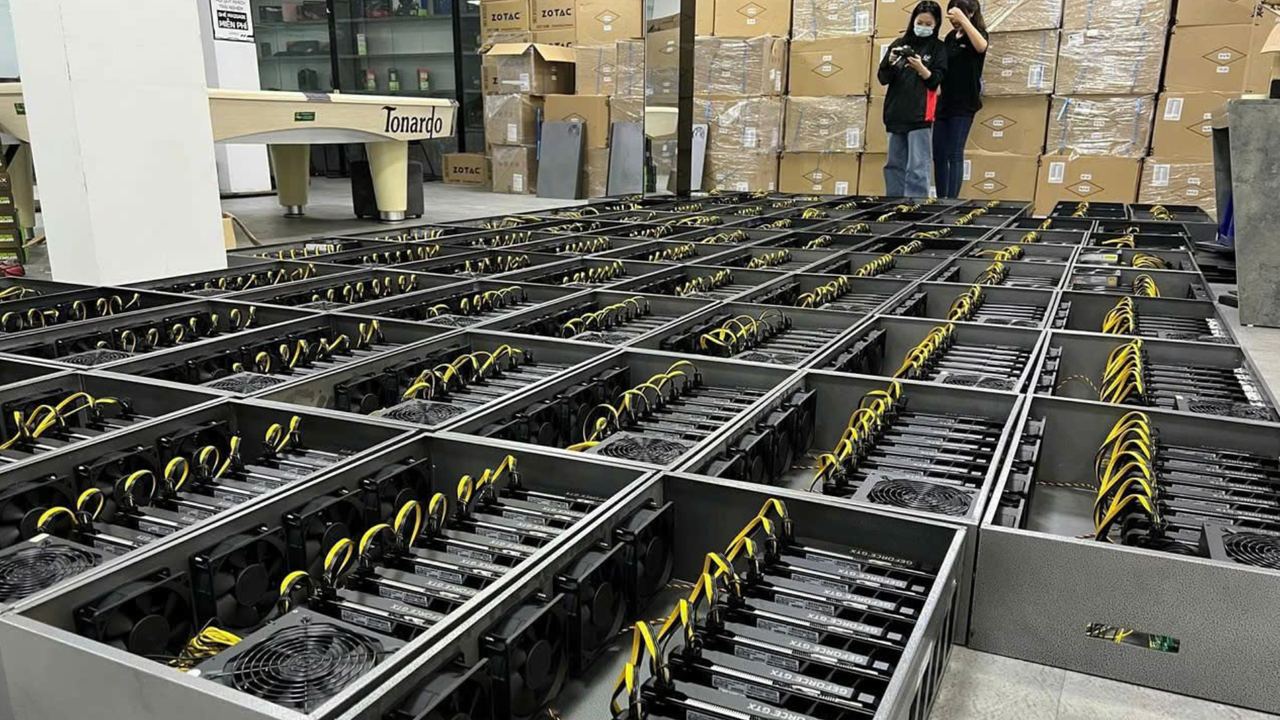
Our in-depth review of Pearl (PRL), the new AI-compute cryptocurrency, reveals an innovative concept quickly overshadowed by plummeting mining profitability. What began as a potential gold rush has rapidly transformed into a cautionary tale of diminishing returns, making Pearl a highly questionable investment for anyone eyeing their next big crypto windfall.

The narrative around AI capital expenditure (capex) often feels monolithic: NVIDIA, hyperscalers, data centers, power demand—all bundled into a single "AI infrastructure" idea. As fellow developers, we know real-world
