
Jensen Huang Opens Computex: Vera Rubin in Production, Nvidia Eyes PCs
TAIPEI – Nvidia CEO Jensen Huang kicked off Computex 2026 in Taipei on Monday, June 1, with a keynote address that delivered two significant announcements set to reshape both the artificial intelligence landscape and
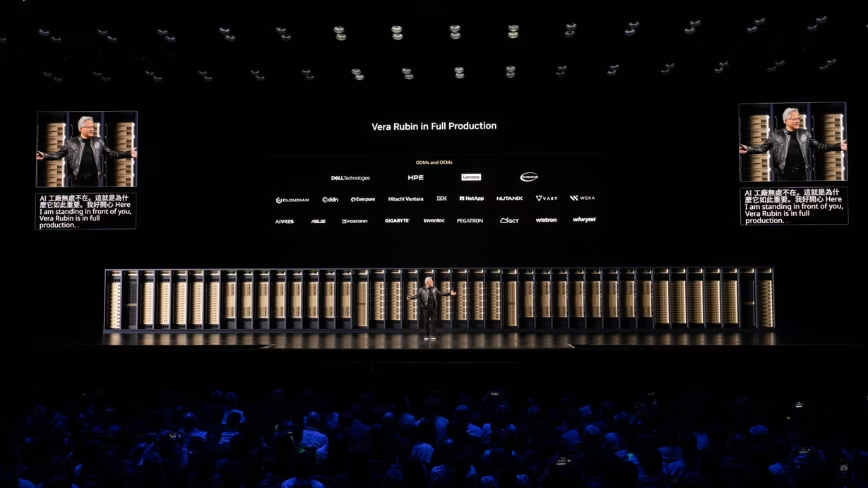
TAIPEI – Nvidia CEO Jensen Huang kicked off Computex 2026 in Taipei on Monday, June 1, with a keynote address that delivered two significant announcements set to reshape both the artificial intelligence landscape and Nvidia's market reach. Speaking at the Taipei Music Center, Huang declared the company’s next-generation Vera Rubin platform is now in full production, while also unveiling RTX Spark, an ambitious move into the Windows PC market.
The highly anticipated Computex keynote, which also served as Nvidia's GTC Taipei developer conference, underscored the company's dual strategy: reinforcing its dominance in high-performance AI infrastructure and expanding into new, competitive consumer and developer segments.
Vera Rubin Platform Enters Full Production
Huang highlighted a critical milestone for Nvidia's AI ambitions: the Vera Rubin platform has achieved full production. This sophisticated system combines the in-house Vera CPU with the powerful Rubin GPU, designed as a single, optimized rack system. Nvidia claims this integration results in the world's lowest token cost for AI inference, a crucial metric for large-scale AI operations.
The CEO emphasized the immense scale of the Vera Rubin project, describing it as the largest product launch in Taiwan's history. He noted the platform involves nearly two million parts and leverages an extensive network of approximately 150 ecosystem partners across the island. Major industry players like Anthropic, OpenAI, SpaceX, and Oracle are among the first to integrate this advanced technology, signaling its immediate impact on cutting-edge AI development.
Achieving full production status is a pivotal moment for Nvidia, signaling readiness for the next wave of data-center orders. Huang's announcement from the Computex stage serves as a powerful message to customers, suppliers, and investors, affirming Nvidia’s leadership and capacity in the burgeoning AI economy.
Nvidia's Bold Entry into Windows PCs with RTX Spark
In a strategic pivot that extends Nvidia’s influence beyond its traditional data center stronghold, Huang unveiled RTX Spark, an all-in-one, Arm-based Windows machine. This new initiative targets the highly competitive PC market, currently dominated by Intel, AMD, Apple, and Qualcomm, marking a significant departure for the GPU giant.
The RTX Spark system boasts a formidable configuration, integrating a 20-core Grace CPU, developed in collaboration with MediaTek, alongside a Blackwell GPU. This GPU features 6,144 CUDA cores, up to 128GB of memory, and delivers an impressive one petaflop of AI performance. Nvidia plans to roll out three distinct products based on the RTX Spark platform: RTX Spark laptops, RTX Spark desktops, and a DGX Station for Windows, specifically designed for developers operating outside the Linux ecosystem.
Huang framed these new products within Nvidia's overarching vision of AI agents, describing them as intelligent workers capable of reasoning, planning, and executing tasks. He posited that these agents, currently simple tool users, will require substantially more sophisticated silicon – an argument that underpins the development of both the Vera platform and the new RTX Spark lineup.
Strategic Implications and What's Next
Nvidia’s Computex keynote effectively sets the stage for the rest of the week, with Huang reaffirming Taiwan's central role as the epicenter of the AI economy, powered by Nvidia's technology. While the Vera Rubin platform strengthens Nvidia’s core AI business, the entry into Windows PCs with RTX Spark represents a bold diversification.
However, the commercial success of RTX Spark in a crowded market remains an open question. Its ability to capture significant volume against entrenched competitors will be a key indicator of Nvidia's long-term influence in the personal computing space. Regardless, the announcements underscore Nvidia's relentless pursuit of innovation and its strategic positioning at the forefront of the AI revolution, from massive data centers to individual developer workstations.
FAQ
Q: What is the Vera Rubin platform and why is its production significant?
A: The Vera Rubin platform is Nvidia's next-generation AI computing system, combining its in-house Vera CPU with the Rubin GPU. Its full production status is significant because it marks the availability of a system Nvidia claims offers the world's lowest token cost for AI inference, built through a vast ecosystem of 150 partners, and is already being adopted by major AI players like OpenAI and Anthropic.
Q: What is RTX Spark, and what does Nvidia's move into Windows PCs entail?
A: RTX Spark is Nvidia's new all-in-one, Arm-based Windows PC system, featuring a 20-core Grace CPU (developed with MediaTek) and a Blackwell GPU. Nvidia is introducing RTX Spark laptops, desktops, and a DGX Station for Windows. This move represents Nvidia's strategic expansion beyond its data center focus into the mainstream consumer and developer PC market, challenging established players with a high-performance, AI-centric offering.
Q: Who are some of the first adopters of Nvidia's Vera Rubin platform?
A: According to Jensen Huang, leading companies in the AI and tech sectors, including Anthropic, OpenAI, SpaceX, and Oracle, are among the first to receive and implement the new Vera Rubin platform, indicating its immediate relevance for cutting-edge AI and high-performance computing workloads.
Related articles

Apple Unveils iPhone Duo: Pricey Foldable Sees Soaring Demand
Apple has officially entered the foldable smartphone arena with the long-anticipated launch of the iPhone Duo. Priced starting at a hefty $1,999, the device features a 5.4-inch outer display and a larger 7.6-inch inner

in-depth: Chicago-Area Cops Helped HSI Spy on Minnesota Anti-ICE
Chicago-area law enforcement, including local police and HSI agents, conducted undercover surveillance on Minnesota anti-ICE activists at an April 2, 2022, talk in Chicago. This operation was part of a federal conspiracy probe into 15 Minnesota activists facing felony charges related to immigration enforcement resistance. Civil liberties advocates have condemned the surveillance as a troubling intrusion into protected political activity.
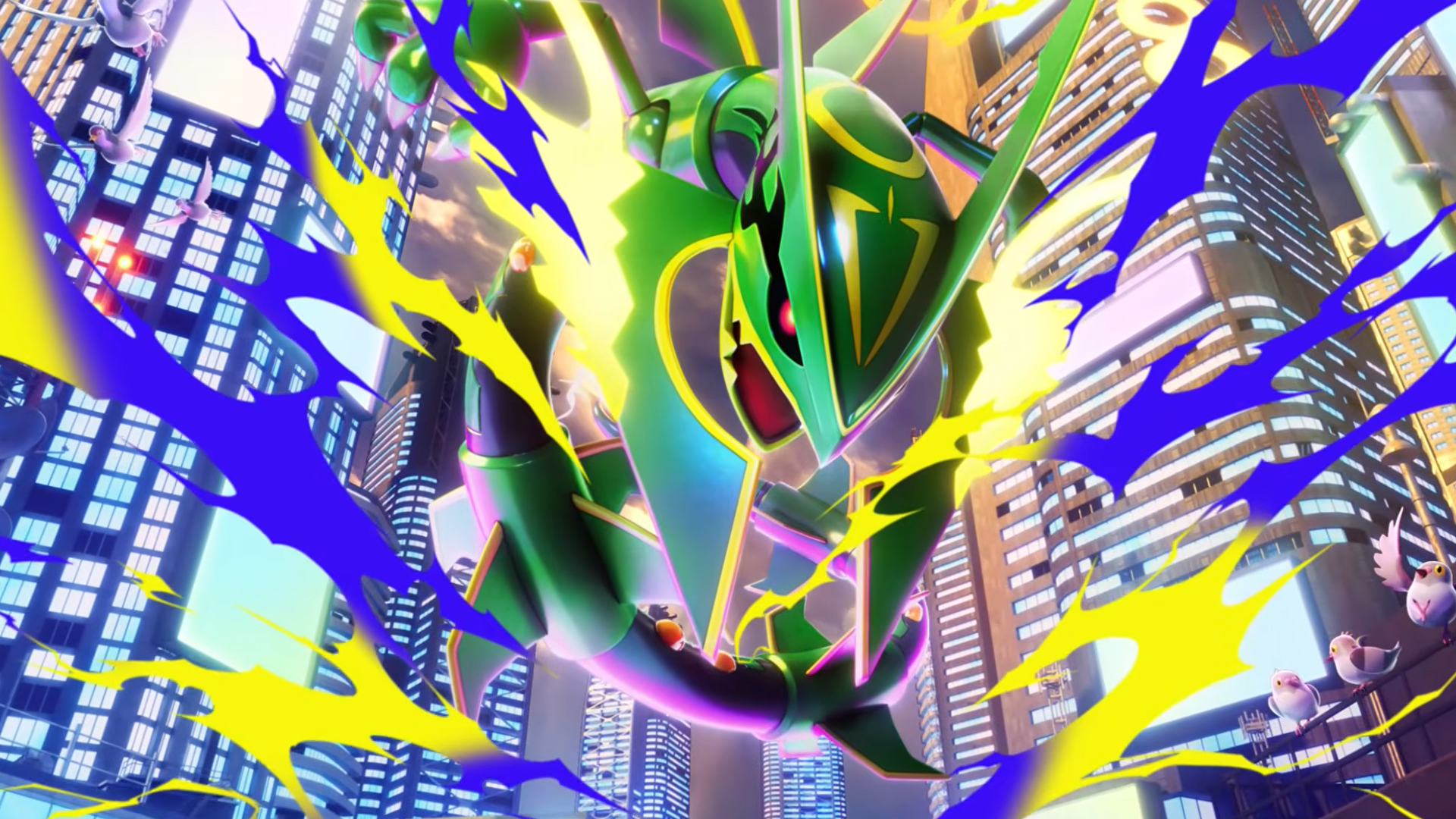
TCG Pocket Responds: A Much-Needed Pace Shift for Pokémon Fans
Pokémon TCG Pocket is rolling out a major update for its second anniversary, primarily addressing player concerns about overwhelming content releases by shifting to a six-week set schedule. This aims to curb player decline and improve overall engagement by giving trainers more time to collect and strategize. The update also adds new collection methods, improved deck-building features, and enhanced trading functionality.

Mark Wahlberg on using AI in film ‘the right way’ and being open to
Actor Mark Wahlberg believes AI has a place in filmmaking if used responsibly for enhancement, not script generation or actor replacement. At TechCrunch Disrupt, he expressed openness to an AI likeness carrying on his legacy, managed by his family, and emphasized storytelling.
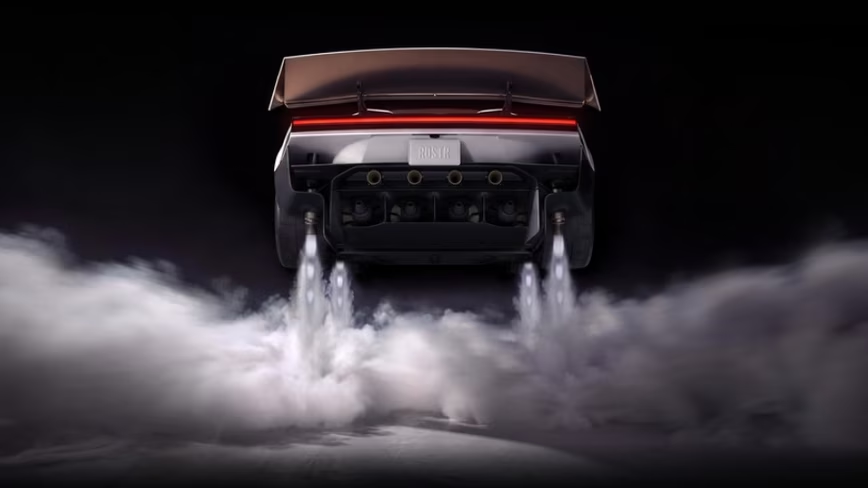
Tesla Unveils Thruster-Equipped Roadster, 2028 Production Targeted
Tesla has unveiled its second-generation Roadster, featuring cold-gas thrusters co-developed with SpaceX, enabling it to jump and flip. The electric sports car demonstrated 0-60mph in an astonishing 0.81 seconds, with production targeted for 2028. This highly anticipated reveal also serves as a key recruitment tool for Tesla's ambitious AI and robotics initiatives.
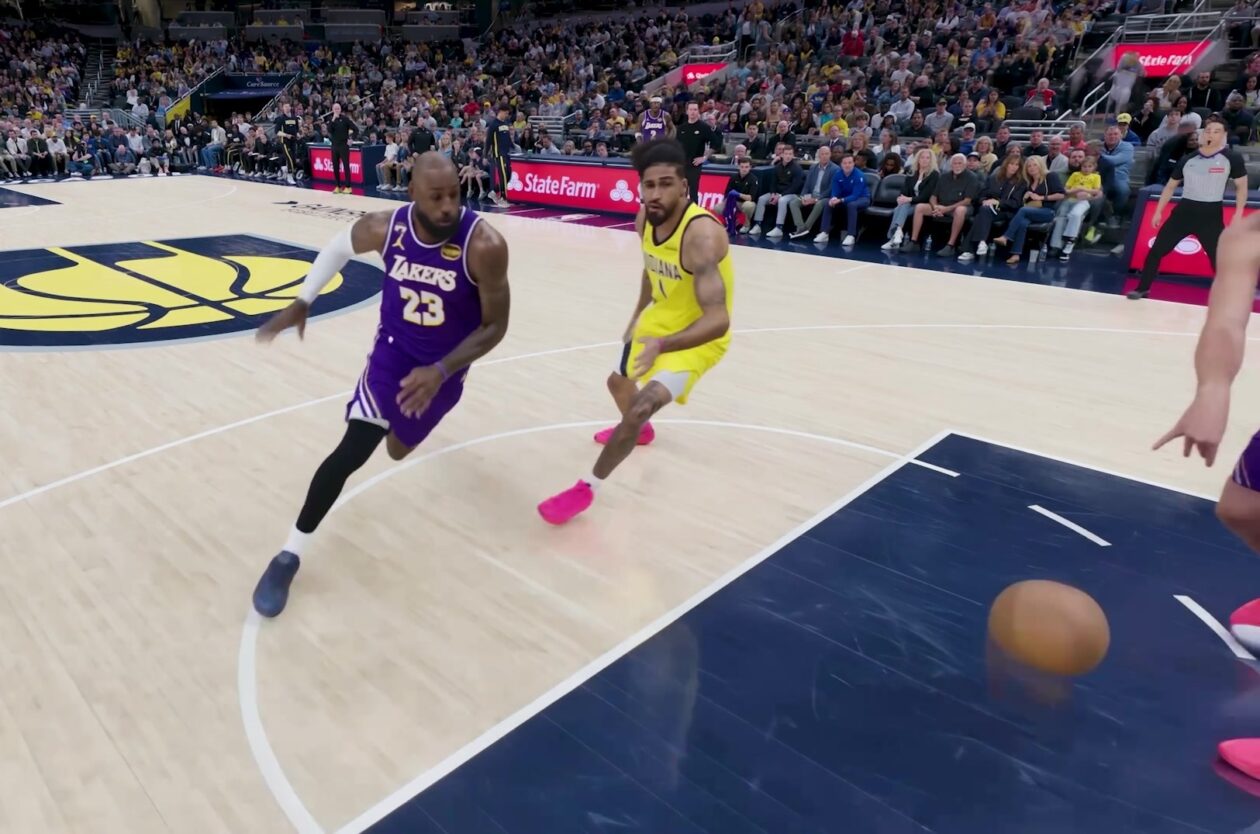
Amazon Prime Video Launches AI-Powered Prime 360 for NBA Coverage
Amazon Prime Video is elevating its NBA coverage with the introduction of Prime 360, an AI-powered replay system offering immersive, 'fly through' views of the action. Kicking off its second season, Prime Video also adds Yahoo fantasy integration and gains exclusive Eastern Conference Finals rights, expanding its tech-driven sports broadcast. The new features aim to deliver a unique and interactive viewing experience for basketball fans.