
Nvidia & OpenAI's Ohio Data Center: A Colossal Gamble
Quick Verdict Nvidia's potential $250 billion financing for OpenAI's massive 10-gigawatt Ohio data center is a monumental move, signaling a profound shift in AI infrastructure. While promising OpenAI greater autonomy
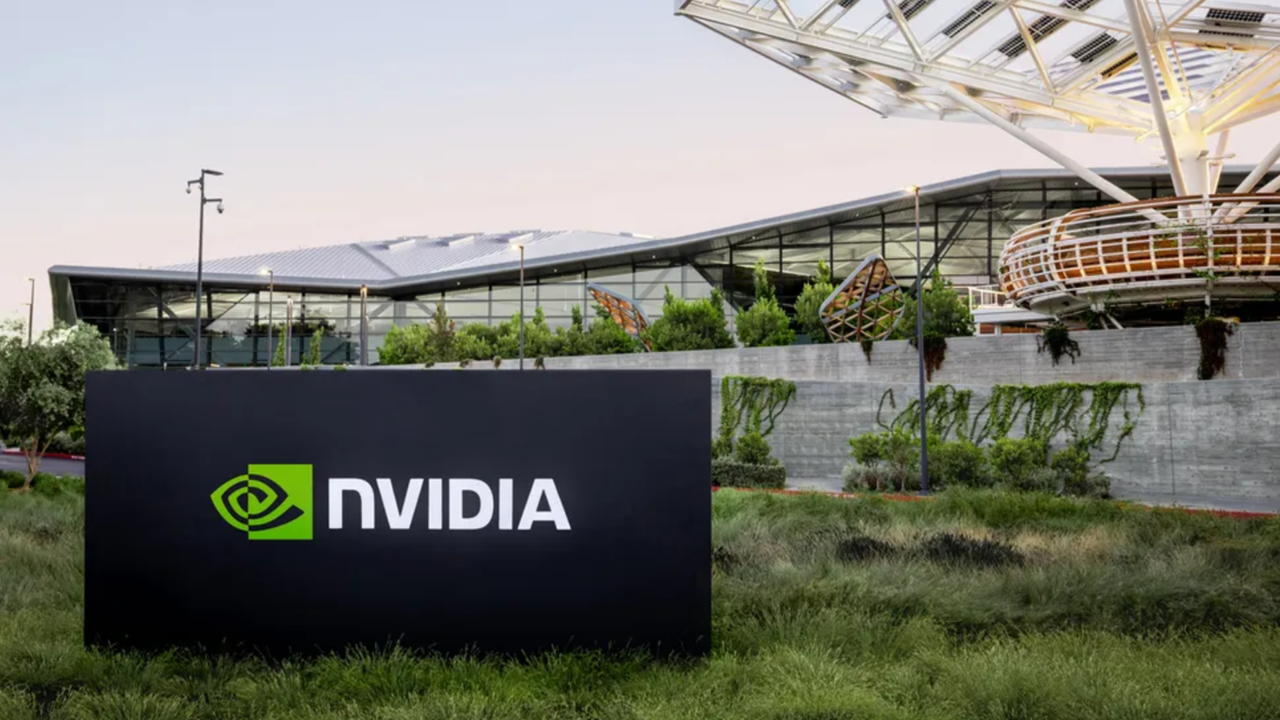
Quick Verdict
Nvidia's potential $250 billion financing for OpenAI's massive 10-gigawatt Ohio data center is a monumental move, signaling a profound shift in AI infrastructure. While promising OpenAI greater autonomy and securing Nvidia's chip demand, the project's staggering costs, potentially soaring to $500 billion, and OpenAI's current unprofitability present significant financial hurdles. This is less a traditional product review and more an analysis of a strategic industry play with far-reaching implications for the future of AI.
The Colossal Ambition: OpenAI's Ohio Data Center
OpenAI, in collaboration with SB Energy (a SoftBank subsidiary), is embarking on an ambitious journey to construct a colossal 10-gigawatt AI data center in southern Ohio. This isn't just a data center; it's envisioned as one of the world's largest dedicated AI facilities, aiming to deliver around 800 megawatts in its first phase by 2028. The sheer scale underscores the escalating demands for computing power required to train and run increasingly sophisticated AI models. By building its own infrastructure, OpenAI seeks to gain greater control over its computing resources, reducing its reliance on hyperscale cloud providers like Microsoft, Amazon, and Oracle.
Nvidia's Strategic Play: A Quarter-Trillion Dollar Commitment
At the heart of this venture is Nvidia, reportedly negotiating financing guarantees worth approximately $250 billion. This substantial investment is intended to help OpenAI secure the lease and debt financing for the Ohio facility. Crucially, this $250 billion guarantee excludes the cost of the Nvidia chips themselves. In a separate, equally significant discussion, Nvidia is reportedly also arranging financing for OpenAI's chip purchases, which could add up to an astonishing $350 billion. For Nvidia, the motivation is clear: to solidify its market dominance in AI hardware by ensuring sustained, massive demand for its chips for years to come, tying one of its biggest customers directly into its ecosystem.
The Price Tag: Ballooning Costs and Financial Hurdles
When considering both the infrastructure and the hardware, the total cost for this Ohio data center project is expected to exceed $500 billion. These figures are eye-watering, dwarfing many national infrastructure projects. The financial structure is complex, involving private investment from companies like SB Energy, significant backing from Nvidia, and even government involvement in the power supply. The U.S. government will reportedly control the project's power, funded separately through a trade agreement with Japan, which includes Tokyo's pledge to invest $33 billion in a natural gas plant. US Commerce Secretary Howard Lutnick is also said to play a role in allocating access to this power.
OpenAI's financial position adds another layer of complexity. Despite being valued at an impressive $852 billion, making it one of the most valuable private companies globally, OpenAI remains unprofitable. Shareholder documents reveal a net loss of approximately $21.3 billion in the first quarter of 2026, which, even after stripping out a non-cash charge, still leaves an operating loss near $9.3 billion for that quarter. Internal projections reportedly forecast losses of around $14 billion for 2026, with cumulative losses reaching $44 billion by 2028. In this context, Nvidia's financial backing is critical; it would provide much-needed reassurance to lenders regarding the project's institutional support, potentially making the monumental investment viable.
Why This Deal Matters: Pros for Both Giants
For OpenAI:
- Infrastructure Control: Direct ownership of a massive data center grants OpenAI unprecedented control over its computing infrastructure, crucial for its long-term AI development strategy.
- Reduced Dependency: Lessens reliance on public cloud providers like Microsoft, Amazon, and Oracle, potentially leading to cost efficiencies and greater operational flexibility.
- Scalability: A dedicated 10GW facility provides the immense scale needed for future AI training and deployment, supporting increasingly complex models.
For Nvidia:
- Guaranteed Demand: Secures a colossal, long-term customer for its AI chips, reinforcing its dominant position in the rapidly expanding AI hardware market.
- Strategic Partnership: Deepens its ties with a leading AI innovator, potentially influencing future AI hardware requirements and development.
- Market Leadership: Demonstrates Nvidia's willingness and capability to facilitate large-scale AI infrastructure, further cementing its role as a key enabler of the AI revolution.
Potential Pitfalls and Concerns
While the strategic advantages are clear, several risks loom. The sheer scale of the investment is unprecedented, and the long-term profitability of such a venture, especially given OpenAI's current financial state, remains a significant question mark. The reliance on government-controlled power supply also introduces political and regulatory dependencies. Furthermore, the intense competition in the AI space, with other giants like Anthropic, Microsoft, and Google reportedly showing interest in the Ohio site, highlights the high stakes involved. The project's success hinges on a complex interplay of private capital, government cooperation, and continued innovation in AI development.
Recommendation
This isn't a purchase recommendation for a consumer, but rather an imperative for industry observers, investors, and stakeholders to closely monitor. The Nvidia-OpenAI Ohio data center deal represents a critical inflection point in the AI arms race. It's a bold, high-stakes gamble that could redefine the economics and infrastructure of artificial intelligence. Its successful realization would not only empower OpenAI to push the boundaries of AI development but also solidify Nvidia's indispensable role at the core of this technological revolution. However, the path is fraught with immense financial and logistical challenges that demand careful consideration. Keep a very close eye on how these agreements finalize and the initial phases unfold, as they will set precedents for future AI infrastructure investments globally.
FAQ
Q: What is the total projected cost of the OpenAI Ohio data center project? A: The combined costs for the entire project, including infrastructure and Nvidia chips, are expected to exceed $500 billion.
Q: Why is Nvidia reportedly investing such a massive sum in OpenAI's data center? A: Nvidia's reported investment provides critical financing guarantees for OpenAI's data center lease and debt, and separately, for its chip purchases. This strategy secures long-term demand for Nvidia's high-performance AI chips and reinforces its central role in the AI ecosystem.
Q: How does this project impact OpenAI's control over its computing infrastructure? A: By developing and eventually owning a dedicated facility, OpenAI aims to gain greater control over its computing resources, reducing its current reliance on renting capacity from major cloud providers like Microsoft, Amazon, and Oracle.
Related articles
Android 17 QPR2 Beta 7.1: The Performance Relief You've Been Waiting
Android 17 QPR2 Beta 7.1: Finally Fixing the QPR1 Performance Woes Verdict: Android 17 QPR2 Beta 7.1 is a crucial and highly anticipated software update for Google Pixel users, specifically targeting and resolving the

DJI Solo Video Setups: Smart Choices for Lone Creators
This review delves into DJI's recommended solo video setups, highlighting the Osmo Pocket 3 Creator Combo as a top pick for its integrated camera, gimbal, and mic. It also covers stabilizers like the Osmo Mobile 8 and RS 4, and the DJI Mic Mini series for enhanced audio, providing honest pros, cons, and clear buying advice.

Ditch Merge & Center: The Better Way to Align Text in Excel
Learn to use Excel's "Center Across Selection" to align text across cells without merging, avoiding common data manipulation issues. This guide provides steps to utilize this newly accessible feature and add it to your Quick Access Toolbar.

Ars Technica's Rocket Report: Your Essential Space Industry Briefing
Quick Verdict Ars Technica's Rocket Report, presented by veteran space reporter Stephen Clark, offers an invaluable and meticulously organized weekly (or similar frequency, implied by "Edition 9.15") digest of the most

Apple iPhone Duo: A Daring Debut with Notable Compromises
Apple's highly anticipated iPhone Duo, priced at $2,000, has gone on pre-order. While hailed as "Apple's most exciting device in a decade" for its innovative foldable design and immersive display, it comes with significant drawbacks like the absence of FaceID and a premium camera.

AI's Confidence vs. Formal Methods' Rigor: Design Flaws & Verification
While AI accelerates code generation, formal methods remain critical for ensuring system correctness. Languages like TLA+ and tools like Quint enable developers to model and verify system designs before coding, catching subtle flaws. Quint makes formal methods more accessible with developer-friendly syntax and executability. This approach is vital for verifying AI-generated code through trace validation and model-based testing, ensuring reliability against real-world data.