43 results found

Ubisoft is planning a voluntary departure program for about 100 employees across its Düsseldorf, Berlin, and Mainz studios in Germany. This move is part of a larger, ongoing cost-reduction and restructuring effort by the publisher, aiming to better position its studios for future projects.

Netflix is laying off approximately 1,000 employees, or six percent of its global workforce, in its largest-ever job cut. This move targets product, tech, HR, and legal teams to reduce costs and re-prioritize investments despite recent financial growth.

Xbox has launched a new XP division dedicated to expanding its gaming franchises into transmedia, including film, TV, and theme parks. Led by former Mojang President Kayleen Walters, this ambitious unit aims to leverage successful IPs like Fallout and Minecraft beyond games. While the Fallout TV series and Minecraft movie are early hits, the division operates amidst Xbox's broader "reset" and recent layoffs, highlighting both immense potential and significant challenges ahead.

As *Gears of War: E-Day* prepares for its October 6th launch, developers at The Coalition are facing significant uncertainty. Recent layoffs and widespread cuts across Xbox studios have led to fears for their jobs and potential Metacritic bonuses post-release, creating a somber mood for what should be a triumphant launch.

Microsoft has cut 277 jobs in Washington, with artists, game designers, and producers heavily impacted. This is part of a broader Xbox restructuring aiming for "growth and profitability." Notably, the next Halo game's development is shifting to Activision.

Xbox's ongoing "reset" brings another wave of devastating layoffs and major studio reshuffles, including Halo moving to Activision Blizzard and other beloved teams merging or facing closure. The gaming community reacts with frustration and disbelief, questioning Xbox's strategy amidst high-profile project announcements.

Flock Safety is reportedly offering generous voluntary severance packages to its 1,500 employees, aiming to reduce its workforce and avoid forced layoffs. The move comes amid significant backlash and declining internal morale due to privacy concerns surrounding its license plate recognition technology, with reports of misuse and cities dropping contracts.

The studio behind Steam hit *Wardogs*, Bulkhead, openly embraces crunch, with CEO Joe Brammer admitting it's an expected part of their development process. The studio even screens job applicants' social media, turning away those who publicly criticize crunch, believing they wouldn't fit in. While some employees with shares can see significant financial benefits from successful titles, not all staff receive these rewards, and the company has had yearly layoffs.

Despite an incredibly tumultuous year for Xbox—marked by leadership changes, massive layoffs, studio sales, and strategic pivots—the company successfully delivered on its promise of over 75 day-one Game Pass Ultimate releases. Subscribers consistently received new titles, showcasing a rare point of stability amidst widespread corporate upheaval and re-evaluation of the service's growth.

Starbucks has cut an additional 224 jobs at its Seattle headquarters, impacting tech and store development roles, as its corporate restructuring nears completion. These cuts bring the total Seattle reductions to 537 this year, part of CEO Brian Niccol's broader turnaround strategy aiming for $2 billion in cost savings.

GeekWire's "Week in Review" for Aug 2, 2026, offers a concise, Seattle-centric tech news digest. Excellent for regional insights, it's dominated by layoff stories, C-suite moves, and AI developments, with a noticeable presence of sponsored content. Recommended for PNW tech enthusiasts.
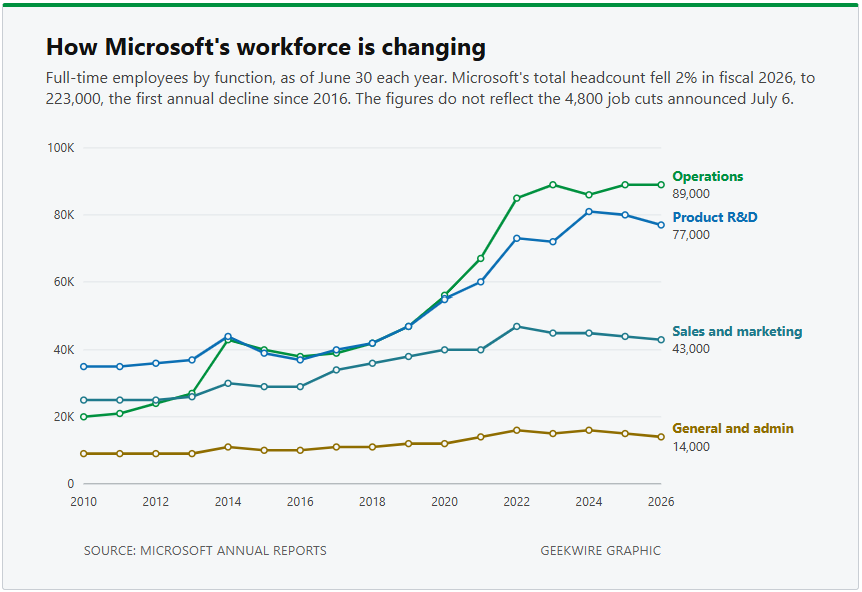
Microsoft's total headcount dropped for the first time in a decade, fueled by a second consecutive decline in R&D roles, despite record revenue growth. This strategic shift reflects the company's adaptation to the AI era, including significant investments in AI infrastructure and a reallocation of engineering talent to customer-facing roles.

Bethesda claims The Elder Scrolls 6's roadmap is "unaffected" by recent Xbox layoffs and a new slate of four Fallout games. This statement comes amidst reports of staff concerns and conflicting updates from The Elder Scrolls Online team regarding bandwidth issues, leading to widespread skepticism.
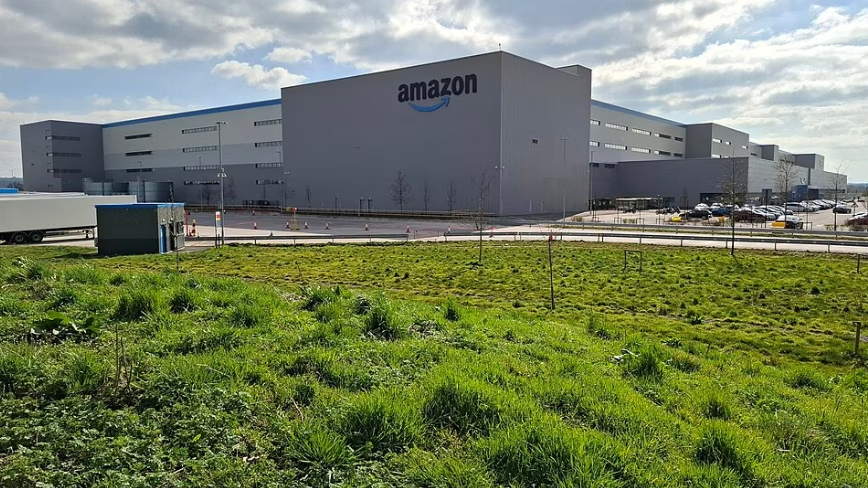
Amazon has shut down its AGI Lab, a San Francisco team dedicated to human-level AI, barely 18 months after its formation. This move, part of wider layoffs, signals Amazon's retreat from the frontier AI race, pivoting instead to selling AI services and infrastructure through AWS and external investments.
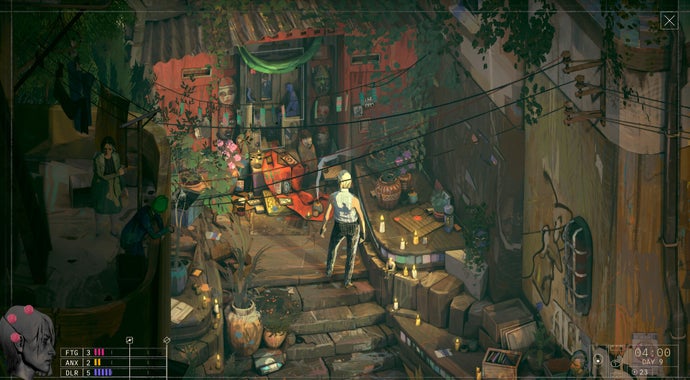
In a stark reminder of the volatile nature of game development, ZA/UM, the visionary studio behind the critically acclaimed Disco Elysium, has announced significant layoffs affecting 32 employees across various
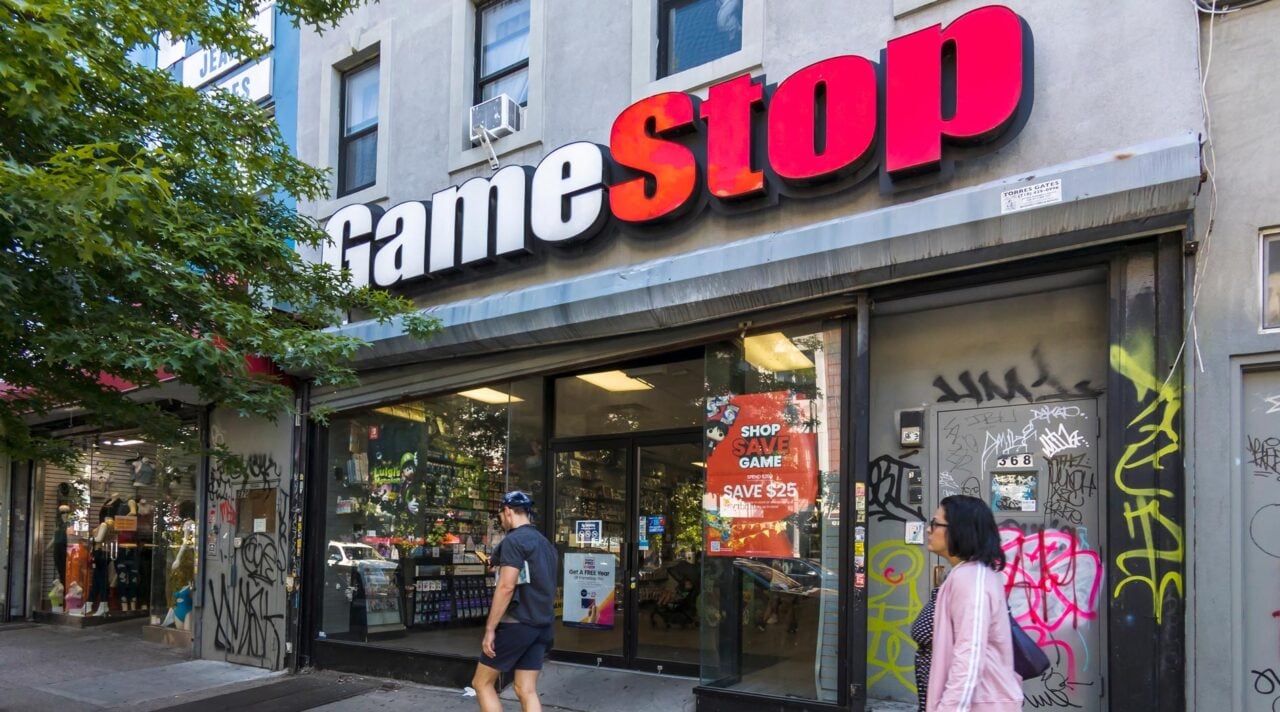
GameStop CEO Ryan Cohen is attempting a hostile takeover of eBay, now owning nearly 10% of the company. His plan involves drastic cost-cutting, layoffs, and a vision to challenge Amazon in physical goods reselling, potentially including an "in-game visual marketplace." This move signals GameStop's further shift away from its gaming roots.

11 Bit Studios, known for Frostpunk and The Alters, laid off 20 workers to adjust project teams and maintain cost discipline. Most affected employees were transferred internally, and the studio states its financial situation is stable.
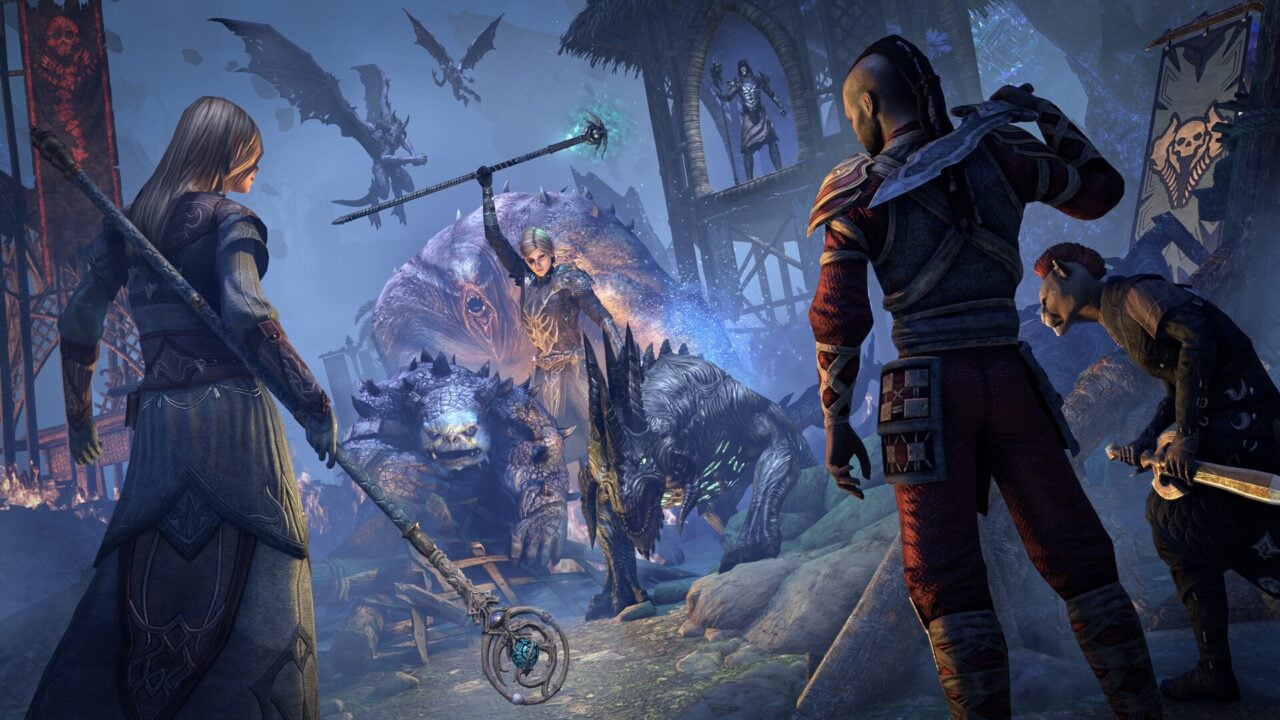
Following recent Xbox layoffs, _Elder Scrolls Online_ developers have reassured worried fans that Zenimax Online Studios' team size is now comparable to when they created popular DLCs like _Wrothgar_ and _Summerset_. While cautiously optimistic, the article explores the implications of these changes for _ESO_'s future content.

Seattle's tech sector is seeing major shifts, with Microsoft cutting 4,800 jobs and overhauling Xbox. Amidst this, the startup scene thrives, showing a surge in hardware on the GeekWire 200. AI is rapidly transforming how founders build and operate, driving efficiency and innovation across all ventures.
Developers working on The Elder Scrolls 6 are reportedly fearing further delays for the highly anticipated RPG following recent widespread layoffs across Xbox and Bethesda Game Studios. These job cuts have had a "crushing effect on morale" and raised concerns about staffing, potential reliance on contract labor, and increased crunch for the remaining team. The situation highlights Microsoft's broader strategy to focus on projects with the "highest likelihood of making money" amidst significant industry turmoil.

Microsoft's Xbox division layoffs have severely impacted Bethesda and id Software, with up to 50% of teams cut, raising concerns for beloved franchises like Doom, Elder Scrolls, and Starfield. The focus shifts to "strongest franchises" amidst calls for sustainable growth.
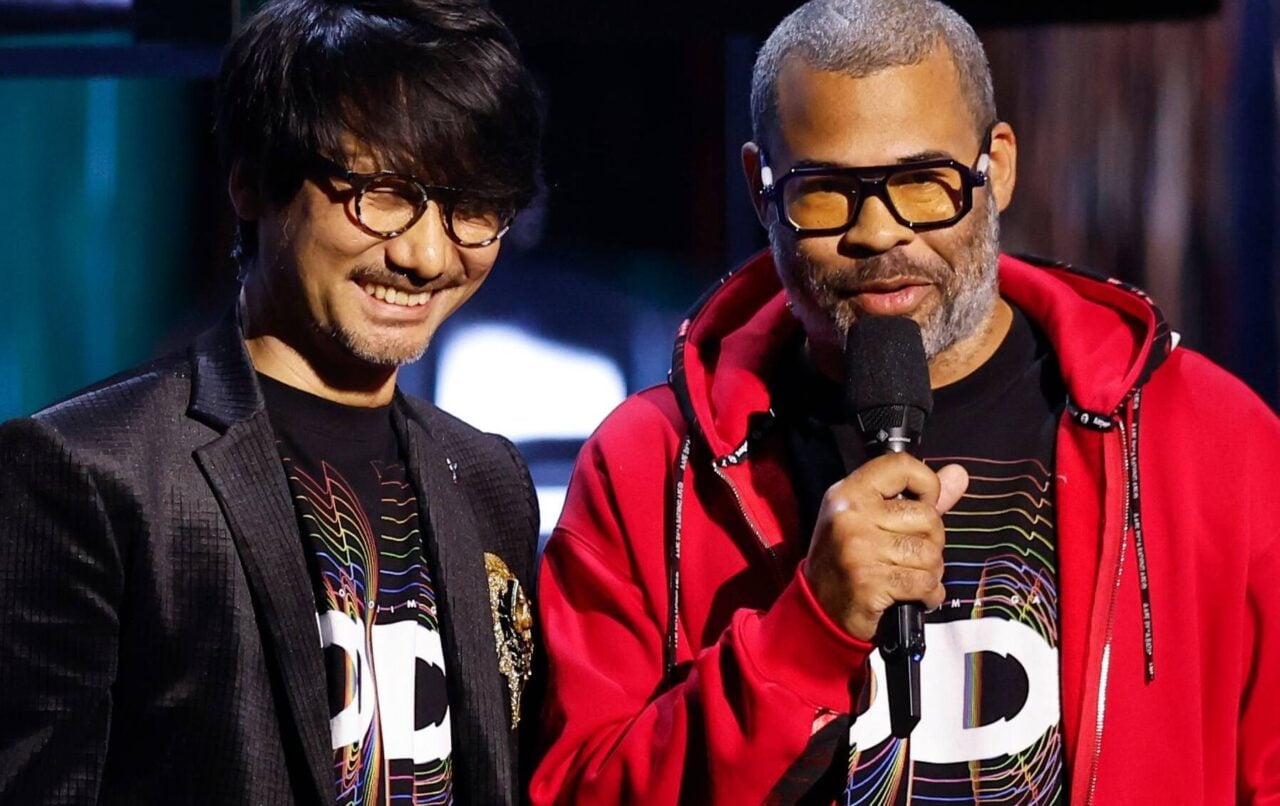
Kojima's OD Spared in Xbox's Sweeping Project Cuts The gaming world has been reeling lately, especially from the turbulent seas over at Xbox. Mass layoffs, cancelled projects, and a declared "reset" have cast a long

Robinhood announced a 10% workforce reduction, impacting 290 employees, but CEO Vlad Tenev notably avoided blaming AI for the cuts. This marks a departure from other tech companies, with Robinhood instead emphasizing a move to leaner, flatter organizational structures despite strong financial performance.

A recently laid-off Meta employee has been detained by US immigration agents in El Paso, Texas, according to internal company communications. The incident highlights the critical vulnerability of visa-holding tech workers during mass layoffs and has sparked urgent concern among current Meta staff.

Mark Zuckerberg's superyacht arrived in Seattle the same day Meta disclosed nearly 1,400 local layoffs, signaling a complex period for the tech giant. Meanwhile, robot pizza startup Picnic shut down, and corporate America grapples with the rising costs of AI, including practices like "tokenmaxxing" that inflate expenses. These events highlight a tech industry facing both opulence and economic realities.
