
GameStop's Bold Bid: Is eBay Next on Ryan Cohen's Radical Roster
GameStop CEO Ryan Cohen is attempting a hostile takeover of eBay, now owning nearly 10% of the company. His plan involves drastic cost-cutting, layoffs, and a vision to challenge Amazon in physical goods reselling, potentially including an "in-game visual marketplace." This move signals GameStop's further shift away from its gaming roots.
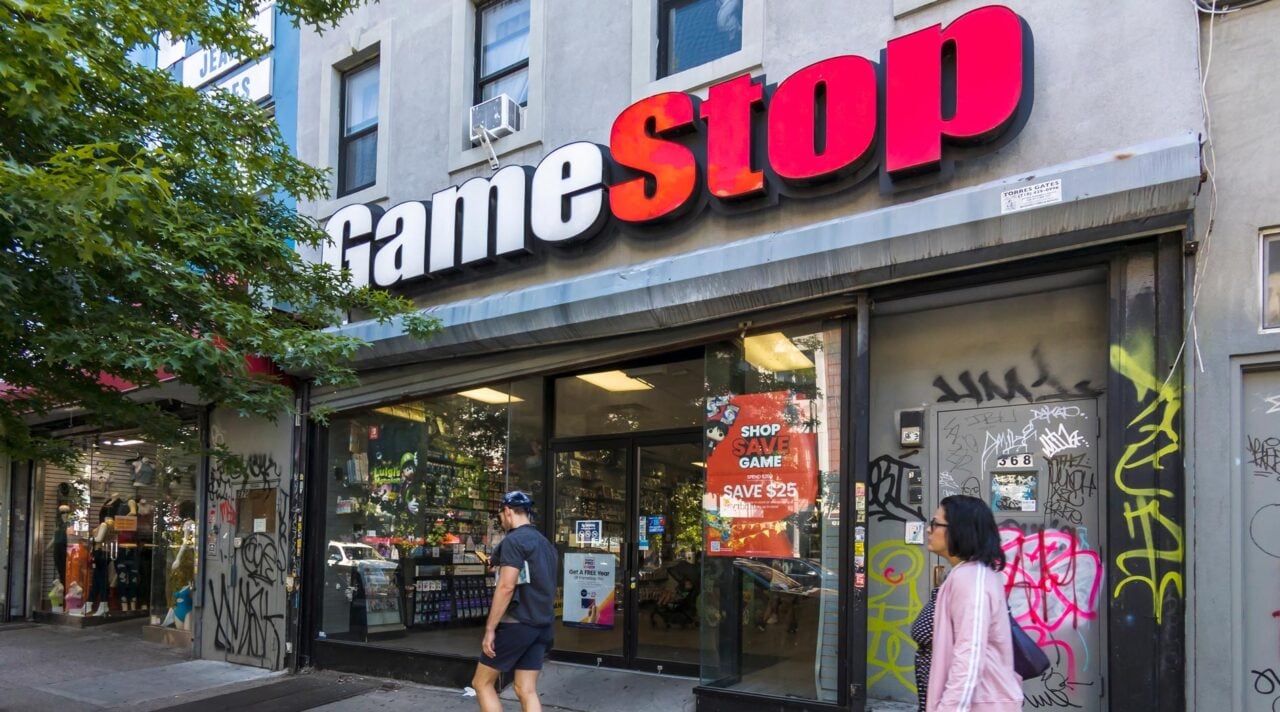
GameStop's Bold Bid: Is eBay Next on Ryan Cohen's Radical Roster?
Gamers, prepare for another wild ride in the corporate saga of GameStop. The meme stock giant, once thought to be on its last life, is making waves again, setting its sights on an unexpected target: eBay. CEO Ryan Cohen has launched a quixotic campaign to take over the online marketplace. According to recent regulatory filings, GameStop now owns a substantial 9.8 percent of eBay, a stake estimated at about $5 billion – roughly half of GameStop’s entire market capitalization! Cohen isn't mincing words, stating on Bloomberg, “I’m not going to call my shots, but we’re coming for eBay one way or another.” This isn't just an investment; it's a declared corporate battle, sparking widespread confusion about GameStop's future and what bizarre new world Cohen is envisioning.
The Math That Doesn't "Maths": Cohen's Radical Blueprint
So, what's the game plan behind this ambitious hostile takeover bid? Cohen's pitch is, at its core, simple: drastic cost-cutting and significant layoffs to boost eBay's profitability, a strategy he claims to have implemented at GameStop. His ultimate vision? To merge the two companies, creating an e-commerce powerhouse directly competing with Amazon in the physical goods reseller market. Cohen would then take the CEO role. Unsurprisingly, eBay has already dismissed the deal as “neither credible nor attractive.” Business reporters are openly incredulous about the financial calculus. When pressed by Bloomberg’s Ed Ludlow, Cohen defended his strategy: "What is my goal? I own a lot of stock and I don’t have any perverse incentive. So it’s to make the business a lot more profitable and to maximize shareholder value. So that’s the plan. It’s not that complicated." While "maximizing shareholder value" is standard corporate speak, the practical steps and financial viability of such a massive takeover remain a mystery.
Beyond Layoffs: An In-Game Marketplace on the Horizon?
Cohen isn't solely focused on slashing budgets; he's also hinted at "huge growth areas." Beyond short-term cost savings, he spoke about "live commerce" and, intriguing for our audience, "building out an in-game visual marketplace." Imagine buying and selling collectibles or unique items directly within your favorite virtual worlds – a fascinating concept that blurs lines between gaming and e-commerce. Details are sparse, but the idea itself sparks curiosity. Cohen also leveraged GameStop's recent financial success as proof of his methods. "GameStop just reported its highest earnings in the company’s history with a fraction of the stores," he noted, pushing back against skeptics. He maintained his strategic secrecy, asking, "Am I going to go and share my proprietary plan and every single detail and give it out to my competitors? That that’d be a pretty stupid thing to do." While understandable, it leaves many questions about how GameStop plans to execute such a monumental acquisition.
GameStop's Identity Crisis: Is Gaming Now "Irrelevant"?
Perhaps the most jarring aspect of Cohen’s eBay obsession, for us gamers, is his growing detachment from GameStop’s core identity. It increasingly feels like the company, once synonymous with gaming, is merely a vehicle for his larger, non-gaming ambitions. The source content implies Cohen is “clearly bored with running what have become Pokémon card pawnshops,” suggesting a significant pivot away from the retail gaming experience we've known. This shift was starkly evident when he was questioned about the eventual demise of physical game discs with the next console generation. A critical topic for a gaming retailer prompted an impatient dismissal from Cohen. "It doesn’t matter," he stated. "Software today makes up less than 12 percent of the business, and collectibles makes up over half the business. So it’s totally and totally irrelevant." For a company named GameStop, declaring physical software "irrelevant" in favor of collectibles marks nothing short of an existential redefinition. It strongly implies the corporate focus has moved decisively beyond traditional video game sales.
The Meme Stock's Monetary Muscle: Fueling the Hostile Play
How exactly is GameStop, a company struggling just a few years ago, funding a multi-billion-dollar stake in eBay? The answer lies in its unique "meme stock aura" that became a cultural phenomenon during the pandemic. This unprecedented rise allowed GameStop to raise substantial capital by selling additional shares, leveraging intense interest and support from retail investors, particularly those organized on platforms like Reddit. The strategy, in theory, relies on continuing to harness this grassroots enthusiasm to bolster GameStop's financial position, making a potential deal for eBay appear more feasible. Should this momentum hold and a credible path forward materialize, the hope is that even traditional Wall Street investors might be enticed to provide financing. It's a highly unconventional financing approach, built more on market sentiment and a dedicated online community than traditional M&A blueprints.
A Gamer's Verdict: High Score or Game Over for GameStop?
As a journalist covering the gaming world, this saga feels more like a chaotic, high-stakes game than a typical corporate merger. Ryan Cohen’s pursuit of eBay is undeniably bold, showcasing the unpredictable power of meme stocks and the singular vision of a determined CEO. While his past efforts to boost GameStop’s earnings are a matter of record, his current eBay strategy, heavy on cost-cutting and light on detailed financial blueprints, leaves much to speculation. From a gamer's perspective, the most poignant takeaway is the increasing drift from GameStop's roots. The brand that once defined our game-buying experiences now sees physical software as "irrelevant" and its stores as glorified “Pokémon card pawnshops.” While an "in-game visual marketplace" sparks intriguing thoughts, it’s hard not to feel a twinge of nostalgia for the GameStop of old. Whether Cohen’s eBay gambit ultimately leads to a revolutionary e-commerce fusion or a spectacular corporate misstep, one thing is abundantly clear: GameStop is transforming, moving ever further from the gaming identity that first put it on the map. This isn't investing advice, but it's certainly a compelling, confounding, and potentially game-changing story to watch unfold.
FAQ
Q: What's the main goal of GameStop's move on eBay?
A: Ryan Cohen states his primary goal is to make eBay significantly more profitable by cutting costs and reducing staff. He aims to maximize shareholder value, envisioning a combined entity that could compete with Amazon in the physical goods reseller market, with himself as CEO. He also mentioned "live commerce" and an "in-game visual marketplace."
Q: How much of eBay does GameStop currently own, and what's its value?
A: GameStop, according to its latest regulatory filings, now owns 9.8 percent of eBay. This stake is valued at approximately $5 billion, which accounts for roughly half of GameStop's total market capitalization.
Q: Does Ryan Cohen seem interested in GameStop's traditional video game business?
A: Based on his recent statements, Cohen appears increasingly disengaged from GameStop's core gaming focus. He dismissed the importance of physical game sales, noting software makes up less than 12% of the business, while collectibles make up over half. This signals a strong strategic pivot away from traditional video games.
Related articles

Blood of The Dawnwalker’s True Foes Lurk in the Wilds
_Blood of The Dawnwalker_ from Rebel Wolves is an RPG that unexpectedly challenges players with fierce wildlife, drawing comparisons to _Dragon Age: Inquisition_'s early zones. Its unique directional combat system, while engaging, can lead to players being overwhelmed by animal ambushes. Despite the high difficulty, these encounters add a fun, dynamic layer to the game.

Unions Level Up: How Collective Power is Reshaping Game Dev
The gaming industry is seeing a massive shift as unionization rises globally, securing vital worker protections, better pay, and AI safeguards. This collective movement is empowering developers and fundamentally changing workplace dynamics. It's a win for workers, and ultimately, for the games we play.

AI's Impact on Malware Detection: Next-Gen Protection Deep Dive
The landscape of cybersecurity has transformed dramatically. Gone are the days when a simple virus attached itself to a file, easily quarantined by an antivirus scanner. Today, malware is sophisticated, multifaceted,
No More Robots Sails into New Territory with Cruise Control
After nine years of publishing success, indie studio No More Robots is launching its first self-developed IP, `Cruise Control`, a puzzle game born from a pivot away from a shelved online shooter. Founder Mike Rose reflects on the company's unconventional, lean approach, the accidental success of `Descenders`, and the massive potential of upcoming title `Another Door`, while also considering his own future in the demanding industry.
The One Zero Company Achievement That Got Away From Me
Star Wars Zero Company is a stellar turn-based tactics game, but the author is playfully irked by one missing achievement: a reward for completing the game without losing any squad members to its brutal permadeath system. Despite this minor gripe, the game is lauded as one of the year's best, showcasing deep strategic gameplay.

Ace Combat 8 Takes Flight with Star-Studded Prequel Series
Ace Combat 8: Wings of Theve is launching soon, but not before a live-action prequel miniseries, Hour Zero, drops exclusively on IGN. Starring Josh Holloway, Brandon Routh, and Tamlyn Tomita, this four-part show will build narrative context for the game's campaign, starting September 15. Holloway shared his renewed love for gaming and a desire to adapt games into movies.