37 results found

Verdict: A Potent Productivity Boost, But at a Personal Cost AI coding tools like GitHub Copilot and Claude Code have undeniably revolutionized how developers approach their work, offering unprecedented speed and

Cognition CEO Scott Wu has denied a Bloomberg report that SpaceX attempted to acquire the AI coding startup, stating Cognition is "not for sale" and no talks occurred. This comes as SpaceX aggressively expands its AI ventures, recently acquiring Cursor and pushing to catch up with industry leaders like OpenAI and Anthropic. While an acquisition is off the table, the companies may still be discussing a potential partnership for computing capacity.

Verdict The AGI Bar in Beijing offers an undeniably compelling proposition: unlimited DeepSeek coding tokens for the price of a $1.50 drink. For AI developers and enthusiasts, this is a goldmine of free compute and a

NVIDIA Nemotron 3.5 Lightning is an open-weights, hybrid MoE (Mamba-2 + MoE + Attention) LLM designed for efficient AI agent development. It supports 1M token context, offers speculative decoding methods like DSpark, and is optimized for NVIDIA Blackwell, Hopper, and Ampere GPUs. Developers can deploy it via vLLM, TensorRT-LLM, or SGLang, leveraging its advanced features like reasoning control and tool-calling through an OpenAI-compatible API.

AI-powered voice dictation has evolved dramatically, transforming how many of us interact with our devices, particularly for tasks like coding and drafting. As an experienced tech reviewer, I've put a significant number

Meta has released Muse Code (beta), a terminal coding agent powered by their new Muse Spark 1.2 model. Muse Code handles complex software engineering tasks, featuring persistent background agents and a robust, restart-safe runtime. Muse Spark 1.2, a coding-focused LLM, shows significant improvements in code generation and complex debugging through expanded training and a self-improvement loop.

This article challenges the myth of the '100x engineer,' especially in the context of new tools like AI coding agents. It introduces the explorer-exploiter continuum, highlighting that sustainable team productivity comes from cultivating a system that moves all engineers along a skill spectrum, rather than trying to clone individual high-performers. It outlines common leadership pitfalls and offers practical strategies for fostering exploration, bridging knowledge gaps, and valuing both exploratory discovery and efficient execution.
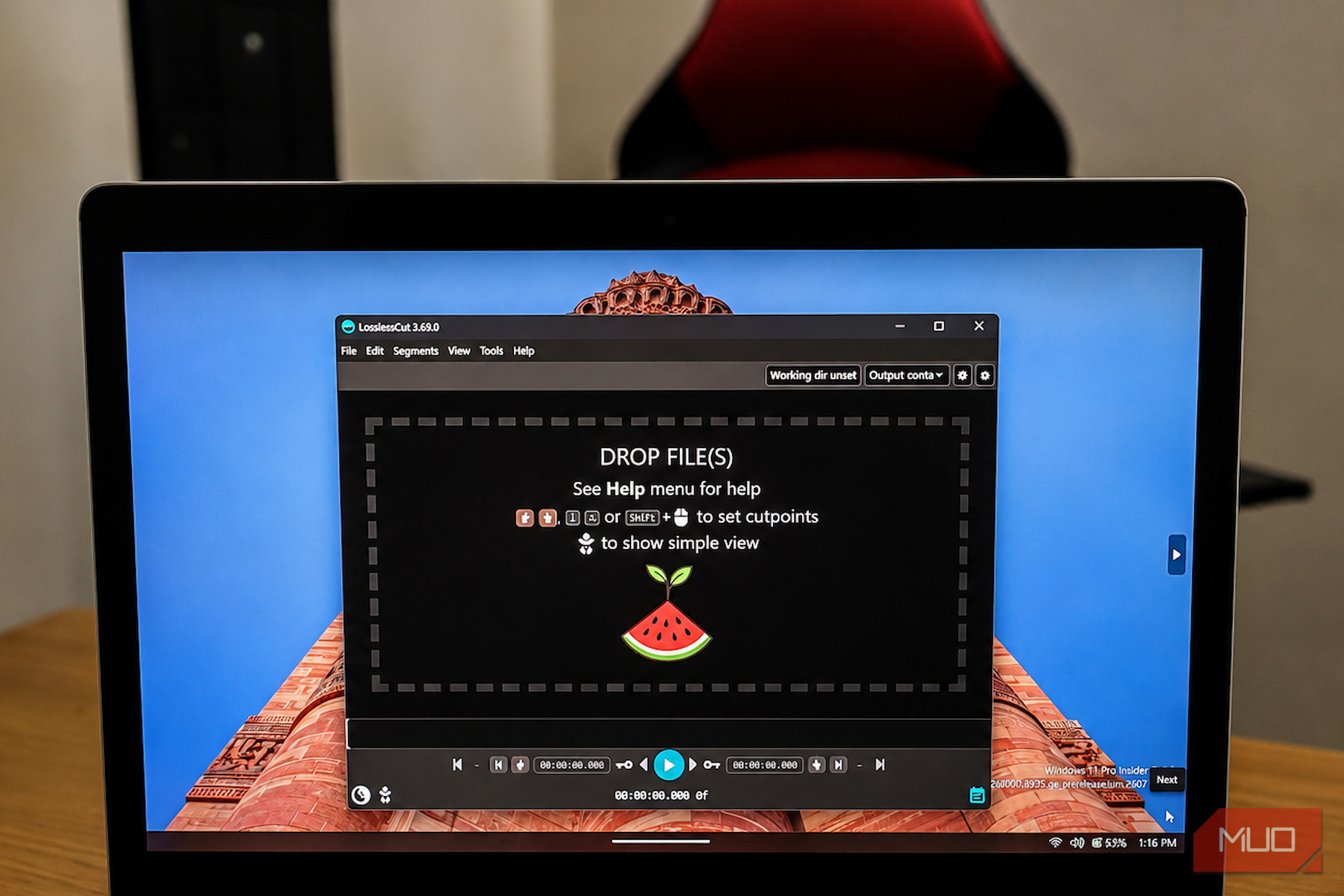
Learn to quickly trim and merge video segments without quality loss using LosslessCut, a free, open-source tool. This guide covers installation, step-by-step usage, key limitations, and troubleshooting tips for efficient video management.

San Francisco-based startup Poolside announced the release of Laguna S 2.1 on July 21, 2026, a 118-billion-parameter open-weight model engineered for agentic coding. The company positions this new model as a crucial

In the rapidly evolving landscape of AI-assisted software development, the software orchestrating AI models, often called a "harness," is proving as critical as the models themselves. We’re reviewing a significant

Tencent has released its Hy3 MoE model under an Apache 2.0 license, removing previous regional restrictions and making it widely accessible. At half the size of GLM-5.2, Hy3 offers significant efficiency gains, excelling in search and tool orchestration, though it trails in coding. This move positions Hy3 as a strong contender for enterprise AI solutions seeking reliability and cost-effective deployment.

OpenAI has officially unveiled its first piece of physical hardware: the “Codex Micro.” This dedicated macro pad is designed to enhance the workflow for developers who regularly use OpenAI’s AI coding tool, Codex. The

Just days after announcing Ninja Theory's new game, *Senua*, at the Xbox Games Showcase, reports surfaced that Microsoft was planning to shut down or spin off the studio. This bewildering turn of events stems from Xbox's recent financial "reset" and has left fans questioning the future of Ninja Theory and its highly anticipated next title, currently slated for TBA 2027.
AI is pushing the cost of code generation to near zero, profoundly reshaping engineering leadership. This shift moves the bottleneck from coding speed to ideation and process, necessitating a re-evaluation of how teams measure effectiveness and collaborate. Engineering leaders must now prioritize customer value, foster cross-functional empathy, and emphasize system ownership over raw code output.
This article explores how a 10-year-old Intel Xeon E5-2620 v4 server with 128 GB DDR3 RAM and no GPU can run a modern LLM like Gemma 4 26B-A4B at reading speed. It highlights that LLM inference is often memory-bound and showcases deep optimization techniques using `ik_llama.cpp`, including speculative decoding, CPU-aware MoE routing, advanced memory management, and specialized attention kernels. The success demonstrates that granular software control can unlock significant performance on older, abundant-RAM hardware.

Cognition, the AI coding agent startup behind Devin, secured $1 billion at a $26 billion valuation this week. Despite this, CEO Scott Wu insists AI agents shouldn't replace humans, aiming for augmentation to free programmers from tedious tasks. Wu envisions Devin as a "buddy" that enhances creativity, even as it handles 89% of Cognition's internal code.

OpenAI has announced the integration of its advanced AI coding tool, Codex, directly into the ChatGPT mobile application. This significant update empowers developers to monitor and manage their coding workflows remotely

AI coding tools have fundamentally altered software development economics, making building code faster and cheaper than extensive planning. This shift has moved the bottleneck from execution to strategic judgment, requiring engineers and leaders to prioritize problem identification, design, and rapid iteration. Companies like Synthesia are pioneering new development models focused on speed of learning over sheer code output.
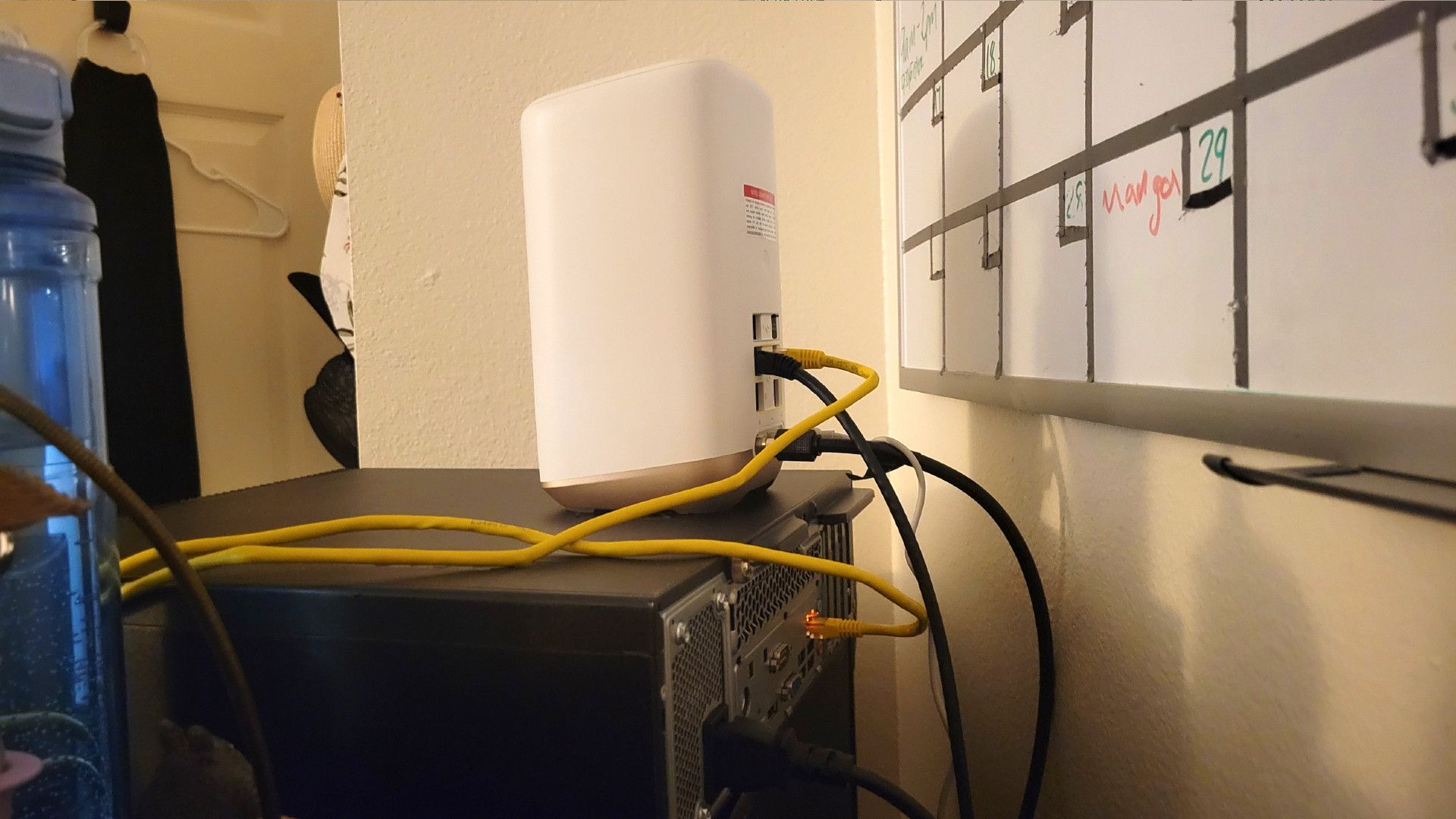
Stop Paying for AI Coding Assistants: Go Local, Stay Private Are you a developer tired of monthly fees, usage limits, and the privacy implications of sending your code to cloud-based AI assistants? What if you could

Quick Verdict Sony is aggressively embracing AI in its game development pipeline, promising a surge in game releases, faster creation cycles, and more diverse content. While the efficiency gains are impressive, raising
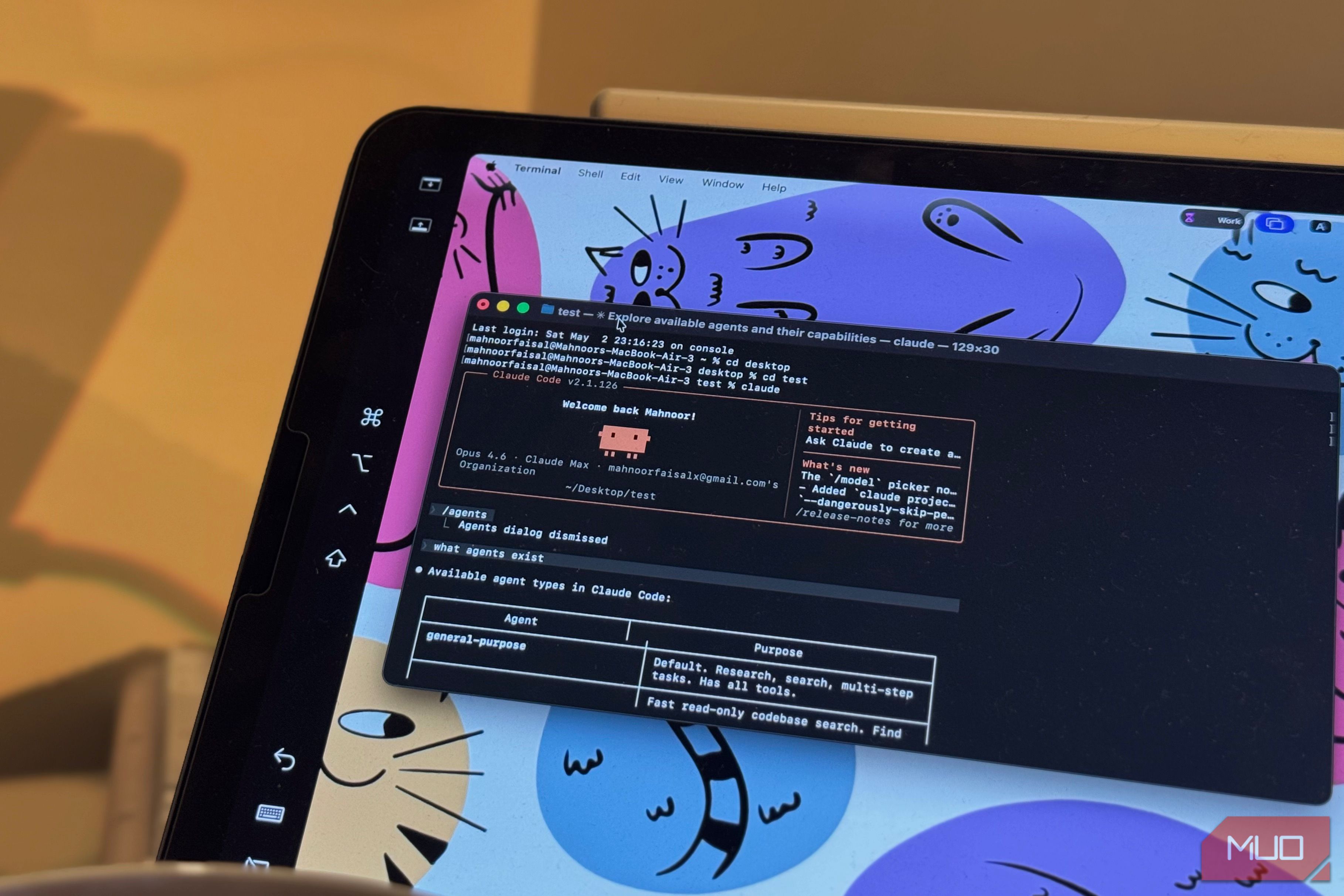
Learn how AI-assisted coding tools like Claude Code transform the learning experience by providing immediate feedback, allowing you to build projects first and then understand the code through reverse-engineering, overcoming traditional coding barriers.

Context Hub (`chub`) addresses LLM limitations by providing coding agents with curated, versioned documentation and skills via a CLI, augmented by local annotations and maintainer feedback. This article explores `chub`'s workflow and content model, then demonstrates building a companion relevance engine. This engine uses an additive reranking layer with extracted signals to significantly improve search accuracy for shorthand queries without altering `chub`'s core design.

AI coding startup Cursor is nearing a $2B+ funding round at a $50B valuation, nearly doubling its previous valuation in six months. Led by Thrive and Andreessen Horowitz, this capital injection is fueled by rapid enterprise growth and improved profitability from its proprietary AI model.
The concept of 'vibe coding,' an extreme form of dogfooding where developers avoid inspecting AI-generated code, often leads to significant quality issues. A more effective approach involves actively guiding AI tools to clean up technical debt and refactor, treating them as powerful assistants under human oversight. Ultimately, maintaining high software quality, even with AI, remains a deliberate choice for developers.

In today's rapidly evolving software landscape, developers are constantly seeking insights into efficient learning, career growth, and adapting to new technologies. While traditional paths exist, some invaluable lessons
