16 results found

Meta's Muse AI platform now readily exposes its filesystem to users, confirming this as "intended behavior." This rapid shift transforms Muse into a "Secure VM" or "your own computer in the cloud," offering unprecedented access for installing software, writing code, and surfing the web, fundamentally differentiating it from other AI chatbots like ChatGPT and Gemini.

Goldman Sachs has opened a new engineering hub in Bellevue, Washington, focused on AI and cloud transformation, set to house over 125 engineers. This marks the financial giant's first dedicated engineering space in the Pacific Northwest, reinforcing its commitment to technological advancement.

Cloudflare has launched Kitesurf, a new cloud-hosted browser specifically engineered for AI agents to navigate and interact with the web. Optimized for efficiency and lower computing costs, Kitesurf eschews human-centric visual elements in favor of performance, scalability, and context management, offering a specialized solution for developers building task-oriented AI.

Artificial intelligence is revealing critical limitations in traditional network architectures, which were not built to handle the unpredictable, real-time traffic demanded by modern AI workloads. This shift necessitates treating the network as a strategic, intelligent control layer, crucial for AI performance, reliability, and cost-efficiency. Enterprises must adopt dynamic, secure, and software-defined networks to truly leverage their AI investments.

Quick Verdict Texas consumers are facing a stark reality: while electricity and water bills currently sit below the national average, they are escalating at an alarming rate, significantly outpacing inflation.

Recent tech news highlights Amazon's strategic move into custom AI chips (Inferentia, Trainium) as its fourth business pillar, and Satya Nadella's practical use of Power BI for rapid executive-level data insights. Concurrently, a VC from AI House is rallying the Seattle tech community to embrace its strong foundation in cloud and AI, countering negative narratives about the region.
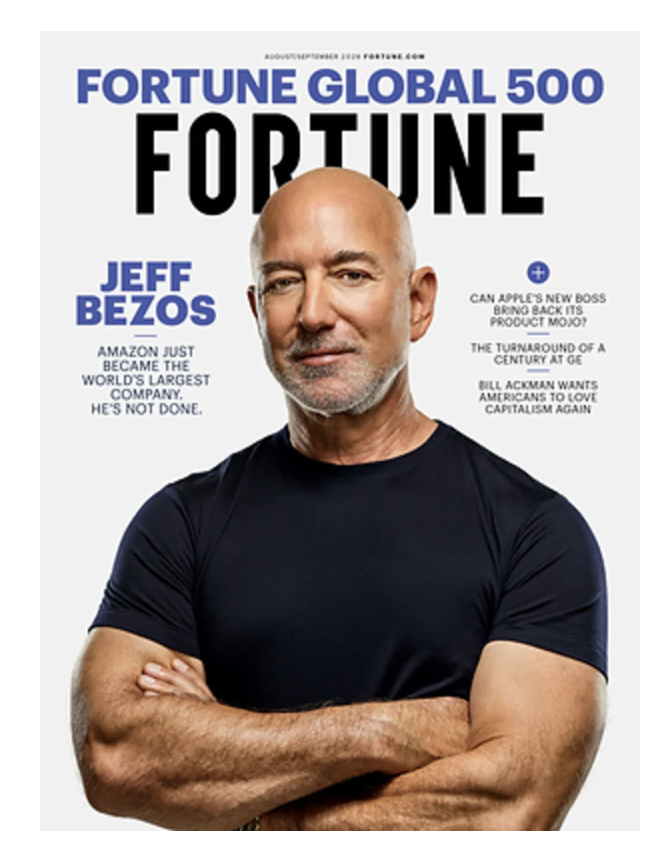
Fellow developers, In the rapidly evolving landscape of artificial intelligence, cloud infrastructure is a battleground, and custom silicon is emerging as a critical differentiator. Recent news from Jeff Bezos himself

Dave Brown, a key figure in AWS's EC2 and AI/ML growth, is departing. His successor, Dave Treadwell, brings extensive experience from Microsoft and Amazon's eCommerce Foundation, potentially signaling new directions for core cloud services and AI innovation.

Global financial giant JPMorgan Chase is making a significant strategic investment in Seattle, establishing a new AI software infrastructure team. This pivotal group will build an "AI control layer" to manage the bank's AI operations, aiming to control costs, protect intellectual property, and prevent vendor lock-in.

Meta Platforms saw its stock surge 15% last week, the best run since early 2024, following the unveiling of "Meta Compute." This new initiative aims to monetize Meta's extensive AI infrastructure by selling computing capacity and models to external clients, addressing investor concerns over massive AI spending. While Wall Street embraced the potential for significant EPS growth, Meta faces challenges, including its lack of experience in the cloud market and competition from entrenched hyperscalers.
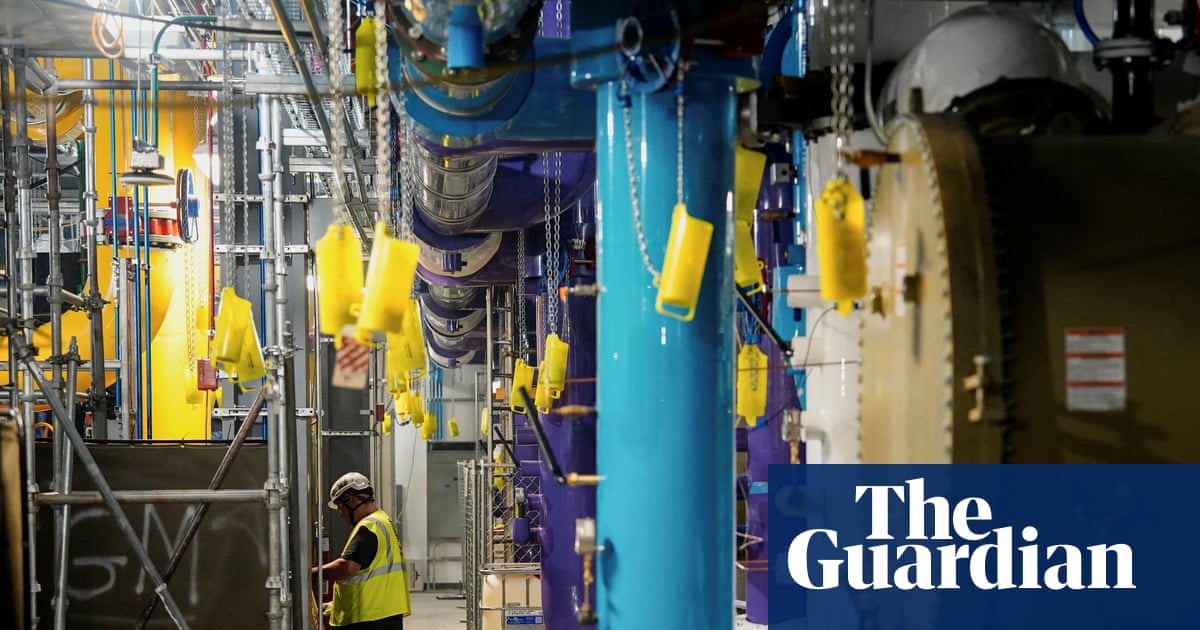
The rapid expansion of cloud services and AI, driven by companies like Microsoft, Amazon, and Google, is causing a significant surge in their carbon emissions. This article explores the scale of this environmental impact, detailing the recent increases and the challenges it poses to their sustainability goals. We examine why this boom is affecting climate ambitions and what developers should consider for a more sustainable future.

Elon Musk's lawsuit against OpenAI heated up as he testified for three days, accusing the company of betraying its nonprofit mission by going for-profit. He repeatedly asserted, "You can't steal a charity," as emails and tweets surfaced. This comes amidst strong cloud earnings driven by enterprise AI spending and other tech developments.

AI startup Thinking Machines Lab (TML) is rapidly expanding its talent, attracting key researchers like Weiyao Wang from Meta amidst a competitive, reciprocal talent exchange. TML also secured a multibillion-dollar Google Cloud deal for Nvidia's GB300 chips, bolstering its position and making it a prominent player in the AI landscape.

Cloud infrastructure has undergone a significant transformation, evolving from manual configuration to deeply programmable systems. Over the past decade, nearly every platform has exposed robust APIs, enabling
A 13-hour AWS service disruption in December was reportedly caused by Amazon's Kiro AI tool, according to the Financial Times. Amazon disputes this, attributing the incident to "user error" and "misconfigured access controls" rather than AI autonomy, clarifying it was a brief event affecting only one specific service.

Amazon pushes back on Financial Times report blaming AI coding tools for AWS outages Amazon's cloud computing arm, Amazon Web Services (AWS), has issued a forceful public rebuttal to a Financial Times (FT) report
