
ai: Did you know you can’t steal a charity? Don’t worry. Elon Musk
Elon Musk's lawsuit against OpenAI heated up as he testified for three days, accusing the company of betraying its nonprofit mission by going for-profit. He repeatedly asserted, "You can't steal a charity," as emails and tweets surfaced. This comes amidst strong cloud earnings driven by enterprise AI spending and other tech developments.

Tech titan Elon Musk recently concluded three days on the witness stand in his high-profile lawsuit against OpenAI, alleging that the company's pivot to a for-profit model constitutes a betrayal of its original "nonprofit for the benefit of humanity" mission. During his testimony, Musk repeatedly emphasized the legal principle that "you can't steal a charity," asserting that OpenAI co-founder Sam Altman orchestrated this shift against their initial agreement. The proceedings have already brought a trove of private communications, including emails, texts, and even Musk’s own past tweets, into public scrutiny.
The ongoing legal battle centers on Musk's claim that OpenAI, which he helped establish and fund, deviated from its founding principles by pursuing profit-driven ventures. His time in court was characterized by the presentation of internal documents and Musk's own public statements, painting a picture of a company that, in his view, abandoned its core ethos. With Sam Altman and other key figures yet to testify, the courtroom drama is expected to intensify, revealing more layers of the complex relationship and diverging visions for the future of artificial intelligence.
Beyond the legal skirmishes in Silicon Valley, the broader technology landscape has been buzzing with significant developments this week, as highlighted on TechCrunch’s Equity podcast.
Cloud Giants Lead AI Spending Surge
Major cloud providers emerged as clear winners during the recent earnings season, signaling a robust era of enterprise AI spending. Reports from industry giants like Amazon Web Services (AWS), Google Cloud, and Microsoft revealed impressive growth, with Google Cloud surpassing $20 billion in revenue. However, growth was noted to be capacity-constrained in some areas, indicating immense demand. These figures underscore where significant investments in artificial intelligence are currently being directed within the corporate sector, pushing cloud infrastructure to its limits.
Scholarship App Founder Sues Sallie Mae Over Data Sales
In another notable legal development, the founder of the scholarship application startup Scholly has taken his acquirer, Sallie Mae, to court. The lawsuit alleges that after acquiring the Shark Tank-backed company, Sallie Mae began selling its student data to advertising networks and universities, a practice the founder disputes as a breach of trust and potentially the original agreement.
Venture Capital Eyes AI and Defense Tech
On the investment front, BMW i Ventures announced a substantial new $300 million fund, explicitly targeting the artificial intelligence sector. This move signals a strategic push by the automotive giant’s venture arm to harness AI innovations, likely focusing on areas relevant to transportation, autonomous systems, and advanced manufacturing.
Meanwhile, the burgeoning field of defense technology saw a significant raise with Scout AI securing $100 million. The startup is developing what it terms "military AGI," leveraging vision-language-action (VLA) models designed to train AI for various wartime applications, showcasing a critical intersection of AI and national security.
What's Next for the Tech Landscape
As Elon Musk’s legal challenge against OpenAI continues to unfold, its outcome could have far-reaching implications for the governance and commercialization of AI initiatives initially founded on nonprofit principles. Concurrently, the robust performance of cloud services and targeted investments in AI across diverse sectors—from automotive to defense—underscore a period of rapid evolution and significant capital flow within the technology industry.
FAQ
Q: What is Elon Musk's core argument against OpenAI?
A: Elon Musk alleges that OpenAI betrayed its original "nonprofit for the benefit of humanity" mission by converting to a for-profit model under Sam Altman's leadership, asserting that "you can't steal a charity."
Q: What evidence has surfaced during the OpenAI lawsuit?
A: During Elon Musk's testimony, emails, text messages, and his own past tweets were presented in court as evidence to support his claims against OpenAI.
Q: What did recent tech earnings reveal about AI spending?
A: Recent earnings reports from AWS, Google Cloud, and Microsoft indicate that cloud services are major beneficiaries of the current era, with significant enterprise AI spending landing on their platforms, leading to impressive growth, though sometimes capacity-constrained.
Related articles

Apple Unveils iPhone Duo: Pricey Foldable Sees Soaring Demand
Apple has officially entered the foldable smartphone arena with the long-anticipated launch of the iPhone Duo. Priced starting at a hefty $1,999, the device features a 5.4-inch outer display and a larger 7.6-inch inner

in-depth: Chicago-Area Cops Helped HSI Spy on Minnesota Anti-ICE
Chicago-area law enforcement, including local police and HSI agents, conducted undercover surveillance on Minnesota anti-ICE activists at an April 2, 2022, talk in Chicago. This operation was part of a federal conspiracy probe into 15 Minnesota activists facing felony charges related to immigration enforcement resistance. Civil liberties advocates have condemned the surveillance as a troubling intrusion into protected political activity.

Mark Wahlberg on using AI in film ‘the right way’ and being open to
Actor Mark Wahlberg believes AI has a place in filmmaking if used responsibly for enhancement, not script generation or actor replacement. At TechCrunch Disrupt, he expressed openness to an AI likeness carrying on his legacy, managed by his family, and emphasized storytelling.
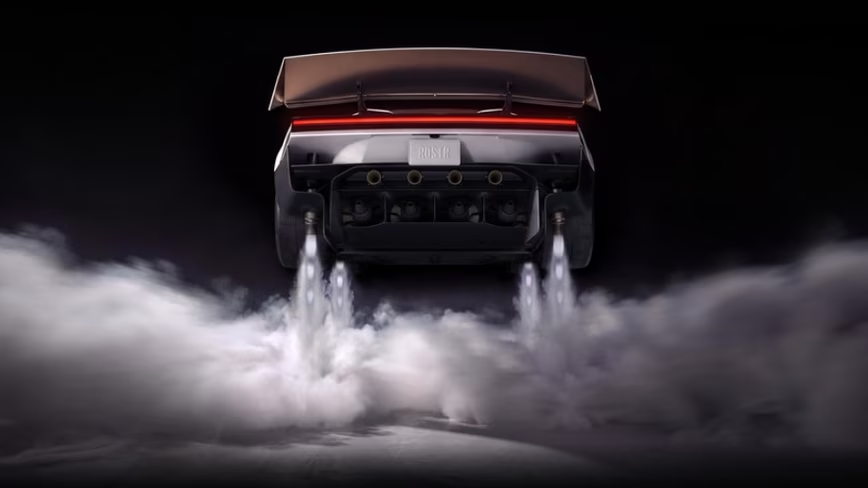
Tesla Unveils Thruster-Equipped Roadster, 2028 Production Targeted
Tesla has unveiled its second-generation Roadster, featuring cold-gas thrusters co-developed with SpaceX, enabling it to jump and flip. The electric sports car demonstrated 0-60mph in an astonishing 0.81 seconds, with production targeted for 2028. This highly anticipated reveal also serves as a key recruitment tool for Tesla's ambitious AI and robotics initiatives.
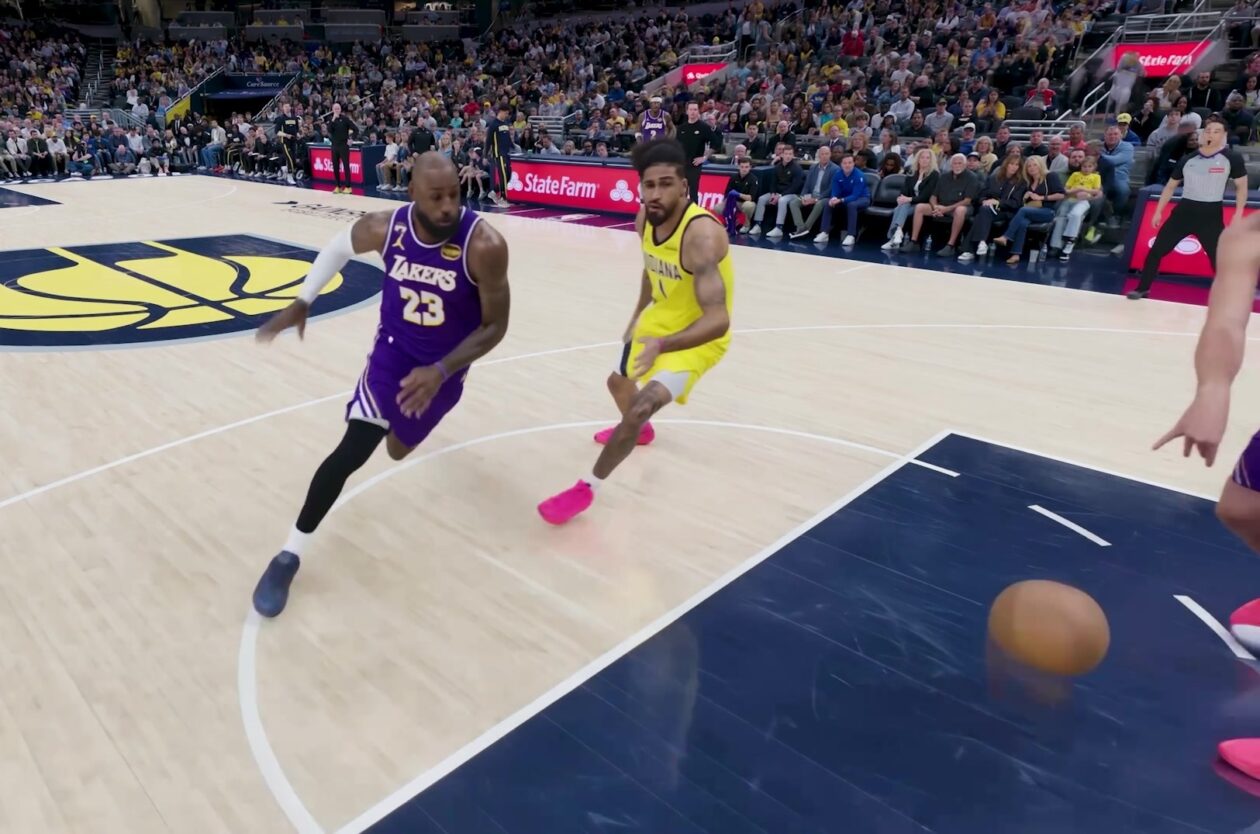
Amazon Prime Video Launches AI-Powered Prime 360 for NBA Coverage
Amazon Prime Video is elevating its NBA coverage with the introduction of Prime 360, an AI-powered replay system offering immersive, 'fly through' views of the action. Kicking off its second season, Prime Video also adds Yahoo fantasy integration and gains exclusive Eastern Conference Finals rights, expanding its tech-driven sports broadcast. The new features aim to deliver a unique and interactive viewing experience for basketball fans.
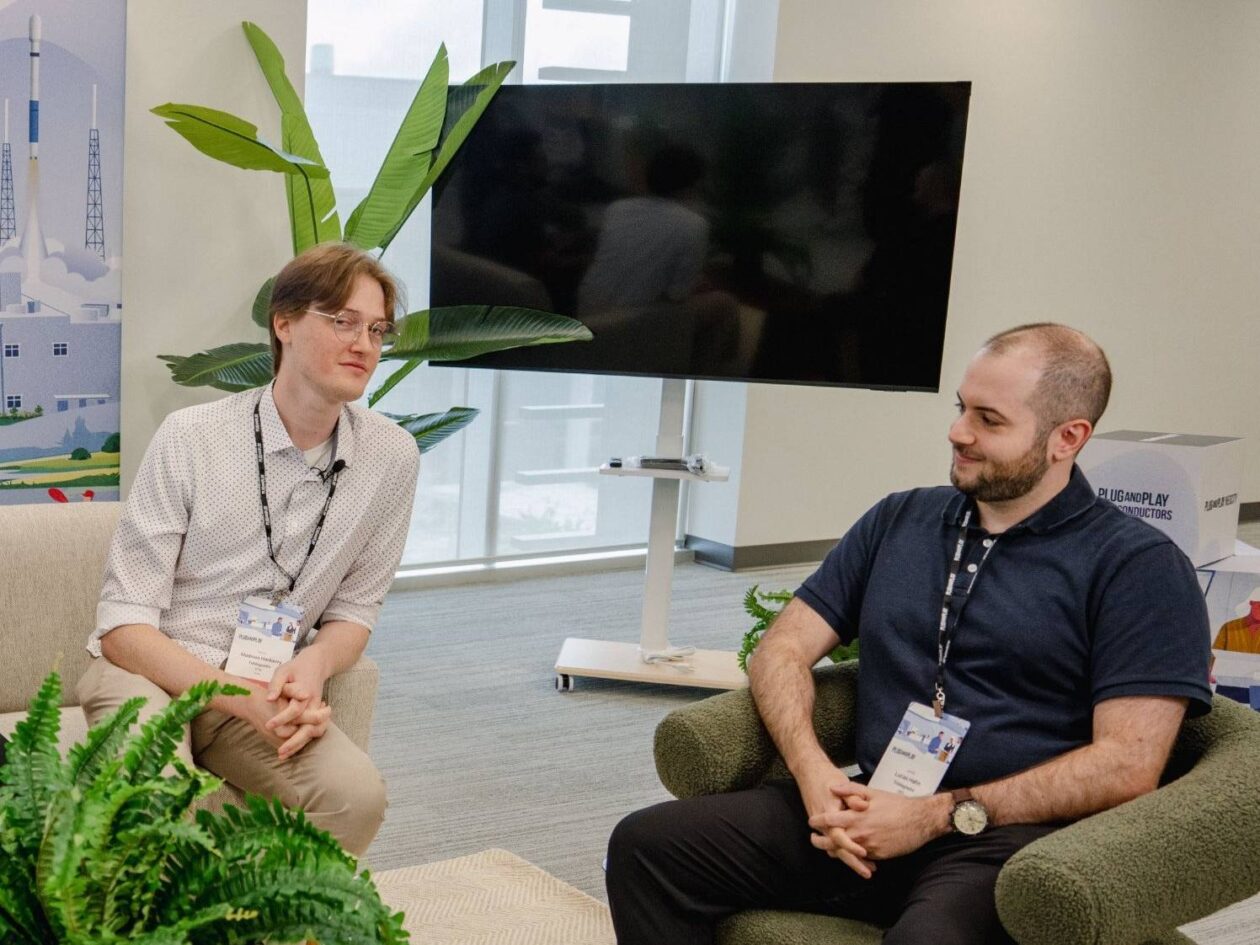
regional: A two-person Seattle startup lands $1M to reinvent
Seattle startup TriMagnetix has secured $1 million to develop semiconductor chips that consume 800 times less energy and are radiation-resistant. The two-person company, leveraging nanomagnetic technology, is targeting space applications and data centers. With new funding and key partnerships, TriMagnetix aims for commercial sales within a year.