70 results found

Apple has officially entered the foldable smartphone arena with the long-anticipated launch of the iPhone Duo. Priced starting at a hefty $1,999, the device features a 5.4-inch outer display and a larger 7.6-inch inner

Are you feeling constantly tethered to your smartphone, losing precious moments with loved ones or struggling to focus on important tasks? You're not alone. In today's digital age, our phones, with their cleverly

Japan's beloved _gara-kei_ flip phones are becoming extinct, as detailed in this Engadget article. The analysis highlights their unique cultural ties, advanced features, and the primary drivers of their decline: carrier 3G network shutdowns, changing consumer habits, and an aging population embracing smartphones.

Google's Pixel 11 Pro and Pro XL smartphones are seeing significant price drops of $250 or more during Amazon's October sale. The 256GB Pixel 11 Pro is now $849, while the 256GB Pixel 11 Pro XL is $999, making these flagship devices remarkably affordable. This pricing makes the Pro models an especially compelling value, with the Pro now costing less than the non-Pro did at launch, highlighting its superior cameras and Gemini-assisted features as key reasons to upgrade.

Google Wallet's tap-to-pay feature is failing intermittently or completely on many Pixel phones, including Pixel 9 series and later, despite Wallet's expanded utility. Google has not acknowledged the bug, but user-reported fixes like restarting, clearing cache, or using a smartwatch offer temporary relief for this frustrating reliability issue.
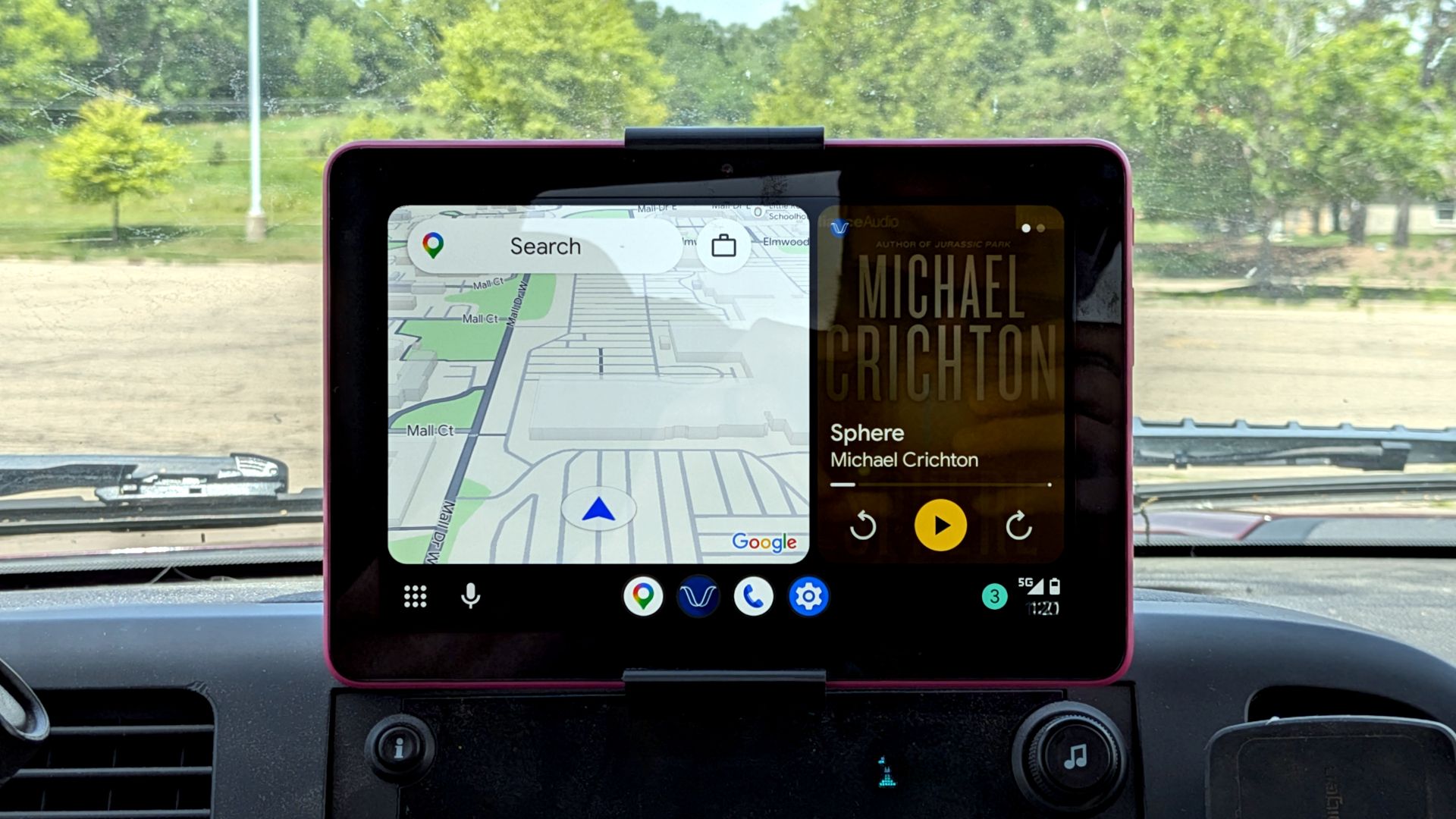
Easily add Android Auto to your older car using an old Android tablet or your current smartphone with the Open Headunit app, for free or low cost.
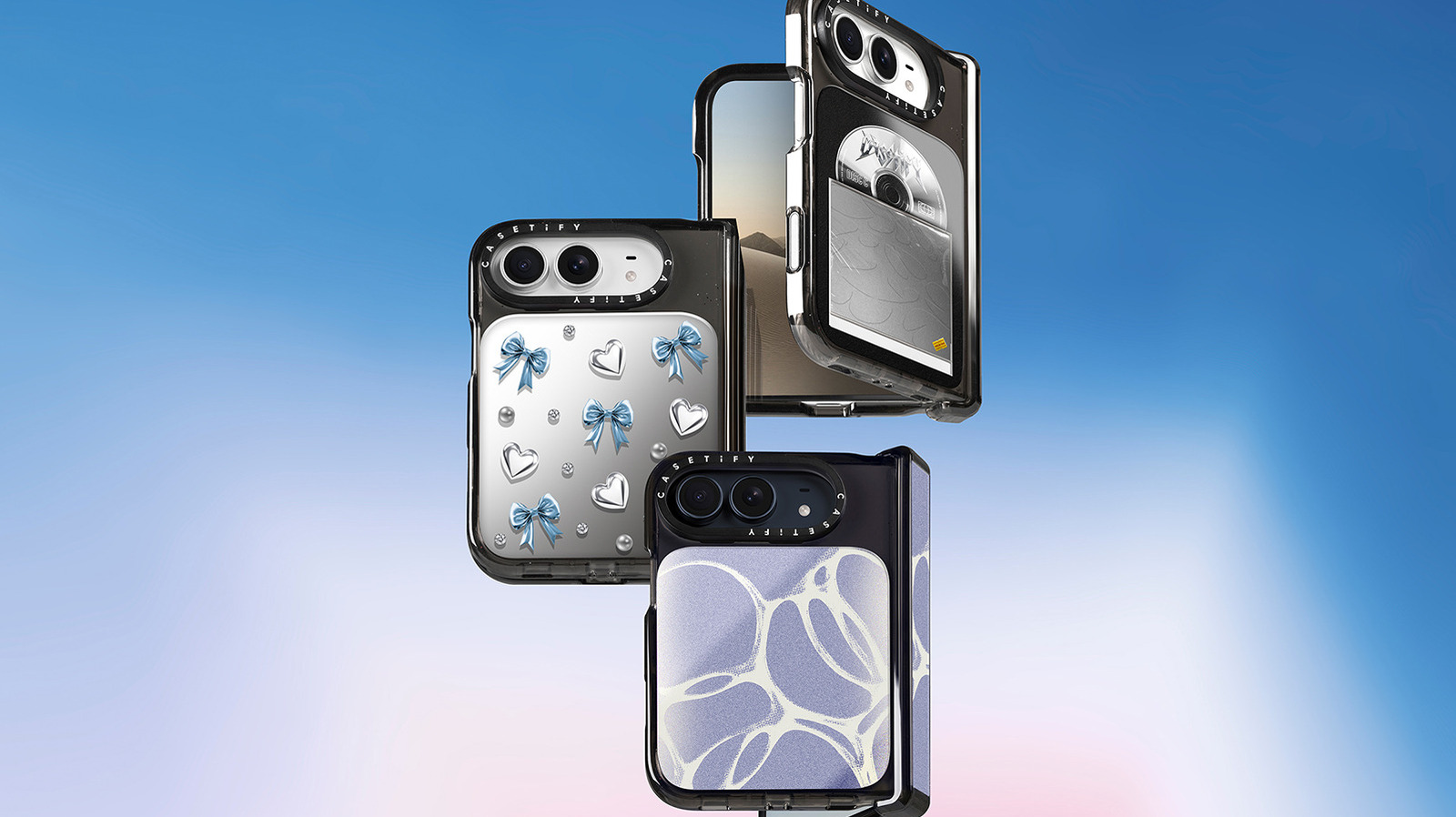
As an experienced tech reviewer, I've seen countless accessories promise ultimate protection. For the revolutionary, yet delicate, foldable smartphone, a protective case feels less like an option and more like a

The Samsung Galaxy Z Fold 7 is currently available with a significant $150 discount, making it an excellent time to consider this innovative foldable smartphone. This guide will help you evaluate if this deal and device

Qualcomm has launched two new flagship smartphone chips for 2026: the Snapdragon 8 Elite Gen 6 and the 8 Elite Extreme Gen 6. Both are built on a 2nm process, sharing many core specs. The Extreme variant offers minor boosts in AI processing, video capture, and gaming performance.

iPhone 18 Pro review: Apple's latest premium smartphone, under new CEO John Ternus, offers fresh color options and robust build quality, hinting at an exciting future with foldables and new home tech.
The Pixel 11 Pro ($1,099) introduces redesigned Quick Access camera controls, offering intuitive, customizable on-the-fly adjustments like exposure and "Camera Looks." While powerful and user-friendly once enabled, Google hides them deep in settings and disables them by default, hindering discoverability. Despite this flaw, it's a significant upgrade for mobile photography enthusiasts.

Apple has introduced its first foldable smartphone, the iPhone Duo, on September 9, 2026. Featuring three screens and a book-like hinge, this $1,999 device is the most significant iPhone design change since 2007, establishing a new ultra-premium tier for Apple.

The U.S. military has disabled advertising tracking on all government-issued devices for troops across its branches, including smartphones and computers. This action follows intelligence reports of foreign adversaries exploiting commercial location data to target U.S. service members in critical areas like the Middle East.

Verizon is rolling out major promotions for September 2026, offering consumers significant savings on the latest tech. Deals include free flagship smartphones, up to $1,100 off premium devices, and mobile plans starting at $25 per line. Special discounts are also available for students, military, teachers, and nurses, alongside internet bundle savings.
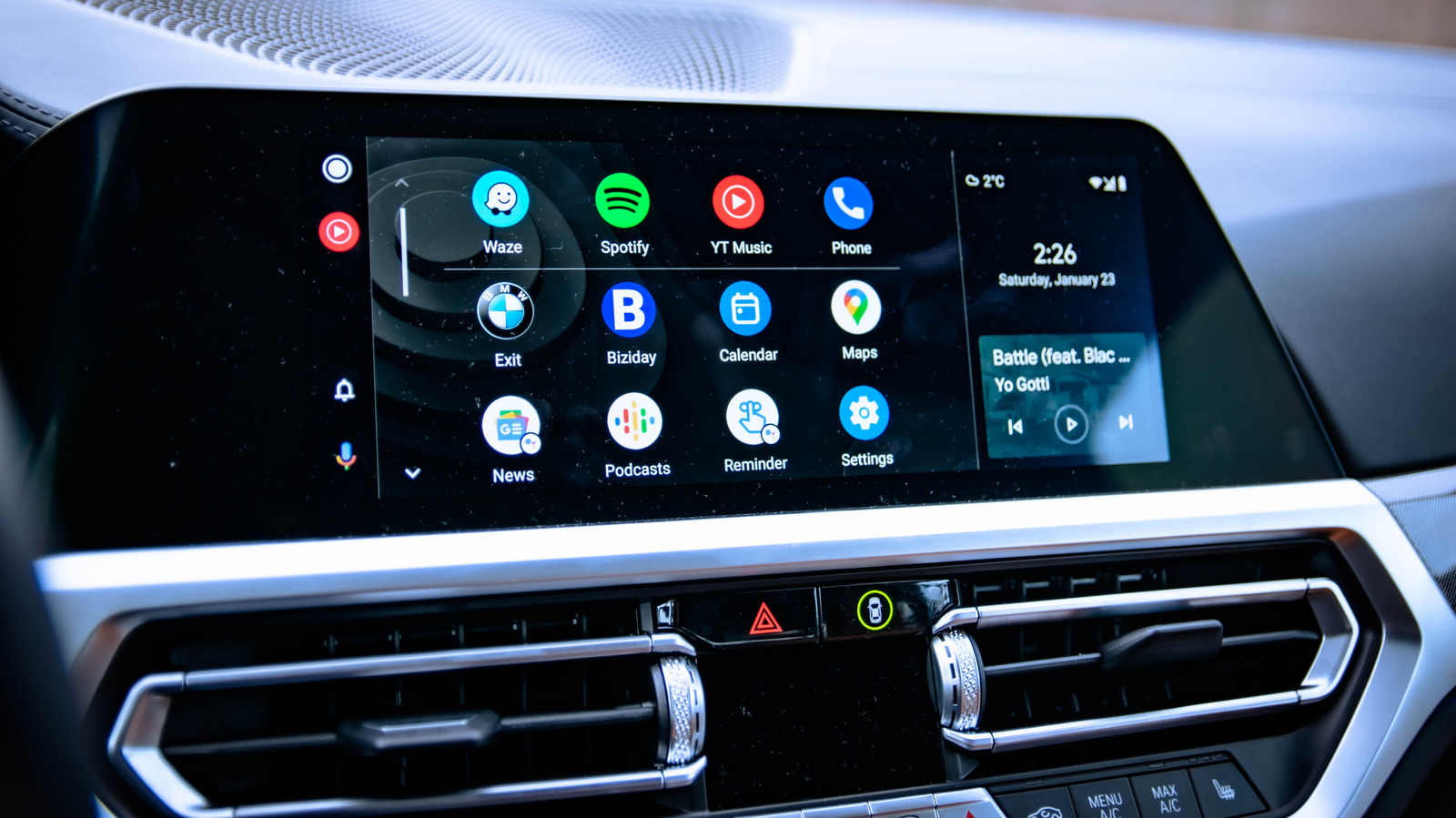
Quick Verdict: Your Essential Guide to a Smooth Ride Android Auto, when it works, seamlessly integrates your smartphone into your car's infotainment system, putting navigation, messages, and media right at your
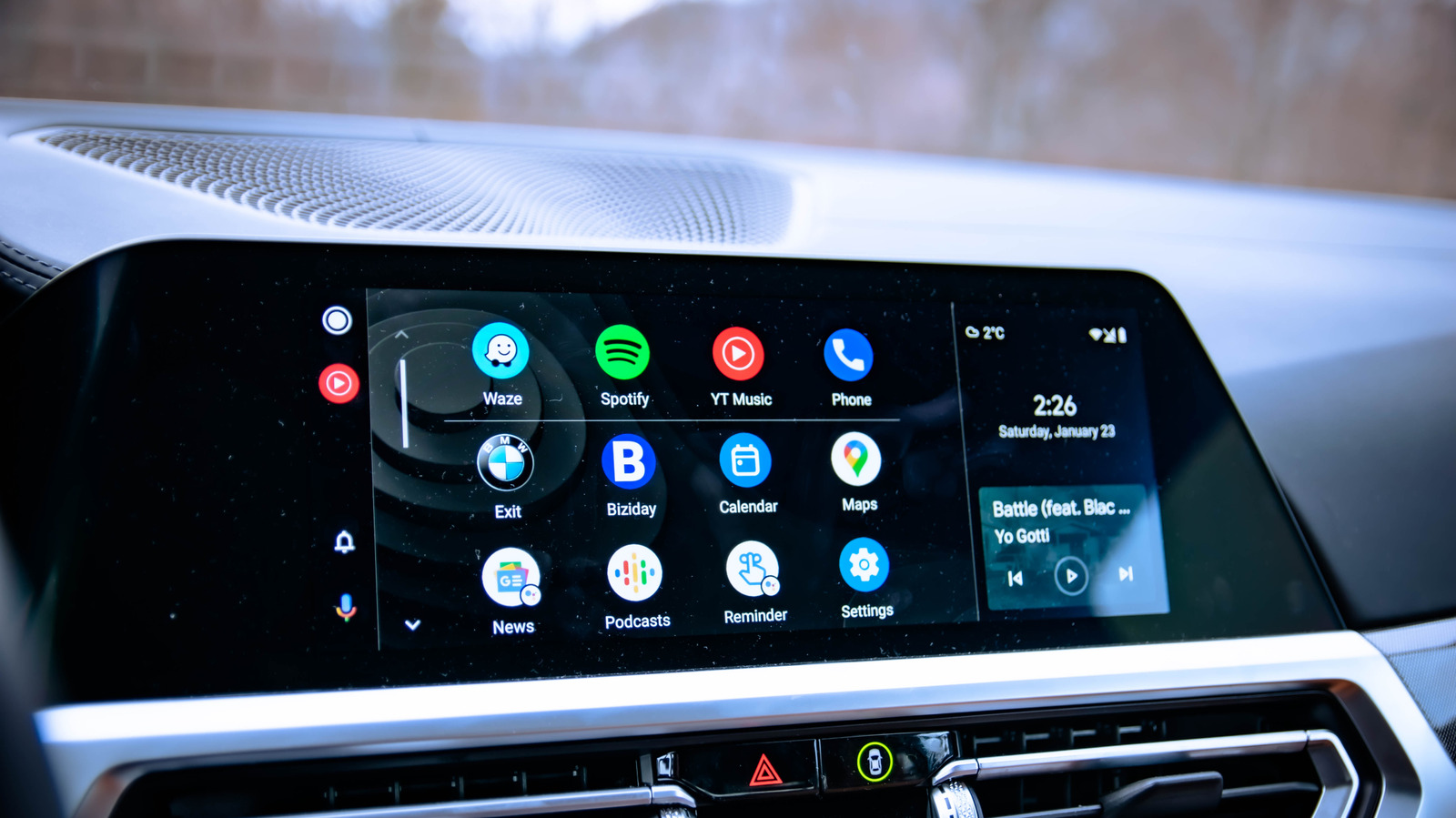
Google's Android Auto aims to transform your car's dashboard into a safe, familiar extension of your smartphone. Much like Apple's CarPlay, it mirrors essential apps like navigation, messaging, and music directly onto

Amazon is rolling out a compelling new promotion, offering a direct $150 price reduction on Google’s Pixel 11, Pixel 11 Pro, and Pixel 11 Pro XL smartphones. This substantial discount can be claimed by applying the
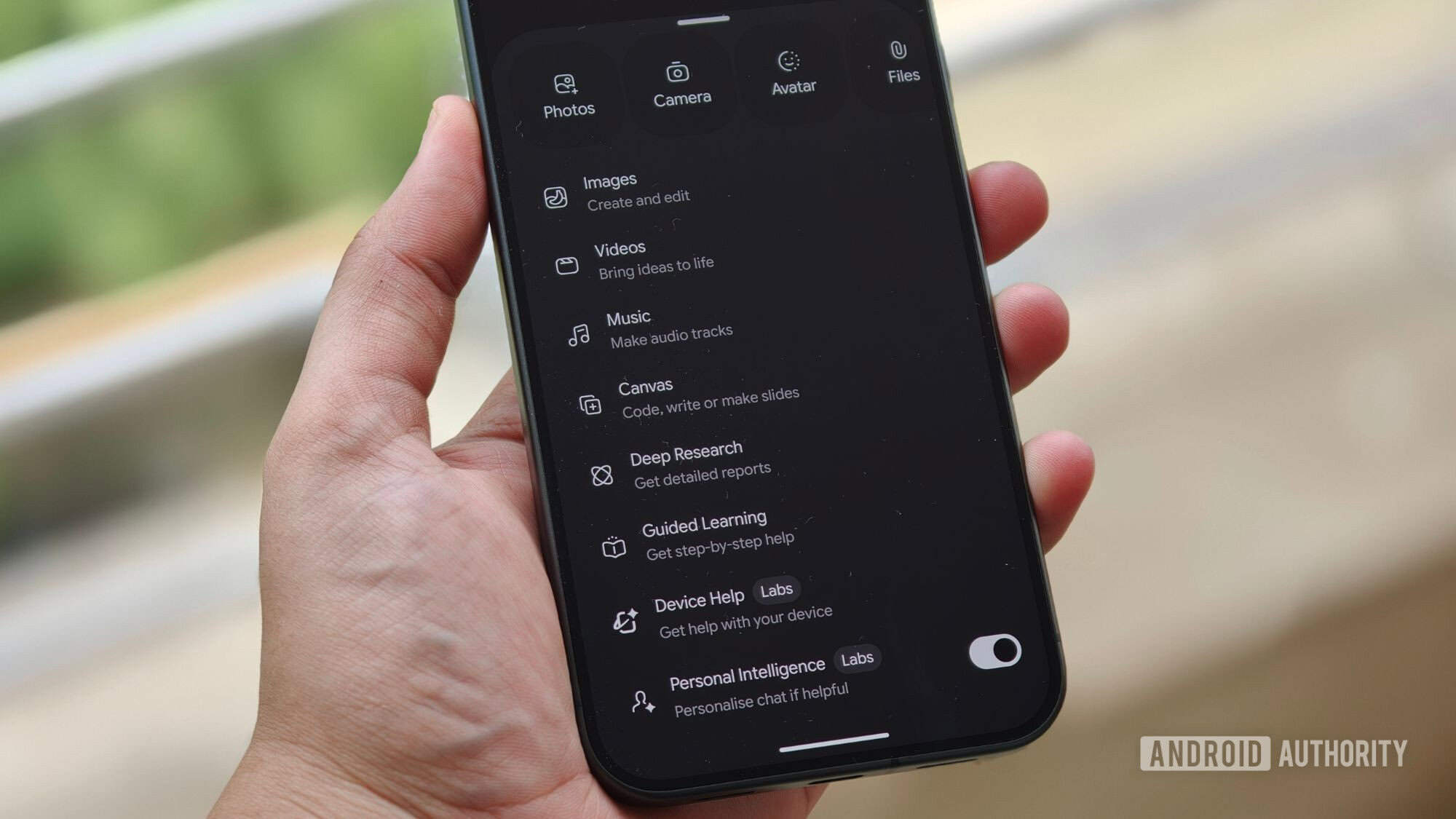
Verdict: A Glimpse of the Future, But Not Ready for Prime Time Google's new Device Help feature, integrated into the Gemini app on the Pixel 11, presents a genuinely exciting vision for smartphone troubleshooting and

Optimize your Xiaomi 17T experience using insights from a 2-month review, covering design, display, performance, battery, and camera features.

Learn how to evaluate and purchase the Samsung Galaxy A57 5G at a $100 discount, making it a compelling midrange smartphone option for everyday use and long-term value, by understanding its key features and benefits.

Apple's base iPhone 18 model will skip its traditional fall 2026 launch and instead arrive in early 2027, according to supplier Pegatron. This delay, attributed to chip shortages, means Apple will prioritize its high-end iPhone 18 Pro series and a new foldable for the autumn release. The strategic shift aligns with earlier analyst predictions amid global supply chain challenges.

Google has officially unveiled its latest flagship smartphones, the Pixel 11 and Pixel 11 Pro series, at its Made by Google 2026 event. These new devices, including the Pixel 11, Pixel 11 Pro, Pixel 11 Pro XL, and the

Verdict: A Dazzling Vision That Couldn't Be Forged Apple's rumored "all-glass iPhone" – a device that promised to push the boundaries of smartphone design with a seamless, six-sided glass enclosure – has reportedly been

In 2026, a $100 smartphone delivers essentials but requires compromises. New unlocked phones are basic, while prepaid deals offer better specs with carrier locks, and the used market provides older flagships with inherent risks.
Truemetrics, a YC-backed startup, is revolutionizing last-mile delivery by using smartphone sensor data to map precise parking and building entrance locations. They are profitable and scaling rapidly, now seeking a Founding GTM Lead in Berlin to discover new product opportunities and expand their enterprise solutions. This role offers direct impact on product strategy within a technically driven, fast-paced environment.
