6 results found

Traditional software testing patterns often falter with conversational AI due to its dynamic nature. This guide provides practical strategies for QA engineers and developers to effectively test AI agents, focusing on intent, conversational flow, robustness against hallucinations, and strategic, risk-based approaches to ensure reliable and user-friendly interactions.

ChatGPT's new Voice Mode, powered by the GPT-Live model, offers remarkably natural, full-duplex conversations. It seamlessly listens and speaks, eliminating awkward pauses and interruptions, making interactions feel more human-like and efficient.

China is moving beyond super-apps to embrace AI agents from Alibaba (Qwen) and Tencent (WeChat). These agents promise unparalleled convenience by automating complex tasks through conversational requests, but their success hinges on establishing user trust through accuracy and reliability.

InstructGPT, introduced in OpenAI's 2022 paper, revolutionized LLM development by shifting focus from raw capability to alignment. It fine-tuned GPT-3 using Reinforcement Learning from Human Feedback (RLHF) to make models more helpful, honest, and harmless. This multi-stage pipeline, involving supervised fine-tuning, reward model training, and PPO, taught LLMs to follow human instructions consistently, leading to the foundation of modern conversational AI like ChatGPT.
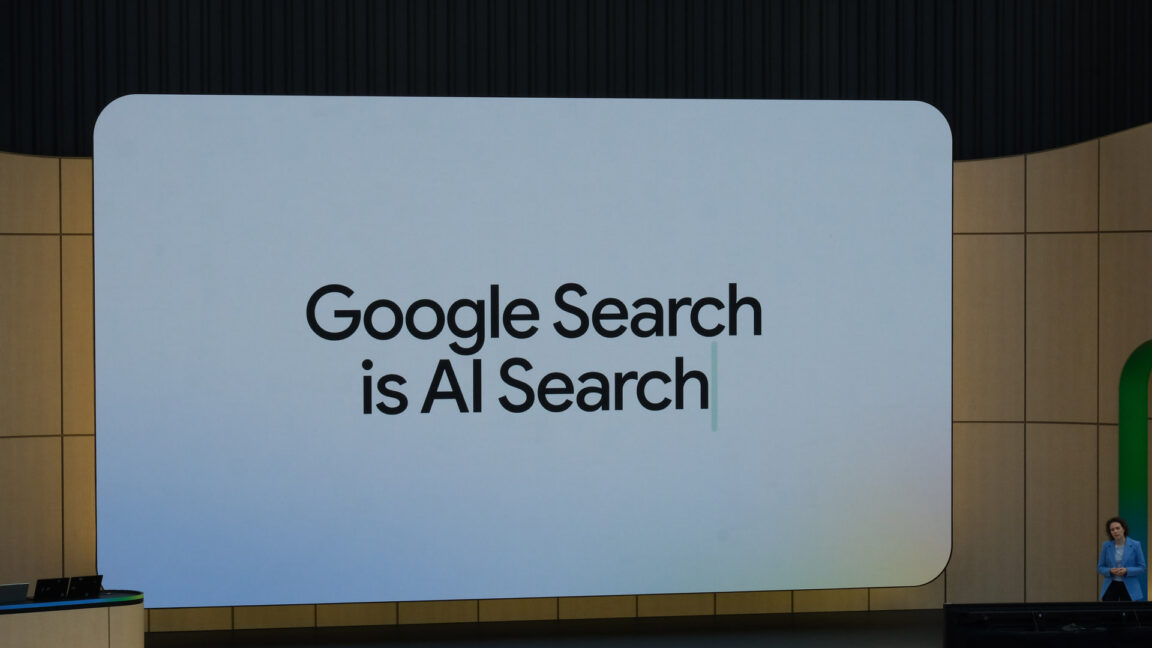
Google is transforming its search engine by 2026 with agentic AI, offering conversational AI Mode, generative UIs, and custom apps. This shift aims for efficiency but de-emphasizes traditional links, raising concerns about information diversity despite Google's market dominance.
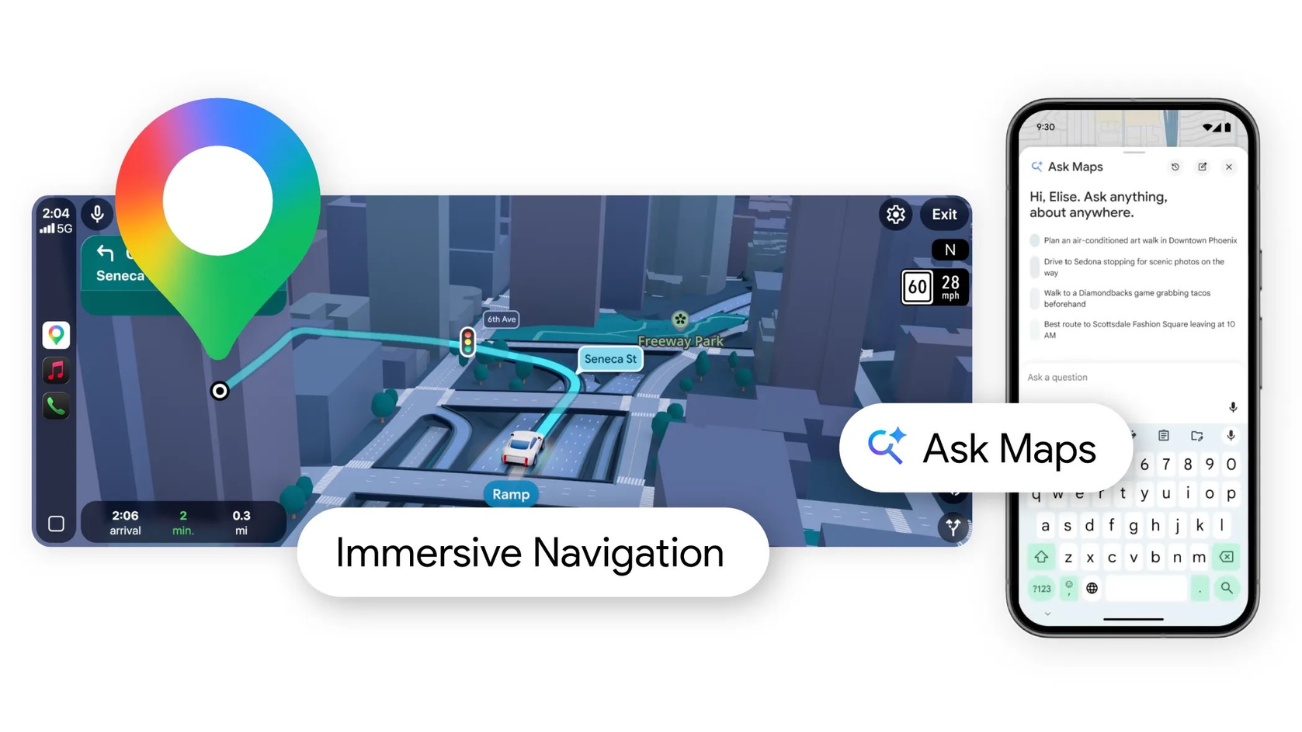
Google Maps introduces its biggest update in a decade with "Ask Maps," a Gemini-powered conversational AI feature, and "Immersive Navigation," which delivers photorealistic 3D turn-by-turn directions. This overhaul allows users to pose complex queries and experience a more visually intuitive journey, rolling out initially in the US and India.
