211 results found
React2Shell (CVE-2025-55182) was a critical RCE vulnerability in React's Flight protocol, discovered by unpicking its undocumented internal workings. It leveraged how Flight deserializes complex objects and how `await` leniently handles "thenables," ultimately allowing attackers to execute arbitrary code by manipulating React's internal promise resolution logic.

CNET critically reviews Silicon Valley's cultural cosplay at the Met Gala, labeling it a 'dangerous smokescreen' designed to mislead. Our analysis, based on the article's title, delves into this phenomenon, dissecting its superficiality and implied deceptive intent.

Kenya's AI Health Policy: A Flawed Implementation Verdict: Kenya's Social Health Authority (SHA) system, touted as an AI-powered solution to expand healthcare access and affordability, has proven to be a deeply flawed

Uber's CTO revealed a long-term plan to equip its millions of drivers' cars with sensors, transforming them into a vast data collection grid for autonomous vehicle (AV) companies. This expansion of their AV Labs program aims to address the critical data bottleneck in AV development. The strategy positions Uber as a key infrastructure provider in the self-driving sector, potentially granting it significant leverage and financial benefit.

Cult.Repo produces documentaries shedding light on the human stories behind open-source software, revealing the dedication of maintainers and the often-overlooked personal challenges they face. Their work highlights critical issues like project sustainability, fair compensation, and widespread burnout among open-source contributors. Understanding these narratives offers developers crucial insights into the health and future of the tools they depend on.

Quick Verdict Apple's latest minor update, iOS/iPadOS 26.4.2, isn't just another incremental patch; it's a critical security fix addressing a significant privacy vulnerability. This update mends a flaw that allowed for

Verdict ZDNET's deep dive into the "shadowy SIM farms" behind today's relentless scam texts is not just informative; it's essential reading for anyone with a mobile device. This article is a critical, timely resource
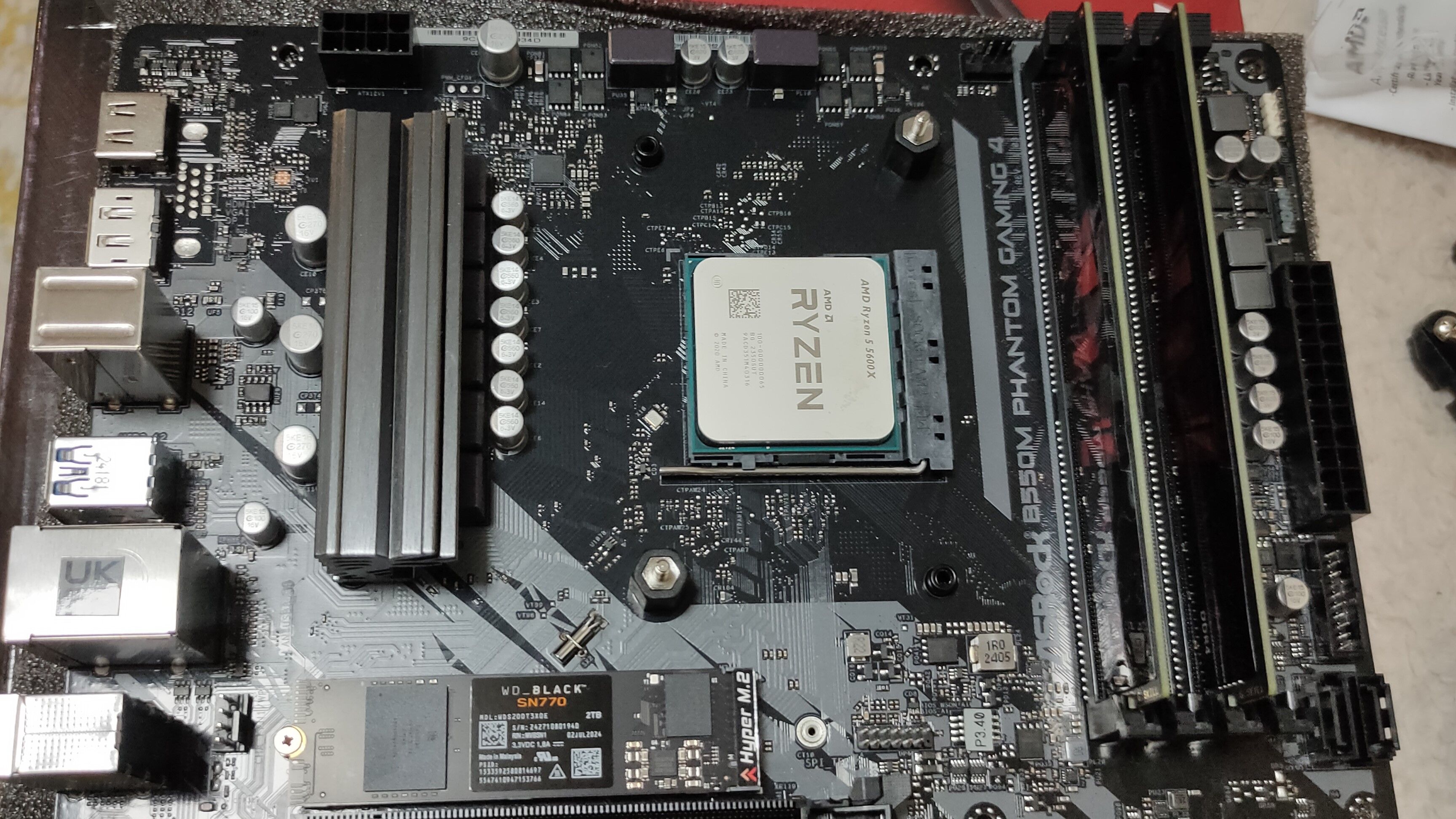
Understand BIOS/UEFI, its critical role in PC stability and compatibility, and why updates are essential for unlocking full CPU performance and faster boot times.
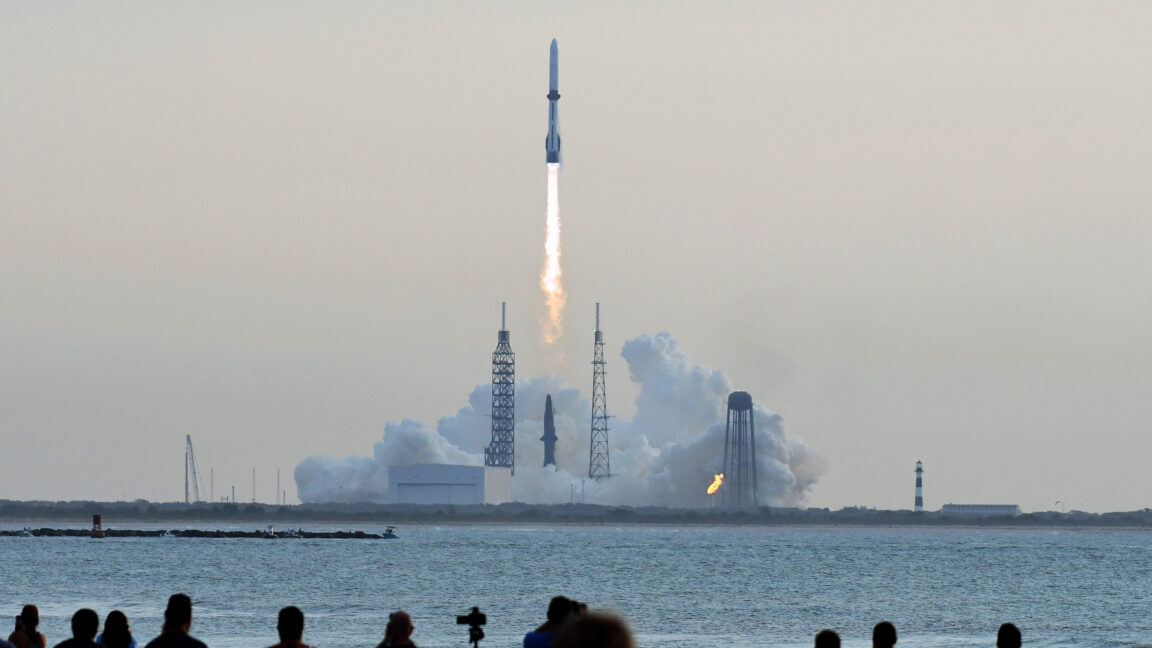
Blue Origin's third New Glenn mission marked a successful first reflight of its orbital-class booster but was marred by a critical upper stage failure, stranding its AST SpaceMobile payload. This mixed outcome impacts Blue Origin's reliability standing and crucial future missions.
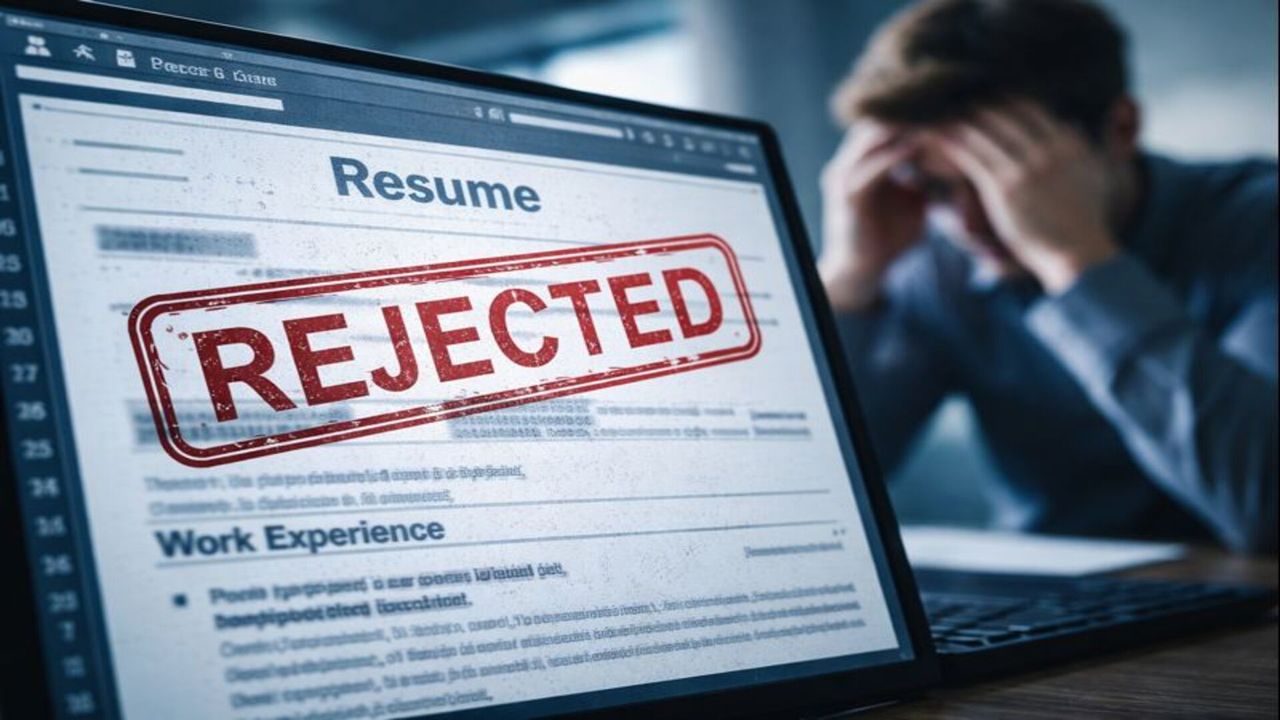
Quick Verdict This TechRadar analysis delves into a critical, often overlooked aspect of the modern job search: the pervasive filtering of resumes by AI systems before human eyes ever see them. It's an honest and

Google's Android 17 journey is nearing its destination, and the latest stop is Android 17 Beta 4. This release isn't about flashy new features; it's a critical polishing phase, setting the stage for the highly

NASA's Artemis 2 mission successfully concluded today with a triumphant splashdown in the Pacific Ocean, marking the first crewed trip around the moon since 1972. The four-astronaut crew returned after a 10-day odyssey, setting new human distance records and validating critical hardware for future lunar landings and the establishment of a permanent base.

NASA's Artemis II mission successfully concluded its historic voyage around the Moon, with the Orion module splashing down safely in the Pacific Ocean. This pivotal human-rated test flight delivered four astronauts back to Earth, validating critical systems and marking a significant step towards humanity's sustained return to the lunar surface.

This article details how to build a secure AI-powered pull request reviewer using JavaScript, Claude, and GitHub Actions. It focuses on critical security aspects like sanitizing untrusted diff input, validating probabilistic LLM output with Zod, and employing fail-closed mechanisms to ensure robustness and prevent vulnerabilities.

NASA's Artemis II mission successfully completed its historic lunar flyby on April 6th, circling the Moon's far side and setting a new human distance record. The four astronauts are now returning to Earth, marking a critical step in the program's ambitious goal of establishing a sustainable presence on the Moon and paving the way for future lunar landings.

Quick Verdict Project NOMAD stands out as an ingenious, self-contained offline information and AI platform, offering critical knowledge when internet access is unavailable. While its setup can present initial hurdles

Verdict: Essential Electrical Safety You Can't Afford to Ignore This electrician's guide on which household gadgets not to plug into extension cords isn't just helpful; it's absolutely critical for anyone looking to

OCSF, an open-source framework, is rapidly standardizing cybersecurity data across vendors, streamlining threat detection and investigation. Its adoption is critical for managing AI's increasing complexities in security operations.

NASA swiftly resolved a Microsoft Outlook glitch on Artemis II commander Reid Wiseman’s personal computing device during the mission to the Moon. Mission Control remotely accessed the Microsoft Surface Pro to reload Outlook files, a common fix, demonstrating robust deep-space IT support. This incident highlights the integration and maintenance of commercial tech in critical space endeavors.
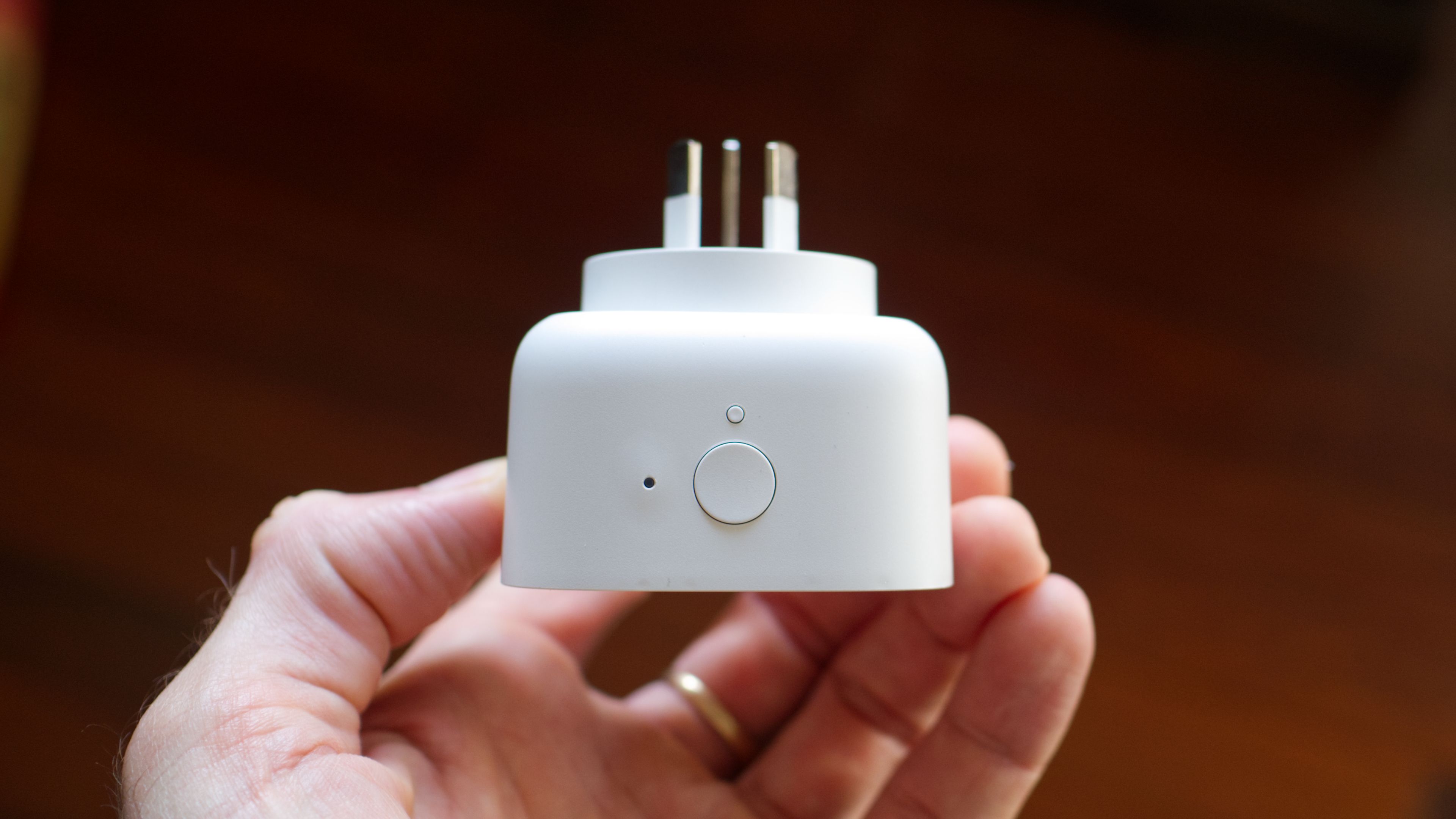
Smart plugs are fantastic for automating your home, turning ordinary devices into smart ones. However, they have a critical limitation: their power rating. Plugging the wrong device into a standard smart plug can lead

Anthropic's Claude Code AI agent source code, comprising 512,000 lines of TypeScript, was accidentally leaked, revealing critical architectural details, security validators, and unreleased features. This breach creates new attack paths and forces enterprise security leaders to take immediate actions to protect their AI-assisted development environments.

Nomadic secures $8.4 million in seed funding, valuing the AI startup at $50 million. Its platform transforms vast autonomous vehicle and robot video data into structured, searchable datasets, critical for AI training and identifying crucial edge cases.

Mantis Biotech has secured $7.4 million in seed funding to advance its platform for creating 'digital twins' of humans. These physics-based, predictive models aim to solve the critical data availability issues in biomedical research, especially for rare diseases, by generating synthetic datasets. Currently, Mantis is applying its technology in professional sports to predict athlete performance and injury, with plans to expand into preventative healthcare and pharmaceutical research.

Attorney Bill Ghiorso was fined $10,000 for submitting AI-generated fake legal citations and quotes in Oregon. This incident underscores the critical unreliability of current generative AI tools for factual accuracy and the absolute necessity for rigorous human verification in professional, high-stakes contexts.

Verdict: A Welcome Collection of Refinements (and a Much-Needed Fix) iOS 26.4 isn't about revolutionary new features, but rather a robust collection of thoughtful enhancements and critical fixes that significantly
