
Electrical Safety Guide: Don't Extend Your Risks
Verdict: Essential Electrical Safety You Can't Afford to Ignore This electrician's guide on which household gadgets not to plug into extension cords isn't just helpful; it's absolutely critical for anyone looking to

Verdict: Essential Electrical Safety You Can't Afford to Ignore
This electrician's guide on which household gadgets not to plug into extension cords isn't just helpful; it's absolutely critical for anyone looking to maintain a safe home environment. It cuts through common misconceptions, providing clear, actionable advice backed by simple electrical principles. While it highlights some inconvenient truths about appliance placement, the preventative measures outlined here are invaluable for safeguarding against fire hazards and appliance malfunctions. This isn't a recommendation to buy a product, but rather a strong endorsement to adopt these safety practices immediately. The information presented is straightforward, honest, and frankly, life-saving.
Unplugging Misconceptions: The Core Danger
Most homes rely on extension cords for convenience, bridging the gap between an appliance and a distant wall outlet. However, the expert advice from ZDNet underscores a vital distinction: not all electrical devices are created equal. Low-power "electronics" differ significantly from high-draw "appliances." While technically both are electronic, appliances demand considerably more amperage, turning a standard extension cord from a simple convenience into a serious safety risk. The core issue lies in an extension cord's maximum current-carrying capacity, which is determined by its wire gauge. A 16-gauge cord can handle up to 13 amps, while a 14-gauge cord manages up to 15 amps or 1,800 watts – the same as a typical US wall outlet. Exceeding this limit causes an overload, leading to overheating, melting insulation, exposed live wires, and potential fire.
Any appliance drawing over 1,800 watts explicitly requires a dedicated circuit and should never be connected via an extension cord.
The High-Draw Offenders: Seven Appliances to Plug Directly In
Here’s a detailed breakdown of the seven common household devices identified as posing significant risks when used with extension cords, along with their specific dangers and power requirements where available:
1. Refrigerators
While they lack heating elements and use less wattage than some kitchen counterparts, refrigerators operate continuously, drawing substantial power over time. Plugging a fridge into an extension cord, even if it doesn't immediately cause a fire, can lead to power modulation issues and ultimately, appliance malfunction. For long-term reliability and safety, a direct wall outlet is imperative.
2. Toasters or Toaster Ovens
These seemingly small kitchen staples are significant energy consumers. Toasters are known fire hazards when improperly powered, and their larger siblings, toaster ovens, draw even more, typically between 1,200 and 1,400 watts. To ensure safe operation for your breakfast and small baking needs, always use a dedicated wall outlet.
3. Air Fryers
Air fryers have become incredibly popular for their ability to crisp food efficiently. This high-heat cooking requires substantial power, with larger models consuming up to 2,000 watts. This wattage level poses a considerable fire risk, even with a 14-gauge extension cord or standard power strips. The recommendation is to place your air fryer on the countertop and plug it directly into a dedicated wall outlet only when in use, even if that means storing it away afterwards.
4. Microwaves
Another heavy-duty appliance, microwaves demand a dedicated circuit due to their high wattage. Compact models, often found in hotels or RVs, typically range from 600 to 800 watts. Standard home and workplace microwaves, however, use 800 to 1,000 watts. While many are built into cabinetry with their own dedicated circuits, homes with limited counter space should still ensure these appliances are plugged directly into a Ground Fault Circuit Interrupter (GFCI) outlet in the kitchen for maximum safety.
5. AC Units
Whether portable or window-installed, air conditioning units are massive power consumers. They consistently draw too much power for extension cords or most power strips. For instance, cooling a typical 150-square-foot bedroom requires an AC unit capable of about 6,500 BTU, equating to approximately 1,905 watts. This draw vastly exceeds safe extension cord limits and presents a significant fire hazard. Always plug AC units directly into a wall outlet.
6. Space Heaters
Space heaters are consistently cited by the Consumer Product Safety Commission (CPSC) as one of the riskiest household appliances, implicated in an average of 1,700 fires annually in the U.S., with extension cord use being a contributing factor. Producing around 5,120 BTUs per hour, their power draw is easily strong enough to melt an extension cord plug, making direct wall outlet connection non-negotiable.
7. Extension Cords (Daisy-chaining)
While not an appliance, connecting one extension cord to another (often called daisy-chaining) is a critical electrical safety violation. This practice significantly increases the risk of circuit overheating, which in turn causes the cords themselves to overheat and potentially ignite. It’s a fundamental rule of electricity distribution: never connect extension cords end-to-end.
User Experience & Practical Application
The utility of this information lies in its direct applicability to everyday household safety. The advice is presented clearly and concisely, making complex electrical concepts understandable for the average consumer. The user experience isn't about operating a gadget, but about adopting safer habits. This guide empowers homeowners to make informed decisions about their appliance connections, reducing the risk of property damage and personal injury. While adhering to these guidelines might occasionally mean repositioning an appliance or facing the minor inconvenience of a less-than-ideal setup, the peace of mind and enhanced safety far outweigh these small drawbacks.
Pros and Cons of Adopting This Advice
Pros:
- Significantly Enhances Safety: Directly addresses and mitigates serious fire hazards in the home.
- Prevents Appliance Damage: Reduces the risk of malfunction and extends the lifespan of expensive appliances like refrigerators and microwaves.
- Clear, Actionable Guidelines: Provides specific wattages and reasons for concern for common household items, making the advice easy to understand and implement.
- Empowers Consumers: Educates individuals on basic electrical safety principles, allowing them to make safer choices.
Cons:
- Potential for Inconvenience: Adhering to the advice might require appliances to be closer to wall outlets, potentially limiting placement options or requiring temporary repositioning (e.g., air fryers).
- Limited Solutions for Distant Outlets: While it clearly states what not to do, the guide doesn't offer alternative solutions for scenarios where a wall outlet simply isn't close, beyond the implicit need for professional electrical work to install new outlets or circuits.
Alternatives: Direct Outlets and Dedicated Circuits
For high-draw appliances, the only safe alternatives to extension cords are direct connection to a wall outlet or, for very high-wattage items, a dedicated electrical circuit. The source explicitly mentions power strips as being subject to the same high-wattage limitations as extension cords for these particular appliances, thus not serving as a safer alternative in these specific cases. The emphasis is always on providing the appliance with its own, direct power source capable of handling its load without risk of overload.
Verdict & Recommendation
This electrician's guidance is not merely advisory; it's a fundamental set of rules for household electrical safety. Every homeowner and renter should internalize these warnings. Prioritize direct wall outlet connections for all high-draw appliances mentioned. The slight inconvenience of adhering to these rules is a minuscule price to pay for preventing electrical fires and extending the life of your valuable appliances. Follow this advice without hesitation – it’s a critical investment in your home's safety.
FAQ
Q: What is the general rule for determining if an appliance is safe to use with an extension cord?
A: Generally, extension cords should not be used for any mechanism that draws more than 15 amps (equivalent to 1,800 watts). This capacity is typically what a standard US wall outlet and a 14-gauge extension cord can handle. Appliances exceeding this threshold should always be plugged directly into a wall outlet or, if specified, a dedicated circuit.
Q: Are power strips a safer alternative to extension cords for these high-wattage appliances?
A: No. According to the electrician's advice, power strips are subject to the same fundamental limitations as extension cords when it comes to high-draw appliances like air fryers. They can pose the same considerable fire risk if the connected appliance exceeds their current-carrying capacity. For the appliances listed, direct wall outlet connection is always the safest option.
Q: What should I do if my high-wattage appliance needs to reach an outlet that is far away?
A: The most important recommendation is not to use an extension cord or daisy-chain multiple cords. If an appliance like an AC unit or space heater cannot reach a wall outlet directly, the safest solution would involve having a qualified electrician install a new, appropriately rated outlet closer to where the appliance needs to be used, or ensure it's on a dedicated circuit as required. Prioritizing safety over convenience in such situations is crucial.
Related articles
Android 17 QPR2 Beta 7.1: The Performance Relief You've Been Waiting
Android 17 QPR2 Beta 7.1: Finally Fixing the QPR1 Performance Woes Verdict: Android 17 QPR2 Beta 7.1 is a crucial and highly anticipated software update for Google Pixel users, specifically targeting and resolving the

DJI Solo Video Setups: Smart Choices for Lone Creators
This review delves into DJI's recommended solo video setups, highlighting the Osmo Pocket 3 Creator Combo as a top pick for its integrated camera, gimbal, and mic. It also covers stabilizers like the Osmo Mobile 8 and RS 4, and the DJI Mic Mini series for enhanced audio, providing honest pros, cons, and clear buying advice.
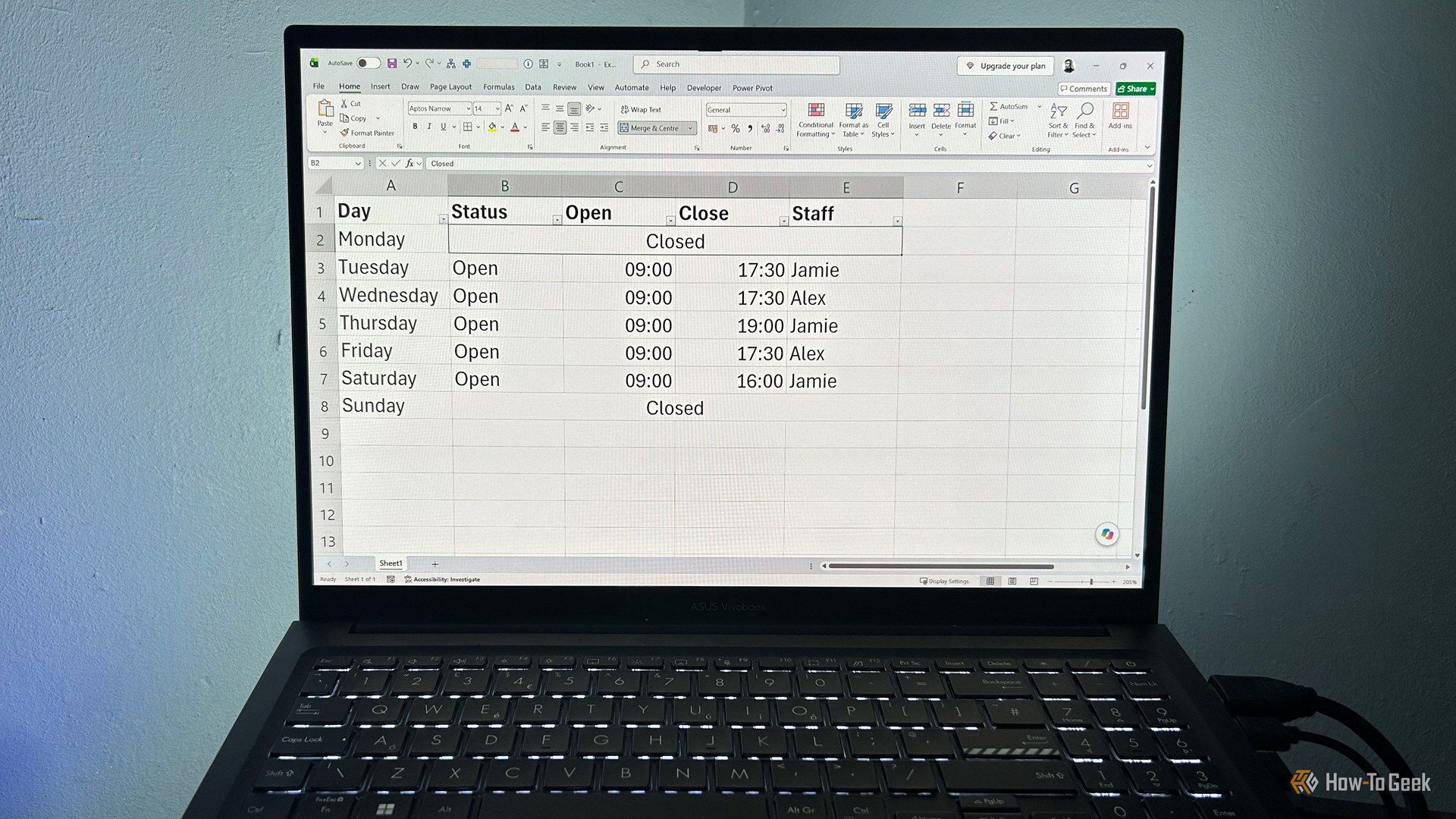
Ditch Merge & Center: The Better Way to Align Text in Excel
Learn to use Excel's "Center Across Selection" to align text across cells without merging, avoiding common data manipulation issues. This guide provides steps to utilize this newly accessible feature and add it to your Quick Access Toolbar.

Ars Technica's Rocket Report: Your Essential Space Industry Briefing
Quick Verdict Ars Technica's Rocket Report, presented by veteran space reporter Stephen Clark, offers an invaluable and meticulously organized weekly (or similar frequency, implied by "Edition 9.15") digest of the most

Apple iPhone Duo: A Daring Debut with Notable Compromises
Apple's highly anticipated iPhone Duo, priced at $2,000, has gone on pre-order. While hailed as "Apple's most exciting device in a decade" for its innovative foldable design and immersive display, it comes with significant drawbacks like the absence of FaceID and a premium camera.
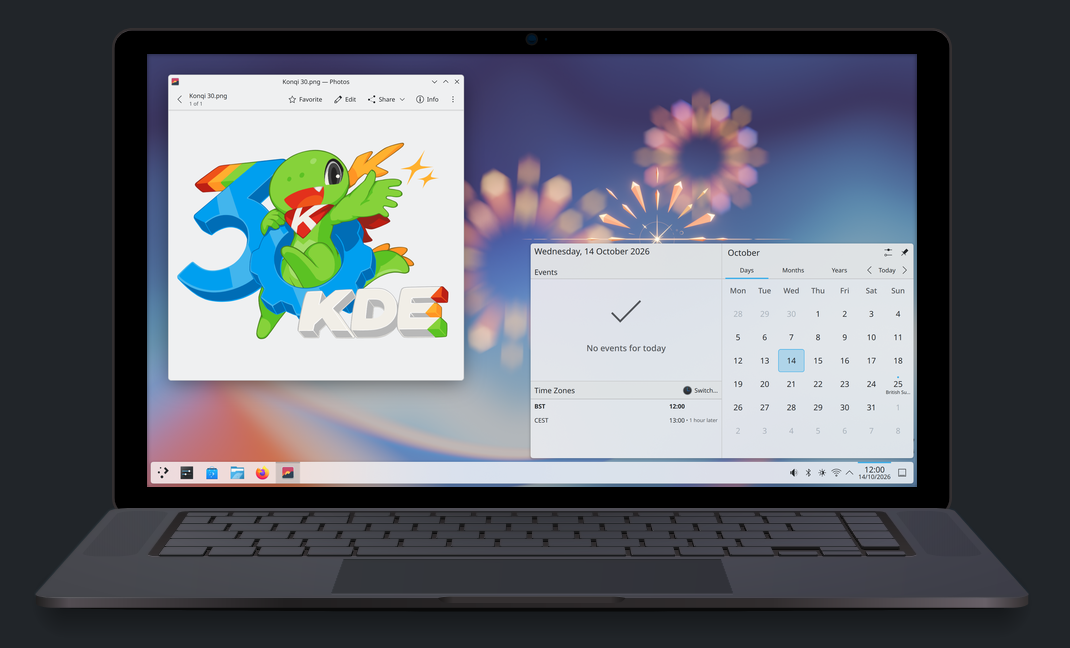
KDE Plasma 6.8: A Future-Focused 30th Anniversary Update
Quick Verdict KDE Plasma 6.8, arriving as the "30th Anniversary Edition," is a pivotal release that decisively pushes the desktop environment into the future. With a definitive farewell to native X11 sessions and a