1174 results found
The concept of 'vibe coding,' an extreme form of dogfooding where developers avoid inspecting AI-generated code, often leads to significant quality issues. A more effective approach involves actively guiding AI tools to clean up technical debt and refactor, treating them as powerful assistants under human oversight. Ultimately, maintaining high software quality, even with AI, remains a deliberate choice for developers.

NASA's Artemis II mission successfully completed its historic lunar flyby on April 6th, circling the Moon's far side and setting a new human distance record. The four astronauts are now returning to Earth, marking a critical step in the program's ambitious goal of establishing a sustainable presence on the Moon and paving the way for future lunar landings.

In a significant move to shape the burgeoning AI economy, OpenAI has unveiled a comprehensive set of policy proposals designed to navigate the economic and social shifts brought about by superintelligent machines. The

Former Tesla President Jon McNeill's new book reveals how he thrived under Elon Musk's demanding leadership. It offers an insider's guide to navigating the high-pressure environment that shaped one of the world's most valuable companies.
Mobile technology, while streamlining communication and access, has also ushered in an era of constant digital distraction. For developers familiar with context switching and notification fatigue, the impact on

Verdict: An Indispensable Weekly Tech Digest GeekWire's 'Week in Review' for March 29, 2026, serves as an excellent, concise digest for anyone looking to stay abreast of the dynamic tech landscape, particularly within

This review analyzes the current trend of young, college-dropout AI entrepreneurs receiving unprecedented VC support, including housing, personal chefs, and daily task management. While designed for hyper-focus, it raises concerns about sustainability, founder well-being, and parallels to past tech booms, warranting a cautious outlook.
Europe's tech sector saw substantial funding from March 30-April 5, led by Mistral AI's $830M debt for AI compute. The week highlighted a strategic European focus on building foundational infrastructure across AI, quantum, and deep tech, aiming for increased technological autonomy and global influence.

Compliance startup Delve has been removed from Y Combinator's portfolio amidst accusations of fake compliance, misleading clients, and data issues. This follows Insight Partners' earlier distancing. Delve's leadership attributes the claims to a malicious attack and has apologized, outlining steps to restore customer trust.

OCSF, an open-source framework, is rapidly standardizing cybersecurity data across vendors, streamlining threat detection and investigation. Its adoption is critical for managing AI's increasing complexities in security operations.

Amazon has partnered with FedEx Office, allowing customers to easily return items at over 1,500 locations nationwide. This move significantly expands Amazon's no-box, no-label return network, enhancing convenience for shoppers. The collaboration also marks a re-engagement between the two companies after their logistics split in 2019, focusing on a streamlined customer experience.

As generative AI makes distinguishing human from machine-made content increasingly difficult, creators are urgently seeking a unified "AI-free" label. Current efforts are fragmented, facing challenges in definition and verification, while blockchain offers a promising path to secure human authorship.

WIRED's 2026 guide to the best ski clothes is out, featuring top picks from brands like Patagonia and Arc’teryx. The review highlights innovative gear for comfort, safety, and performance, including helmets, jackets, bibs, mittens, and backpacks. This comes as the global ski gear market is projected to reach $2.45 billion by 2032, with a growing emphasis on technical fabrics and sustainable practices.

Nvidia CEO Jensen Huang took the stage at GTC 2026 on Monday to unveil the Agent Toolkit, an open-source platform for building autonomous AI agents, announcing a significant industry alignment with 17 major enterprise

Meta has indefinitely paused its collaboration with data vendor Mercor due to a significant security breach that could expose proprietary AI training data. The incident, confirmed by Mercor on March 31, is linked to the TeamPCP hacking group and impacts crucial information for major AI labs like OpenAI and Anthropic. This supply chain attack highlights the vulnerabilities in the AI ecosystem and the sensitive nature of data used for model development.

NASA swiftly resolved a Microsoft Outlook glitch on Artemis II commander Reid Wiseman’s personal computing device during the mission to the Moon. Mission Control remotely accessed the Microsoft Surface Pro to reload Outlook files, a common fix, demonstrating robust deep-space IT support. This incident highlights the integration and maintenance of commercial tech in critical space endeavors.
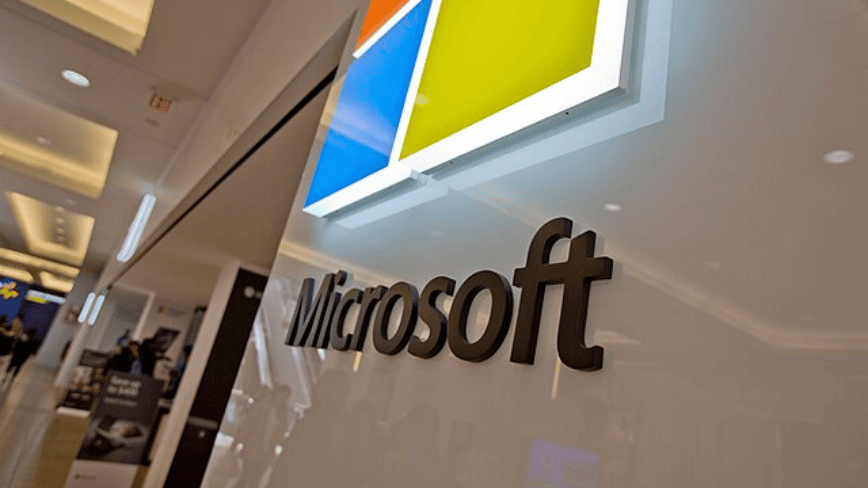
In a decisive move signaling its intent to build an AI empire independent of OpenAI, Microsoft has unveiled three proprietary AI models: MAI-Transcribe-1, MAI-Voice-1, and MAI-Image-2. Released on April 3, 2026, these

This CNET page, titled "NASA's Artemis II Is Moon-Bound: Day 3 Live Updates," offers no actual mission content. Instead, it's a vast portal to unrelated tech reviews, deals, and lifestyle articles from CNET's broader site, making it misleading for space enthusiasts.

In today's rapidly evolving software landscape, developers are constantly seeking insights into efficient learning, career growth, and adapting to new technologies. While traditional paths exist, some invaluable lessons

Gateway Capital, founded by Dana Guthrie, has completed the first close of its $25 million target Fund II, enabling immediate investment operations. The Milwaukee-based firm plans to back at least 20 Midwest-focused companies with average checks between $500,000 and $600,000, targeting sectors like supply chain, logistics, and manufacturing AI.

Anthropic researchers have found "functional emotions"—digital representations akin to human feelings—within their Claude Sonnet 4.5 AI model. These internal states, such as happiness or desperation, exist in clusters of artificial neurons and actively influence the AI's outputs and actions, including guardrail-breaking behavior. The findings necessitate a reevaluation of current AI alignment strategies, though researchers emphasize this does not imply AI consciousness.

Are you tired of juggling a dedicated e-reader for a pleasant reading experience and your smartphone for everything else? For years, devices like the Boox Palma have offered a phone-like e-ink experience, beloved by a

As software developers, we're at the forefront of technological shifts, and few have been as impactful or as perplexing as the rise of AI coding tools. Our own Stack Overflow 2025 survey revealed a fascinating paradox:

Anthropic's Claude Code AI agent source code, comprising 512,000 lines of TypeScript, was accidentally leaked, revealing critical architectural details, security validators, and unreleased features. This breach creates new attack paths and forces enterprise security leaders to take immediate actions to protect their AI-assisted development environments.
A major seven-year DARPA-funded study, SCORE, has concluded that AI cannot reliably predict whether scientific studies will replicate. This finding dampens hopes for a "scientific credit score" and highlights the enduring difficulty of validating research amidst a flood of annual publications.