88 results found
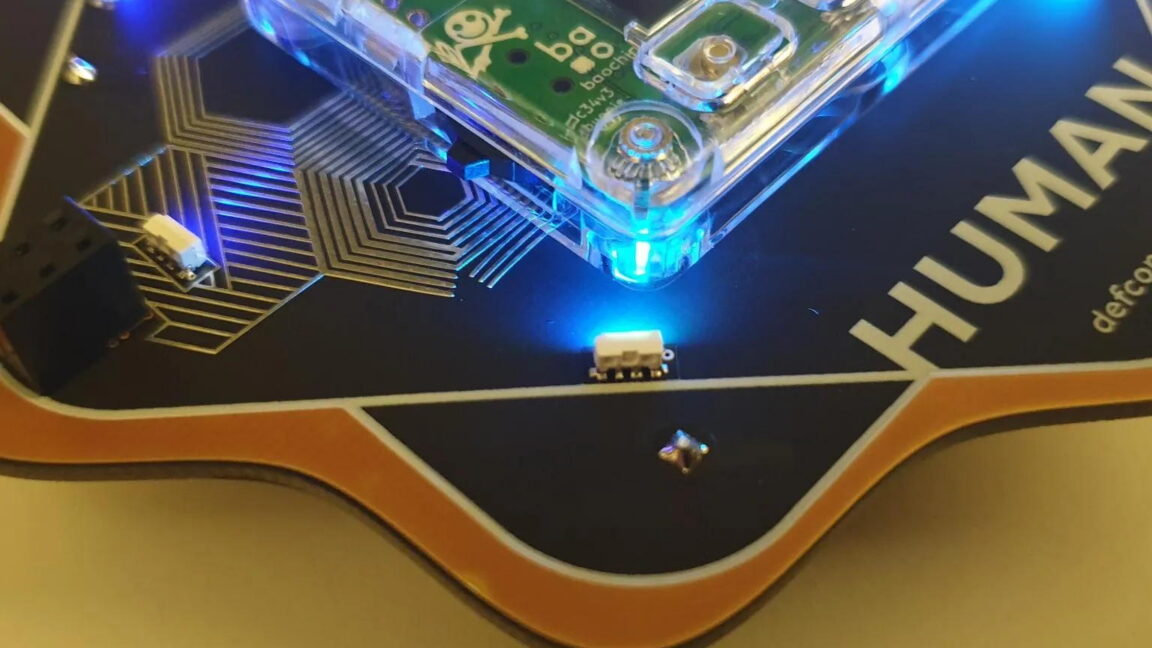
Defcon's latest badge, featuring the removable Baochip-1x, is a groundbreaking open-source hardware security key offering unprecedented transparency, robust features, and a second life beyond the conference.

Rumors suggest both Nvidia and AMD are set to raise GPU prices, driven by the AI arms race. Nvidia may hike prices by up to 30%, with AMD following at 10%, pushing consumer costs even higher. This bleak outlook means budget cards are also struggling, with the return of 4GB VRAM.

Tom's Hardware, celebrating 30 years, is a trusted source for unbiased PC hardware reviews and deep analysis. From challenging Intel to offering premium data tools, it remains an indispensable resource for enthusiasts and pros.

Roku has raised prices on its streaming hardware by up to $50 across its product line, including popular devices like the Roku Ultra and Streaming Stick. The company attributes these significant hikes to a persistent global memory component shortage, exacerbated by high demand from AI companies. This move mirrors similar price adjustments seen across the tech industry, including Apple's recent increases.

Pixel Watch 5 review: Leaked specs suggest minimal upgrades, primarily increased RAM, while reusing older CPU/GPU hardware. This raises concerns about performance, especially for future AI features, and its competitiveness against rivals like the Galaxy Watch 9.

As an experienced tech reviewer, I'm always on the lookout for Linux distributions that offer a compelling user experience, especially those that can breathe new life into older hardware. The Xfce desktop environment is

Apple has launched a significant trade secrets lawsuit against OpenAI, alleging a "pattern of misconduct" that implicates OpenAI's chief hardware officer and includes over 400 former Apple employees. Filed last Friday,

Verdict Fabien Sanglard's meticulous investigation into the '90s computer hardware and software featured in Jurassic Park delivers an unmissable dose of nostalgia and fascinating technical insight for film buffs, retro
OpenClaw Machines offers an open-source, self-hosted platform for running AI agents with enterprise-grade security and cost efficiency. It utilizes Firecracker microVMs for hardware isolation on your own Linux servers, providing full data sovereignty and predictable costs, especially at scale. The platform includes a control plane for orchestration, a Cloudflare data plane for secure access, and integrated LLM proxying.

Seattle-based startup Augmodo has successfully closed a $21 million funding round, boosting its valuation to $350 million. This significant investment is set to accelerate the company’s expansion of its spatial AI

Seattle's tech sector is seeing major shifts, with Microsoft cutting 4,800 jobs and overhauling Xbox. Amidst this, the startup scene thrives, showing a surge in hardware on the GeekWire 200. AI is rapidly transforming how founders build and operate, driving efficiency and innovation across all ventures.
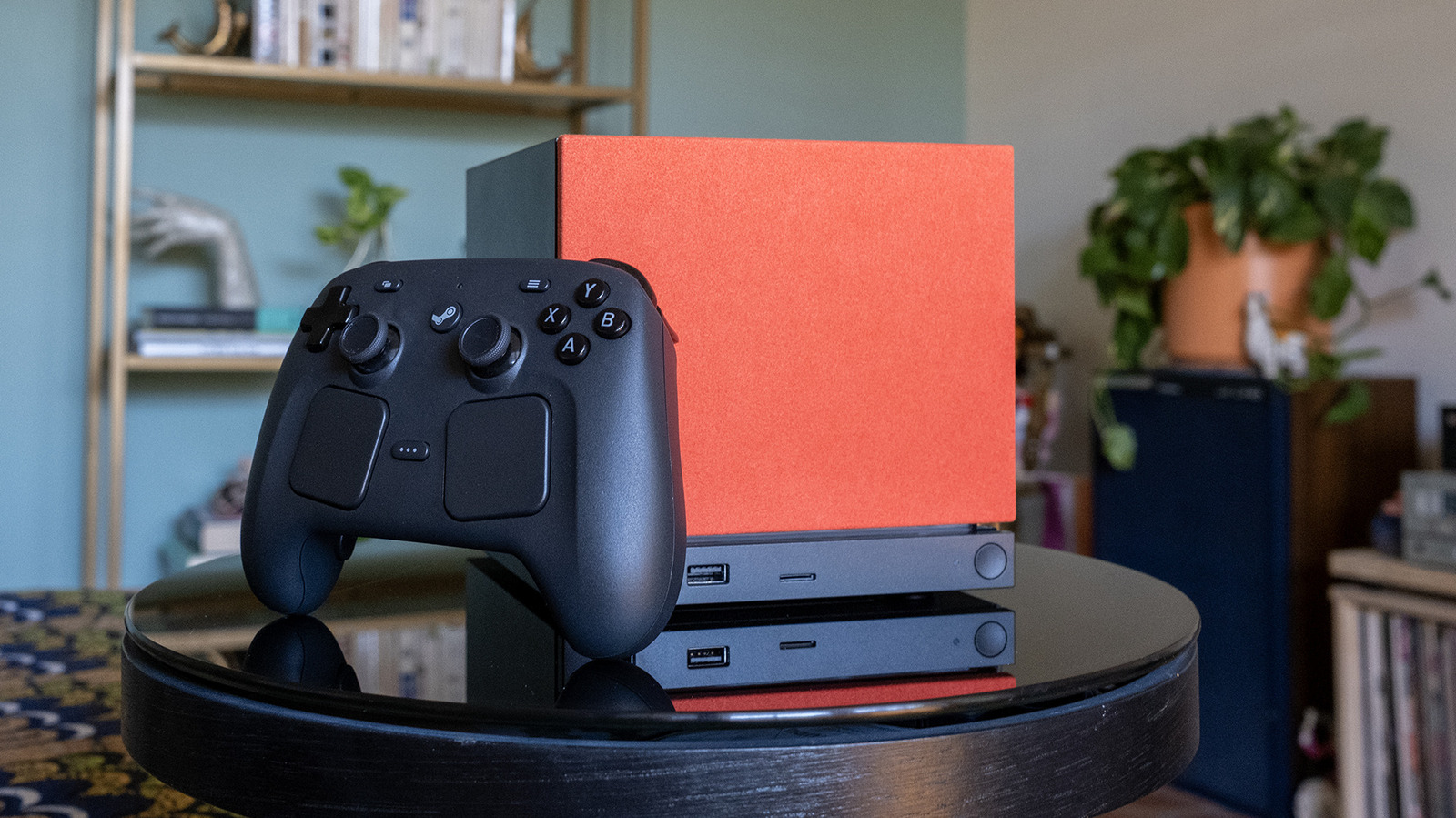
Valve Steam Machine review: A commendable concept with outdated hardware, an exorbitant price, and poor timing, struggling to compete with modern consoles and PCs.

Nintendo will cease selling all original Switch models across Europe by mid-February 2027, driven by a new EU regulation requiring user-replaceable batteries. This move impacts the Switch, Switch Lite, and Switch OLED, as well as some accessories. The upcoming Switch 2 will also see a minor redesign to comply.

Quick Verdict: Public Sentiment Reflects Deep Concern, Not a Product To be clear, the 'product' here isn't a piece of hardware or software. Instead, we're dissecting a significant public sentiment: the finding that 56%

OpenAI has officially unveiled its first piece of physical hardware: the “Codex Micro.” This dedicated macro pad is designed to enhance the workflow for developers who regularly use OpenAI’s AI coding tool, Codex. The
This article explores the reverse engineering of IBM's MCGA gate arrays, the 72X8300 Memory Controller and 72X8205 Video Formatter. It details newly discovered, previously undocumented features like genlock capabilities, various clock controls, and manufacturing test registers. These insights offer significant value for hardware enthusiasts, preservationists, and emulator developers seeking a deeper understanding of vintage IBM PC graphics hardware.

Gaming hardware prices are soaring due to an AI-driven demand for RAM and storage, leading to unprecedented supply shocks. Even tech giants like Apple and Valve are struggling with rising costs, forcing significant price increases on MacBooks and the new Steam Machine. Console prices for Xbox and potentially PlayStation are also set to climb, with tight market conditions expected to last beyond 2027.

Exciting news for smart home enthusiasts and AI aficionados! Google has officially launched preorders for its brand-new smart speaker, the Google Home Speaker, which comes with the powerful Gemini AI built right in.

Computex 2026: Practicality Over Brute Force Verdict: Computex 2026 wasn't about flashy spec bumps, but a refreshing shift towards practicality, user experience, and accessibility. The PC industry is finally maturing,

Vivo X Fold 6 Preview: A Glimpse into Foldable Productivity Verdict: The upcoming Vivo X Fold 6 is shaping up to be a compelling rival in the foldable market, not just for its hardware but for its genuinely innovative

Xbox's Matthew Ball sees rising console hardware prices as a "great opportunity" for cloud gaming, citing increased usage. While committed to consoles, Xbox is expanding access via streaming, evidenced by significant growth in cloud hours and multi-device streaming, alongside a push for exclusive titles.
As developers, we often spend countless hours interacting with our keyboards, treating them as extensions of our minds. This intimate relationship means that even minor hardware design choices can significantly impact
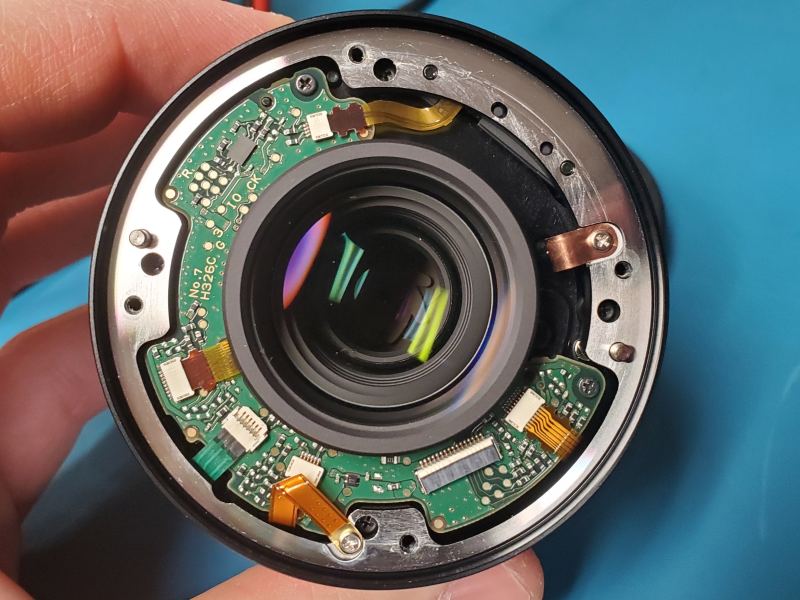
For many of us in the development world, our passion for technology often extends beyond code into the realm of hardware. One fascinating intersection is the intricate mechanics and sophisticated electronics found in

Applied Aerospace & Defense, a Huntsville-based firm, successfully raised $650 million in an IPO that was ten times oversubscribed, pricing shares at $20. The offering underscores a strong investor shift towards defense hardware and solidifies the company's $3.4 billion market valuation. Trading begins Wednesday on the NYSE under AADX.

The international AI landscape presents unique challenges and opportunities, requiring developers to think beyond traditional tech hubs. Key aspects include adapting AI models to local languages and cultures, navigating the complex global supply chain for critical hardware like semiconductors, and understanding how venture capital assesses these international ventures. Success hinges on deep local market understanding, robust technical solutions for localization, and resilience against logistical hurdles.
