
Valve Steam Machine: A Great Idea, Five Years Too Late
Valve Steam Machine review: A commendable concept with outdated hardware, an exorbitant price, and poor timing, struggling to compete with modern consoles and PCs.
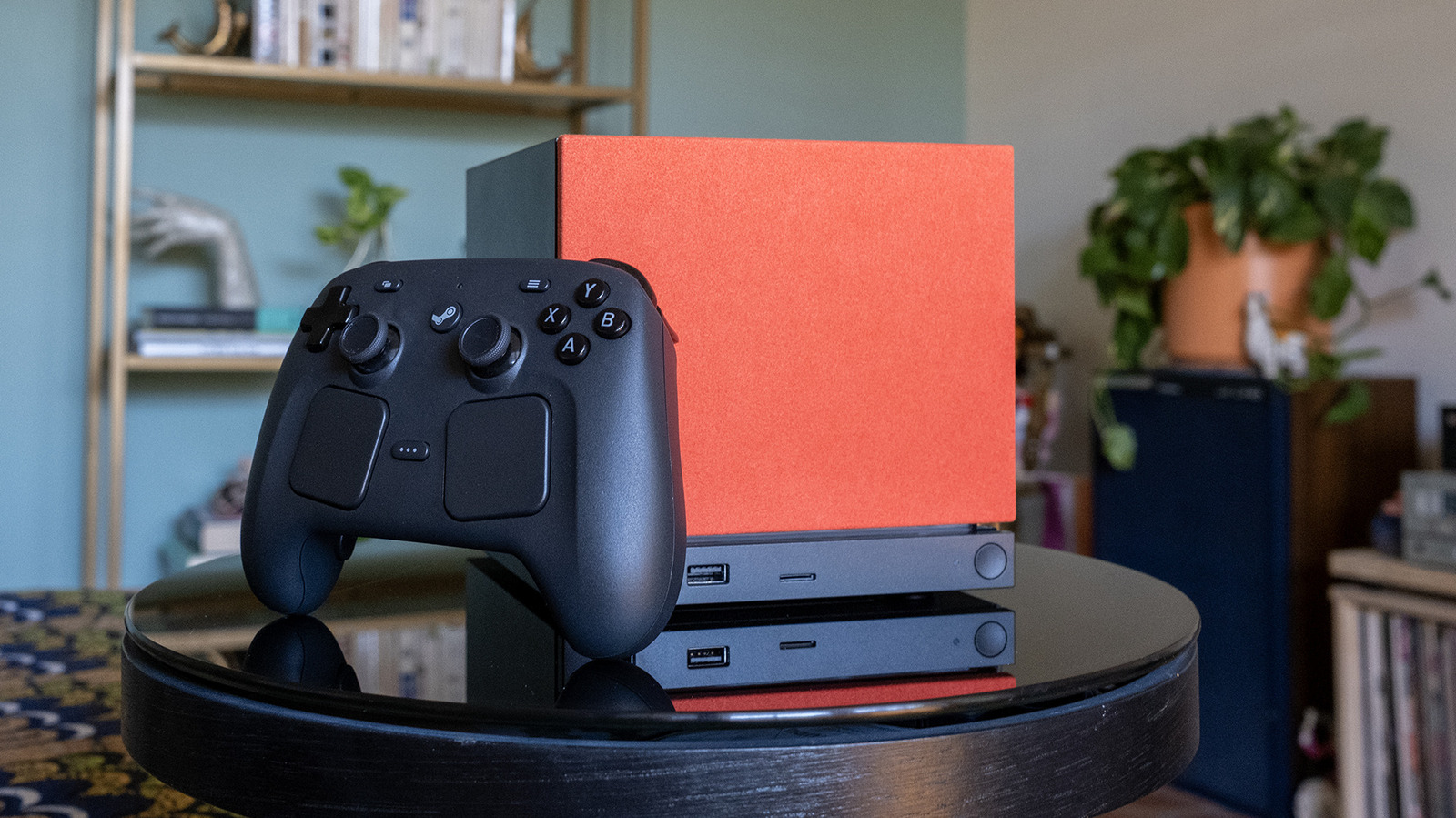
Quick Verdict: The Valve Steam Machine is a brilliant concept undermined by outdated hardware, a steep price, and poor timing. While quiet and integrating Steam seamlessly into the living room, its performance lags behind current consoles and even older PCs, making it a tough sell in 2026.
Introduction Valve’s long-anticipated Steam Machine has finally arrived, aiming to bring PC gaming to the living room with a console-like experience. After extensive testing, it's clear this $1,049 device performs more like an entry-level current-gen console or a decent gaming PC from 2021. While the core idea of a dedicated Steam-powered TV box is appealing, its execution, particularly regarding power and cost, feels unfortunately behind the curve for its 2026 launch.
Design & User Experience: Quiet Operation, Familiar Software The Steam Machine is designed to be unobtrusive, blending easily into an entertainment setup. Its standout feature is its near-silent operation; even under heavy load, the fans are practically inaudible, a significant benefit for a living room device.
Running SteamOS, the interface is intuitive, familiar to anyone who’s used Steam’s Big Picture mode. This ensures a smooth transition for accessing your PC game library on the big screen. The option to install Windows also offers flexibility for games with Linux compatibility issues or demanding anti-cheat software.
This machine provides a natural home for the distinctive Steam Controller, an excellent gamepad despite its initial learning curve. However, default controller profiles can sometimes lead to minor frustrations, like mis-mapped gyro controls needing manual tweaks for specific game menus. While customizable, these small setup hurdles detract from a truly seamless console experience.
Performance & Gaming: Lagging Behind Modern Standards Under the hood, the Steam Machine features semi-custom AMD hardware: a Zen 4 CPU (6 cores), RDNA3 GPU (28 CUs), 16GB of RAM, and 8GB of VRAM. This puts its raw processing power just shy of a PlayStation 5.
For less demanding titles like Mixtape, Forbidden Solitaire, and Balatro, the Steam Machine performs flawlessly. However, its limitations become starkly apparent with graphically intensive AAA games. Black Myth: Wukong averaged only 43 fps at native 1080p high, struggling to maintain 60 fps even with aggressive upscaling, and ray-tracing was completely unfeasible. This performance is simply not competitive with modern consoles.
Cyberpunk 2077 showed slightly better results, nearing 60 fps at 1080p ultra, achievable with minor tweaks or FSR upscaling. Yet, enabling "low" ray tracing immediately dropped framerates, only reaching 30 fps with FSR performance mode. The 8GB of VRAM and the GPU/CPU combo (akin to a 2021-era RTX 3060 and Ryzen 3600) clearly struggle with current graphical demands. As a locked system without an upgrade path, its longevity for future demanding titles is highly questionable.
Software updates from Valve have brought improvements, including boosted Wi-Fi speeds to a consistent 1Gbps, and AMD’s FSR 4 upscaling tech is imminent via Proton updates. While welcome, these software refinements cannot overcome the fundamental hardware limitations.
Pricing & Value Proposition: A Costly Compromise The Steam Machine's most significant hurdle is its price. Starting at $1,049 for the 512GB model and rising to $1,349 for the 2TB version, neither includes the Steam Controller, an additional $79 to $99 expense.
Launched in 2026 amidst high hardware prices and economic uncertainty, this pricing feels out of touch. For over $1,000, these specifications simply don't deliver a competitive PC gaming experience today.
Compared to alternatives, its value proposition crumbles. A PlayStation 5 or Xbox Series X offers superior gaming performance and advanced features for significantly less money. Even a custom-built PC today could provide far more power and future upgradeability for a comparable investment. The Steam Machine’s hardware package is years behind the curve, and its non-upgradable nature compounds the poor value.
The Niche: Who Should Buy It? Despite the appealing idea of a dedicated living room PC for Steam, the Steam Machine struggles to find its niche. For gamers already owning a powerful PC, it offers a largely downgraded experience at a substantial cost. For console gamers, it lacks the raw power and streamlined experience of a dedicated console. It doesn't fill a distinct void for most gamers.
While a significant price drop, perhaps to $600, might make it more tempting, its fixed hardware limitations would still raise long-term concerns. The concept is solid, but this execution needs considerable refinement.
Recommendation The Valve Steam Machine is a good idea let down by its exorbitant price and hardware that feels several years past its prime. Its quiet operation and intuitive SteamOS are positives, but they don't justify the cost or performance compromises. Unless you're a dedicated Valve fan with a specific, niche requirement for a non-upgradable, somewhat underpowered living room PC and are willing to pay a premium, I advise waiting. Better value and performance can be found in existing consoles or more flexible PC setups.
FAQ
Q: Is the Steam Machine a viable alternative to a PlayStation 5 or Xbox Series X?
A: No, the Steam Machine generally falls short of current-generation consoles like the PS5 or Xbox Series X in raw gaming performance and advanced features such as ray tracing. It's also significantly more expensive.
Q: Can I upgrade the hardware in the Steam Machine?
A: No, the Steam Machine is a closed system. Its internal components, including the GPU, CPU, and VRAM, are not user-upgradable, which limits its lifespan for playing future demanding games.
Q: What type of gamer would benefit most from the Steam Machine?
A: The Steam Machine might appeal to a niche audience primarily playing less demanding indie titles from their Steam library who desire a quiet, console-like living room device, provided they can overlook the high cost and performance limitations for AAA games.
Related articles
Android 17 QPR2 Beta 7.1: The Performance Relief You've Been Waiting
Android 17 QPR2 Beta 7.1: Finally Fixing the QPR1 Performance Woes Verdict: Android 17 QPR2 Beta 7.1 is a crucial and highly anticipated software update for Google Pixel users, specifically targeting and resolving the

DJI Solo Video Setups: Smart Choices for Lone Creators
This review delves into DJI's recommended solo video setups, highlighting the Osmo Pocket 3 Creator Combo as a top pick for its integrated camera, gimbal, and mic. It also covers stabilizers like the Osmo Mobile 8 and RS 4, and the DJI Mic Mini series for enhanced audio, providing honest pros, cons, and clear buying advice.

Ars Technica's Rocket Report: Your Essential Space Industry Briefing
Quick Verdict Ars Technica's Rocket Report, presented by veteran space reporter Stephen Clark, offers an invaluable and meticulously organized weekly (or similar frequency, implied by "Edition 9.15") digest of the most

Apple iPhone Duo: A Daring Debut with Notable Compromises
Apple's highly anticipated iPhone Duo, priced at $2,000, has gone on pre-order. While hailed as "Apple's most exciting device in a decade" for its innovative foldable design and immersive display, it comes with significant drawbacks like the absence of FaceID and a premium camera.
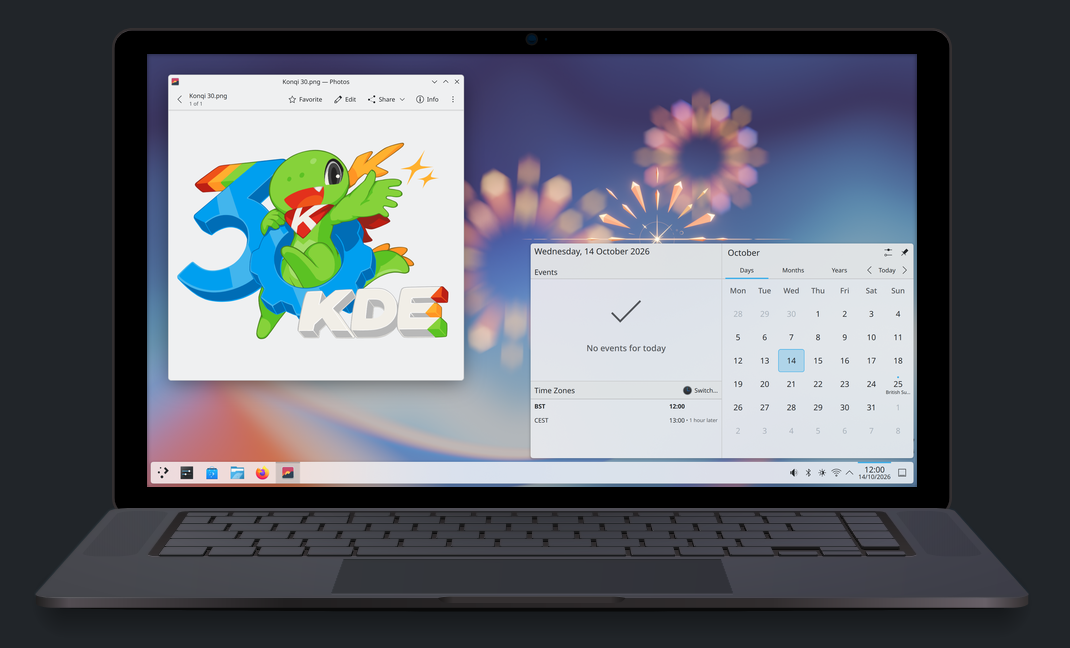
KDE Plasma 6.8: A Future-Focused 30th Anniversary Update
Quick Verdict KDE Plasma 6.8, arriving as the "30th Anniversary Edition," is a pivotal release that decisively pushes the desktop environment into the future. With a definitive farewell to native X11 sessions and a
Galaxy Watch One UI 9 Beta: Promising Progress, But Patience Needed
Galaxy Watch 8, Watch Ultra, and Watch 7 are receiving a new One UI 9 Watch beta build with bug fixes and a security patch. Active development signals progress, but a stable release date remains elusive.