
Computex 2026: A Practical Turn for PC Hardware
Computex 2026: Practicality Over Brute Force Verdict: Computex 2026 wasn't about flashy spec bumps, but a refreshing shift towards practicality, user experience, and accessibility. The PC industry is finally maturing,

Computex 2026: Practicality Over Brute Force
Verdict: Computex 2026 wasn't about flashy spec bumps, but a refreshing shift towards practicality, user experience, and accessibility. The PC industry is finally maturing, focusing on efficiency, useful AI, and thoughtful upgrades, making it an exciting time for consumers.
Every year, Computex brings a wave of new hardware, promising more power, speed, and innovation. While Computex 2026 certainly delivered on cutting-edge technology, what truly stood out was a significant philosophical shift. Instead of a relentless pursuit of raw numbers, manufacturers showcased a clear focus on solving real-world user problems. After days immersed in the exhibits, it's evident that the industry is moving towards more refined, efficient, and user-centric designs. This year’s trends suggest a future where PCs are not just faster, but genuinely better to live with.
The MacBook Neo Effect: Premium Goes Mainstream
Apple's MacBook Neo undeniably rattled the PC market, demonstrating that a premium, thin, silent, and performant laptop doesn’t need a prohibitive price tag. This influence was palpable at Computex 2026. Laptops like the refreshed Dell XPS 13 (2026) and Acer Swift 14 AI are now prioritizing sleek designs, all-day battery life, superior thermals, and integrated NPUs for hardware-accelerated AI. The goal is to make these high-quality experiences more accessible, moving them beyond the luxury segment. Intel's Project Firefly, aiming for ultra-lightweight AI PCs focused on day-to-day efficiency, perfectly encapsulates this new direction. As a reviewer, this shift from chasing pure horsepower to balancing performance with portability, acoustics, and affordability is a welcome change. Who wants to lug around a giant power brick anymore?
AI Is Finally Becoming Useful
AI was, predictably, the buzzword of Computex 2026, but this year it felt different. The focus moved beyond abstract concepts to tangible, workflow-enhancing applications. NVIDIA’s RTX Spark platform, powered by the flagship N1X superchip (a 20-core Grace CPU co-developed with MediaTek), was a prime example. This ARM-based system is engineered for local AI workloads, reducing reliance on cloud servers. Witnessing Adobe Photoshop generating assets from simple commands or Premiere Pro performing instant scene detection and one-click rotoscoping was genuinely impressive. This demonstrated a critical turning point: hardware manufacturers and software developers are collaborating to embed AI directly into creative and productivity tools. AI is now positioned as an always-available assistant, designed to autonomously handle repetitive tasks in the background, freeing users for more meaningful work, rather than just being another chatbot.
ARM Takes the Fight to x86
For years, ARM-powered Windows devices felt like experiments. Computex 2026 signaled the end of that era. Qualcomm pushed its Snapdragon C platform for affordable AI PCs, combining excellent battery life with local AI. More significantly, NVIDIA’s RTX Spark redefined ARM’s potential. Far from a low-power alternative, RTX Spark showcased ARM as a scalable foundation for an entire AI ecosystem. Featuring a 20-core Grace CPU, Blackwell RTX graphics, and up to 128GB of unified memory, this architecture extends from thin laptops to powerful DGX systems for enterprise AI. Gaming on these ARM systems also impressed, with technologies like DLSS 4.5 Ray Reconstruction, Microsoft’s Prism compatibility layer, and enhanced anti-cheat support. While x86 won't disappear overnight, ARM now stands as a formidable competitor, offering a scalable, efficient platform from ultraportables to workstations.
Current Generation Hardware Isn’t Going Anywhere
In an unexpected but highly consumer-friendly move, manufacturers also committed to existing platforms. AMD pledged continued support for the AM5 desktop socket through at least 2029, offering PC enthusiasts a longer, more stable upgrade path. The introduction of the AMD Radeon RX 9070 GRE for mainstream graphics further solidified the message that current architectures still have room for meaningful evolution. Beyond core components, companies like Noctua introduced innovations like the NT-CP1 carbon nanotube thermal pad, a maintenance-free alternative to thermal paste, and acoustically engineered AIO liquid coolers. This trend of refining existing designs for better efficiency and longevity, rather than forcing immediate upgrades, is a welcome relief given the rising cost of PC components. It’s about making what you own better, not just newer.
Gaming Monitors Are Growing Up
The gaming monitor market has often been a numbers game: more hertz, more brightness, more HDR. Computex 2026 showed a refreshing maturity, focusing on versatility and user experience. Displays like the Alienware AW3926QW, a 39-inch 5K OLED with RGB-stripe Tandem OLED tech, allow seamless switching between 5K/165Hz for creative work and 1080p/330Hz for gaming, with improved brightness and text clarity. MSI’s MPG OLED 322URDX36 triple-mode monitor dynamically scales resolution profiles based on game genre. Even esports monitors evolved, with ASUS ROG Strix OLED XG259QWPG Ace pushing 540Hz refresh rates with TrueBlack Glossy Tandem WOLED quality. Hybrid displays like the Acer Nitro XV345CKR P combine 5K WUHD Mini-LED with Dynamic Frequency and Resolution (DFR) modes, appealing to both creators and gamers. The era of needing separate displays for work and play may soon be a thing of the past.
Handheld Gaming PCs Are Finally Growing Up
Once ambitious but often compromised, handheld gaming PCs have reached a new level of maturity. The Intel Arc G3 Extreme processor, built on the Panther Lake architecture and Intel 18A process, was a major announcement. With a 14-core CPU and 12 next-gen Xe3 Celestial graphics cores (including hardware ray tracing and XeSS 3 with Multi Frame Generation), Intel is now a serious contender against AMD in the premium handheld space. New devices like the MSI Claw 8 EX AI+, Acer Predator Atlas 8, and ASUS ROG Xbox Ally X20 (20th Anniversary Edition) showcase significant advancements: better ergonomics, smarter cooling (Acer's metal AeroBlade fans), massive 80Wh batteries, and refined Windows 11 Xbox Mode software. This shift means manufacturers are no longer just proving viability but actively competing to deliver the best possible portable gaming experience. For long-time handheld users, this is arguably the most exciting development.
Pros and Cons of the Computex 2026 Trends
Pros:
- Enhanced Practicality: Focus on real-world usage over raw, often unnecessary, spec bumps.
- Accessible Premium: High-end features and designs becoming available at more mainstream price points (e.g., MacBook Neo effect).
- Meaningful AI Integration: AI moving beyond buzzwords into genuinely useful, workflow-automating tools.
- ARM as a Scalable Contender: ARM shifting from a niche alternative to a powerful, versatile platform for diverse computing needs, including gaming and professional workloads.
- Longer Upgrade Cycles: Commitment to existing platforms like AM5 and refinement of current-gen hardware promote longevity and cost savings for consumers.
- Versatile Displays: Gaming monitors evolving into multi-purpose powerhouses, reducing the need for multiple screens.
- Mature Handheld Gaming: Handheld PCs are now genuinely competitive and refined, offering a compelling console-like experience on the go.
Cons:
- Potential for Feature Overload: While AI is becoming useful, there's always a risk of unnecessary features bloating systems.
- ARM Transition Challenges: Despite advancements, widespread software compatibility and developer adoption for ARM might still have hurdles, especially outside of specific creative apps.
- Cost of Cutting-Edge: While some trends promote affordability, the very top-tier innovations (e.g., advanced OLED monitors, high-end handhelds) will likely remain premium purchases.
- Slow Rollout: Many of these advancements will take time to fully integrate into the market and become widely available or affordable.
Buying Recommendation
Computex 2026 paints a very optimistic picture for PC consumers. If you’re considering a new PC, monitor, or handheld gaming device, waiting slightly longer to see these trends fully manifest in consumer products could be beneficial. The emphasis on efficiency, useful AI, and improved user experience means the next generation of hardware will likely offer more tangible benefits for your money. For those with current-gen hardware, the commitment to longer platform support and refinement means you won't feel pressured to upgrade immediately. This show indicates a healthier, more balanced approach from manufacturers, which ultimately benefits us all.
FAQ
Q: Should I wait for the new AI PCs based on these Computex 2026 trends, or buy now? A: If your current PC meets your needs, waiting could be beneficial. The new AI PCs highlighted at Computex 2026, especially those with dedicated NPUs and NVIDIA RTX Spark, promise genuinely useful AI integration into creative and productivity workflows. This could offer a significant user experience upgrade that current systems might not provide. However, if your current machine is struggling, you'll still find strong options available today.
Q: Are ARM-based Windows laptops finally good enough for mainstream users? A: Computex 2026 strongly suggests that ARM is rapidly maturing beyond an experimental phase. Platforms like Qualcomm Snapdragon C and NVIDIA RTX Spark are showcasing impressive battery life, dedicated AI capabilities, and even polished gaming performance. For many mainstream users prioritizing portability, efficiency, and quiet operation, these new ARM laptops appear to be a compelling option, especially if key applications are well-optimized for ARM or run smoothly via compatibility layers.
Q: Will the focus on refining current hardware make PC upgrades less frequent and more affordable? A: The trends observed at Computex 2026, particularly AMD's commitment to AM5 and the focus on optimizing existing GPU architectures and cooling solutions, indicate a push towards more consumer-friendly upgrade paths and longer component lifespans. This suggests that future upgrades might be less about replacing entire systems and more about strategic component swaps, potentially making the PC ecosystem more sustainable and cost-effective in the long run.
Related articles

Street Fighter Popcorn Bucket: A Gloriously Goofy Collectible
Quick Verdict In an era where cinema experience accessories are becoming increasingly elaborate, the Street Fighter movie popcorn bucket stands out. Shaped like Guile's iconic, gravity-defying flattop hairstyle, this

Intel Arc 140T DLSS 5 Port: A Glimpse into AI-Powered Potential
An AI developer successfully ported DLSS 5 Neural Rendering to Intel Arc 140T integrated graphics, achieving 360p at 10.5 FPS. This technical marvel, aided by AI coding, is a groundbreaking proof-of-concept, but currently impractical for real-time gaming due to severe performance limitations and varied visual results based on game art style.
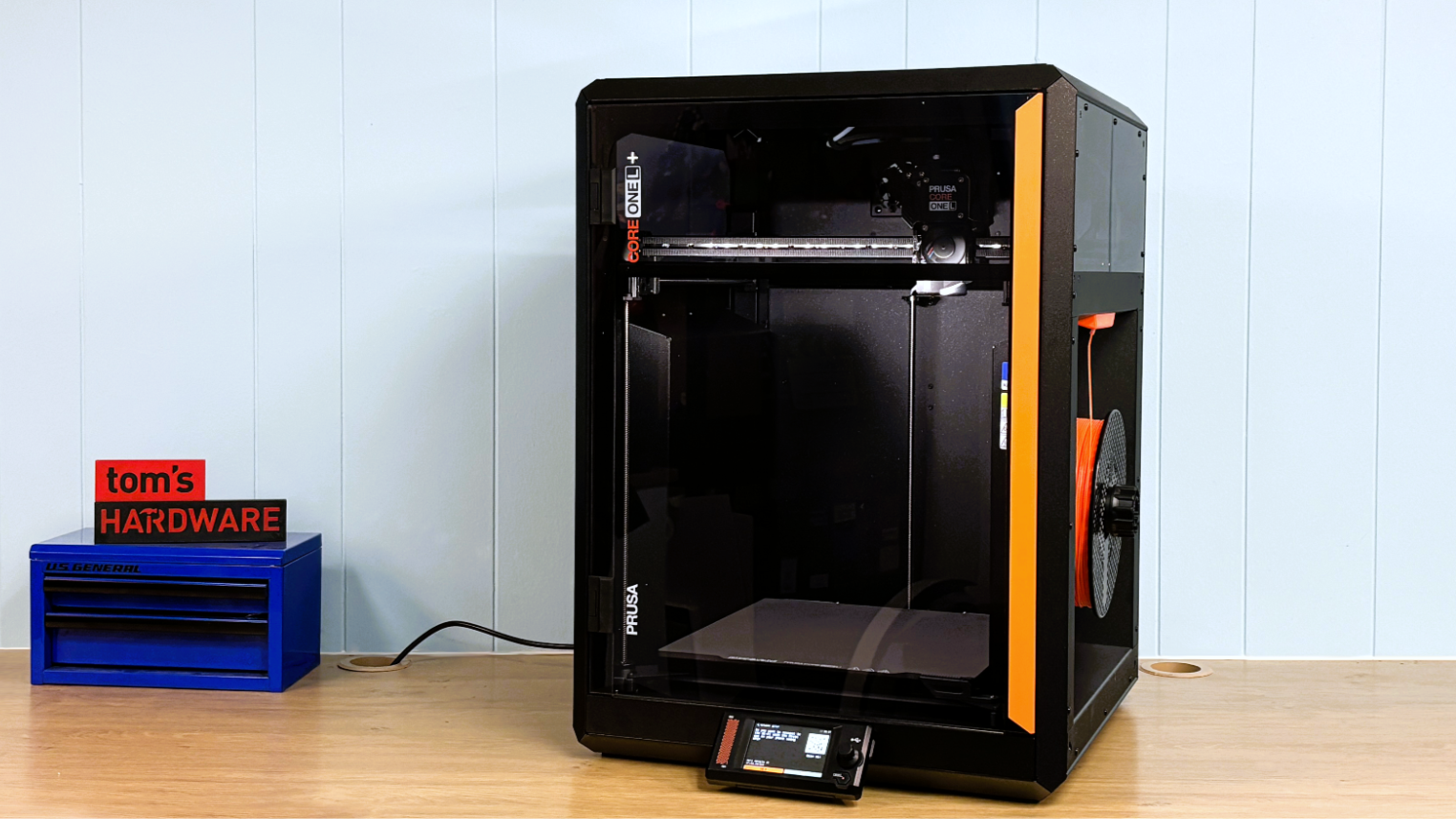
Prusa CORE One L+ Review: More Precise, Minor but Meaningful Upgrade
Tom's Hardware Verdict The Prusa CORE One L+ introduces small but impactful refinements to an already stellar 3D printer. The addition of a new nozzle wiper and enhanced GT1.5 belts boosts print quality and operational

Anthropic Bio Lab: Ambition Meets Uncertainty
Anthropic's Leap into the Physical: A New Era for AI in Biology Verdict: Anthropic's establishment of a physical bio research lab marks a pivotal, albeit opaque, moment for AI's expansion into tangible scientific

CNET's NYT Connections: Sports Edition Hints & Answers (Sept. 18)
CNET's NYT Connections: Sports Edition Hints & Answers (Sept. 18) Review: A Clear Victory Quick Verdict: CNET's daily guide for the NYT Connections: Sports Edition puzzle offers a clear, well-structured, and invaluable

Community Fibre 8.5Gbps: UK's Fastest, But Pricey Fibre
Quick Verdict Community Fibre has just launched the UK's fastest residential internet connection, boasting an incredible 8.5Gbps (8,200Mbps) symmetrical full fibre service. It's a technical marvel, delivering speeds