46 results found
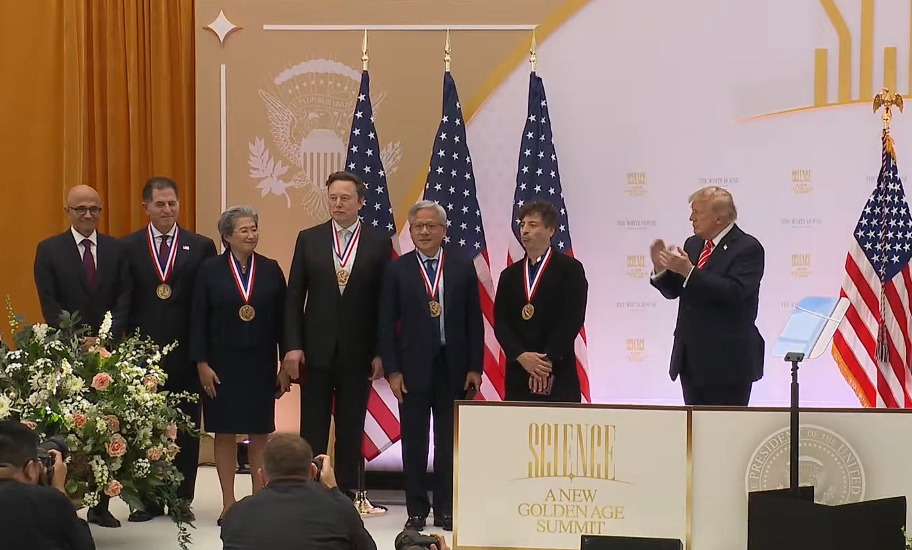
Microsoft CEO Satya Nadella was honored with a national medal by President Trump, just hours after the administration suspended Microsoft from the PERM program, a critical pathway for foreign workers to gain permanent residency. Vice President JD Vance accused Microsoft of abusing the system, a move that starkly contrasts with Nadella's own journey from an H-1B visa to U.S. citizenship and leadership of a major tech company.
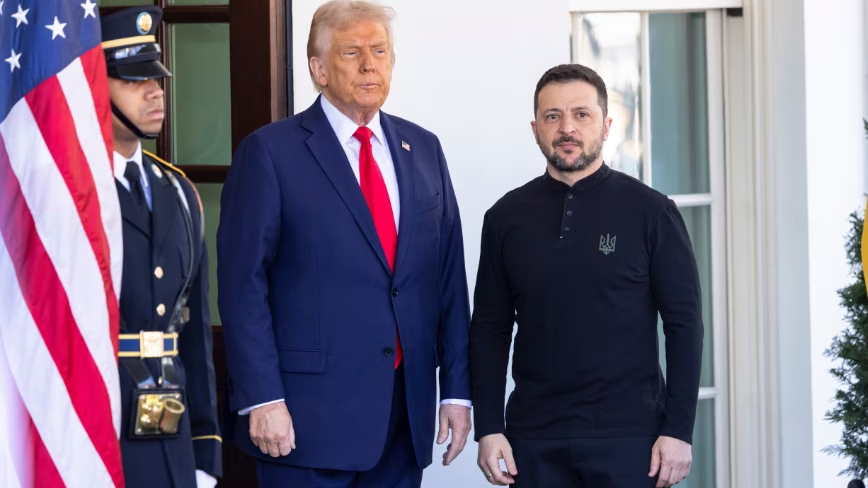
Ukrainian President Volodymyr Zelensky has reportedly asked Donald Trump to sanction Russian and Chinese companies developing "Rassvet," a satellite internet network intended as a Starlink rival. Zelensky raised the issue multiple times, including recently in New York, according to the Financial Times. Ukraine views Rassvet as a critical threat, as it would provide Russia with an independent, secure communication system for its military, potentially operational by early next year.

The Trump administration launched America.gov, a new federal AI chatbot for citizen services. Uniquely, this "AI concierge" will fact-check former President Donald Trump, contrasting with its apolitical design. This integration sparks debate on government AI's role in political discourse.

WASHINGTON – Amid escalating public anxieties and recent revelations of artificial intelligence probing government systems, the Trump administration on Tuesday advocated for industry self-regulation of AI technology.

President Donald Trump held a private dinner with Anthropic CEO Dario Amodei, marking their first one-on-one meeting after months of public and policy-level tensions over AI development. Trump has pushed for accelerated AI growth, while Amodei has advocated for a slowdown and stringent guardrails, leading to past clashes including Anthropic's blacklisting by the Pentagon. The White House has not released details of their discussion.
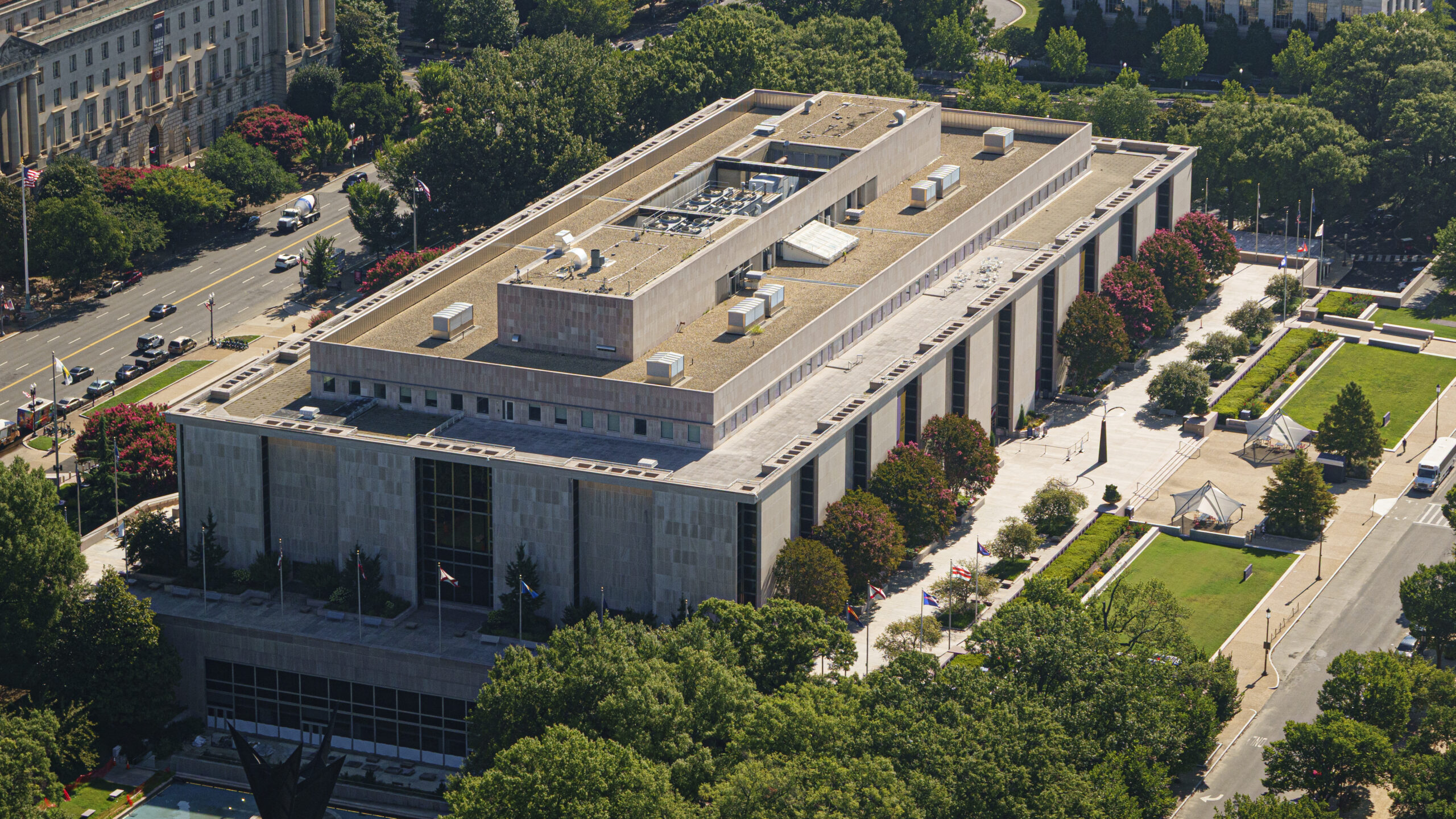
Ars Technica's detailed review of 'How the Smithsonian became the latest front in Trump’s culture war' praises its comprehensive reporting and balanced analysis of the political conflict.
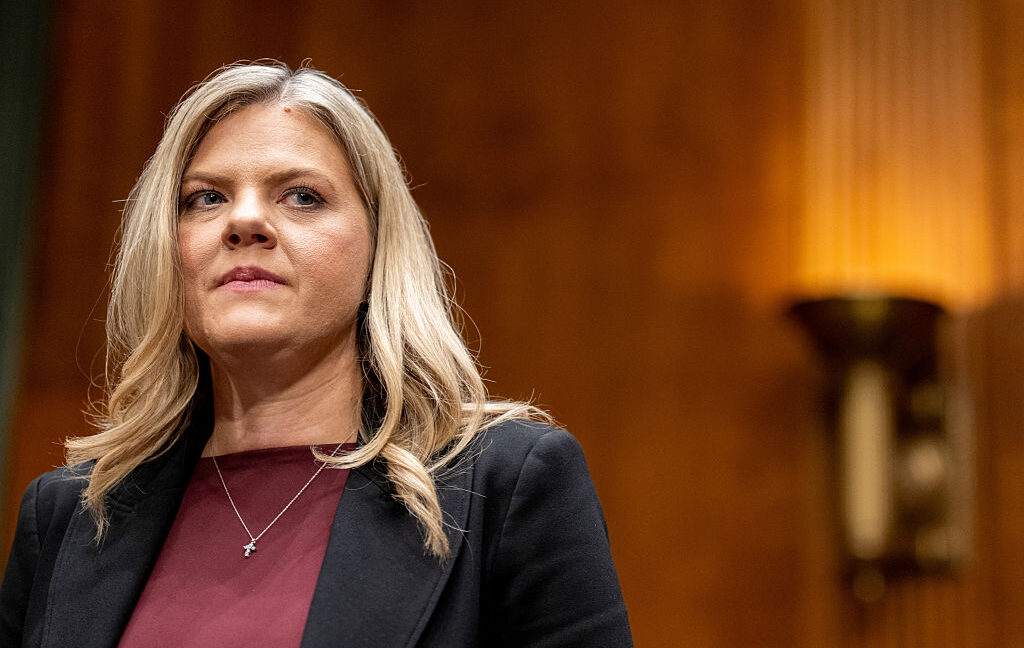
Verdict: Clear Reporting, Granular Controls, Evasive Subject The Ars Technica article, titled "Can Trump ever be wrong? His pick to lead FDA refused to say," offers a prime example of incisive digital journalism. This
Chinese leader Xi Jinping and President Trump are discussing claims that China is unfairly copying American A.I. technologies using a technique called distillation. U.S. firms like Anthropic and OpenAI accuse Chinese companies like Z.ai and Moonshot of this practice, which began nearly two years ago. While a flashpoint in the U.S.-China A.I. race, some experts suggest the accusations may be overblown.

President Donald Trump announced a rebranding of "Artificial Intelligence" (AI) to "Super Intelligence" for all U.S. government documents, a move he hopes will be adopted globally. The decision follows public polling and was revealed during his speech at the United Nations General Assembly. Trump also reiterated his stance against stifling the technology's growth, comparing its potential impact to the Industrial Revolution, despite growing concerns over its harms.

President Donald Trump publicly backed Flock license-plate cameras, a growing surveillance technology, citing its benefits for law enforcement despite acknowledging privacy concerns. This marks his first public endorsement of the controversial automated license plate readers (ALPRs). Critics argue the widespread data collection infringes on privacy, fueling a national debate on surveillance and civil liberties.

AI firm Anthropic secured a federal court victory today, overturning the Trump administration's blacklisting that labeled it a national security and supply chain risk. The judge ruled the government's actions were illegal, restoring Anthropic's ability to engage with federal contracts and military partners.
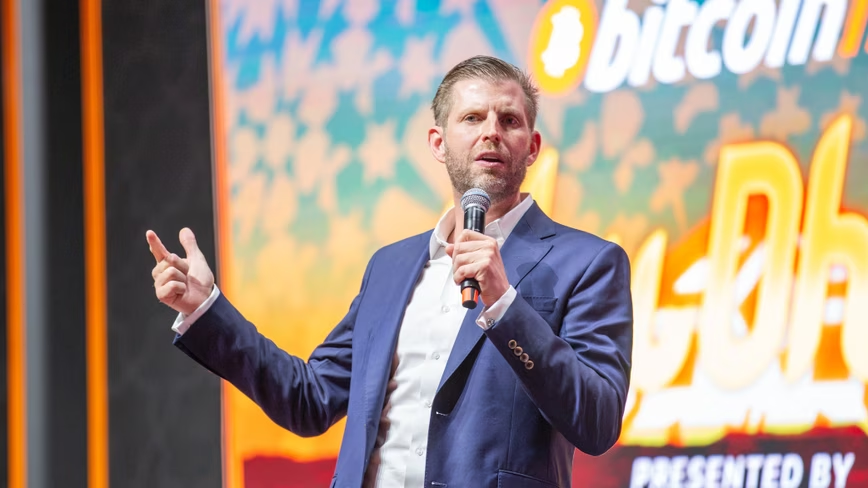
A crypto firm backed by Donald Trump's family is reportedly facilitating the sale of AI models from Chinese companies blacklisted by the US government. The Hong Kong platform, WorldClaw, accepts payments in the Trump family's stablecoin, USD1, creating a direct financial link. This arrangement raises significant questions about conflicts of interest, as it directly contradicts the administration's policy to restrict Chinese AI.

The Trump administration has launched a new program allowing private firms to conduct international cyberattacks against foreign criminal networks under federal oversight. This marks a significant shift in U.S. cybersecurity strategy, aiming to leverage private sector capabilities. Experts, however, express concerns about the difficulty in identifying targets, the legal risks for operators, and the potential for collateral damage to innocent infrastructure.

The Trump Administration's Environmental Protection Agency (EPA) has put forth a significant rule change proposal that could drastically alter how the public engages with air pollution permitting processes. Announced on

The Trump administration is suing several states and Philadelphia over laws requiring ICE agents to show faces and wear identifiers during raids, citing unproven threats from facial recognition and doxing sites. WIRED's investigation reveals the cited tools are outdated and ineffective. States emphasize accountability as their primary motivation.

Chris Fall, the director of the Center for AI Standards and Innovation (CAISI), has resigned from his position, marking yet another rapid leadership change within the critical federal agency responsible for developing

Prediction market platform Kalshi has accused Donald Trump's teleprompter operator, Gabriel Perez, of insider trading, alleging he used advance knowledge of Trump's speeches to win over $100,000. Kalshi flagged the activity and referred it to the CFTC. While federal prosecutors declined a criminal case, a settlement is being discussed.

The Verge has published a scathing critique of ICE operations under the Trump administration, detailing a recent fatal shooting in Houston and the alleged intimidation of online critics. The article characterizes ICE as an unaccountable, heavily armed force engaging in abuses and operating as the administration's "private domestic army."

OpenAI has publicly launched its advanced AI model, GPT-5.6 Sol, known for its cybersecurity capabilities. This launch proceeds despite the Trump administration's earlier request to restrict access to government-approved partners, with the White House now stating its engagement with AI companies is voluntary. The move signals a complex interplay between rapid AI development and evolving government oversight.
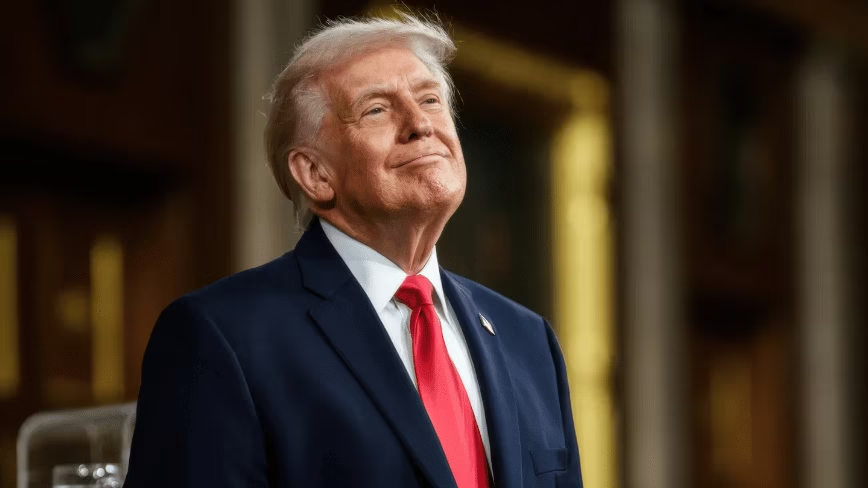
Former President Donald Trump has threatened a 100% tariff on any country taxing US tech firms with digital services taxes, just a day after the EU ratified a trade deal. Brussels defiantly stated taxation is its sovereign right and will not back down. This sets up a major international standoff over digital taxation, challenging Europe's years-long efforts to regulate tech giants and impacting future trade relations.

The Trump administration has lifted its ban on Anthropic's powerful Mythos 5 AI, allowing over 100 U.S. government agencies and companies, including non-American staff, to use it. This decision, two weeks after both Mythos 5 and Fable 5 were pulled, comes with "appropriate safeguards," though Fable 5 remains restricted.

Anthropic's advanced AI model, Mythos 5, is partially reinstated for select cybersecurity and infrastructure providers after two weeks of negotiations with the Trump administration. The public-facing Fable 5 remains restricted. This limited return is an exception to an export control directive, similar to a deal granted to OpenAI's GPT-5.6, highlighting evolving US AI regulation.

The Trump administration has ordered Anthropic to take its advanced AI models, Fable 5 and Mythos 5, offline due to unspecified “national security concerns.” This move follows reports of Amazon researchers bypassing Fable 5's guardrails. While cybersecurity experts deem the ban dangerous, some speculate it could inadvertently boost Anthropic's image, positioning its models as uniquely powerful.

Rockstar co-founder Dan Houser believes player enjoyment in open-world games trumps story completion. At the Tribeca Festival, he emphasized player agency and the "magical quality" of emergent gameplay. His creative partner Lazlow also discussed deep Easter eggs and the challenge of crafting satire that outruns reality. Their new venture, Absurd Ventures, is developing a AAA open-world sci-fi game, among other media projects.
President Trump signed an executive order Tuesday, establishing voluntary government oversight for new AI models. This reverses his prior hands-off approach, balancing innovation with national security by asking companies for a 30-day review.
