119 results found

Star Wars: Galactic Racer delivers a thrilling blend of racing, arcade action, and roguelike depth on PS5, Xbox, and PC. This guide offers essential tips to master its challenging mechanics, from strategic vehicle choices and upgrades to understanding boosts and navigating the Tour mode. Learn to embrace losses, prioritize survival, and optimize your build to become a galactic racing champion.
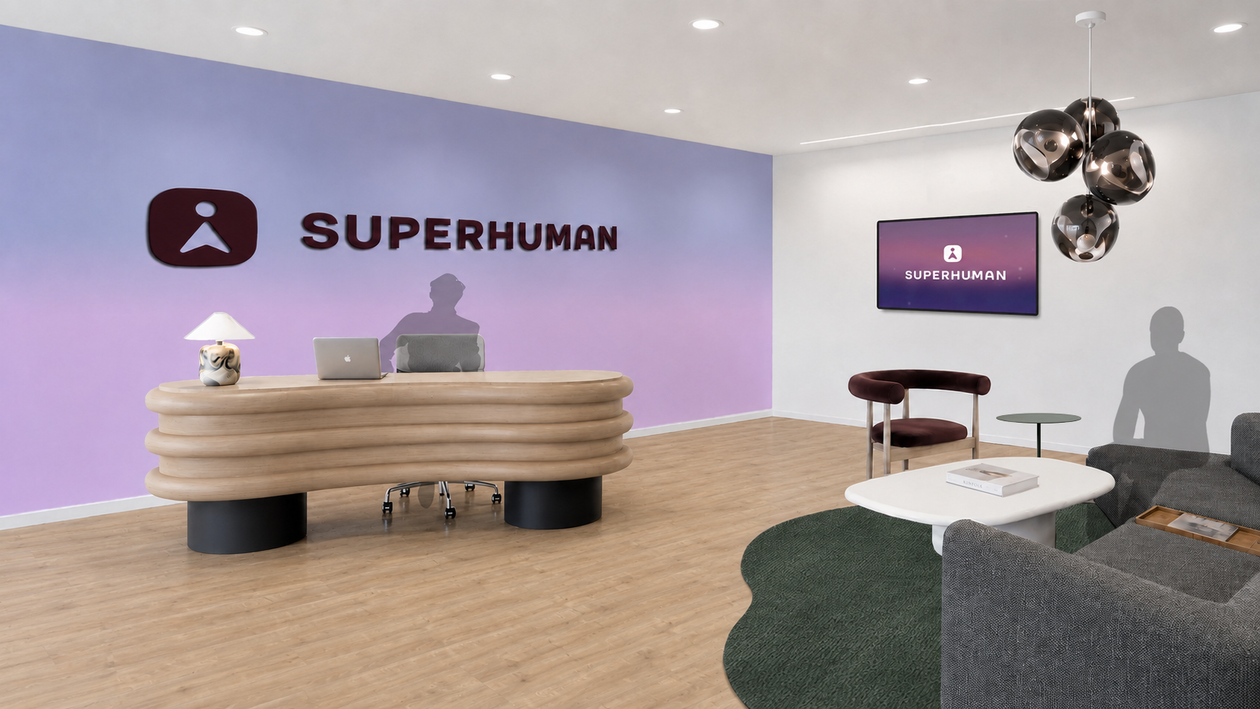
Superhuman, formerly Grammarly, has opened a 13,501-square-foot office in Seattle's South Lake Union, signaling significant expansion and recruitment plans. The AI productivity firm aims to boost its 96-strong local team, joining a wave of AI companies establishing a strong presence in the Pacific Northwest tech hub. This strategic move highlights Seattle's growing appeal for AI talent and investment.
In a strategic move that positions it directly against tech giants, Brett Adcock's startup Hark has officially launched Hark Pro, an advanced AI agent, a full year before its anticipated hardware devices are set to hit

This TechRadar Pro article review reveals that the real, often-hidden cost of scaling AI agents lies in memory management. Initial pilots mislead, but multi-agent systems exponentially increase costs due to persistent data and complex interactions, making strategic memory design critical for enterprise economic viability.

Quick Verdict CNET's daily Wordle Hints, Answer, and Help article for October 4th (Puzzle #1933) delivers a well-structured and genuinely helpful resource for players across the spectrum of Wordle skill. From subtle

GM and LG Energy Solution are investing $1 billion to mass-produce advanced lithium manganese-rich (LMR) battery cells at their Spring Hill, Tennessee plant by 2028. This move aims to deliver 33% higher energy density than LFP at the same cost for large EVs, marking a strategic departure from European LFP investments.

Meta has launched its new "Meta Enterprise Platform" to sell its AI tools, including the Muse agent, to businesses, hiring MongoDB CEO Chirantan "CJ" Desai to lead the initiative. Desai's appointment as Chief Enterprise Platform Officer, reporting directly to Mark Zuckerberg, signals a major strategic push into the enterprise AI market. The news caused MongoDB's shares to drop by up to 27%, highlighting the significance of Desai's departure and Meta's ambitious new venture.

Meta Platforms has launched the "Meta Enterprise Platform," a new initiative to bring its AI technologies to businesses, leveraging its full tech stack including Muse. The company has hired MongoDB CEO Chirantan "CJ" Desai to lead this strategic push. Desai's appointment and Meta's enterprise pivot aim to monetize significant AI investments, while MongoDB's shares dropped over 17% following Desai's sudden departure.

Google has launched a pilot in India enabling users to purchase directly from Walmart-owned Flipkart via Gemini AI. This strategic move aims to expand AI from product discovery to direct transactions, with a broader rollout planned for India's festive shopping season.

_Star Wars: Galactic Racer_ arrives October 6, promising a thrilling arcade racing experience with roguelike elements. Developed by ex-_Burnout_ devs, it represents a welcome shift towards genre diversity in Star Wars gaming, following the tactical strategy title _Zero Company_. Fans can expect high-speed thrills and strategic depth on iconic planets.

Verdict Nintendo's Game & Watch isn't just a nostalgic piece of tech; it's a foundational pillar that reshaped the gaming landscape and defined Nintendo's strategic approach for decades. Born from a simple observation

Meta's CTO, Andrew Bosworth, dismisses privacy concerns over smart glasses as a "bad actors" problem, just as the company prepares to launch a camera-free version, "Luna." This strategic product shift, coupled with mounting regulatory scrutiny in Europe and easily defeated privacy safeguards on existing models, casts doubt on Bosworth's defense.

Anthropic Claude Merger: The Verdict Anthropic is making a bold move, consolidating its previously distinct AI tools — Claude chat and Claude Cowork — into a single, more intuitive “all-powerful Claude.” This strategic
Star Wars Zero Company is a stellar turn-based tactics game, but the author is playfully irked by one missing achievement: a reward for completing the game without losing any squad members to its brutal permadeath system. Despite this minor gripe, the game is lauded as one of the year's best, showcasing deep strategic gameplay.

Google Chrome's Bi-Weekly Security Updates: A Major Win for Safety Quick Verdict: Google Chrome's strategic pivot to bi-weekly security updates, significantly aided by AI, marks a crucial advancement in online safety.

Dacia's new Spring EV production shifts from China to Slovenia. This strategic move avoids EU tariffs and unlocks subsidies, ensuring the affordable electric car remains under €20,000.

Educators are abandoning AI detection tools in favor of fundamentally rethinking how they assess students, designing classes that force demonstrable learning. This strategic shift comes after a significant surge in AI-generated essays last year, prompting institutions like the University of Baltimore to re-evaluate their pedagogical approaches. This pivot aims to make AI cheating impractical by prioritizing genuine understanding and critical thinking.

Despite an incredibly tumultuous year for Xbox—marked by leadership changes, massive layoffs, studio sales, and strategic pivots—the company successfully delivered on its promise of over 75 day-one Game Pass Ultimate releases. Subscribers consistently received new titles, showcasing a rare point of stability amidst widespread corporate upheaval and re-evaluation of the service's growth.

Open-weight AI companies are becoming prime acquisition targets in Silicon Valley, with Nvidia reportedly set to acquire Hugging Face for $13 billion. This follows Nvidia's $6 billion purchase of Poolside and Stripe's $7 billion acquisition of OpenRouter, signaling a strategic shift by tech giants to diversify AI investments and gain control over model development. These deals reflect a growing demand for cost-effective, customizable AI solutions and a desire to reduce reliance on dominant frontier labs. Experts predict increased adoption as AI workflows mature, fostering a more specialized and open AI ecosystem.

Verdict: Rockstar's official statement on the widespread Grand Theft Auto VI leaks is a carefully crafted blend of emotional appeal and strategic silence. While it acknowledges the developers' "heartbreaking" experience

Traditional software testing patterns often falter with conversational AI due to its dynamic nature. This guide provides practical strategies for QA engineers and developers to effectively test AI agents, focusing on intent, conversational flow, robustness against hallucinations, and strategic, risk-based approaches to ensure reliable and user-friendly interactions.

The Verdict: Prioritizing Perfection in the Lunar Race China's decision to delay its critical Chang'e 7 lunar mission to 2027, initially planned for late 2026, is a move that underscores a deep commitment to mission

Verdict: A High-Stakes Gamble in the AI Data Arms Race Google's audacious $10 million bid for a massive trove of Spirit Airlines' defunct business data isn't a typical product launch, but a significant strategic move in

Google's new Pixel 11 introduces "Camera Looks" to embrace the 'digicam trend,' offering users softer, less-processed photos reminiscent of older digital cameras. This strategic shift in computational photography was a key topic on The Vergecast, alongside discussions on Apple's camera AirPods, Fairphone's US launch, and YouTube policy changes.
VentureBeat has appointed Rob Strechay as its first Lead Analyst, spearheading a significant expansion into specialized enterprise AI research. This strategic move aims to provide technical decision-makers with objective, data-driven insights into the complex challenges of evaluating and deploying AI solutions. Strechay, with nearly three decades of experience, will cover critical areas like cloud infrastructure, advanced data, DevOps, and AI security, while also hosting a revitalized "VB In Conversation" series.
