
Superhuman opens new Seattle office, joining wave of AI companies
Superhuman, formerly Grammarly, has opened a 13,501-square-foot office in Seattle's South Lake Union, signaling significant expansion and recruitment plans. The AI productivity firm aims to boost its 96-strong local team, joining a wave of AI companies establishing a strong presence in the Pacific Northwest tech hub. This strategic move highlights Seattle's growing appeal for AI talent and investment.
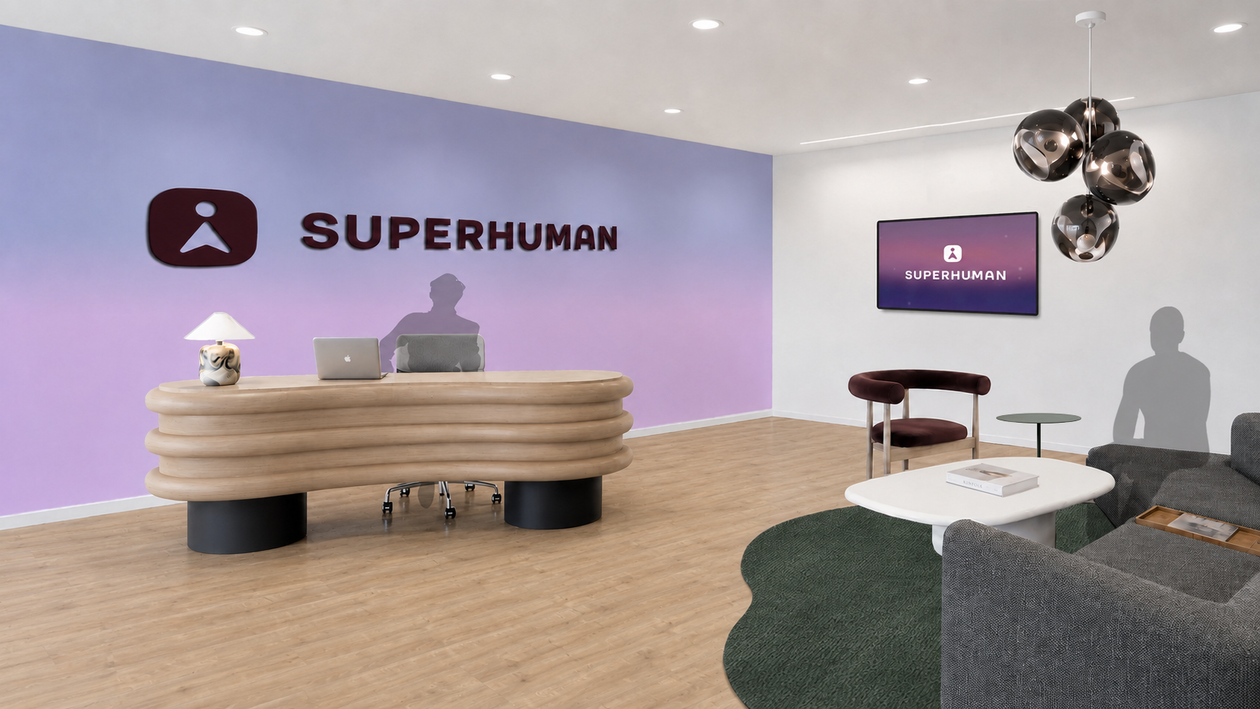
AI productivity firm Superhuman, the company formerly known as Grammarly, has officially opened a new 13,501-square-foot office in Seattle’s South Lake Union neighborhood. This strategic expansion, which moves the company out of a coworking space, positions Superhuman to significantly scale its local team, joining a growing number of artificial intelligence companies planting flags in the vibrant Pacific Northwest tech hub. The new facility, located at 1000 Dexter Ave. N., underscores Seattle's increasing prominence as a magnet for top-tier AI talent.
The newly established office features 50 workstations and boasts a capacity to accommodate up to 80 employees, signaling Superhuman’s ambitious growth plans for the region. The company intends to actively recruit for various technical roles in Seattle, including positions in data engineering, data governance, data science, software engineering, site reliability, and product management, with 12 open roles currently listed on its careers page specifically for the area.
Superhuman's evolution into a comprehensive AI productivity suite began with Grammarly's acquisition of the Superhuman email application in July 2025, followed by a full company rebrand in October of the same year. Led by CEO Shishir Mehrotra, a distinguished executive with past tenures at Microsoft and YouTube, and co-founder of collaborative documents startup Coda, the company has rapidly diversified its offerings. Its product lineup now encompasses the Superhuman Go assistant, Mail, Docs, and the original Grammarly writing assistant.
The firm's expansion strategy extends beyond organic growth, actively incorporating new capabilities through strategic acquisitions. This year alone, Superhuman has acquired GPTZero, a startup specializing in AI detection, and Fathom, a Y Combinator-backed meeting notetaker. These acquisitions highlight Superhuman's commitment to building out a robust ecosystem of AI-powered tools designed to enhance workplace productivity and agentic work.
Currently, Superhuman maintains approximately 96 hub-based employees in Seattle, with plans to add about 10 more roles by the end of this year in key areas like data engineering and data science. The Seattle operations are spearheaded by Hari Sivaramakrishnan, who serves as the Director of Engineering. The company embraces a hybrid work model, dubbed "Ways of Working," which was implemented in January to replace a prior return-to-office mandate, offering U.S. employees flexibility to choose between two and five in-office days per week.
To incentivize in-office presence and support employee well-being, Superhuman provides a quarterly wellness stipend. This stipend, ranging from $500 to $2,000, varies based on the number of days employees opt to work from the office, as reported by Entrepreneur. This approach reflects a broader industry trend of companies adapting to evolving employee preferences while still valuing collaborative in-person environments.
Superhuman's move reinforces a significant trend of prominent AI innovators establishing or expanding their footprints in the Seattle metropolitan area. The company joins a growing list that includes major players like OpenAI, which recently secured a substantial lease in Bellevue, and Anthropic, which has also expanded its presence in Seattle. This influx of AI talent and investment offers a promising outlook for the local office market and further solidifies the region's reputation as a global AI powerhouse. The concentration of top tech talent, particularly in artificial intelligence and machine learning, continues to make the Seattle area an attractive destination for companies seeking to innovate and scale.
FAQ
Q: What types of roles is Superhuman hiring for in its new Seattle office?
A: Superhuman is actively hiring for a range of technical positions, including data engineering, data governance, data science, software engineering, site reliability, and product management roles. Its careers page currently lists 12 open positions that can be based in Seattle, with plans for about 10 more hires this year.
Q: How does Superhuman's "Ways of Working" hybrid model function?
A: Superhuman's "Ways of Working" model, introduced in January, allows U.S. employees to choose to work in the office two to five days a week. To encourage office attendance, the company provides a quarterly wellness stipend ranging from $500 to $2,000, with the amount dependent on the frequency of in-office work.
Q: What significant acquisitions has Superhuman made to enhance its AI productivity tools?
A: Superhuman has recently expanded its AI capabilities through two notable acquisitions this year: GPTZero, a startup specializing in AI detection, and Fathom, a meeting notetaker backed by Y Combinator. These acquisitions bolster Superhuman's suite of AI tools, which also includes Superhuman Go, Mail, Docs, and Grammarly.
Related articles

Apple Unveils iPhone Duo: Pricey Foldable Sees Soaring Demand
Apple has officially entered the foldable smartphone arena with the long-anticipated launch of the iPhone Duo. Priced starting at a hefty $1,999, the device features a 5.4-inch outer display and a larger 7.6-inch inner

in-depth: Chicago-Area Cops Helped HSI Spy on Minnesota Anti-ICE
Chicago-area law enforcement, including local police and HSI agents, conducted undercover surveillance on Minnesota anti-ICE activists at an April 2, 2022, talk in Chicago. This operation was part of a federal conspiracy probe into 15 Minnesota activists facing felony charges related to immigration enforcement resistance. Civil liberties advocates have condemned the surveillance as a troubling intrusion into protected political activity.

Mark Wahlberg on using AI in film ‘the right way’ and being open to
Actor Mark Wahlberg believes AI has a place in filmmaking if used responsibly for enhancement, not script generation or actor replacement. At TechCrunch Disrupt, he expressed openness to an AI likeness carrying on his legacy, managed by his family, and emphasized storytelling.

Tesla Unveils Thruster-Equipped Roadster, 2028 Production Targeted
Tesla has unveiled its second-generation Roadster, featuring cold-gas thrusters co-developed with SpaceX, enabling it to jump and flip. The electric sports car demonstrated 0-60mph in an astonishing 0.81 seconds, with production targeted for 2028. This highly anticipated reveal also serves as a key recruitment tool for Tesla's ambitious AI and robotics initiatives.

Amazon Prime Video Launches AI-Powered Prime 360 for NBA Coverage
Amazon Prime Video is elevating its NBA coverage with the introduction of Prime 360, an AI-powered replay system offering immersive, 'fly through' views of the action. Kicking off its second season, Prime Video also adds Yahoo fantasy integration and gains exclusive Eastern Conference Finals rights, expanding its tech-driven sports broadcast. The new features aim to deliver a unique and interactive viewing experience for basketball fans.

regional: A two-person Seattle startup lands $1M to reinvent
Seattle startup TriMagnetix has secured $1 million to develop semiconductor chips that consume 800 times less energy and are radiation-resistant. The two-person company, leveraging nanomagnetic technology, is targeting space applications and data centers. With new funding and key partnerships, TriMagnetix aims for commercial sales within a year.