9 results found

When we build websites, we want them to be discoverable and accurately understood by search engines. This isn't just about keywords and meta descriptions anymore; it's about providing explicit, machine-readable context.

Google has rolled out significant changes to its European search engine, claiming these constitute the biggest quality drop in its 29-year history. The move is a direct response to a €460 million fine from the European Commission under the Digital Markets Act for self-preferencing. Google states the new layout, which features stripped-down carousels and prioritizes comparison sites, degrades user experience and harms local businesses, though its figures remain unverified.

The browser wars have entered a new phase in 2026, shifting focus from search engine dominance to AI acting on users' behalf. While Chrome and Safari remain market leaders, a new wave of alternative browsers is emerging. These include AI-powered options like Perplexity's Comet and OpenAI's Atlas, privacy-focused browsers such as Brave and Ladybird, and "mindful browsers" like Opera Air. This diversification reflects a growing demand for specialized browsing experiences beyond the mainstream.
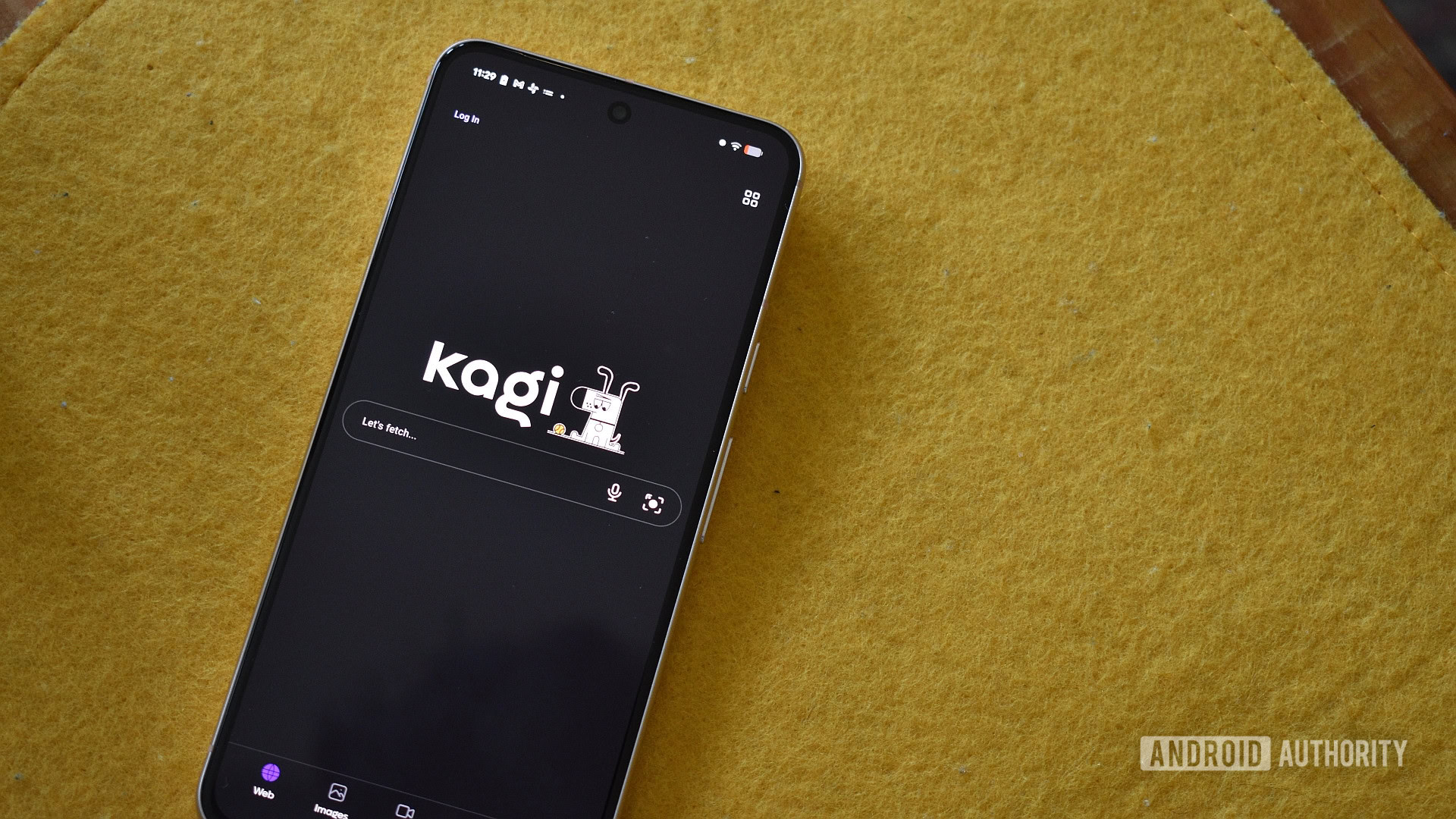
Kagi Search offers a refreshing, ad-free search experience reminiscent of early Google, excelling in specific areas like image and podcast search. However, its $10/month price and mobile app limitations may deter some users seeking a complete Google replacement.

Google is transitioning from a traditional search engine to an AI agent that proactively gathers information, fundamentally redefining the act of "googling." This shift, discussed on The Vergecast after Google I/O, raises profound questions about the future of the web itself and Google's identity in the AI era.
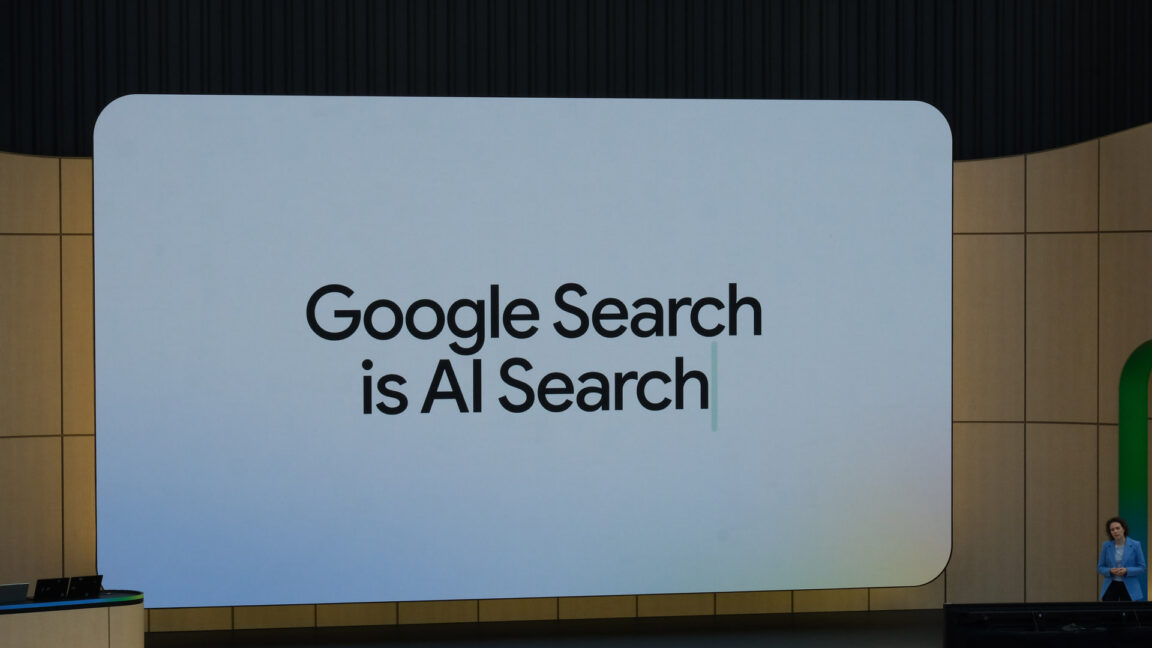
Google is transforming its search engine by 2026 with agentic AI, offering conversational AI Mode, generative UIs, and custom apps. This shift aims for efficiency but de-emphasizes traditional links, raising concerns about information diversity despite Google's market dominance.

Google's Live AI Search transforms mobile searching from typing keywords to a natural, interactive conversation with Gemini 3.1 Flash Live. It offers follow-up questions, camera input, and feels more like a personal shopper than traditional search, marking a significant evolution.

Remember when search engines were the wild west, and you just typed in "best RPGs" hoping for gold? Well, buckle up, because game discovery is getting a whole new sheriff in town: Artificial Intelligence. A recent deep

Users can effectively remove Google's AI summaries, known as AI Overviews, from their search results by making simple adjustments to their search queries. Alternatively, switching to a different search engine provides a direct way to bypass these AI features entirely, giving users control over their search experience.
