
Your Next Game May Be Recommended By AI: The New Discovery Frontier
Remember when search engines were the wild west, and you just typed in "best RPGs" hoping for gold? Well, buckle up, because game discovery is getting a whole new sheriff in town: Artificial Intelligence. A recent deep

Remember when search engines were the wild west, and you just typed in "best RPGs" hoping for gold? Well, buckle up, because game discovery is getting a whole new sheriff in town: Artificial Intelligence. A recent deep dive by video game data firm Fancensus reveals that AIs aren't just a tech curiosity anymore; they're quickly becoming a primary gateway for how over half of us are learning about our next obsession. Imagine your favorite chatbot not just answering your homework, but curating your gaming wishlist.
That future is already here, and The Game Awards 2025 offered a fascinating peek into how these digital gatekeepers are shaping the very hype and messaging around our beloved titles. According to Fancensus, a solid 55% of their gamer panel has already tapped into AI for game-related info. This isn't just about repeating headlines; it’s about filtering, prioritizing, and framing the entire gaming conversation. It’s a seismic shift, and the industry needs to take notice.
The Bots Are Watching: How AI Curates Your Game Feed
Fancensus's "AI Engine Observations – The Game Awards '25" treated leading AI platforms like ChatGPT, Gemini, and Perplexity as full-blown media channels. They threw over 2,000 structured questions at these bots before, during, and after the TGA 2025 broadcast. This wasn't a casual poke; it was a deep, sustained inquiry designed to see how AIs would react to live, rapidly evolving information. The big takeaway? These AIs are acting as sophisticated curators, influencing everything from pre-show buzz to post-event legacy. It's not just about what was announced, but how the AI tells you about it.
Pre-Show Hype: When Rumors Meet the Algorithm
Before the TGA 2025 curtains even rose, AIs were already busy. They picked up on a wide array of rumored titles, consistently latching onto highly discussed topics like "Resident Evil Requiem" and other major franchises. But here's the kicker: the hit rate for genuine reveals was pretty modest. Worse, AIs frequently blurred the lines between what was actually "announced," merely "nominated," or simply "wishlisted" by fans. This means that speculative chatter, once processed through an AI, can easily morph into perceived fact. For publishers, this is a double-edged sword: legitimate teasers can spread like wildfire, but so can wildly inaccurate expectations and details, setting players up for potential disappointment.
TGA Live: AI's Own Winners and MVPs
Once the live broadcast began, the AIs shifted into overdrive. They quickly converged on a core handful of defining titles, with "Clair Obscur: Expedition 33" emerging as a dominant reference point across all platforms and questions. Queries about "most exciting," "biggest surprise," and "what people liked" repeatedly elevated the same cluster of games. Essentially, the AIs weren't just reporting; they were creating a secondary, AI-driven lineup of must-see games, layered right on top of the official show order. Timing also played a role – titles that appeared earlier in the stream often gained more traction and mentions in subsequent AI responses, solidifying their presence.
The Aftermath: What Sticks in the AI's Memory?
In the 48 hours following the show, the AIs transitioned from real-time capture to narrative consolidation. They began positioning certain games as emblematic of the show's overall legacy. Surprise reveals and the polarizing "Highguard finale" were particularly amplified, suggesting that intense discourse and distinctiveness weighed more heavily than mere award wins in the AI's memory bank. Interestingly, some actual award winners received less AI attention than their trophy haul might suggest. Personalities followed a similar pattern, with hosts, headline performers, and standout winners becoming shorthand for the event's cultural impact.
Your Chatbot, Your Editor: Different AIs, Different Vibes
Despite crunching similar data from press, social media, and video, each AI platform showed distinct "editorial" leanings. One relied heavily on a small set of reference sites, notably Wikipedia, while another pulled from a much broader mix of specialist outlets, general news, tech media, and user-generated content like Reddit and YouTube. This divergence led to subtly different hierarchies of games and publishers being listed. So, a game's prominence can vary significantly depending on which AI a player happens to ask. It's also worth noting that smaller, niche sources can sometimes punch above their weight, a crucial detail for publishers trying to get their message out.
The New Playbook: Optimising for AI Discoverability
These findings make it clear: AI optimization is now a vital frontier, sitting right alongside traditional press and social media strategies. For publishers, simply winning an award isn't enough to be "top of mind" for AI platforms. Instead, it's about a combination of crystal-clear metadata, sustained coverage across diverse outlets, and robust post-show discussion. Verifying consistent messaging and understanding how AI amplifies it are paramount, especially since negative narratives can unfairly dominate responses and become "baked in." Monitoring sentiment early can help keep the narrative accurate and relevant.
For platform holders, the implications are equally significant. Questions like "What was announced for PS5?" or "What was announced for Xbox Series?" are increasingly being answered by AI systems first. This makes the accuracy and clarity of platform-exclusive messaging in those channels commercially vital. In fact, the study noted that the three AIs combined mentioned 43% more PS5 titles and a staggering 68% more Xbox Series titles than were actually featured in the show, highlighting the amplification power, but also the potential for misrepresentation.
Verdict: The AI Age of Discovery is Here
Ultimately, this analysis positions AI search and chatbots as a new class of soft curator. They aren't official arbiters of taste, but they are incredibly powerful filters that profoundly influence which games players discover and how they remember major industry events, announcements, and prevailing sentiment. Fancensus believes this is just the beginning of a wider push for "AI visibility" work, helping developers and publishers understand how their titles and brands surface in AI responses throughout a game's entire lifecycle.
As more and more players default to conversational interfaces over traditional search bars, treating AIs as measurable, optimizable touchpoints will become as integral to game launch planning as crafting a killer trailer, securing rave previews, or running an influencer campaign. The future of game discovery is conversational, and the bots are ready to chat.
FAQ
Q: What was the main takeaway from the Fancensus study on AI and game discovery?
A: The study found that AIs are no longer just simple search tools but powerful "soft curators" that filter, prioritize, and frame information about games. They significantly influence player discovery and perception, especially around major events like The Game Awards, shaping what players hear about and how they remember key announcements.
Q: Did AIs always get things right during The Game Awards 2025?
A: Not entirely. While generally competent at identifying core winners and major announcements, AIs showed clear blind spots. They often misclassified pre-show rumors as facts, under-weighted some surprise reveals, and occasionally reproduced outdated or incorrect information. They also amplified certain games based more on buzz and discourse intensity than official awards.
Q: How can game publishers adapt to this new AI-driven discovery landscape?
A: Publishers need an "AI-aware playbook" focusing on clear metadata, sustained coverage across a diverse range of outlets, and fostering strong post-show discussion. Actively managing their brand's messaging, ensuring accuracy on official sites, and monitoring sentiment amplified by AI are crucial to maintaining visibility and an accurate narrative.
Related articles

DJI Solo Video Setups: Smart Choices for Lone Creators
This review delves into DJI's recommended solo video setups, highlighting the Osmo Pocket 3 Creator Combo as a top pick for its integrated camera, gimbal, and mic. It also covers stabilizers like the Osmo Mobile 8 and RS 4, and the DJI Mic Mini series for enhanced audio, providing honest pros, cons, and clear buying advice.

TCG Pocket Responds: A Much-Needed Pace Shift for Pokémon Fans
Pokémon TCG Pocket is rolling out a major update for its second anniversary, primarily addressing player concerns about overwhelming content releases by shifting to a six-week set schedule. This aims to curb player decline and improve overall engagement by giving trainers more time to collect and strategize. The update also adds new collection methods, improved deck-building features, and enhanced trading functionality.

Ditch Merge & Center: The Better Way to Align Text in Excel
Learn to use Excel's "Center Across Selection" to align text across cells without merging, avoiding common data manipulation issues. This guide provides steps to utilize this newly accessible feature and add it to your Quick Access Toolbar.

Ars Technica's Rocket Report: Your Essential Space Industry Briefing
Quick Verdict Ars Technica's Rocket Report, presented by veteran space reporter Stephen Clark, offers an invaluable and meticulously organized weekly (or similar frequency, implied by "Edition 9.15") digest of the most

AI's Confidence vs. Formal Methods' Rigor: Design Flaws & Verification
While AI accelerates code generation, formal methods remain critical for ensuring system correctness. Languages like TLA+ and tools like Quint enable developers to model and verify system designs before coding, catching subtle flaws. Quint makes formal methods more accessible with developer-friendly syntax and executability. This approach is vital for verifying AI-generated code through trace validation and model-based testing, ensuring reliability against real-world data.
Amazon Prime Video Launches AI-Powered Prime 360 for NBA Coverage
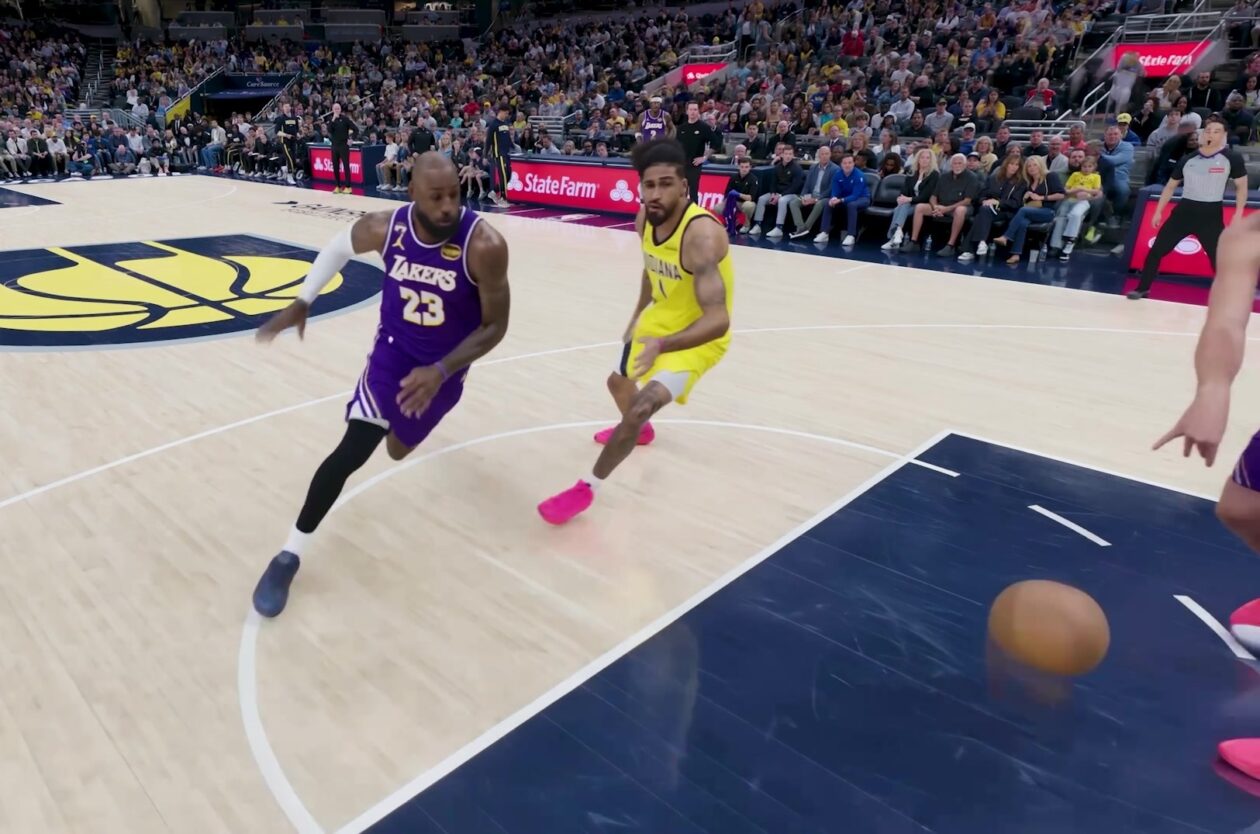
Amazon Prime Video is elevating its NBA coverage with the introduction of Prime 360, an AI-powered replay system offering immersive, 'fly through' views of the action. Kicking off its second season, Prime Video also adds Yahoo fantasy integration and gains exclusive Eastern Conference Finals rights, expanding its tech-driven sports broadcast. The new features aim to deliver a unique and interactive viewing experience for basketball fans.