88 results found

Flox Intelligence, a KTH spin-off and TechCrunch Disrupt finalist, is deploying AI-powered edge devices to deter wildlife from critical infrastructure like railways and airports. The system identifies animals and uses species-specific sounds, learning and adapting to prevent costly collisions and delays. With 150 devices deployed globally and $5 million raised, Flox aims to scale significantly with a new Series A round.

Welcome Home! Apple's latest hardware event introduced a suite of new devices designed to enhance your smart home experience. From a dedicated smart hub that recalls the classic iMac G4 to upgraded entertainment and

Amazon's new Alexa Tablets mark a significant departure from their budget-focused Fire line, offering premium hardware, robust Alexa+ integration, and, crucially, native Google Play access. This trio of devices, including a powerful 12-inch Pro model, positions Amazon as a more serious contender in the broader Android tablet market, moving towards a "Pro" build and experience for work and entertainment. While they come with a higher price tag, the upgrades are substantial.
Being an Apple customer often means investing a significant amount. While the allure of new iPhones, Mac mini desktops, iPads, and other connected-home hardware is strong, the price tag can be a deterrent. Fortunately,
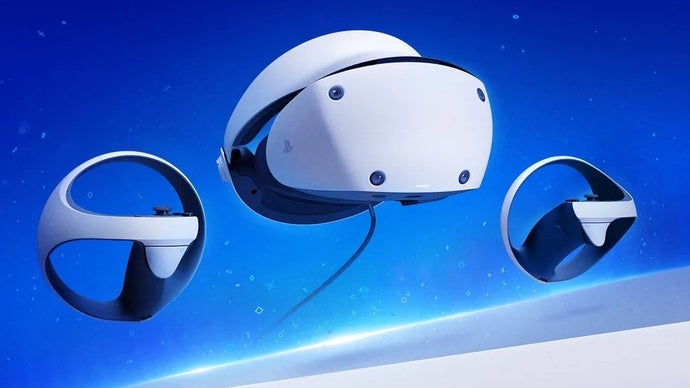
Sony has agreed to transfer over 400 global VR patents, including for AR and MR, to Meta following a December 2025 agreement. This move signals a potential wind-down of Sony's VR hardware efforts, while strengthening Meta's position despite their Reality Labs division facing massive losses and recent restructuring. The transfer will reshape the future of immersive tech.
In a strategic move that positions it directly against tech giants, Brett Adcock's startup Hark has officially launched Hark Pro, an advanced AI agent, a full year before its anticipated hardware devices are set to hit

The iPhone 18 Pro Max on AT&T is suffering from a critical cellular service failure, rendering phones unable to call or text. Apple has released preventive software updates but will replace already affected devices for free, acknowledging a hardware-level problem.

Meta unveiled the Muse Charm, a Tamagotchi-like wearable for its Muse AI agent, at the Connect event. The palm-sized device, featuring a digital avatar named Jolly, offers users a direct and quick way to interact with the AI via voice and a fingerprint sensor, shipping by December 2026. It represents Meta's strategy to expand AI distribution and experiment with dedicated AI hardware.

Hyte is offering its unique X50 PC case for $99.99, a $50 discount, until September 21st, 2026. Known for its curved glass panel and bold color options, the case supports a wide range of components and features excellent airflow. An alternative, the X50 Air, is also on sale for $79.99.

Space hardware startup Gravitics is pursuing a $125 million stock offering and Nasdaq listing through a reverse takeover of shell company Non-Invasive Monitoring Systems. This unorthodox move aims to accelerate its public market entry and fund the development of orbital carriers and space station modules, building on significant contracts with Axiom Space, NASA, and the U.S. Space Force.
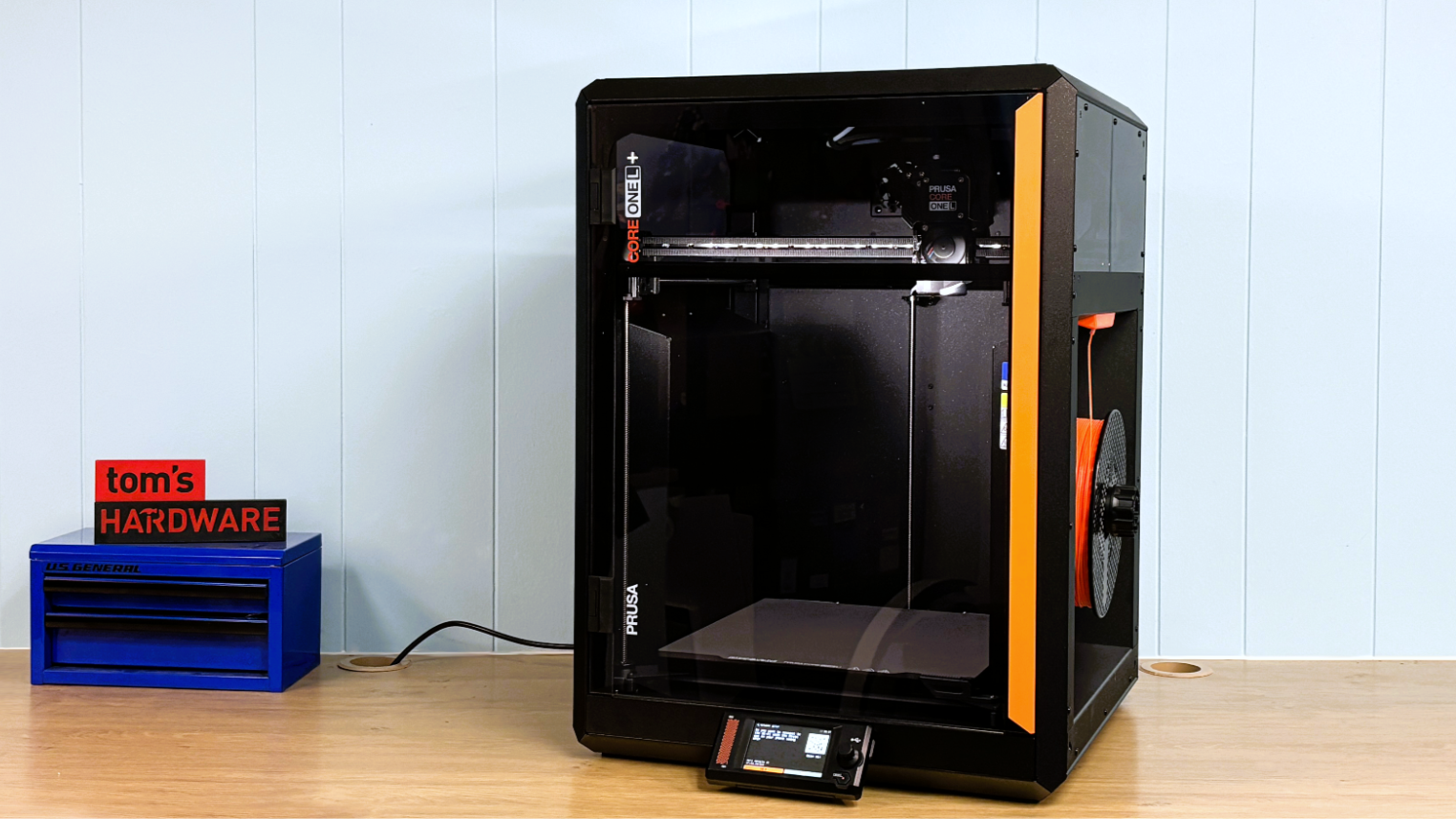
Tom's Hardware Verdict The Prusa CORE One L+ introduces small but impactful refinements to an already stellar 3D printer. The addition of a new nozzle wiper and enhanced GT1.5 belts boosts print quality and operational

Nintendo's September 2026 Direct unveiled a strong lineup for the Switch 2, including the new 2D Metroid Ravenous and Kirby and the World Beyond. Persona 6 was confirmed for the console, alongside enhanced editions of Pikmin 4 and Resident Evil remakes. The presentation highlighted Nintendo's focus on its new hardware, offering a mix of new titles and beloved classics.
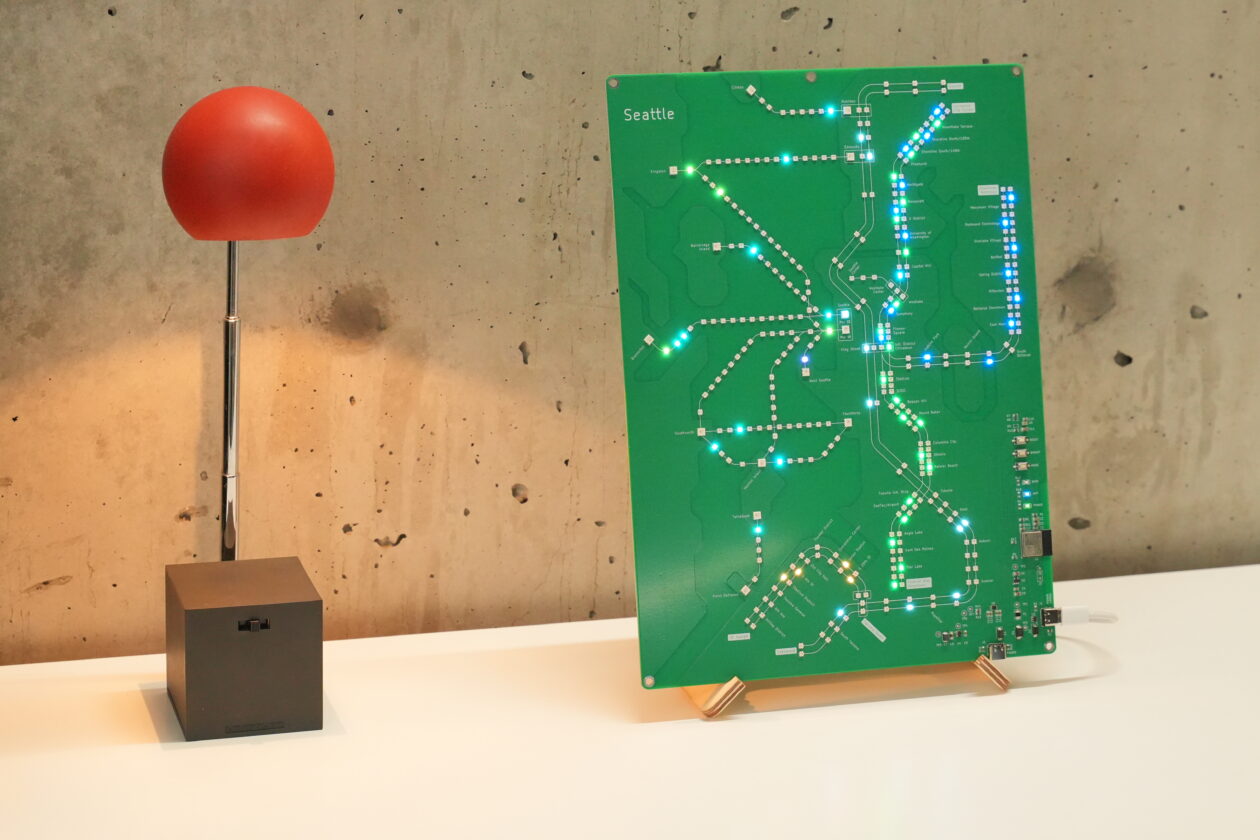
Software engineer Michael Benedict, recently laid off from Amazon, transformed a personal gift into "Seattle Transit Live." This innovative LED circuit board map tracks real-time movement of Puget Sound-area trains, ferries, and water taxis. The $219 open-source device has garnered significant interest, quickly selling out initial production runs.

California-based Cowboy Space has leased a massive 291,035-square-foot facility in Kent, Washington, to produce hardware for its planned orbital AI data centers. This is the largest industrial lease in the Puget Sound region this year and is expected to create 300 jobs, advancing the company's goal of launching its Stampede constellation by 2028.
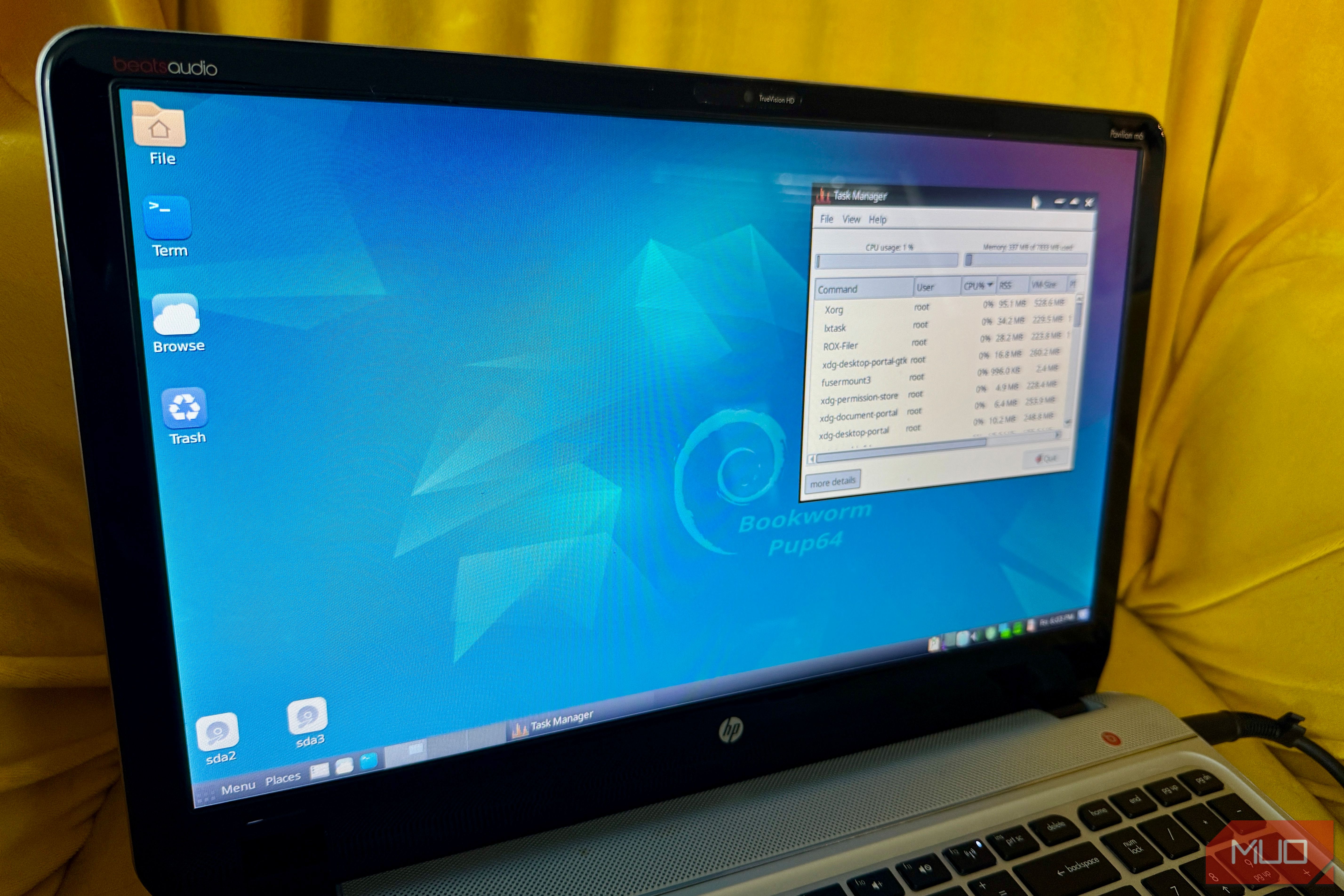
Discover how RAM-based Linux distros can dramatically boost performance and privacy, especially on older hardware. This guide introduces six top options and provides step-by-step instructions to get started.
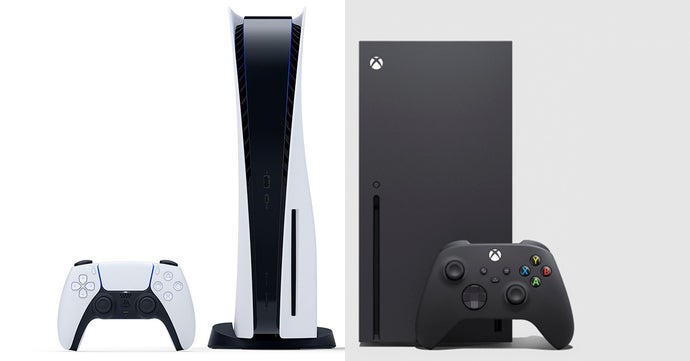
Sony and Microsoft are fighting consumer lawsuits seeking refunds for 2025 console price hikes tied to now-illegal US tariffs. Both argue they're not legally obligated, citing various market factors, contrasting with Playdate's proactive refunds.

Acer's new Vero 16 laptop redefines budget-friendly longevity with robust repairability features, making DIY upgrades accessible. It’s a smart move in a market facing rising hardware costs.

Apple has officially unveiled its next-generation Mac Mini, featuring the brand-new M6 chip and starting at $899. This update brings significant performance enhancements, including 4x better AI capabilities, and introduces a more powerful M5 Pro variant, reflecting the device's growing popularity for local AI workloads.
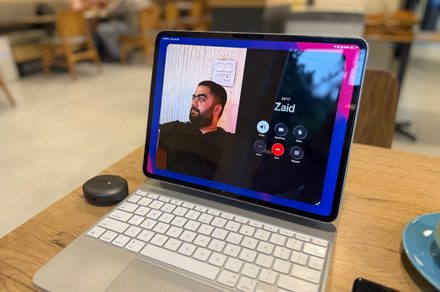
Verdict Apple’s recent patent for a pressure-sensitive camera button on tablets suggests a future where iPad photography could get a significant hardware enhancement. While the idea of using an iPad as a primary camera

The Verdict: Google's 2026 Vision – Smarter, Stronger, Pricier Google's Made by Google 2026 event brought forth a comprehensive suite of hardware and software updates, headlined by the Pixel 11 series, the Pixel Watch
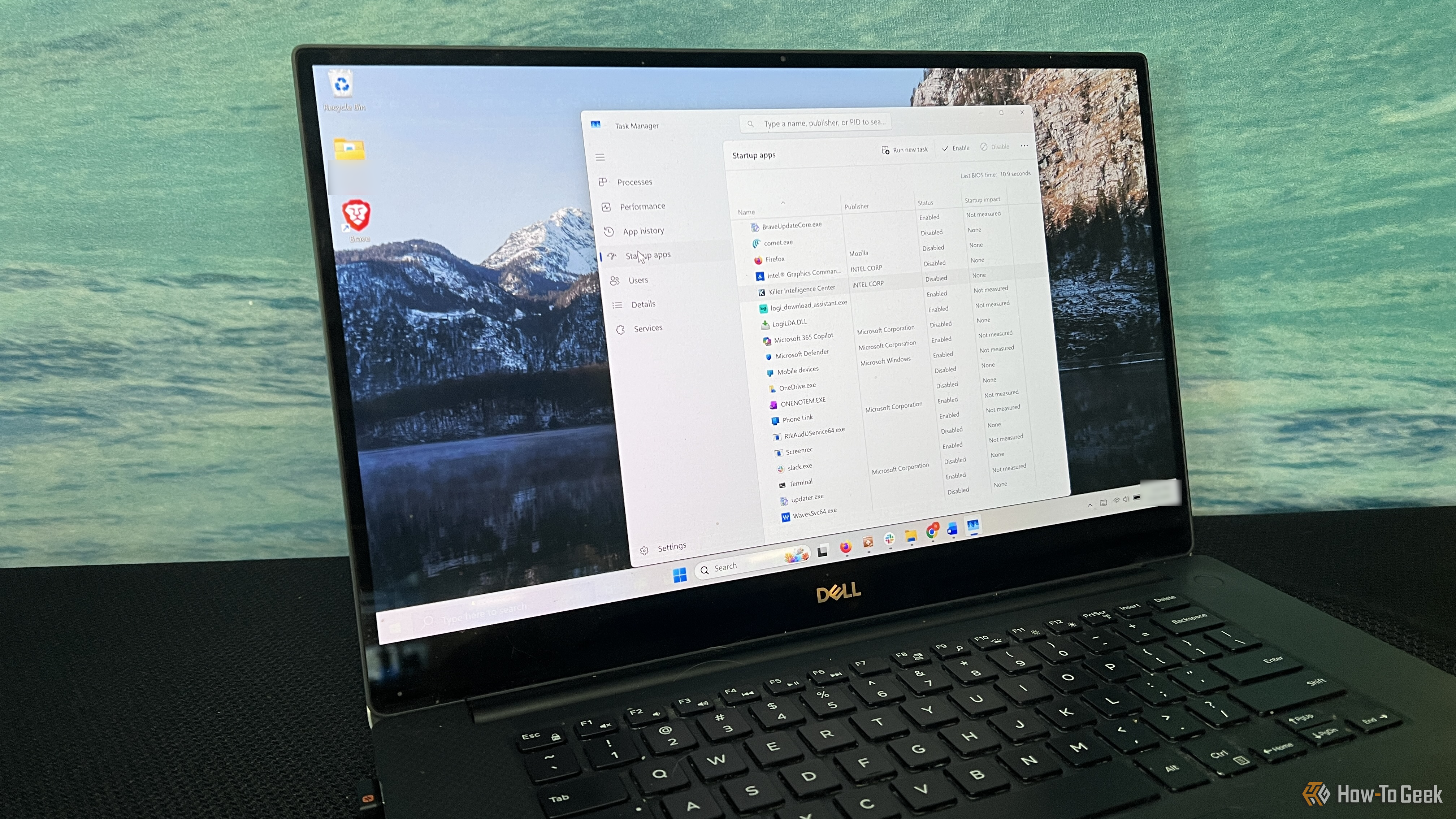
Optimize your Windows boot time without new hardware. Learn to enable UEFI Fast Boot, activate Windows Fast Startup, and clean up startup apps for a significantly faster PC in under 15 minutes.

Take-Two CEO Strauss Zelnick believes cloud streaming could soon make expensive gaming consoles less relevant, potentially within three years. He sees the rising cost of hardware as a negative trend but anticipates it won't hinder big titles like GTA 6. Zelnick forecasts streaming could massively increase the player base, leveraging the ongoing shift towards open gaming systems.

Learn to secure your Coldcard hardware wallet from the ongoing seed phrase hack by updating firmware, migrating to a new seed phrase, and adopting diversified storage, protecting your valuable cryptocurrency assets.

Ayaneo's Konkr Pocket Advance is a compelling modern reinterpretation of the classic Game Boy Advance, offering updated hardware and features while retaining the beloved horizontal design, filling a gap Nintendo has overlooked.

For years, smartphone cameras have been hailed for their convenience, always ready to capture a moment. Yet, despite significant advancements in hardware, the aesthetic quality of photos taken with default camera apps
