41 results found
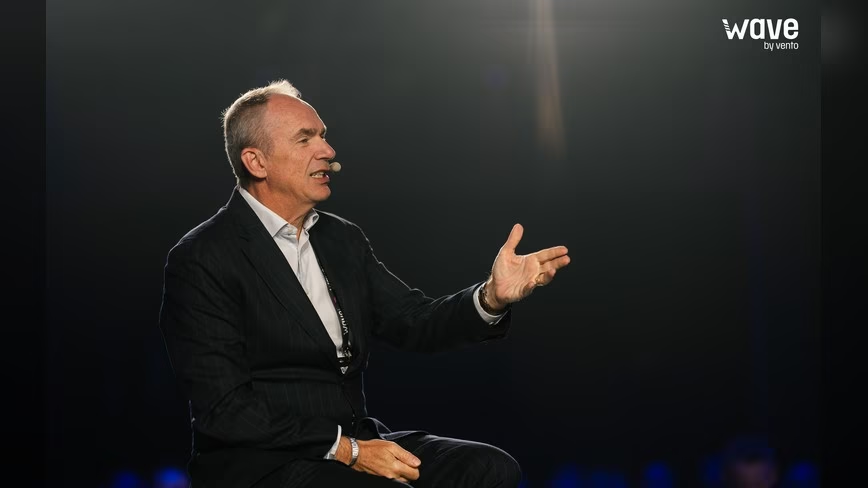
Jean-Christophe Laloux, incoming EIF chief, announced that funds backed by the European Tech Champions Initiative now hold 15 unicorn companies. He detailed plans to expand the initiative to support smaller funds and attract co-investors, emphasizing the importance of scaling European startups within the continent for "sovereignty." The EIF will prioritize investments in deep tech, including AI, biotech, defense, and cleantech.

GM and LG Energy Solution are investing $1 billion to mass-produce advanced lithium manganese-rich (LMR) battery cells at their Spring Hill, Tennessee plant by 2028. This move aims to deliver 33% higher energy density than LFP at the same cost for large EVs, marking a strategic departure from European LFP investments.
Valor Mortis, a first-person action soulslike from the Ghostrunner developer, boasts an impressive voice cast including Behemoth's black metal vocalist, Adam "Nergal" Darski. Set in a supernatural 19th-century Eastern Europe, it launches on October 13 for PS5, Xbox Series X|S, and PC, priced at $40 due to a busy release season.
Governments worldwide are struggling to keep pace with the accelerating development of artificial intelligence, leading to a significant policy vacuum. The European Union, for instance, is debating whether to implement strict AI regulations to manage growing risks, or if such measures would carry economic and geopolitical costs if other nations don't follow suit. This indecision highlights a global challenge to govern rapidly evolving AI technology.

This TechRadar guide on watching Nations League 2026/27 for FREE offers valuable info on European free streams but clarifies that international access requires a paid VPN. A balanced look at pros, cons, and regional options.

Polymarket: Prediction Market or Payout Gamble? (Verdict) Polymarket, the decentralized prediction market, is currently engaged in a high-stakes lobbying effort across Europe, attempting to shed its image as a gambling

A new OECD report highlights a massive gap in how US and European employers use software for algorithmic management. US firms sanction workers with software at 16 times the European rate, a disparity driven by regulatory differences. The report also warns that the EU's AI Act may not cover most of these tools, as they don't necessarily use AI.

Meta's CTO, Andrew Bosworth, dismisses privacy concerns over smart glasses as a "bad actors" problem, just as the company prepares to launch a camera-free version, "Luna." This strategic product shift, coupled with mounting regulatory scrutiny in Europe and easily defeated privacy safeguards on existing models, casts doubt on Bosworth's defense.

Meta's Instagram platform is under fire as Albanian anti-government protesters face mass account suspensions due to what appears to be a coordinated campaign of false copyright complaints. European lawmakers are calling for an investigation, with evidence suggesting individuals were paid to file the reports. The European Commission is already scrutinizing Meta's content moderation practices under the Digital Services Act.

Google has rolled out significant changes to its European search engine, claiming these constitute the biggest quality drop in its 29-year history. The move is a direct response to a €460 million fine from the European Commission under the Digital Markets Act for self-preferencing. Google states the new layout, which features stripped-down carousels and prioritizes comparison sites, degrades user experience and harms local businesses, though its figures remain unverified.
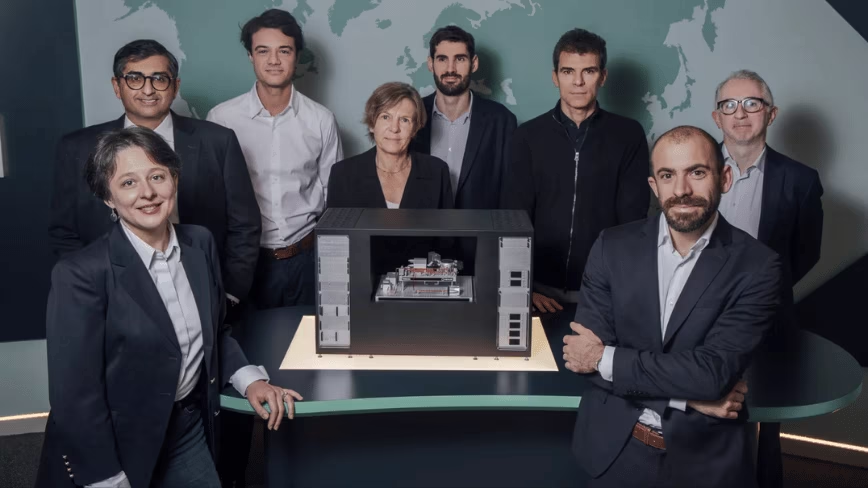
French quantum computing pioneer Pasqal has successfully debuted on the Nasdaq exchange under the ticker PSQL, concluding its merger with Bleichroeder Acquisition Corp. II. The company secured approximately $360 million
Chinese AI and chip firms are implementing broad equity and cash incentives to retain engineers, countering fierce domestic competition and geopolitical pressures. Companies like Cambricon offer shares to over 85% of staff, while ByteDance and Tencent provide significant pay increases for AI talent. This approach contrasts sharply with the US's cash-first strategy and Europe's long-term training initiatives.

Verdict The European Ariane 6 rocket, while demonstrating commendable operational reliability and a smooth debut compared to some competitors, faces a significant challenge: its exorbitant cost. The recent cancellation
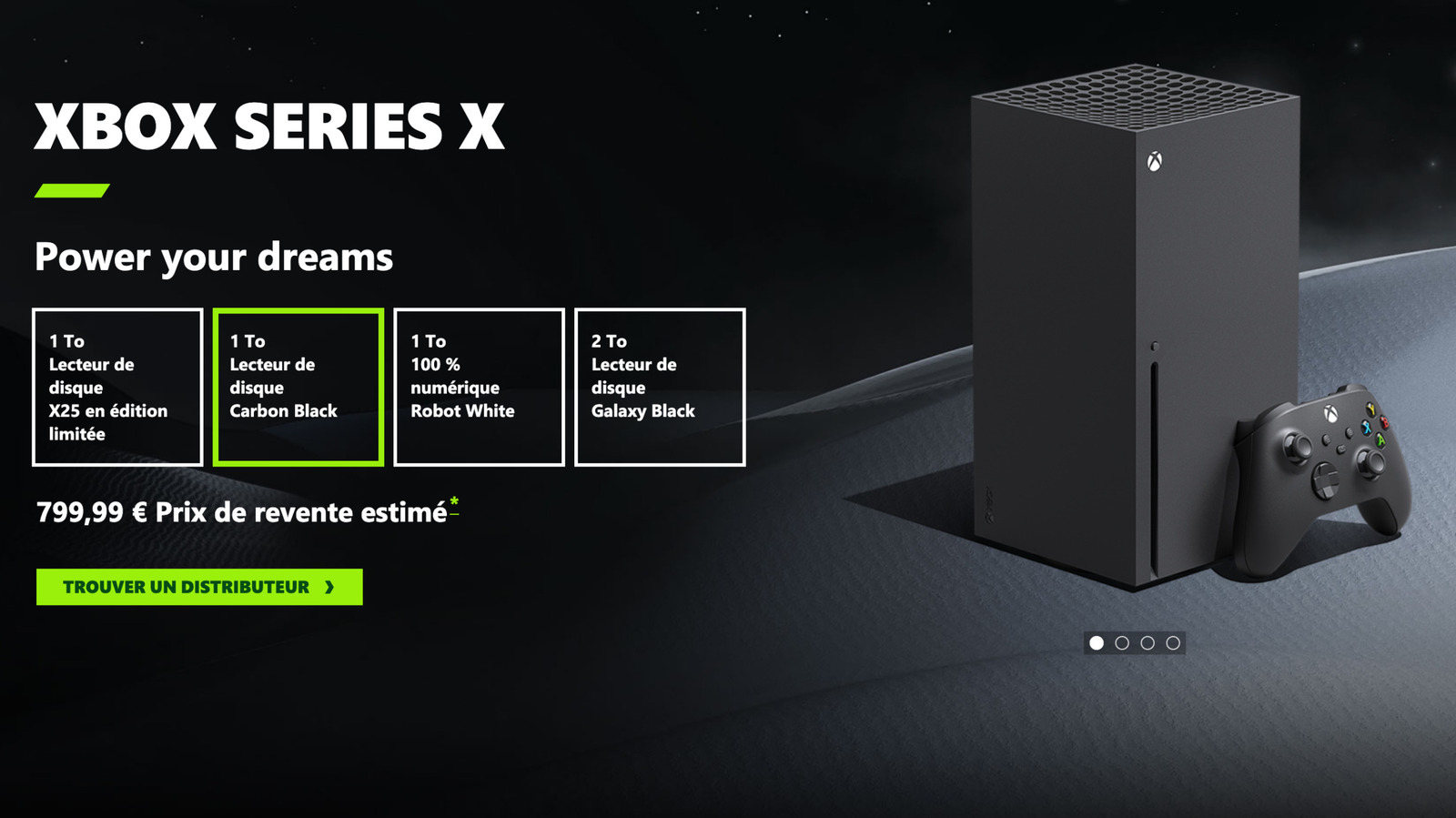
Xbox console prices in the EU and UK have seen significant increases (up to €200 / £170) as of August 1st, making entry into the Xbox ecosystem much more expensive. This review breaks down the new pricing, discusses the economic context of rising component costs, and offers a cautious buying recommendation for consumers grappling with these substantial changes.
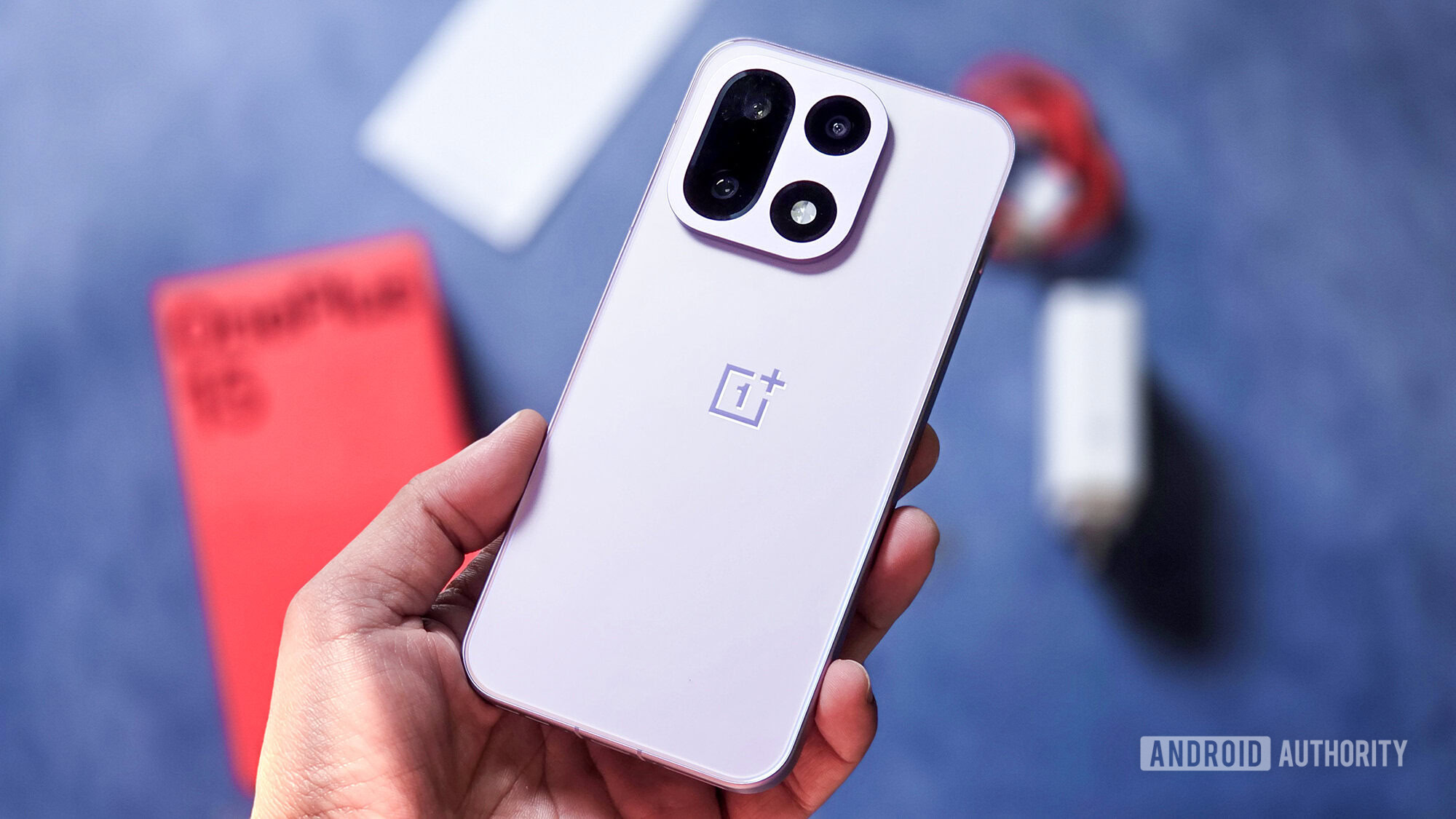
OnePlus 16 leaks reveal a familiar yet refined design, boasting impressive internal specs like a Snapdragon 8 Elite Gen 6 Pro and a 9,000mAh battery. However, its significant drawback is its limited availability, with confirmed exits from North America, Europe, and reportedly India.

Science Corporation, a pioneering startup in brain-computer interfaces (BCI), has achieved a major regulatory breakthrough, securing European Union approval for its innovative PRIMA device. This implantable chip is

Philips has unveiled its Sonicare Next-Generation DiamondClean 9900 Prestige, an AI-powered smart toothbrush offering real-time feedback and a touchscreen mouth map to show users overlooked areas. It also features adaptive pressure sensors and multiple cleaning modes. The device is set to launch in Europe and the US this fall.
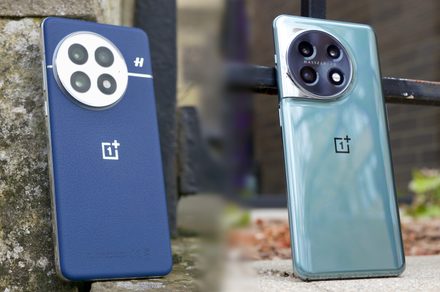
The recent confirmation of OnePlus’s departure from the US and European smartphone markets has cast a somber shadow over the Android landscape, particularly for enthusiasts craving something beyond the predictable. As

OnePlus, and parent company Oppo, are reportedly exiting the US and European markets, with an announcement due shortly. This follows months of rumors and signals a major shift in the Western smartphone landscape.

The European Parliament has controversially extended legislation allowing Big Tech to scan private messages for child abuse material, despite a majority of lawmakers voting against it. Passed via a procedural loophole, the "Chat Control" bill reinstates these permissions until 2028, sparking outcry from privacy advocates who warn of widespread digital surveillance.
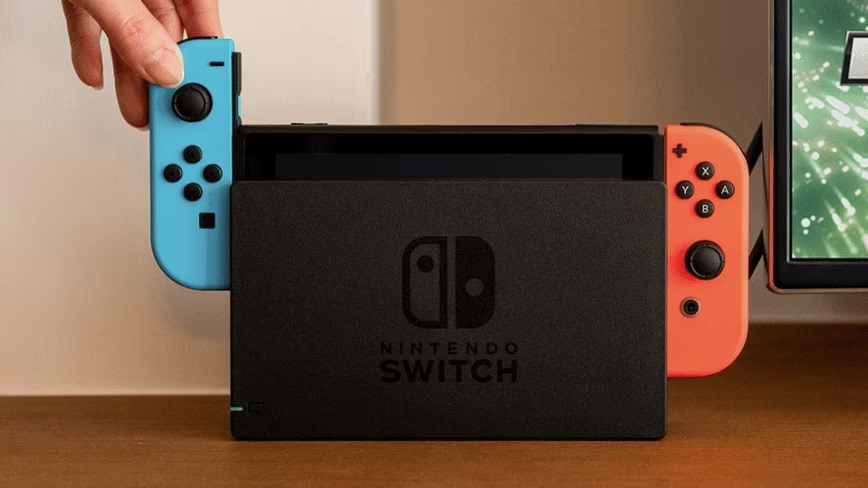
Nintendo will cease selling all original Switch models across Europe by mid-February 2027, driven by a new EU regulation requiring user-replaceable batteries. This move impacts the Switch, Switch Lite, and Switch OLED, as well as some accessories. The upcoming Switch 2 will also see a minor redesign to comply.

Station F is intensifying its focus on the European AI ecosystem with the upcoming second batch of its F/ai accelerator program. Aiming for rapid commercialization, the program helps startups achieve significant revenue, backed by major tech partners and VCs. This initiative reinforces Station F's role as a critical hub for nurturing AI talent and innovation on the continent.

The smart scale market has seen its fair share of incremental improvements, but Withings is looking to make a significant splash with its new BodyFit scale, now available in the UK and Europe. Priced at £229.95, this
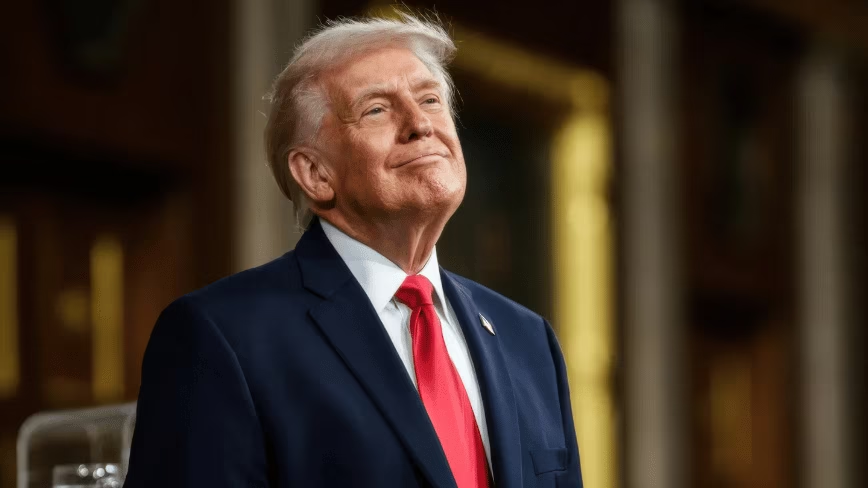
Former President Donald Trump has threatened a 100% tariff on any country taxing US tech firms with digital services taxes, just a day after the EU ratified a trade deal. Brussels defiantly stated taxation is its sovereign right and will not back down. This sets up a major international standoff over digital taxation, challenging Europe's years-long efforts to regulate tech giants and impacting future trade relations.

Shake and Bake... in Europe? Ricky Bobby's Lost F1 Dream Revealed! Alright, buckle up, racing fans and comedy aficionados! Just when you thought you knew everything about the legendary NASCAR hero Ricky Bobby, a new
