71 results found

Seattle startup TriMagnetix has secured $1 million to develop semiconductor chips that consume 800 times less energy and are radiation-resistant. The two-person company, leveraging nanomagnetic technology, is targeting space applications and data centers. With new funding and key partnerships, TriMagnetix aims for commercial sales within a year.
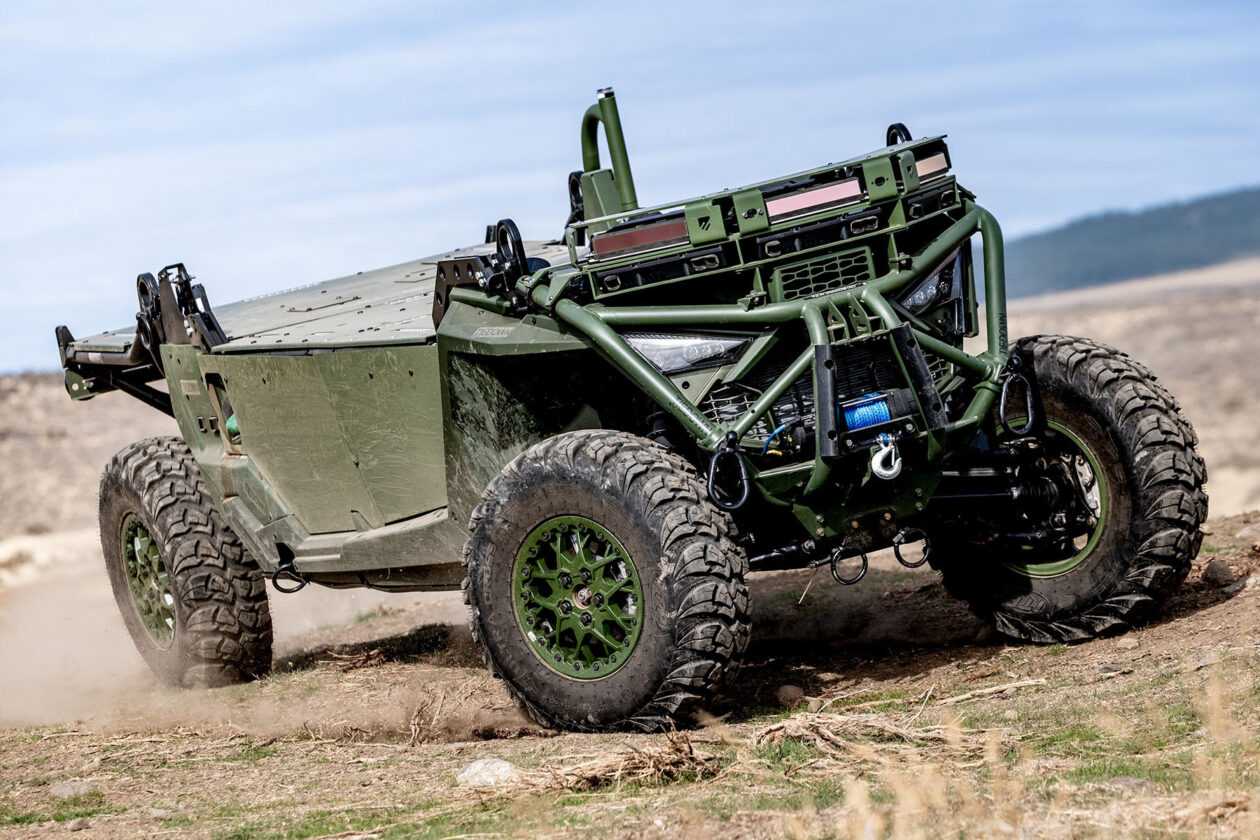
Seattle-based Overland AI has unveiled IBEX, a new fully autonomous ground vehicle chosen by the U.S. Marine Corps for critical missions like counter-drone defense and resupply. Built on a Polaris MRZR chassis, IBEX can carry 2,000 pounds and operates autonomously at speeds over 35 mph using proprietary software.
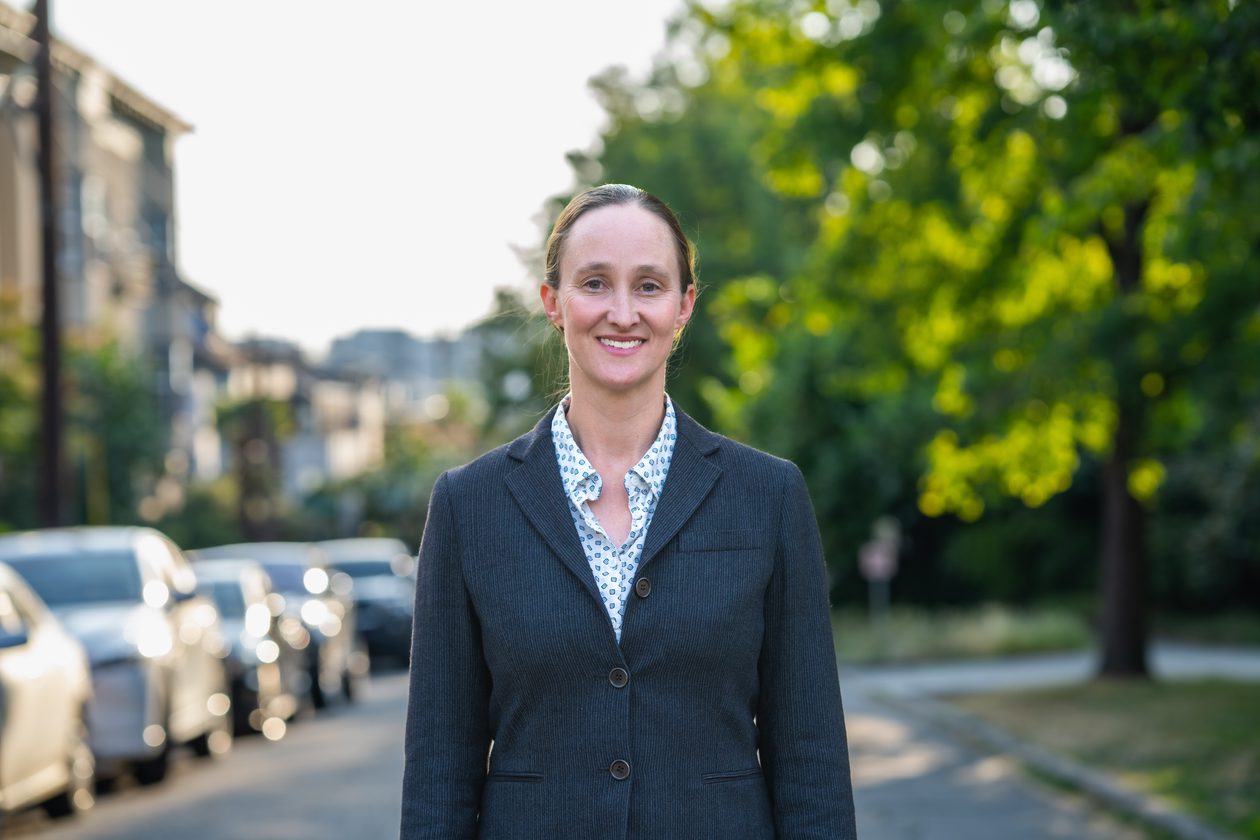
Seattle Mayor Katie Wilson has launched the Resilient Seattle Economy Task Force, enlisting 18 leaders from diverse sectors including tech, labor, and small business. The task force aims to tackle economic challenges, diversify the city's economy beyond its heavy tech reliance, and improve the business environment. This initiative follows a report highlighting job losses and a shifting tax burden.
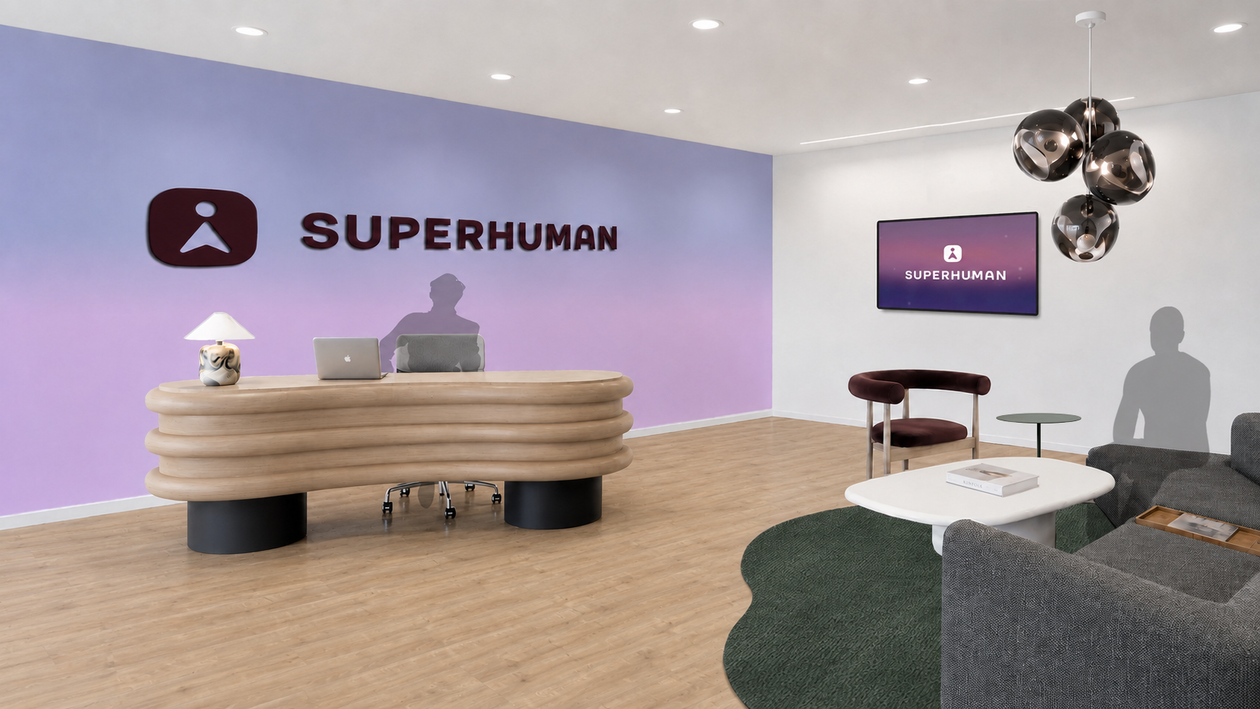
Superhuman, formerly Grammarly, has opened a 13,501-square-foot office in Seattle's South Lake Union, signaling significant expansion and recruitment plans. The AI productivity firm aims to boost its 96-strong local team, joining a wave of AI companies establishing a strong presence in the Pacific Northwest tech hub. This strategic move highlights Seattle's growing appeal for AI talent and investment.
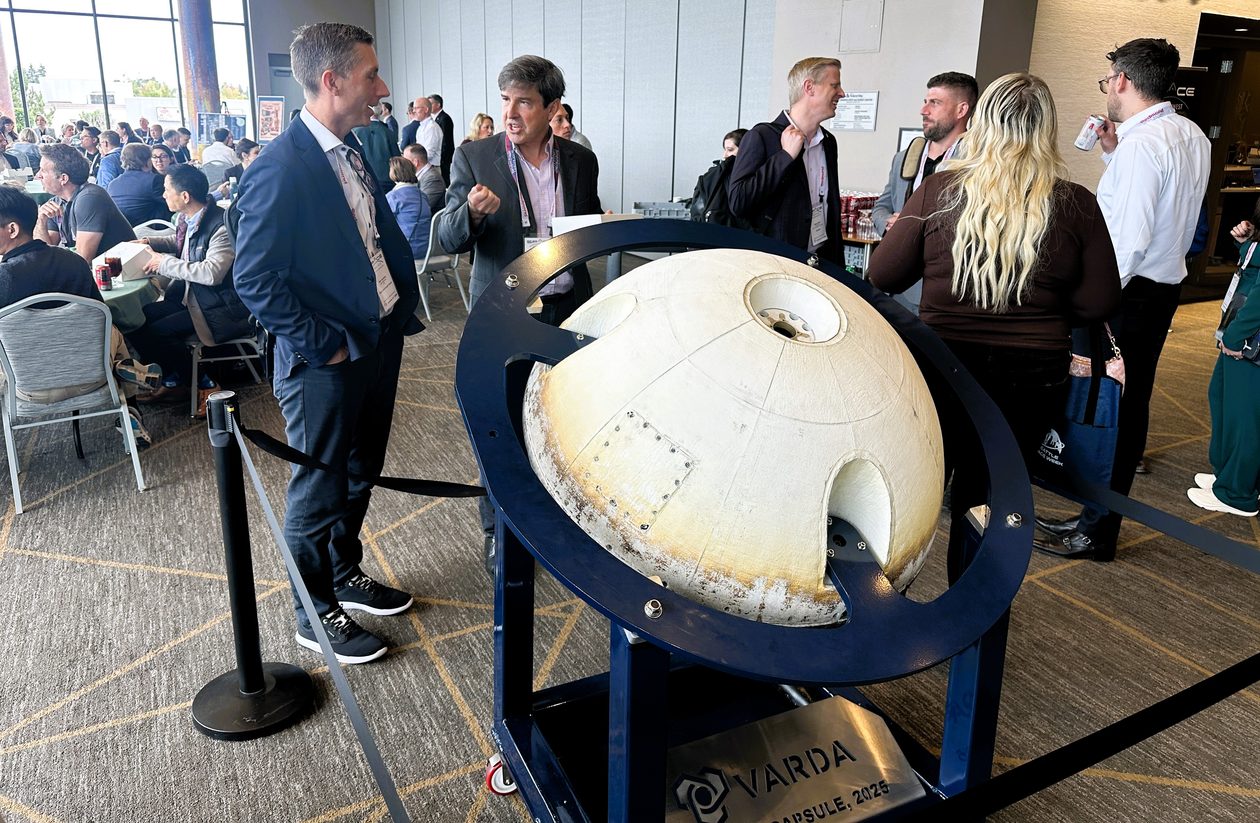
Seattle Space Week highlighted significant growth in Washington's space industry, alongside critical challenges like a launch crisis and workforce shortages. Leaders discussed four problems and four prospects, including securing local funding, competing with rival states, and the potential for new launchers and even a homegrown launchpad. State initiatives, like Governor Ferguson's Space Council, aim to foster public-private partnerships and retain key businesses.

Seattle-based Truelist, founded by former Zillow VP Carey Armstrong, has been acquired by San Francisco's Mainstay as part of an $18 million funding round. The deal expands Mainstay's AI real estate tools to a broader market, with Armstrong joining as Chief Strategy Officer.

Seattle health-tech startup DexCare has acquired Mila Health, a local company specializing in AI agents for automated patient scheduling. The deal, announced September 21, 2026, integrates Mila's rapidly deployable AI communication tools into DexCare's patient-access platform, which serves 57 million patients nationwide. This move aims to enhance care coordination and address staffing challenges within the healthcare sector.
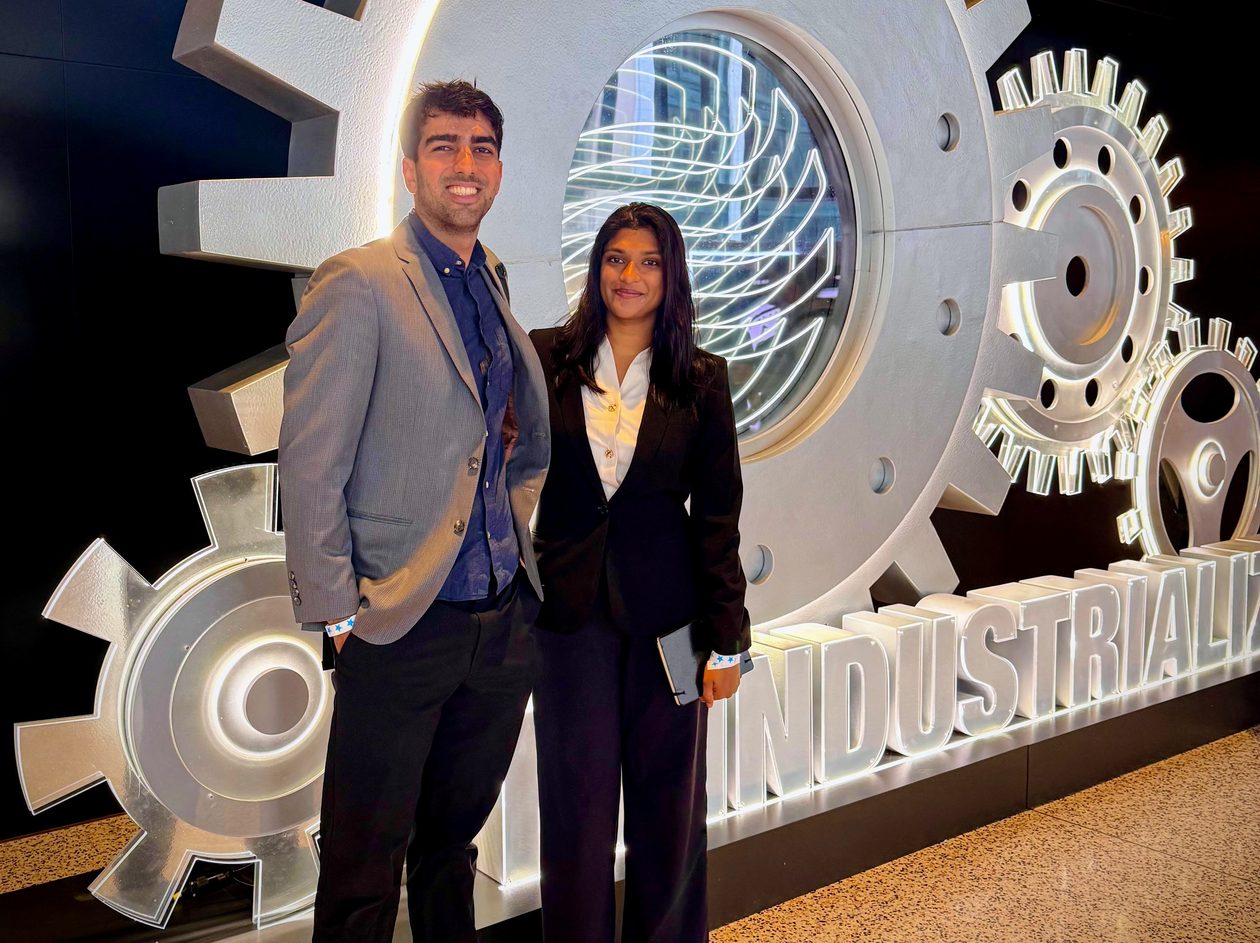
Neuramill, a startup founded by Nistha Mitra and Nick Khormaei, is developing AI-powered software to capture the invaluable knowledge of retiring machinists in America. Their technology creates an "intelligence layer" for high-precision manufacturing, suggesting optimal production plans that are reviewed by human experts. The Seattle-rooted company aims to prevent the loss of critical expertise, with early traction including a defense contractor and machine shop partners.

A new City of Seattle study warns of the city's risky economic over-reliance on a few dominant tech companies. Simultaneously, the Seattle Times and Newsday are suing Microsoft and OpenAI for alleged AI training data theft, while Apple's new foldable iPhone Duo evokes memories of Microsoft's defunct Surface Duo.
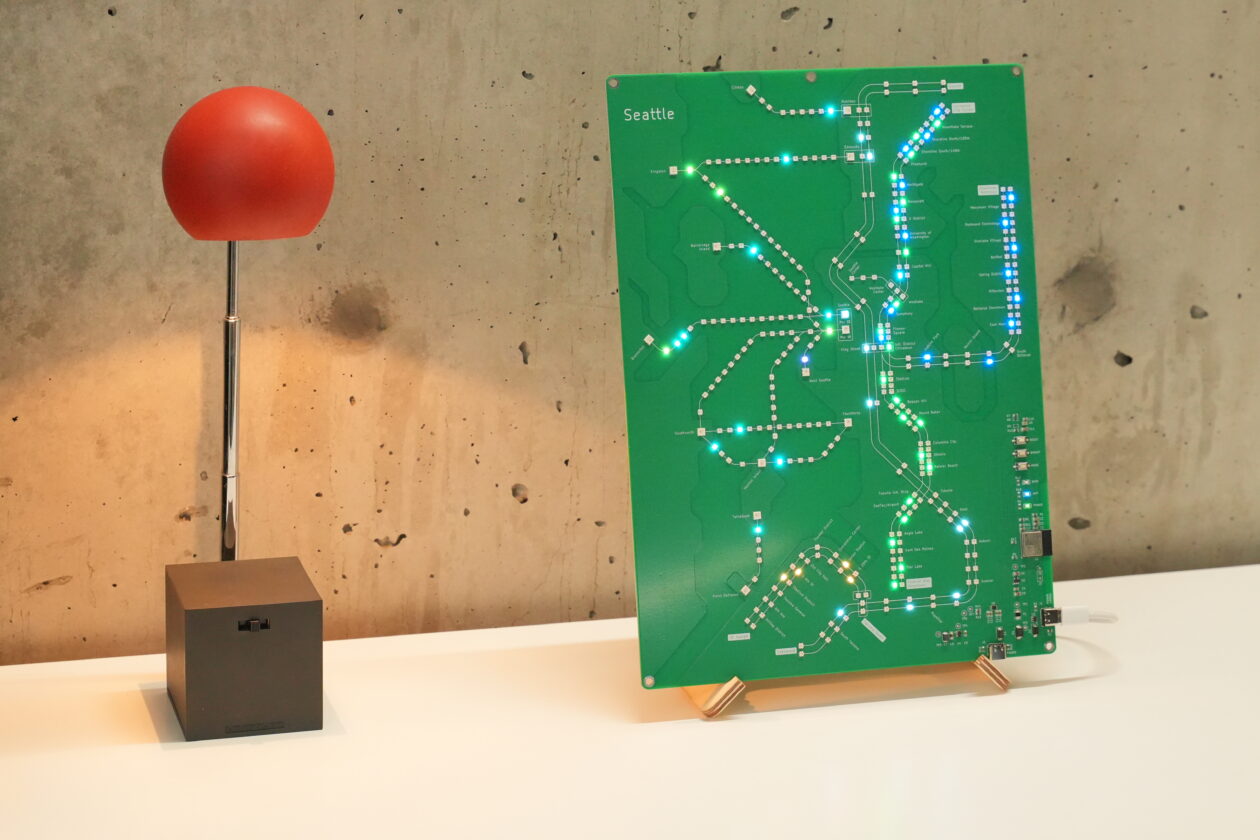
Software engineer Michael Benedict, recently laid off from Amazon, transformed a personal gift into "Seattle Transit Live." This innovative LED circuit board map tracks real-time movement of Puget Sound-area trains, ferries, and water taxis. The $219 open-source device has garnered significant interest, quickly selling out initial production runs.
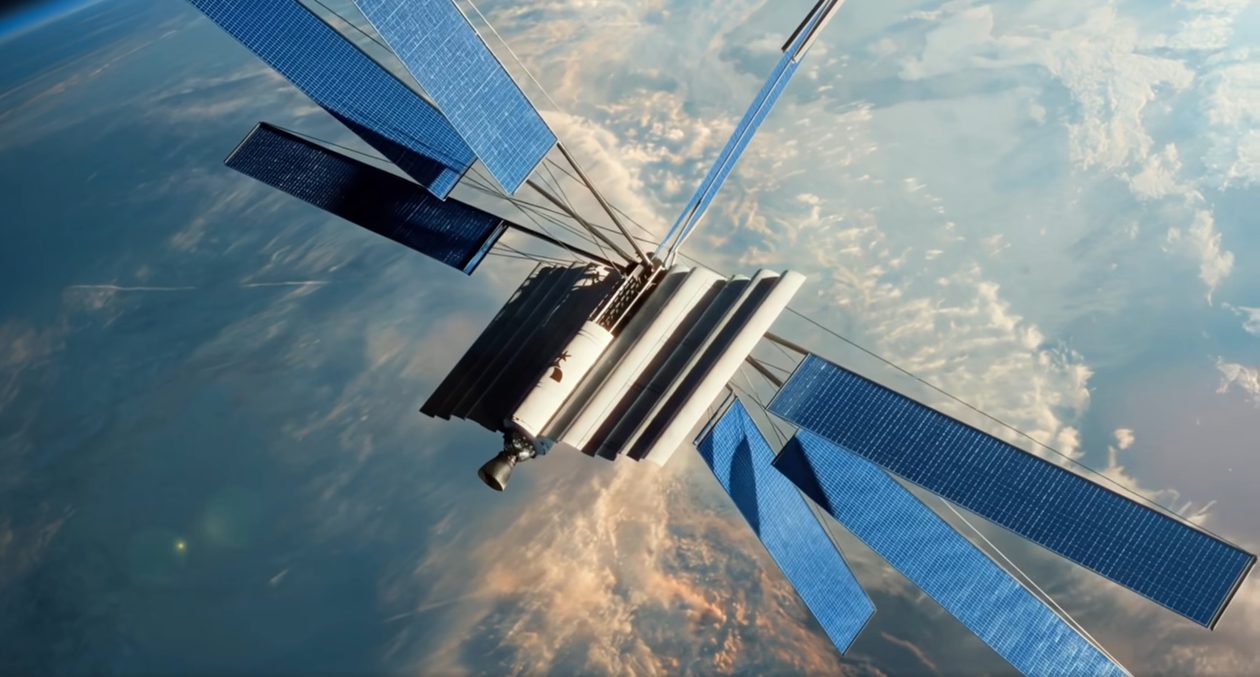
California-based Cowboy Space has leased a massive 291,035-square-foot facility in Kent, Washington, to produce hardware for its planned orbital AI data centers. This is the largest industrial lease in the Puget Sound region this year and is expected to create 300 jobs, advancing the company's goal of launching its Stampede constellation by 2028.
The Seattle Times and Newsday have initiated a copyright infringement lawsuit against OpenAI and Microsoft, alleging systematic scraping of articles, paywall circumvention, and the creation of AI alternatives that impact revenue. This action expands the growing legal challenge from news organizations against AI developers and raises critical questions about AI training practices.
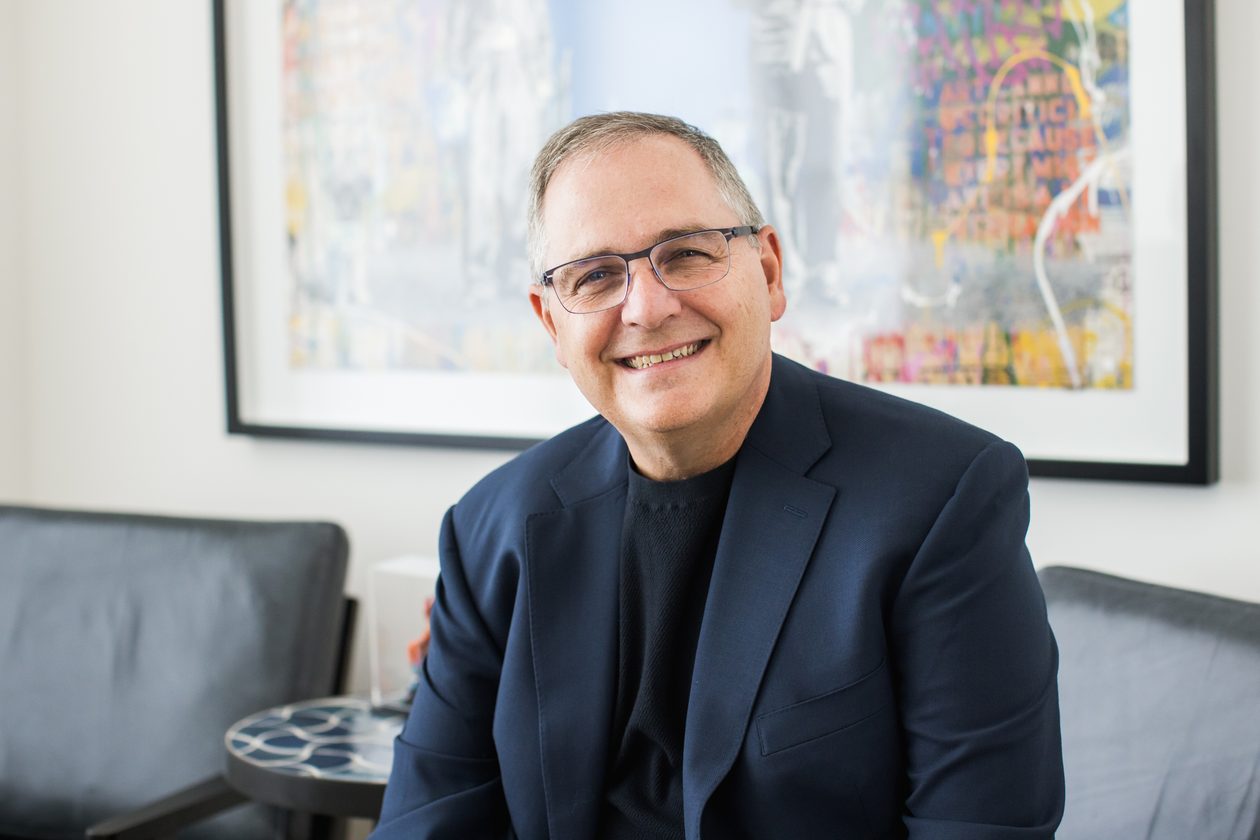
Former Xbox CPO Marc Whitten has been named CEO of Dolby Laboratories, a significant move for immersive entertainment and gaming. This comes amidst high-profile exits from Microsoft's AI division, with CMO Andréa Mallard and veteran researcher Ece Kamar departing. Other notable tech shifts include leadership changes at NationSwell and hires at Seattle startup Tin Can, emphasizing a dynamic tech landscape.

Starbucks has cut an additional 224 jobs at its Seattle headquarters, impacting tech and store development roles, as its corporate restructuring nears completion. These cuts bring the total Seattle reductions to 537 this year, part of CEO Brian Niccol's broader turnaround strategy aiming for $2 billion in cost savings.

Key leadership changes sweep the Pacific Northwest tech and healthcare scenes. Mehul Shah, a former AWS data leader, joins Oracle's OCI, while Dr. Natalie Pageler is named CIO of Seattle Children's. Zillow Group appoints its first Chief Legal and Policy Officer, Sandi Knight, amidst a major antitrust trial.
Jeff Bezos has joined a consortium acquiring a minority stake in Liverpool FC, while a former Meta AI director launched Noosphere Labs, a physical AI startup with $10.25 million in funding. Simultaneously, supply chain company Auger moved its HQ from Seattle to Dallas, and Microsoft retired its Mico AI blob as it consolidates Copilot into a "Super App." These events reflect significant shifts in tech investment, AI development, and regional tech ecosystems.
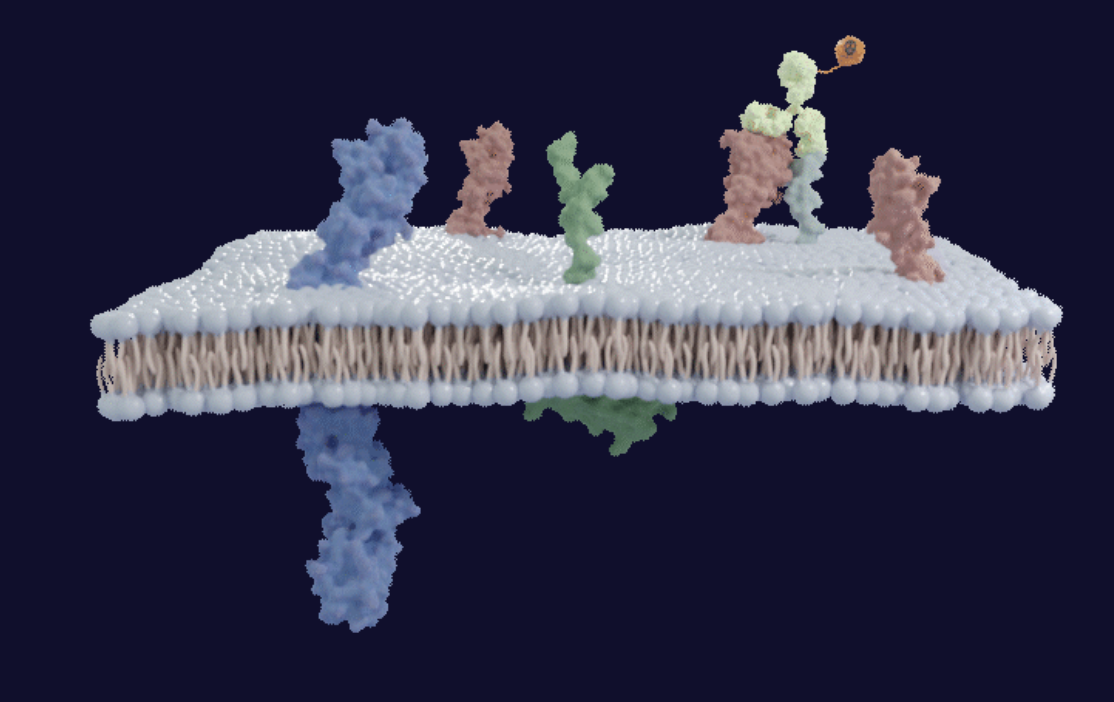
Biotech startup InduPro has secured $77 million in Series B funding and commenced its first human clinical trial for lead cancer drug IDP-001. The company's novel proximity-guided platform aims to precisely target tumors by identifying specific protein combinations on cancer cell surfaces, sparing healthy tissue. This milestone, alongside a significant Eli Lilly partnership, marks a pivotal step for the Seattle and Cambridge-based firm.
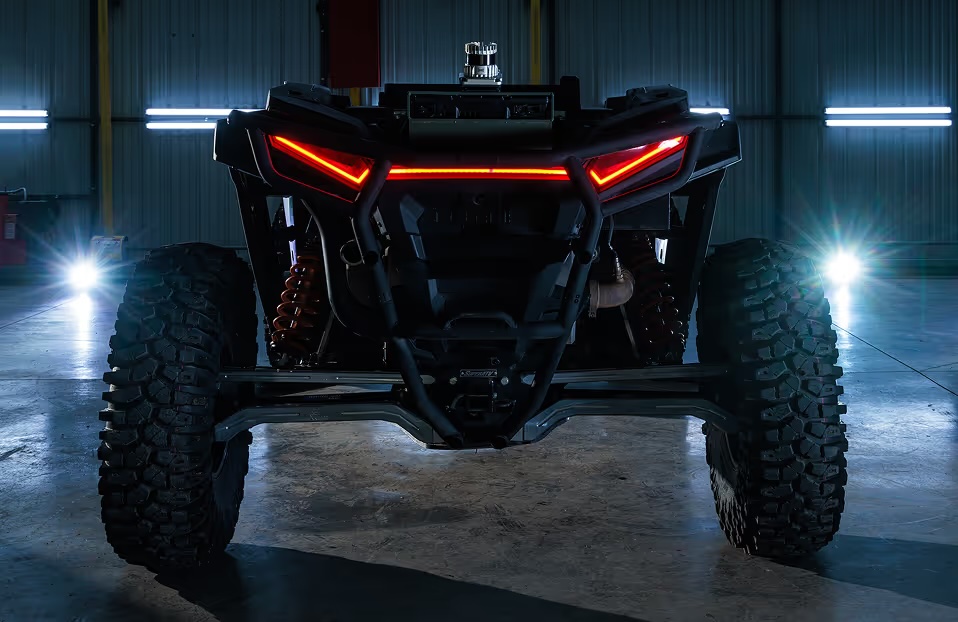
Seattle-based Overland AI, a developer of autonomous ground vehicles for the U.S. military, has opened a new office in Burlingame, California. This strategic move aims to tap into the Bay Area's premier AI and robotics talent, notably reversing the long-standing trend of Silicon Valley companies establishing engineering hubs in the Pacific Northwest.

GeekWire's "Week in Review" for Aug 2, 2026, offers a concise, Seattle-centric tech news digest. Excellent for regional insights, it's dominated by layoff stories, C-suite moves, and AI developments, with a noticeable presence of sponsored content. Recommended for PNW tech enthusiasts.
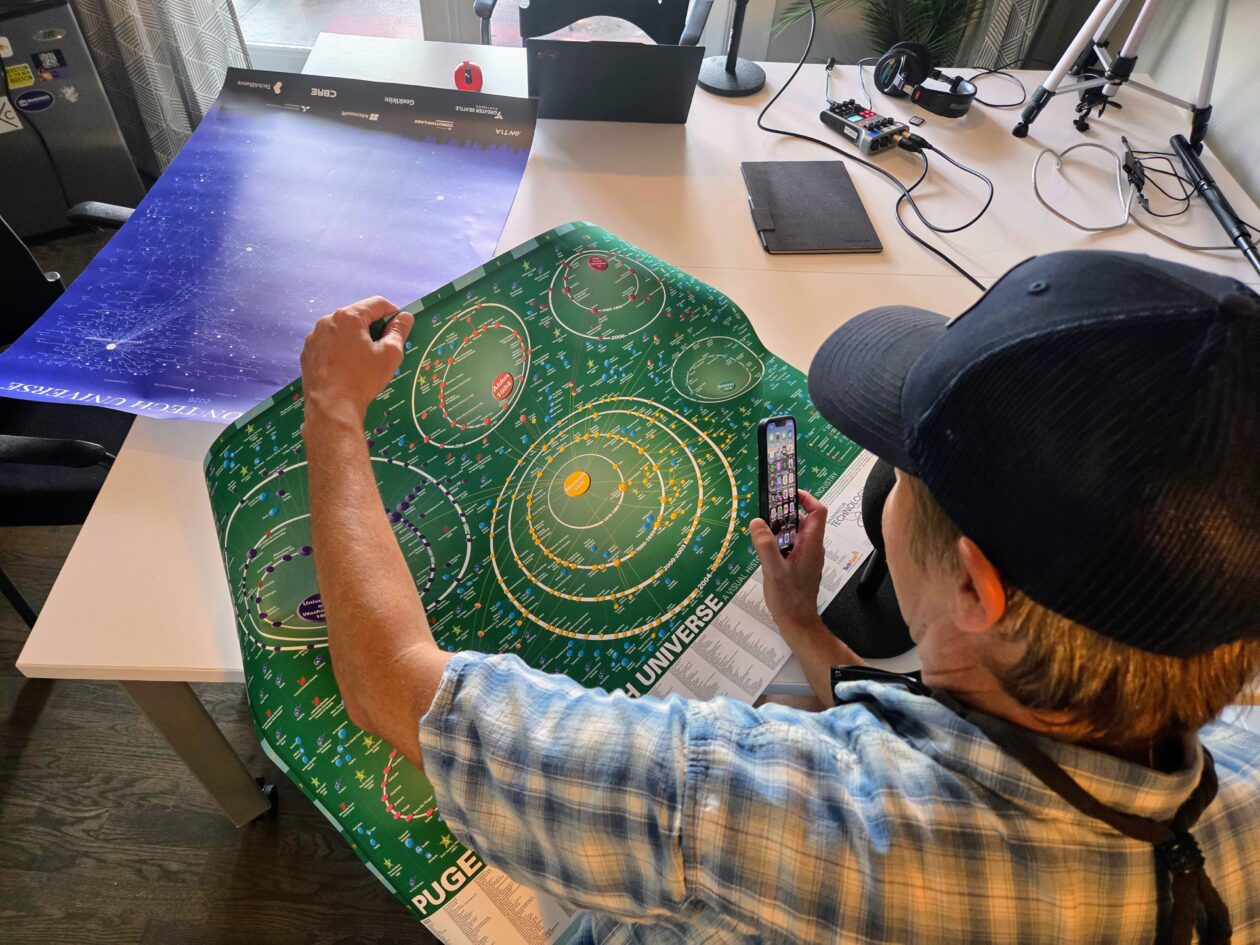
GeekWire's podcast dissects Elon Musk's Starlink ambitions, SpaceX's public debut, and Seattle's tech evolution. It reveals a landscape of bold claims, fierce space race competition, and the dynamic growth and risks within tech hubs.
Recent tech news highlights Amazon's strategic move into custom AI chips (Inferentia, Trainium) as its fourth business pillar, and Satya Nadella's practical use of Power BI for rapid executive-level data insights. Concurrently, a VC from AI House is rallying the Seattle tech community to embrace its strong foundation in cloud and AI, countering negative narratives about the region.

Seattle's Interlune is expanding its partnership with industrial equipment manufacturer Vermeer to develop crucial construction tools for lunar infrastructure. This pivot supports NASA's $30 billion initiative to build a moon base, focusing on tasks like road building, excavation, and site preparation. While broadening its scope, Interlune continues its helium-3 mining efforts with planned missions.
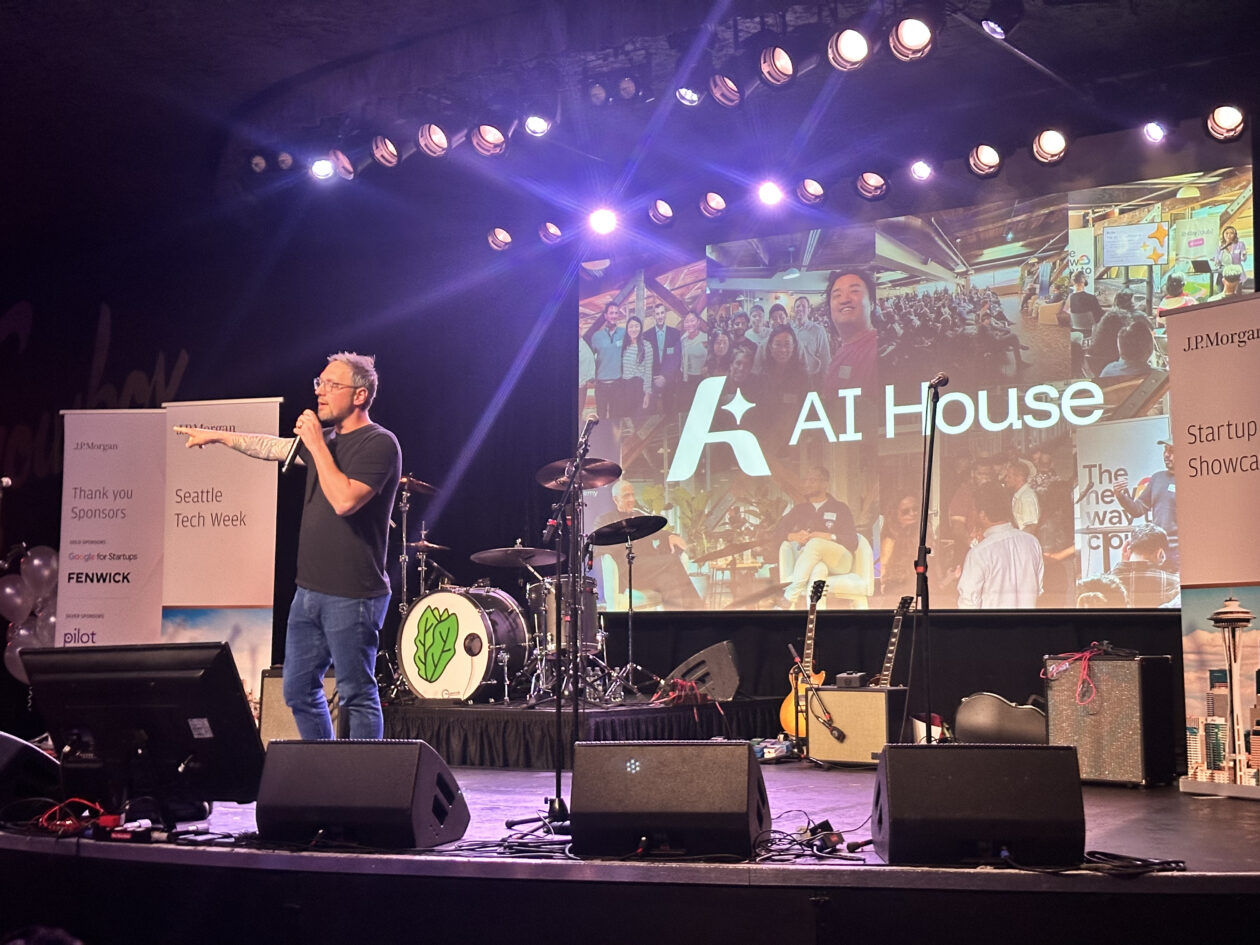
AI House co-founder Jacob Colker delivered a passionate 'rallying cry' for Seattle at a recent tech event, urging residents to overcome a 'confidence problem' and recognize the city's immense potential. He emphasized the need for greater community and connection to fully leverage Seattle's role in the future of technology.
Alright, gamers, gather 'round! Your favorite tech journalists are back with the latest intel from the Pacific Northwest's bustling digital hub. Forget your next major game update; we're talking about the real-world
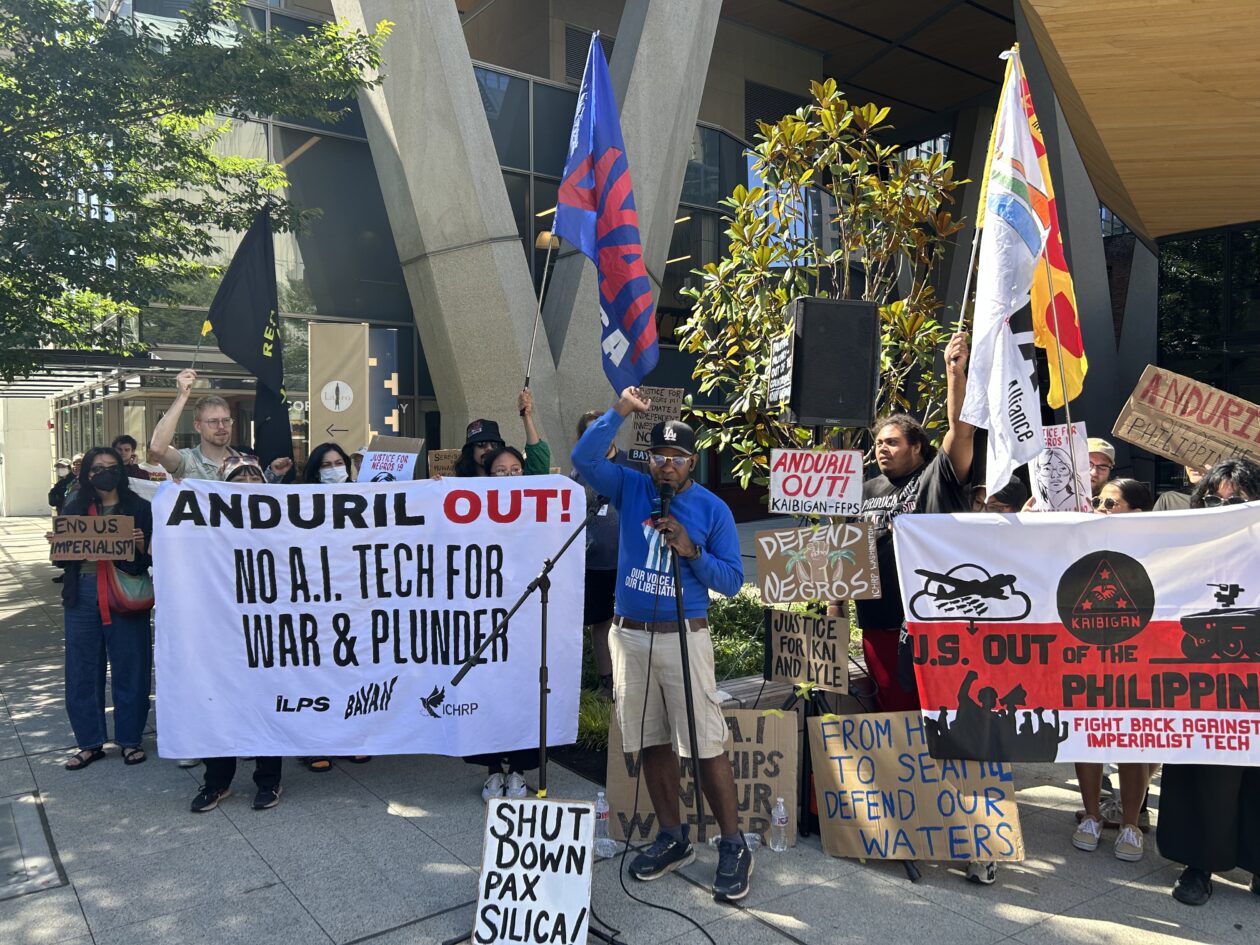
Defense technology powerhouse Anduril is reportedly seeking a new funding round that could propel its valuation to an astonishing $100 billion, a move that would underscore its meteoric rise in the defense sector. This
