16 results found

Tech titan Elon Musk is rejoining government service to co-direct the Pentagon's Project Meridian, an initiative focused on the future of warfare. This marks his return to an advisory role, collaborating with defense tech founder Palmer Luckey and former House Speaker Newt Gingrich.

President Donald Trump held a private dinner with Anthropic CEO Dario Amodei, marking their first one-on-one meeting after months of public and policy-level tensions over AI development. Trump has pushed for accelerated AI growth, while Amodei has advocated for a slowdown and stringent guardrails, leading to past clashes including Anthropic's blacklisting by the Pentagon. The White House has not released details of their discussion.

The Pentagon's decades-long neglect of its computer networks has led to a critical national security risk, now amplified by AI. Adversaries are using advanced AI to exploit these aging systems, leading to a tenfold increase in zero-day vulnerabilities. Military leaders acknowledge the peril, signaling an urgent shift in priorities.

AI firm Anthropic secured a federal court victory today, overturning the Trump administration's blacklisting that labeled it a national security and supply chain risk. The judge ruled the government's actions were illegal, restoring Anthropic's ability to engage with federal contracts and military partners.
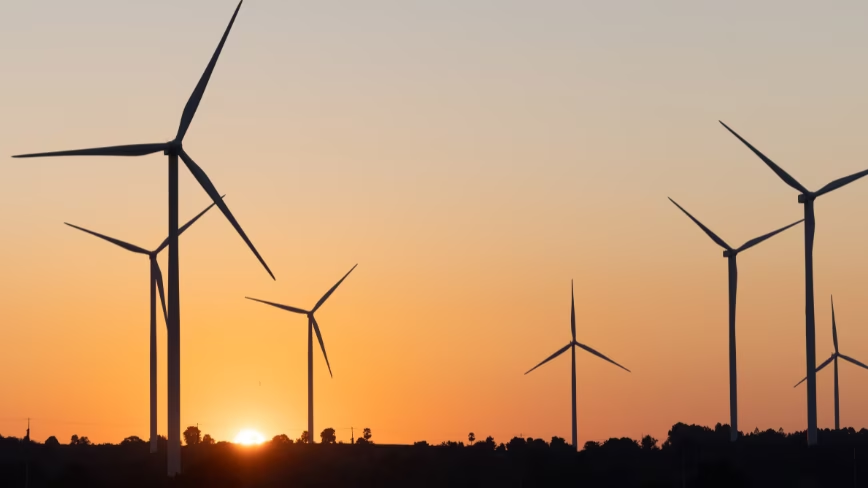
The Pentagon has frozen permitting for 155 wind projects across 24 states for nearly a year, citing concerns that drones can hide within wind farms. This impacts 44 gigawatts of capacity and has cost developers $2 billion. The wind industry claims the freeze is politically motivated and has filed a lawsuit.
Apple is actively lobbying the US government for formal approval to acquire memory chips from ChangXin Memory Technologies (CXMT), China's foremost DRAM manufacturer, which is currently on the Pentagon's military-linked

PowerLight Technologies' laser power beaming system successfully kept a military drone airborne for hours during Pentagon tests. This breakthrough, demonstrated at Shaw Air Force Base, could enable indefinite flight for unmanned systems, revolutionizing surveillance and offering potential counter-drone capabilities.

Anthropic's ties with the Trump administration are thawing, marked by a high-level meeting between CEO Dario Amodei and White House officials. This occurs despite an ongoing legal battle with the Pentagon, which labeled Anthropic a "supply-chain risk" over ethical disagreements on AI use.
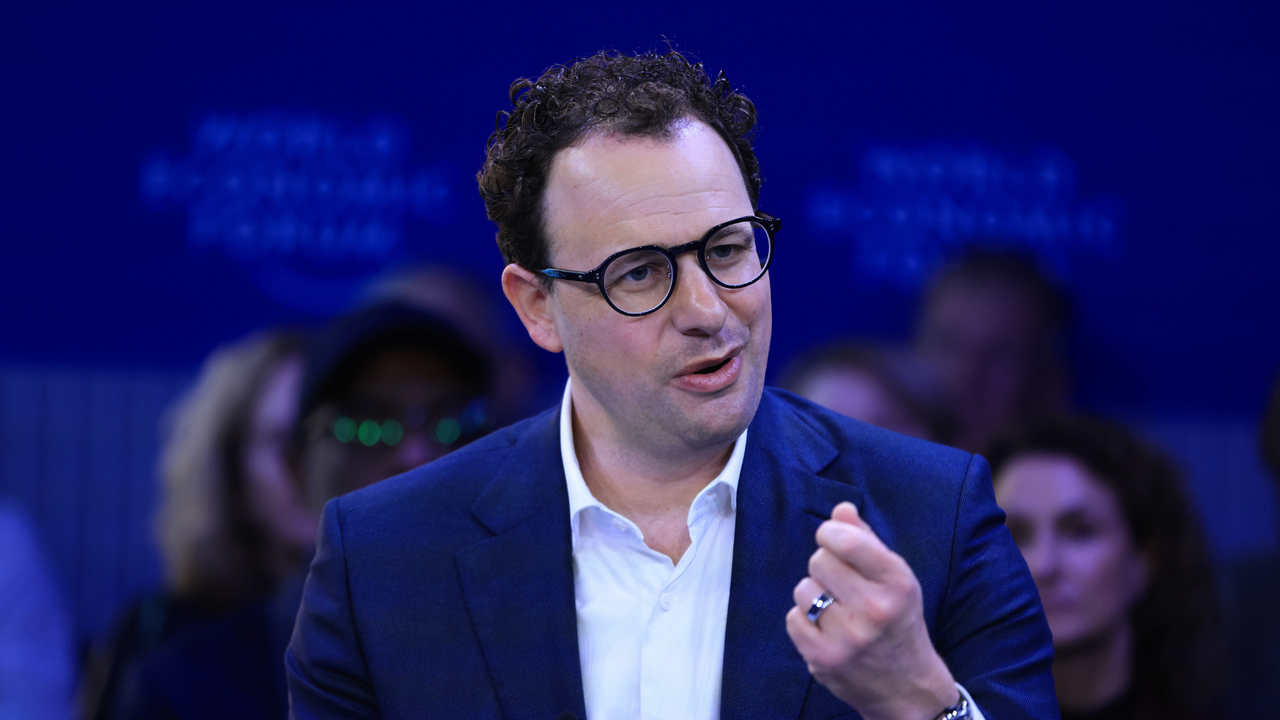
U.S. judge sides with Anthropic, temporarily blocking the Pentagon from branding the AI company a "supply chain risk" after it refused to lower guardrails for military use, citing ethical concerns over mass surveillance and autonomous weapons. This ruling is a significant win for tech autonomy and ethical AI development.

U.S. Senator Elizabeth Warren has condemned the Pentagon's decision to label AI lab Anthropic a "supply-chain risk" as "retaliation." This follows Anthropic's refusal to allow its AI for mass surveillance or lethal autonomous weapons without human oversight. The dispute, which has garnered support for Anthropic from across the tech industry, will see a pivotal court hearing this Tuesday in San Francisco.

In a significant move that reverberated through the tech industry, artificial intelligence company Anthropic filed a lawsuit against the Trump administration on Monday, March 9, 2026. The lawsuit, lodged in a federal
AI firm Anthropic plans to challenge the DOD's recent "supply chain risk" designation in court, calling it "legally unsound." This follows a dispute over AI control, with Anthropic refusing use for mass surveillance or autonomous weapons, while the Pentagon seeks unrestricted access for lawful purposes. The designation could bar Anthropic from military contracts.

Pentagon Labels Anthropic a Supply-Chain Risk, Sparking Legal Battle The Defense Department has formally designated American AI firm Anthropic as a "supply-chain risk," escalating a weeks-long dispute over the company's

Anthropic's Claude is being used by the Pentagon for critical intelligence and battle simulations, sparking controversy over its "red lines" for military use, even as consumer popularity soars.

The Pentagon has designated AI developer Anthropic as a "Supply-Chain Risk to National Security" after the company refused to allow its AI for mass domestic surveillance or autonomous weapons. This follows President Trump's directive to cease federal use of Anthropic products, which the company vows to challenge legally. OpenAI, initially supporting Anthropic's stance, swiftly secured a deal with the Pentagon to fill the void, claiming to uphold similar ethical principles.

The Pentagon is demanding access to Anthropic's AI technology and threatening to invoke the Defense Production Act if the company does not comply, according to Washington Post Technology. This move highlights escalating government interest in private sector AI for national security and poses a significant challenge for the tech firm, bringing to the forefront issues of forced tech sharing and government authority.
